You know that feeling. It’s Friday night. You’ve been good all week—salads, portion control, no snacking after 8 p.m. Then the craving hits. Salty, sweet, spicy, that deep savory something you can only get from a cardboard box of takeout. You order your usual: General Tso’s chicken, an order of vegetable lo mein, maybe an egg roll for good measure. Twenty minutes later, you’re full. But not the good full. The heavy, guilty, “why did I do that” full.
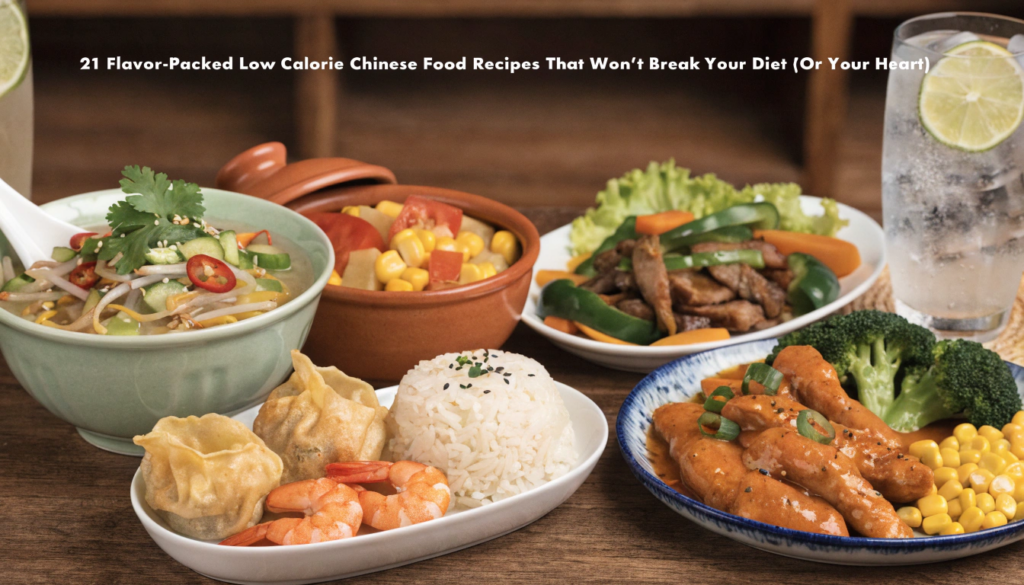
Here’s the part nobody tells you. You don’t have to live that way. You don’t have to choose between loving Chinese food and reaching your health goals. I spent years thinking I did. After one too many nights of regret, I started experimenting in my own kitchen. No culinary school. No fancy equipment. Just a wok, some curiosity, and a fierce refusal to give up my favorite flavors.
Three years later, I eat lo mein three times a week. I’ve had dumplings for lunch two days in a row. And my jeans? Still fit just fine. This article walks you through exactly how to make that same shift. No deprivation. No cardboard-tasting “diet food.” Just real, honest low calorie Chinese food recipes that deliver on flavor first.
Let’s get into it.
Why Most “Healthy” Chinese Takeout Is a Calorie Trap (And How to Fix It)
Before we start cooking, you need to understand what you’re up against. That innocuous container of “healthy” steamed vegetables? Probably fine. But the moment you add sauce, rice, or anything labeled “crispy,” the numbers climb fast.
The Hidden Culprits – Sugar, Oil, and Sodium
Most restaurant kitchens operate on speed and taste. Flavor comes cheap—cheap oil, cheap sugar, cheap salt. According to a 2021 analysis in the Journal of Nutrition and Dietetics, a single plate of orange chicken can contain upward of 1,800 calories. That’s before the fried rice and spring rolls.
Here’s what usually goes wrong:
- Batter-fried proteins – That crispy coating? It’s flour, cornstarch, and a deep oil bath.
- Sugar-laden sauces – Sweet and sour sauce alone packs roughly 12 grams of sugar in just two tablespoons.
- Wok-tossed in oil – A typical restaurant stir-fry uses three to four tablespoons of oil. That’s an extra 360–480 calories before any food hits the plate.
Simple Swaps That Save 300+ Calories Per Meal
The good news? You can shave off hundreds of calories without losing the soul of the dish. Try these three swaps starting tonight.
- Steam rather than stir-fry – Use hot broth or water instead of oil. Your vegetables stay bright and crisp.
- Swap tamari for regular soy sauce – You get the same salty umami with less sodium and zero hidden sugars.
- Cauliflower rice over white rice – One cup of white rice runs about 200 calories. Cauliflower rice? Roughly 20. That’s a 180-calorie saving per meal.
Why Low Calorie Chinese Food Recipes Work for Satiety
Here’s the surprising part. When you build meals around high-volume vegetables, lean proteins, and bold spices, you actually feel fuller. Not stuffed in that uncomfortable way, but satisfied. Your stomach stretches from the fiber and water in the veggies. Your taste buds fire from the ginger, garlic, and chili. And your brain gets the message: we’re done here.
That’s the secret sauce. Pun intended.
Essential Pantry Guide for Low Calorie Chinese Food Recipes
You don’t need fifty bottles of obscure ingredients. You need ten reliable staples. Build this collection once, and you can cook dozens of low calorie Chinese food recipes without another trip to the store.
10 Low-Calorie Staples You Need
- Rice vinegar – Bright, mild acidity. No calories to speak of.
- Low-sodium tamari or coconut aminos – Tamari is wheat-free and richer than regular soy sauce. Coconut aminos are slightly sweet with even less sodium.
- Fresh ginger and garlic – Non-negotiable. These two form the flavor backbone of nearly every dish.
- Chili paste (no sugar added) – A little heat wakes everything up.
- Cornstarch – Used sparingly, it thickens sauces without cream or butter.
- Sesame oil – Potent stuff. You only need a teaspoon (40 calories) for that unmistakable nutty aroma.
- Shaoxing wine or dry sherry – Adds depth and tenderizes proteins. Alcohol cooks off.
- Low-sodium chicken or vegetable broth – Your oil-free cooking liquid.
- Shirataki noodles – Nearly zero calories. Made from konjac root. Great texture if rinsed well.
- Five-spice powder – A blend of star anise, cloves, Chinese cinnamon, Szechuan peppercorns, and fennel seeds. One pinch transforms a dish.
Ingredients to Avoid or Limit
Keep these out of your cart or use them as occasional accents only:
- Hoisin sauce – Delicious but sugar-heavy. Use one teaspoon max.
- Sweet chili sauce – Same problem. Make your own with chili paste and a drop of honey.
- Bottled stir-fry sauces – Most contain palm oil, high fructose corn syrup, and preservatives. Make your own in under two minutes.
Pro tip: Pre-portion your sauces into one to two tablespoons per serving. You keep all the flavor while leaving excess calories behind.
7 Low Calorie Chinese Food Recipes (Under 350 Calories Per Serving)
These seven recipes have saved my weeknights more times than I can count. Each one clocks in under 350 calories, uses common ingredients, and comes together faster than delivery.
1. Skinny General Tso’s Chicken (290 cal/serving)
Instead of deep-frying, you bake the chicken on a wire rack at 425°F until crispy. The sauce uses date paste instead of refined sugar. Serve with steamed broccoli.
2. 15-Minute Shrimp and Snow Pea Stir-Fry (210 cal)
This one uses zero oil. Just garlic, ginger, a splash of broth, and high heat. Shrimp cooks in under three minutes. Snow peas stay crunchy.
3. Vegetable Lo Mein with Zucchini Noodles (180 cal)
Replace half the wheat noodles with spiralized zucchini. Toss with tamari, rice vinegar, and a whisper of sesame oil. You won’t miss the extra carbs.
4. Steamed Dumplings (Chicken or Tofu) (35 cal each)
Thin wonton wrappers hold a filling of ground chicken, ginger, and scallions. Steam for six minutes. Dip in black vinegar mixed with chili paste.
5. Egg Drop Soup with Scallions (85 cal/cup)
Use two egg whites and one whole egg. Thicken with a cornstarch slurry. Stir broth in a whirlpool before drizzling eggs. Silky, rich, and almost nothing calorie-wise.
6. Low Calorie Chinese Food Recipes Hack: Cauliflower Fried “Rice” (220 cal)
Grate a head of cauliflower. Sauté with peas, carrots, scrambled egg, and coconut aminos. Tastes remarkably like the real thing.
7. Moo Shu Vegetables with Lettuce Wraps (175 cal)
Skip the flour pancakes. Serve the stir-fried mushrooms, cabbage, and carrots in butter lettuce cups. Add one teaspoon of hoisin per wrap if you need sweetness.
Quick reference for each recipe:
- Calories listed per serving
- Cook time: 10–25 minutes
- Difficulty: Easy to medium
- Storage: Most keep three days in the fridge
Cooking Techniques to Cut Calories Without Losing Authenticity
Technique matters more than ingredients. Master these three methods, and you’ll never feel limited.
The “Water Velvet” Method (Restaurant Secret for Tender Meat)
This sounds fancy but it’s simple. Marinate your chicken, beef, or shrimp in a mixture of:
- 1 teaspoon cornstarch
- 1 egg white
- 1 teaspoon Shaoxing wine
Let it sit for ten minutes. Then drop the pieces into boiling water for 45 seconds. Drain. Now you have tender, silky protein that needs almost no oil in the final stir-fry.
Steam-Frying (Oil-Free Wok Technique)
Here’s your new best friend.
- Sauté garlic and ginger in two tablespoons of broth.
- Add your vegetables and a quarter cup of water.
- Cover and steam for two minutes.
- Uncover, add sauce, and reduce.
Result: tender-crisp veggies coated in flavor, using zero oil.
Baking vs. Frying for Crispy Textures
Tofu, chicken, or spring rolls all crisp up beautifully in a hot oven. Place them on a wire rack set inside a baking sheet. Spray lightly with olive oil spray (zero calories per spray). Bake at 425°F until golden. You get crunch without the grease.
Meal Prep Your Low Calorie Chinese Food Recipes for the Week
Sunday afternoon is your power hour. Set aside sixty minutes, cook a few base items, and you’ll have Chinese food ready every night of the week.
Batch Cooking Like a Pro
- 1 batch cauliflower rice – Stays good for five days.
- 2 proteins – Shrimp and chicken work best. Cook plain, no sauce.
- 3 sauces – Low-calorie brown sauce, spicy Szechuan, garlic ginger. Keep in separate jars.
- Chopped veggies – Broccoli, bell peppers, bok choy, snow peas. Store in airtight containers.
When you’re hungry, just grab a protein, some veggies, and a sauce. Stir-fry in broth for three minutes. Done.
Freezer-Friendly Options
- Dumplings (uncooked) – Freeze on a tray, then transfer to a bag. Cook from frozen; add two minutes to steaming time.
- Soups – Pour egg drop or hot and sour soup into muffin tins. Freeze. Pop out cubes and reheat as needed.
- Stir-fry kits – Layer raw veggies, raw protein, and a frozen sauce cube in a bag. Thaw overnight, then cook.
Reheating Without Sogginess
- Stir-fry – Reheat in a dry hot wok. Add a splash of water to create steam.
- Rice dishes – Microwave with a damp paper towel over the bowl.
- Crispy items – Never microwave. Use a toaster oven or regular oven at 375°F for five minutes.
Frequently Asked Questions (FAQ) About Low Calorie Chinese Food Recipes
Can I really have low calorie Chinese food recipes that still taste like takeout?
Yes. Absolutely. The secret is swapping frying for steaming, cutting sugar by half or more, and boosting umami with mushroom powder, tamari, and rice vinegar. Your taste buds won’t know the difference. Your waistline will.
What’s the lowest calorie Chinese food dish I can order at a restaurant?
If you’re eating out, look for:
- Steamed chicken and broccoli with sauce on the side – roughly 300 calories
- Hot and sour soup (one cup) – 90 to 120 calories
- Buddha’s delight – steamed vegetables with tofu – around 200 calories
Always ask for sauce on the side. You control how much goes on.
Is brown rice better than white rice for low calorie Chinese food recipes?
The calorie difference is small—maybe 20 to 30 calories per cup. Brown rice wins on fiber, which keeps you full longer. But portion size matters more. Stick to half a cup of either, and you’re fine.
Can I use a slow cooker or Instant Pot for low calorie Chinese food recipes?
You bet. Try slow cooker Szechuan green beans. Or Instant Pot egg roll in a bowl—that one uses shredded cabbage, ground turkey, ginger, and tamari. Both dishes come out under 350 calories and require almost no active cooking time.
Are low calorie Chinese food recipes keto-friendly?
Many adapt beautifully. Skip the cornstarch. Use coconut aminos instead of any sugar. Serve with shirataki rice or cauliflower rice. Watch your protein portions, and you’ll stay in ketosis while eating moo shu and egg drop soup.
Sample 7-Day Low Calorie Chinese Food Meal Plan
Here’s a real week of eating. No boredom. No repetition. Just flavor.
- Day 1: Skinny General Tso’s chicken + steamed broccoli
- Day 2: Cauliflower fried rice + cup of egg drop soup
- Day 3: Shrimp and snow pea stir-fry
- Day 4: Moo Shu vegetables in lettuce wraps
- Day 5: Steamed dumplings (four) + garlicky bok choy
- Day 6: Zucchini noodle lo mein with tofu
- Day 7: Leftover buffet night with chili vinegar dipping sauce
Each day totals roughly 1,200 to 1,400 calories. Add half a cup of brown rice if you need more energy for workouts or busy days.
Conclusion – Your Love Affair with Chinese Food Isn’t Over
Remember that guilt from the beginning? The Friday night regret? You don’t have to carry that anymore. Not after tonight.
You now have a pantry guide, seven go-to recipes, three essential techniques, and a full week of meal ideas. More importantly, you have permission to cook Chinese food every single day if you want to. No shame. No compromises on taste.
Start small. Make the shrimp and snow pea stir-fry tomorrow. It takes fifteen minutes. Use broth instead of oil. Notice how you feel afterward—full, but not stuffed. Satisfied, but not sluggish.
Then try the dumplings. Then the cauliflower fried rice. Then the General Tso’s remix.
One meal at a time, you’re rewriting what healthy eating looks like. And spoiler alert: it looks a lot like your favorite takeout menu. Just better.
Here’s your next step. Download the free one-page cheat sheet: 7 Low Calorie Chinese Sauces You Can Make in 2 Minutes. It comes with printable recipe cards and a grocery shopping list. [Click here to grab yours before you forget.]
Want more? Check out these related guides:
- Healthy Asian Cooking 101 – Knife skills, wok care, and flavor layering
- Best Rice Alternatives for Weight Loss – Ranked by taste and texture
- How to Read Takeout Nutrition Menus – A 3-minute visual guide