You know that feeling when a smell stops you cold? For me, it was butter browning on a griddle at 7:00 AM in a tiny Havana backstreet. I hadn’t slept well. The humidity clung to everything. But then an old woman behind a counter slid a paper plate toward me—one flat piece of pressed bread, a small plastic cup of syrupy coffee, and nothing else. I almost laughed. That’s it?
Then I took my first bite.
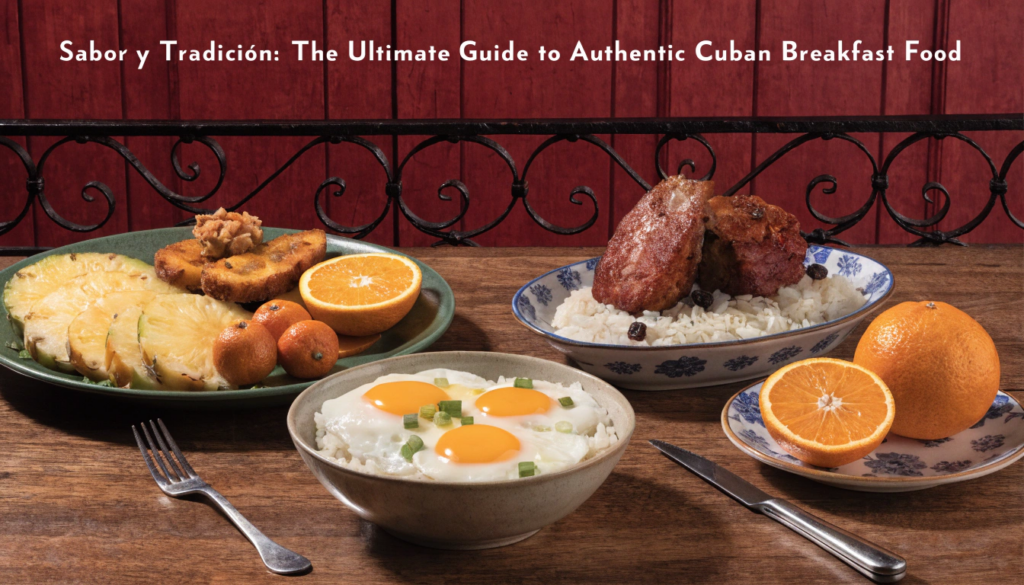
The crust shattered. The butter soaked into every air pocket. And when I dunked that toast into the café con leche—sweet, scalded, strong enough to wake the dead—something shifted. Breakfast stopped being a checklist. It became a handshake. A welcome. A quiet apology for every cold Pop-Tart you’ve ever eaten standing over the sink.
That’s what Cuban breakfast food does. It doesn’t rush you. It doesn’t apologize for being simple. And by the time you finish reading this, you’ll know exactly how to build that same warmth in your own kitchen—no plane ticket required.
What Defines Authentic Cuban Breakfast Food? (The Core Ingredients)
Let’s clear something up right now. Cuban breakfast is not the American bacon-and-eggs platter. It’s also not the Continental pastry-and-jam situation. What you’re looking at is a beautiful, unapologetic mashup of remaining dinner proteins, aggressive espresso, and bread that refuses to be ignored.
If you grew up thinking breakfast means sweet or savory but never both, prepare to unlearn that.
The Three Unbreakable Rules
- Leftovers are not optional. Cubans have historically been resourceful. That lechón from last night’s dinner? It’s tomorrow’s breakfast sandwich.
- Coffee must hurt a little. Not literally, but close. Cafecito is tiny, sweet, and potent enough to replace your alarm clock.
- Bread gets crushed. Literally. Cuban bread is pressed flat before grilling. You’re not eating an airy croissant. You’re eating something that fights back.
According to Ana Sofía Peláez’s The Cuban Table, the island’s morning meals are a direct mashup of Spanish cattle ranchers’ early protein, African plantains, and Caribbean tropical fruits. You’re tasting centuries of migration in every bite.
On average, a Cuban adult drinks between two and four small coffees before noon. That’s not a suggestion. That’s survival in tropical humidity.
Your New Pantry Shortlist
Here’s what you’ll need to cook like a cubana abuela on a Tuesday morning:
- Pan Cubano – flour, lard, salt, yeast. No substitutes if you can help it, but we’ll talk swaps later.
- Cafecito fixings – dark roast espresso, raw sugar (or white sugar if that’s all you have)
- Butter or lard – this is not the place for margarine
- Ripe avocados – the soft, creamy kind, not the waxy “healthy” ones
- Plátanos maduros – sweet plantains with blackened spots
- Garlic and limes – you’ll use these constantly
The Holy Trinity of Cuban Breakfast Food: Bread, Coffee & Butter
You cannot understand this cuisine without understanding the toast. Call it tostada. Call it a miracle. Call it whatever you want, but you need to make it yourself at least once.
How to Make La Tostada (Without Leaving Your House)
Take one piece of Cuban bread—long, soft inside, crackly outside. Slice it lengthwise. Smash it with the flat side of a knife or the bottom of a skillet. You’re not being violent. You’re being traditional.
Now butter it. Not a schmear. A layer. Then throw it on a hot plancha (or a cast-iron pan) butter-side down. Press it with something heavy. Let it sit until the edges go dark gold and the butter bubbles into the crumb.
When you pull it off, it should be flat, crisp, and slightly greasy in the best way.
Here’s how to order one like you belong there:
- “Una tostada, media noche” – pressed longer, darker, almost crunchy
- “Con mantequilla solo” – butter only, the original way
- “Con mantequilla y mermelada” – tourist style (no judgment, but also no authenticity points)
Two Coffees. Two Moods.
| Coffee Type | What’s In It | When You Drink It |
|---|---|---|
| Cafecito | 1 oz espresso + 2 tsp sugar (whipped into a foam called espuma) | Standing at a counter before work, talking to no one |
| Café con Leche | 1 part espresso + 2 parts scalded whole milk + sugar to taste | Sitting down, slowly, while your toast gets cold |
Historical note from the Cuban Coffee Society: espresso machines arrived from Italy in the early 1900s and were immediately adopted by Cuban workers who needed something stronger than American drip. They never looked back.
Your move: Skip the drive-through latte tomorrow. Pull out a moka pot. Scald your own milk. Stir sugar into the espresso until it forms a light tan foam on top. Pour the milk over it. Now dip your toast. Now understand what you’ve been missing.
Beyond Toast – Savory Cuban Breakfast Dishes You Need to Try
Okay, you’ve mastered the coffee and toast. But that’s just the opening act. Real Cuban breakfast flexes hard with protein, sauce, and zero apologies.
These are not “brunch” dishes. These are “I have things to do today and I need a pork foundation” dishes.
4 Savory Morning Meals That Change Everything
1. Huevos Habaneros (Havana-Style Eggs)
You poach or fry eggs directly into a bubbling criollo sauce—tomatoes, onions, garlic, bell peppers, cumin. The sauce does the heavy lifting. Then you spoon everything over leftover black beans and rice. It’s ugly. It’s gorgeous. It costs about two dollars to make.
2. Bistec de Palomilla a la Plancha
Think of this as the Cuban steak-and-eggs. Thin top sirloin gets marinated in garlic, sour orange juice, and parsley. Grilled fast. Topped with a fried egg. Served next to tostones (those twice-fried green plantains that shatter when you bite them). You will not need lunch.
3. Pan con Lechón
This is what happens after a holiday party. Slow-roasted mojo pork—garlic, cumin, sour orange—piled onto leftover bread with crispy pork skin if you’re lucky. Common on December 26th or any morning after a wedding. No reheating required. Eat it cold or room temperature.
4. Masa de Cerdo Frita con Cebolla
Fried pork chunks. Sautéed onions. A splash of sour orange. That’s it. Cubans treat this like breakfast bacon, except it’s richer, saltier, and takes about fifteen minutes if you have leftover roasted pork. Fry it in the same pan you used for the eggs. Let the flavors fight.
According to research from Cuba’s Paladares (the family-run restaurants that popped up in homes during the 1990s economic crisis), most of these dishes exist because nothing went to waste. Last night’s pork became this morning’s masita. That leftover steak? Fried egg on top. You’re not being fancy. You’re being smart.
The Sweet Side – Tropical Fruits & Dessert-Like Breakfasts
Not every Cuban morning is about pork and garlic. Sometimes you wake up and want something softer. That’s where the fruit platters come in.
A plato de frutas in Cuba isn’t a sad hotel buffet with pale cantaloupe. It’s a riot of color and sugar.
Fruits you’ll actually find:
- Mamey – tastes like sweet potato pie filling crossed with pumpkin and honey. Creamy. Orange. Unforgettable.
- Guayaba – guava paste or fresh. Floral, sweet, slightly funky.
- Piña – pineapple so ripe it almost ferments on your tongue.
- Papaya – served with a lime squeeze to cut the cloying sweetness.
- Plátanos Maduros – plantains cooked until the sugars caramelize and the edges go jammy.
When Breakfast Pretends to Be Dessert
Pan con Guayaba y Queso is your new favorite shortcut. Cuban bread. Guava paste. Slices of mild white cheese (think queso blanco or even mozzarella in a pinch). Press it warm. Eat it next to your cafecito. The sweet-and-salty combo will rewire your brain.
Arroz con Leche for breakfast sounds weird until you’ve done it. Cold rice pudding from the night before. Cinnamon dusted on top. Spoon straight from the bowl while you pack your bag for work. Cubans have been doing this forever. It’s not lazy. It’s efficient.
Step-by-Step – How to Build Your Own Cuban Breakfast Platter at Home
You don’t need a paladar or a plane ticket. You need fifteen minutes and a willingness to butter things aggressively.
The 15-Minute “Little Havana” Morning
Shopping list (with realistic swaps):
- Cuban bread → Italian hoagie roll or Portuguese roll (look for something with a crackly crust)
- Mojo garlic oil → three cloves garlic, olive oil, 2 tbsp orange juice, 1 tbsp lime juice
- Cafecito beans → any dark espresso roast + a moka pot
- Queso blanco → fresh mozzarella or even salted farmer’s cheese
Step by step, no fluff:
- Split your roll lengthwise. Smash it with the bottom of a heavy pan. You want the air pushed out.
- Butter the cut sides. Heat a cast-iron skillet to medium. Place bread butter-side down. Press with another pan. Wait two to three minutes until golden and flat.
- While the bread crisps, heat mojo oil (or your garlic-citrus mix) in a small pan. Fry one egg per person. Baste it with the oil until the edges lace and brown.
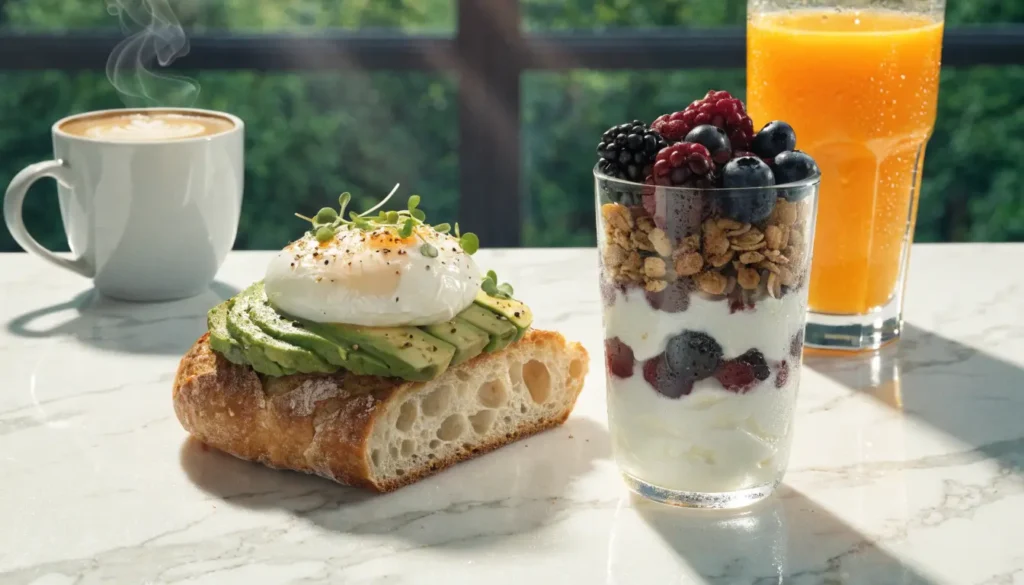
- Slice half an avocado per person. Sprinkle with salt and a squeeze of lime.
- Brew your café con leche in the moka pot. Scald your milk separately. Combine.
- Plate everything: toast on the side, egg draped over avocado, coffee in a large warmed mug.
Here’s where you break the rules: Dip the toast into the egg yolk. Then dip that same toast into the coffee. Do it. The yolk and the sweet milk collide into something illegal in seven states. You’re welcome.
Frequently Asked Questions (FAQ) About Cuban Breakfast Food
Q1: Is Cuban breakfast food very different from other Latin American breakfasts?
Absolutely. Mexican breakfast leans hard on tortillas, salsa, and refried beans. Colombian breakfast often involves hot chocolate and cheese bread (almojábanas). But Cuban breakfast food focuses on bread, espresso, butter, and leftovers from dinner. Rice and beans show up more at lunch. Think of Cuban mornings as the minimalist, European-influenced cousin who drinks espresso standing up.
Q2: What’s the most popular Cuban breakfast food for kids?
Galletas de soda—saltine crackers. You smash them directly into a bowl of café con leche with a spoonful of sugar. Then you eat it with a spoon, like cereal. On the side? Sweet plantains. It’s cheap. It’s warm. It keeps a five-year-old full until noon.
Q3: Where can you find authentic Cuban breakfast food in the US?
Look for family-owned ventanitas. These are walk-up windows with no indoor seating, just a standing bar and maybe a shoe-shine chair. Miami’s Calle Ocho is the capital, but you’ll also find them in Tampa’s Ybor City, Union City (New Jersey), and parts of Chicago. If there’s no stool and no menu larger than a napkin, you’re in the right place.
Q4: Can you make Cuban breakfast food ahead for meal prep?
Partially. You can slow-cook mojo pork on Sunday and keep it in the fridge. You can make black beans in bulk. But tostada loses its crunch within ten minutes—that’s a morning-of move. And cafecito should never touch a thermos. Brew it fresh. Toast it last. Eat it immediately.
Conclusion – More Than a Meal, It’s a Morning Ritual
Here’s what you actually take away from this.
Cuban breakfast food isn’t fancy. It’s not paleo or keto or whatever the app told you to eat this week. It’s butter on bread and coffee with sugar and yesterday’s pork if you’re lucky. And that’s the whole point.
You’ve been told that breakfast should be quick, clean, and forgettable. Cuban mornings reject all of that. They ask you to stand at a counter. To dip toast into sweet milk. To fry an egg in garlic oil and eat it standing over the stove before anyone else wakes up.
So here’s your call to action—and yes, it’s a real one.
Tomorrow morning, do this: Skip the protein bar. Ignore the cold brew in the fridge. Buy one loaf of crusty bread, one head of garlic, one lime, one ripe avocado, and the darkest coffee you can find. Burn the butter. Scald the milk. Eat slowly. And when you take that first bite of toast dipped in café con leche, think about that old woman in Havana who handed me a paper plate and changed everything.
Then come back here and tell me how it went. Did you burn the toast? Did you add too much sugar? Did you finally understand what I meant?
You’ve got this. Now go make some noise in your kitchen.