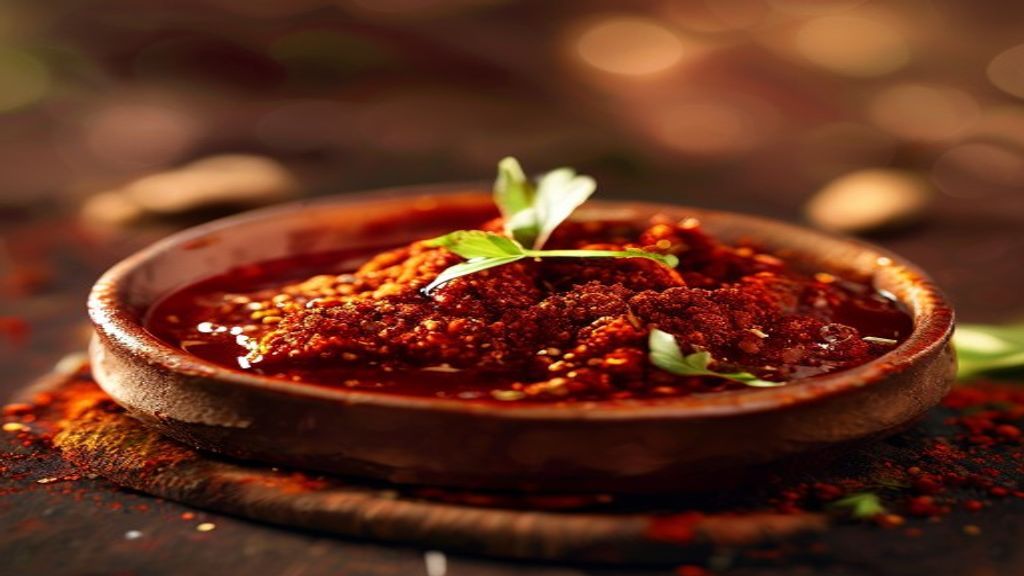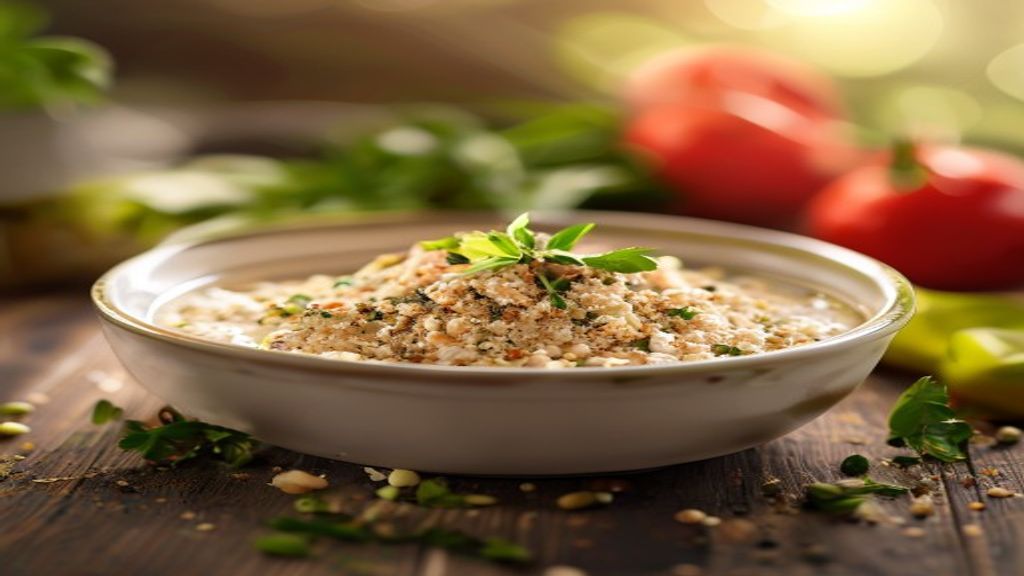
I spent years buying those dusty little tins until I realized the sage in my pantry had more life in it than anything on the supermarket shelf. This homemade poultry seasoning recipe focuses on the precise ratio of nutmeg and celery salt to mimic high-end store-bought blends while ensuring the herbs are ground to the perfect consistency. You’ll find that a small pinch transforms a plain bird into something truly special. The finished seasoning is a finely ground, aromatic powder with a vibrant green and earthy brown hue.
Quick Answer: Homemade poultry seasoning recipe is a simple blend of dried sage, thyme, marjoram, rosemary, nutmeg, celery salt, and black pepper. It provides a balanced, earthy flavor profile that enhances the natural taste of roasted chicken, turkey, and savory stuffing dishes.
Most store-bought versions sit on shelves for months, losing that sharp, bright punch of dried herbs. By grinding your own, you release the essential oils right before you use them, creating a potent herbal fragrance that fills the kitchen. It’s the difference between a flat, muted roast and one that smells like a holiday feast. If you’re planning a whole roasted chicken, this blend is your best friend.

Ingredients
I always grab the Penzeys brand for my dried sage because the color is vibrant and it actually smells like something when you open the jar.
- 2 tablespoons dried rubbed sage
- 1 tablespoon dried thyme
- 1 tablespoon dried marjoram
- 1 tablespoon dried rosemary
- 1 teaspoon dried nutmeg
- 1 teaspoon celery salt
- 1/2 teaspoon black pepper
Before You Start
You might be tempted to toss in some dried parsley to make the blend look prettier, but don’t bother. It just turns into flavorless green confetti that doesn’t add anything to the roast. If you find yourself needing to adjust the salt levels for a low-sodium diet, you can swap the celery salt for plain celery seed. Just keep in mind that you’ll lose that specific savory punch, so you might want to add a tiny pinch of onion powder to compensate. This blend is the foundation for a solid homemade poultry seasoning recipe, but it relies on the quality of your dried herbs. If your rosemary has been sitting in the back of the pantry since 2019, it’s going to taste like dust. Toss it and buy fresh jars before you start mixing.
How to Blend Your Own Herb Mix
Prep: 5 mins · Cook: 0 mins · Total: 5 mins · Serves: 12 servings
Step 1: Prepare your workspace
Grab a small bowl or a clean spice grinder to hold your ingredients. You’ll want to ensure everything is bone-dry because any lingering moisture will cause the herbs to clump together. Avoid using a large mixing bowl for this small volume, as the herbs will just get lost in the bottom and make it harder to combine them evenly.
Step 2: Grind the rosemary
I learned the hard way that leaving rosemary needles whole makes for a prickly, woody experience that ruins the texture of your bird. Use your grinder to break those needles down until they look like a coarse dust. You should see the texture transform from sharp, individual spikes into a uniform, soft powder that won’t distract from the meat.
Step 3: Combine the dry herbs
Toss the rubbed sage, thyme, and marjoram into the grinder with your rosemary powder. Add the nutmeg, celery salt, and black pepper on top. If you’re looking for tips on how to properly store your dry spices, this is a good time to make sure your jars are ready to go.
Step 4: Pulse into a uniform blend
Give the mixture a few quick pulses until the color looks like a consistent, vibrant green and earthy brown blend. Listen for the sound of the grinder change from a clattering of leaves to a softer, muffled hum as the herbs break down. It shouldn’t take more than a few seconds to reach that fine, consistent texture.
Step 5: Check the aroma
Take a deep breath over the grinder. You should notice the initial sharp, piney edge of the rosemary has softened significantly, allowing the warm, nutty notes of the nutmeg to come forward. If it still smells too aggressive, give it one more quick spin to ensure the oils are fully released and integrated.
Step 6: Store the seasoning
Pour your finished mix into a small glass jar and seal it tightly. Keeping it away from direct light and heat will help maintain that potent, fresh fragrance for months. When you’re ready to use it, you’ll find that rubbing it onto poultry skin releases a deep, savory aroma that really sets the stage for a great meal.
Troubleshooting
| Problem | Cause | Solution |
|---|---|---|
| Mix tastes too salty | Too much celery salt | Add a pinch more dried sage to balance the flavor |
| Gritty texture | Rosemary not ground enough | Pulse the mixture for a few more seconds |
| Clumpy powder | Moisture in the jar | Ensure the jar is bone-dry before storing |
Tips for Getting It Right
If you find the aroma is a bit too intense, try letting the blend sit in the jar for twenty-four hours before using it. This allows the oils from the dried thyme and marjoram to mellow out and marry properly. You’ll find that the flavors become much more cohesive after a little rest.
Always check your dried herbs for age before you start. If your sage or rosemary has been sitting in the back of your pantry for years, it won’t have the punchy, vibrant scent you need. When you open the jar, it should smell like a garden; if it smells like nothing, it’s time to refresh your supply.
Variations Worth Trying
If you want a bolder, more peppery kick for your roast, increase the black pepper by another half teaspoon. It adds a nice warmth that cuts through the richness of the meat. Just be careful not to go overboard, or you’ll lose the subtle floral notes of the marjoram.
For a version that leans into the earthy side, you can double the amount of dried thyme. It creates a deeper, woodier base that works wonders on darker cuts of meat. You can learn more about balancing spice ratios if you want to experiment with these amounts further.
Frequently Asked Questions
What is in poultry seasoning?
It is a blend of dried sage, thyme, marjoram, rosemary, nutmeg, celery salt, and black pepper. These specific herbs provide that classic, savory profile associated with holiday roasts.
How do you make homemade poultry seasoning?
You combine all the dried ingredients in a grinder and pulse them until they reach a fine, uniform powder. It’s a quick process that ensures you get a consistent flavor in every bite.
Can I substitute poultry seasoning for dried sage?
You can, but keep in mind that this blend contains other strong herbs like rosemary and thyme. It will add a much more complex, layered flavor than using sage alone.
How long does homemade poultry seasoning last?
If you keep it in a tightly sealed glass jar away from heat and light, it will stay potent for about six months. After that, the oils start to fade and the aroma won’t be as vibrant.
This version focuses on the precise ratio of nutmeg and celery salt to mimic high-end store-bought blends while ensuring the herbs are ground to the perfect consistency for even distribution.
Main Ingredients
- 2 tablespoons dried rubbed sage
- 1 tablespoon dried marjoram
- 1 tablespoon dried rosemary
Seasonings & Extras
- 1 tablespoon dried thyme
- 1 teaspoon dried nutmeg
- 1 teaspoon celery salt
- 1/2 teaspoon black pepper
- Step 1: Gather a clean, dry spice grinder or a mortar and pestle and a small airtight glass jar.
- Step 2: Process the dried rosemary needles until they reach a fine, powdery consistency.
- Step 3: Add the sage, thyme, marjoram, nutmeg, celery salt, and black pepper to the ground rosemary.
- Step 4: Briefly process the mixture until all herbs are finely ground and fully incorporated.
- Step 5: Open the grinder and verify the scent is balanced and herbal.
- Step 6: Transfer the blend into an airtight glass jar and keep it in a cool, dark place.