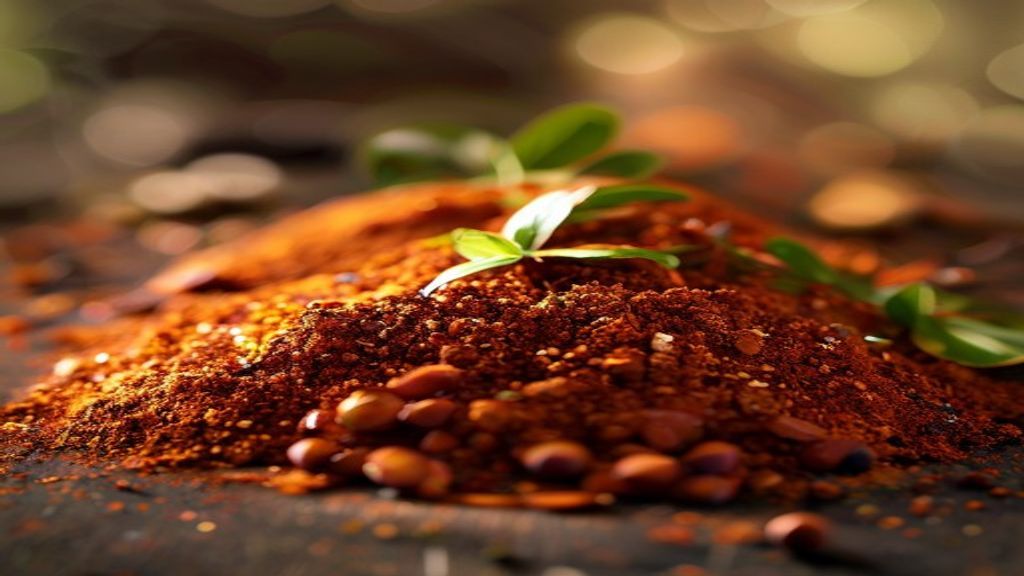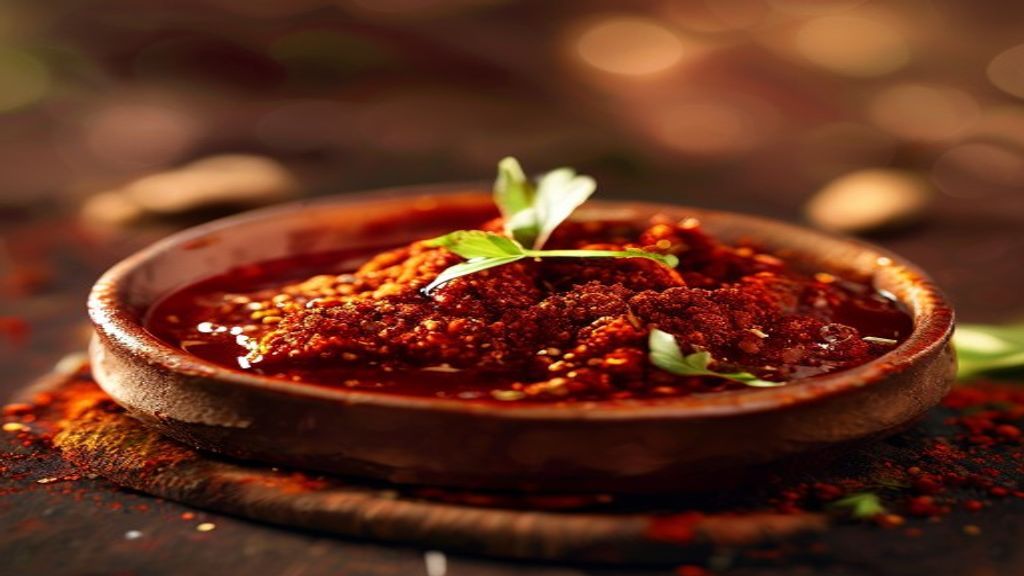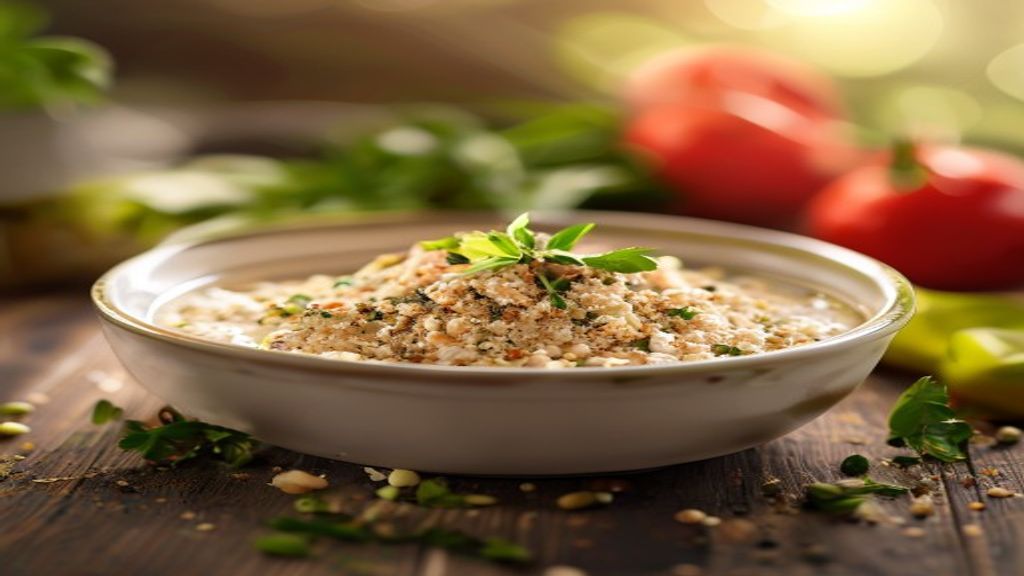
I used to think curry powder was just a dusty yellow jar hiding in the back of my pantry until I toasted whole coriander seeds for the first time. This homemade curry powder recipe uses a precise toasting technique to force essential oils through hard outer shells, turning a flat blend into something that actually hums with life. You’ll find the finished powder has a vibrant, uniform golden-yellow to deep ochre color. It carries a highly fragrant, pungent aroma that fills the entire room.
Quick Answer: Homemade curry powder is made by lightly toasting whole coriander seeds, cumin seeds, mustard seeds, fenugreek, and peppercorns in a dry pan until fragrant. Once cooled, grind them into a fine powder and mix with turmeric, ginger, cinnamon, cloves, and cardamom.
Most store-bought versions sit on shelves for months, losing the volatile oils that give spices their character. By applying heat yourself, you wake up the dormant oils in the seeds, resulting in a fine, powdery texture that tastes fresh and alive. If you want to learn how to store your spices, you can keep this blend potent for weeks.
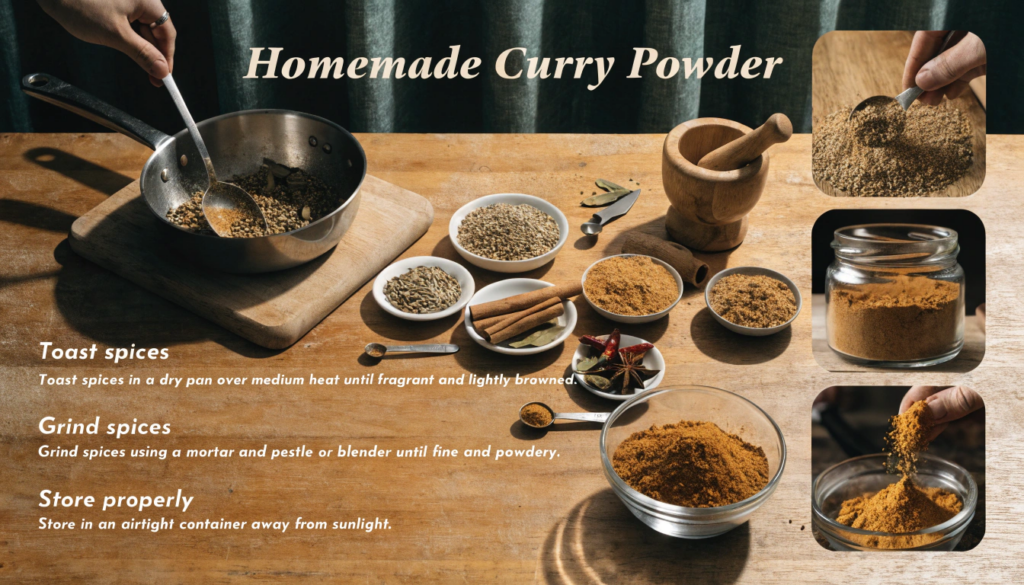
Ingredients
I always grab whole coriander seeds from the bulk bins at my local co-op because they stay potent for months longer than anything sitting in a plastic jar on a grocery store shelf.
Whole Seeds
- 1/2 cup coriander seeds
- 1/4 cup cumin seeds
- 2 tablespoons yellow mustard seeds
- 1 tablespoon fenugreek seeds
- 1 tablespoon black peppercorns
Ground Spices
- 2 tablespoons turmeric powder
- 1 tablespoon ground ginger
- 1 teaspoon ground cinnamon
- 1/2 teaspoon ground cloves
- 1/2 teaspoon ground cardamom
Before You Start
Don’t bother with pre-ground seeds for this homemade curry powder recipe; they’ve already lost their volatile oils, so you’re just mixing dust that won’t give you that deep, rounded warmth. If you’re missing fenugreek, you can swap it for a pinch of yellow mustard seeds, but be aware that you’ll lose that signature maple-like bitterness that balances the heat. You should check your pantry for fresh, high-quality spices before you begin. If you only have ground ginger instead of fresh, it works fine, but the final blend will be slightly less punchy. Stick to the whole seeds for the base, as they provide the structural backbone of the blend.
How to Toast and Blend Your Own Spice Mix
Prep: 5 mins · Cook: 5 mins · Total: 10 mins · Serves: 1 cup
Step 1: Prepare the pan
Use a large skillet so the seeds have plenty of room to spread out in a single layer. If you crowd the pan, the seeds will steam instead of toasting, which ruins the texture. I prefer using a cast-iron skillet because it holds heat evenly, but any sturdy stainless steel pan works fine.
Step 2: Toast the whole seeds
Keep the heat low and stay right at the stove. You’ll see the seeds shift from a dull matte finish to a slightly darker, glossy shade as they heat up. Listen for the coriander seeds to start making a faint, rhythmic clicking sound against the metal. Once the air feels heavy with a sharp, earthy scent, pull the pan off the burner immediately to stop the cooking process.
Step 3: Cool the mixture
Don’t leave the seeds in the hot pan, or they’ll keep cooking and turn bitter. Spreading them out helps them lose heat quickly. You should wait until they are cool to the touch before moving to the next step, as grinding warm seeds can create a gummy paste instead of a fine powder.
Step 4: Grind the spices
If you don’t have a dedicated spice grinder, a clean coffee grinder works perfectly. Pulse the machine in short bursts rather than running it continuously. This prevents the friction from heating up the oils in the seeds, which keeps the final blend fresh and potent for longer.
Step 5: Combine with ground spices
I like to sift these together through a fine-mesh strainer to ensure there are no clumps. The turmeric will turn the whole mixture a brilliant, deep gold. If you’re looking for ways to use this, check out my guide to basic curry techniques to see how the flavors bloom in hot oil.
Step 6: Store the blend
Light and heat are the enemies of ground spices, so a dark pantry is best. When you open the jar, you should be hit with a punchy, complex aroma that feels much brighter than anything from a store-bought tin. It’ll stay fresh for about three months if you keep the lid tight.
Troubleshooting
| Problem | Cause | Solution |
|---|---|---|
| Gritty texture | Incomplete grinding | Pulse longer in short bursts |
| Bitter aftertaste | Over-toasted seeds | Discard and start over |
| Clumpy powder | Moisture in storage | Add a silica packet to the jar |
Tips for Getting It Right
If you find your spice blend lacks that punchy, vibrant aroma, you likely didn’t toast the seeds long enough to release their essential oils. Watch the coriander seeds closely; when they shift from matte to glossy, they are ready. If you’re struggling to get a consistent grind, try learning how to properly store your spices to ensure your seeds aren’t stale before you even start.
Always let the seeds reach room temperature before you hit the pulse button on your grinder. If you rush this, the heat from the friction will turn your dry spices into a thick, oily paste. It’s a frustrating mistake that’s easy to avoid if you just walk away for five minutes while they cool.
Variations Worth Trying
For a warmer, more aromatic profile, you can increase the ground cinnamon by a half-teaspoon. It adds a subtle sweetness that balances the sharp bite of the black peppercorns. If you prefer a more intense, earthy heat, try doubling the amount of ground ginger. Just be sure to stir it in thoroughly after you’ve finished grinding the whole seeds so it distributes evenly through the golden turmeric base.
Frequently Asked Questions
How do you make curry powder from scratch?
You start by toasting the whole seeds in a dry skillet until they are fragrant. Once they cool down, you grind them into a fine powder and mix in the ground spices like turmeric, ginger, cinnamon, cloves, and cardamom.
What are the main ingredients in curry powder?
The foundation relies on coriander seeds, cumin seeds, and yellow mustard seeds. Turmeric provides the signature golden color, while fenugreek and black peppercorns add the necessary depth and heat.
Is homemade curry powder better than store bought?
Absolutely. When you toast the seeds yourself, you unlock a level of freshness and complexity that pre-ground tins simply can’t match. You will notice the difference the moment you open your storage jar.
How long does homemade curry powder last?
It stays fresh for about three months if you keep it in an airtight container away from light and heat. If it loses its pungent aroma before then, it’s time to whip up a fresh batch.
This recipe focuses on the precise toasting technique that unlocks essential oils in whole seeds, providing a depth of flavor store-bought pre-ground powders cannot match.
Main Ingredients
- 1/2 cup coriander seeds
- 2 tablespoons yellow mustard seeds
- 2 tablespoons turmeric powder
- 1 tablespoon fenugreek seeds
- 1 tablespoon ground ginger
- 1/2 teaspoon ground cardamom
Seasonings & Extras
- 1/4 cup cumin seeds
- 1 tablespoon black peppercorns
- 1 teaspoon ground cinnamon
- 1/2 teaspoon ground cloves
- Step 1: Grab a wide, heavy-bottomed skillet and place it on your stove over medium-low heat.
- Step 2: Add the coriander, cumin, mustard, fenugreek, and peppercorns to the dry pan and toast, stirring constantly.
- Step 3: Pour the toasted seeds onto a cold plate or baking sheet to cool down completely.
- Step 4: Transfer the cooled seeds to a spice grinder and process until you have a fine, uniform powder.
- Step 5: Whisk the freshly ground seeds with the turmeric, ginger, cinnamon, cloves, and cardamom in a small bowl.
- Step 6: Transfer your finished spice mix into an airtight glass jar and keep it in a cool, dark cupboard.