I spent an entire afternoon trying to recreate the jerk chicken from a roadside stand in Montego Bay, only to realize the store-bought jars were just salty dust. This homemade jerk seasoning recipe focuses on the raw, aggressive punch of fresh scotch bonnet peppers and scallions blended into a thick, clinging paste. You’ll finally capture that deep, smoky heat that stays on your tongue. The final result is a finely ground, vibrant, dark-red paste with a potent, spicy aroma and a balanced, earthy finish.
Quick Answer: Homemade jerk seasoning relies on the combination of fresh scotch bonnet peppers, aromatic scallions, and ground allspice. Blending these ingredients into a paste allows the flavors to penetrate deeply, creating the signature spicy, earthy, and complex profile of traditional Jamaican cuisine.
Most store-bought versions rely on dried powders that just sit on the surface of the meat. By blending fresh aromatics, you get a paste that coats every inch of your protein. If you need tips for choosing the best chicken cuts to pair with this, I have a few thoughts. This method ensures the seasoning stays put and develops a deep, complex character.
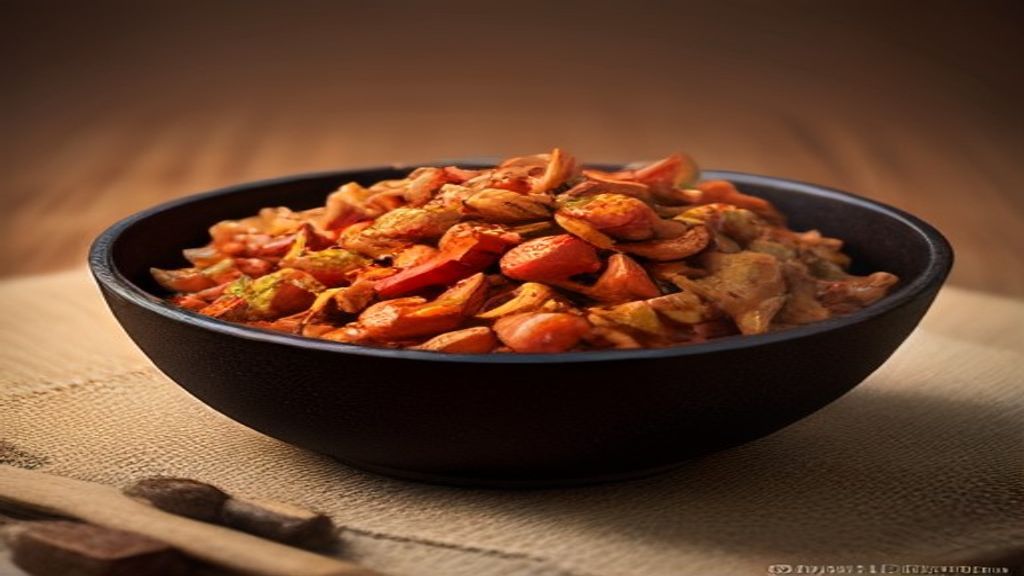
Ingredients
I always grab the freshest thyme I can find at the market because the woody stems add a depth that dried herbs just can’t touch.
The Aromatics and Heat
- 1/2 cup chopped scallions
- 4 scotch bonnet peppers, stemmed and seeded
- 3 cloves garlic, minced
- 2 tablespoons fresh thyme leaves
The Spices and Liquids
- 2 tablespoons ground allspice
- 1 tablespoon brown sugar
- 1 tablespoon kosher salt
- 1 teaspoon ground ginger
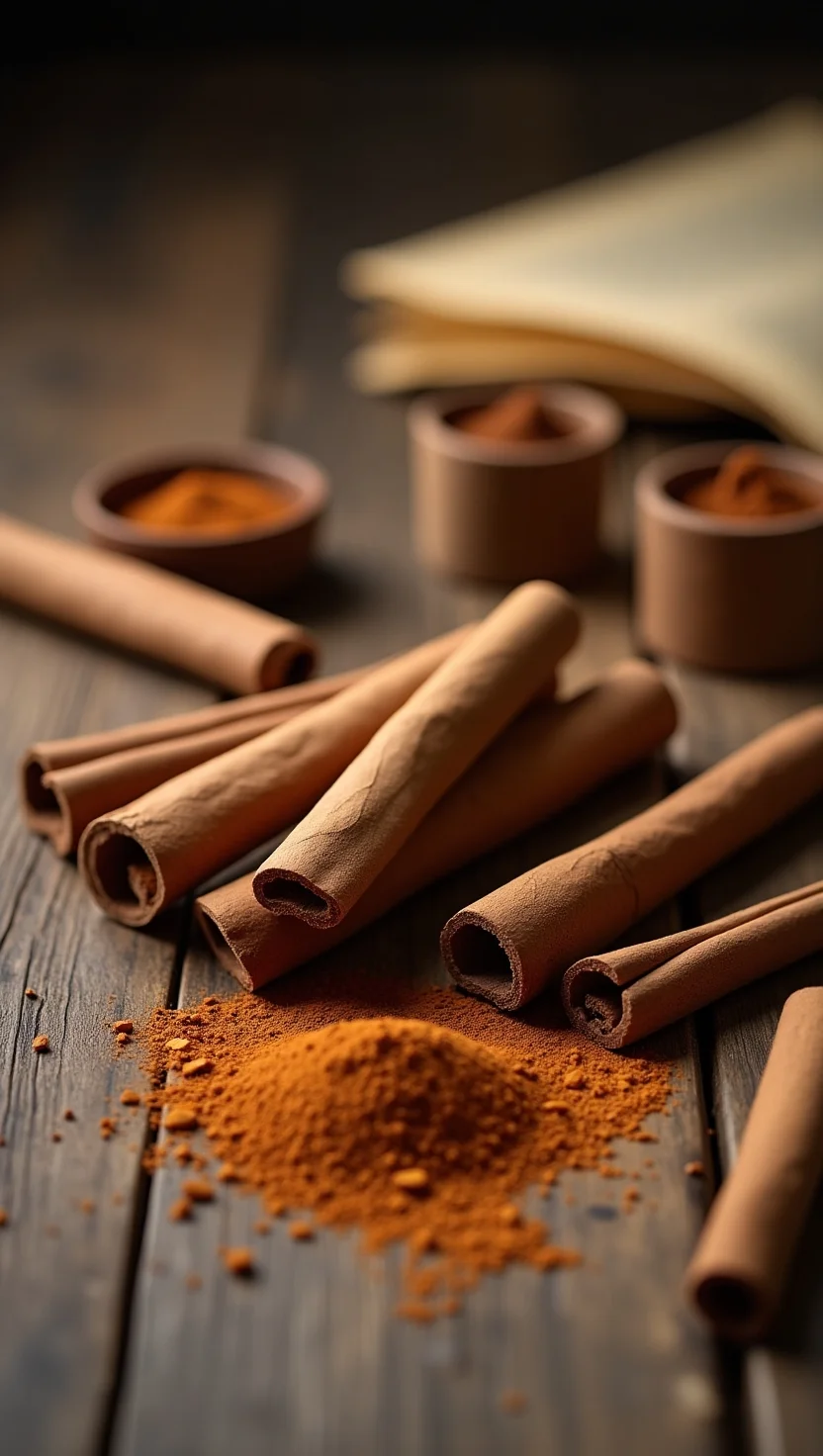
- 1 teaspoon ground cinnamon
- 1/2 teaspoon ground nutmeg
- 2 tablespoons soy sauce
- 1 tablespoon vegetable oil
Before You Start
When you’re blending the scotch bonnets and ginger, the air in your kitchen gets sharp and heavy; it should sting your nose just a little bit, which is how you know the heat is going to be legit. Don’t bother with habaneros if you can find scotch bonnets, because habaneros have a weird, floral aftertaste that just doesn’t belong in a proper [homemade jerk seasoning recipe](https://example.com/jerk-marinade-guide → jerk chicken preparation). If you absolutely can’t find scotch bonnets, use habaneros, but know that the final flavor will lean more toward a soapy floral note than the authentic, fruity heat you want. Make sure you wear gloves while handling the peppers, or you’ll regret it the second you touch your eyes.
Putting Together Your Caribbean Spice Blend
Prep: 15 mins · Cook: 0 mins · Total: 15 mins · Serves: 1 cup
Step 1: Prepare your workspace
Since this is a blended paste, you’ll want to make sure your food processor bowl is clean and dry. I usually grab a small glass jar or a plastic container to store the finished product, so have that ready nearby. Don’t worry about preheating anything here, as this is a raw blend that relies on the intensity of fresh aromatics rather than heat to develop its character.
Step 2: Process the aromatics
Pulse the ingredients until they break down into a coarse, chunky consistency. You’ll see the vibrant green of the scallions and thyme start to release their oils, creating a bright, grassy visual. Be careful when you open the lid, as the volatile oils from the peppers will be quite potent and can easily irritate your eyes if you lean in too close.
Step 3: Incorporate the dry spices
Measure these carefully so the allspice doesn’t overwhelm the other notes. I’ve learned the hard way that too much allspice makes the final result taste like a dusty spice cabinet, so stick to the exact measurements. The brown sugar helps balance the heat, while the salt draws out the juices from the scallions to help everything emulsify into a cohesive paste.
Step 4: Emulsify with liquids
The liquid acts as the bridge that turns these individual components into a spreadable, dark-red paste. As you process, watch for the texture to change from a grainy mixture to a uniform, thick consistency that clings to the spatula. If you’re looking for tips on how to use this marinade, this is the point where you’d stop and check the consistency.
Step 5: Adjust and store
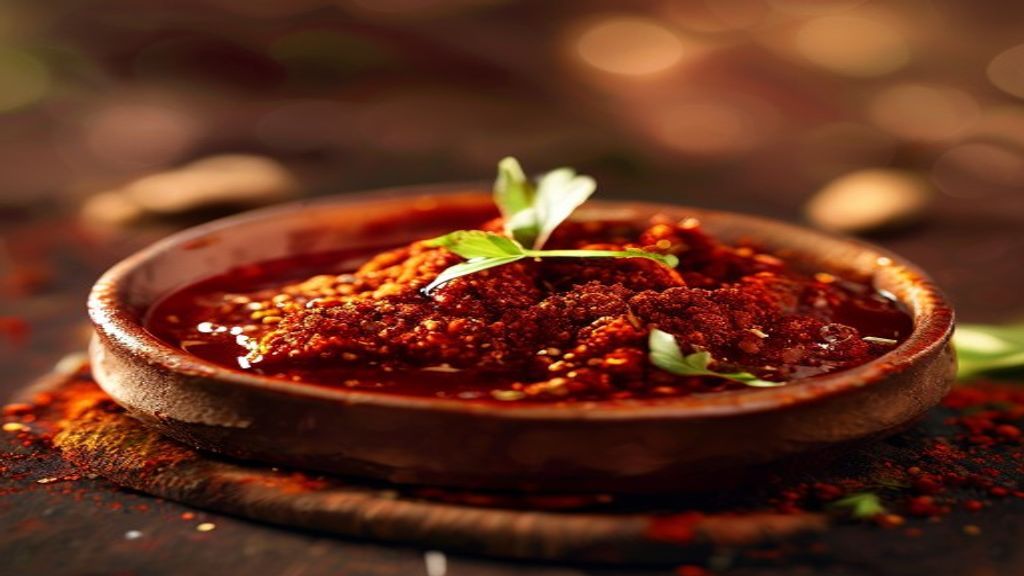
Take a look at the color; it should be a deep, rich red that looks almost like a thick chutney. The aroma should be complex, hitting you with the warmth of the cinnamon and nutmeg followed by the sharp, lingering heat of the peppers. Transfer the mixture into your jar, pressing it down to remove any large air pockets before sealing it tight.
Troubleshooting
| Problem | Cause | Solution |
|---|---|---|
| Paste is too thin | Too much oil or soy sauce | Add more scallions or thyme to thicken |
| Flavor is one-note | Not enough allspice or ginger | Pulse in a pinch more of each |
| Too salty | Over-measured kosher salt | Add a bit more brown sugar to balance |
Tips for Getting It Right
- When you’re prepping the scotch bonnet peppers, keep your hands away from your face. I usually wear thin gloves because those oils linger on your skin for hours, and you really don’t want to accidentally rub your eyes after handling them.
- If your food processor is struggling to catch the small amount of thyme and garlic, stop and scrape down the sides with a spatula. You need everything to hit the blades evenly so you get that uniform, thick consistency that clings to the meat.
- Important tip: Since this blend contains fresh garlic and scallions, don’t leave it sitting out on the counter. It needs to go straight into the fridge to keep the aromatics fresh and safe for later use.
Variations Worth Trying
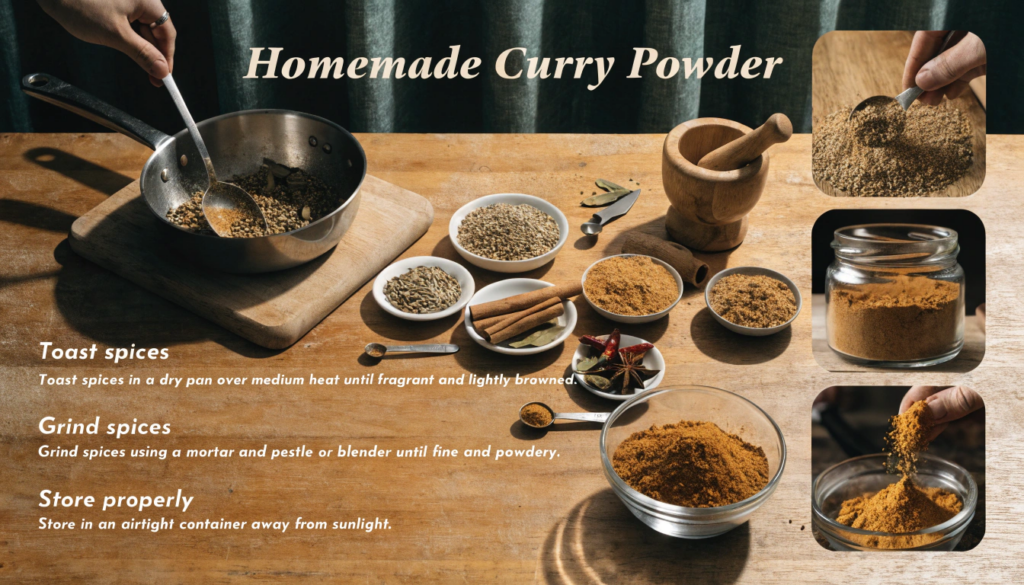
- For a deeper, more caramelized finish, you can toast the allspice berries in a dry pan before grinding them. Just be careful not to let them burn, as they turn bitter in seconds; once they are fragrant, let them cool completely before adding them to your mix.
- If you want a brighter, more citrus-forward profile, you can increase the amount of fresh thyme leaves. It cuts through the heat of the peppers and makes the final result feel a bit lighter, which is great if you’re learning how to balance spice in marinades.
Frequently Asked Questions
What are the main ingredients in authentic jerk seasoning?
The base is all about the combination of fresh scallions, scotch bonnet peppers, and thyme. These provide the grassy, spicy foundation, while the allspice, cinnamon, and nutmeg give it that signature earthy warmth.
How long does homemade jerk seasoning last in the fridge?
It stays fresh for about two weeks if you keep it in a tightly sealed glass jar. I always press the paste down to remove air pockets, which helps it stay vibrant and prevents it from oxidizing too quickly.
Can I substitute scotch bonnet peppers in jerk seasoning?
You can, but you’ll lose that specific fruity heat that defines the dish. If you absolutely have to swap them, use a pepper with a similar heat level, but know that the flavor won’t be quite the same as the original.
Is jerk seasoning supposed to be a dry rub or a paste?
It is definitely meant to be a wet, thick paste. The liquid from the soy sauce and oil, combined with the moisture in the scallions, creates a marinade that coats the meat thoroughly, which is essential for achieving a good crust.
This version focuses on the precise balance of fresh aromatics versus dried spices to achieve a paste consistency that adheres perfectly to meat without burning.
Main Ingredients
- 1/2 cup chopped scallions
- 1 teaspoon ground ginger
Seasonings & Extras
- 4 scotch bonnet peppers, stemmed and seeded
- 2 tablespoons fresh thyme leaves
- 2 tablespoons ground allspice
- 1 tablespoon brown sugar
- 1 tablespoon kosher salt
- 1 teaspoon ground cinnamon
- 1/2 teaspoon ground nutmeg
- 3 cloves garlic, minced
- 2 tablespoons soy sauce
- 1 tablespoon vegetable oil
- Step 1: Gather a medium-sized food processor and a rubber spatula for scraping down the sides.
- Step 2: Combine the scallions, scotch bonnet peppers, garlic, and thyme in the processor bowl.
- Step 3: Add the allspice, ginger, cinnamon, nutmeg, brown sugar, and kosher salt to the processor.
- Step 4: Pour in the soy sauce and vegetable oil, then process until smooth.
- Step 5: Scrape down the sides of the bowl and give it one final, quick spin.