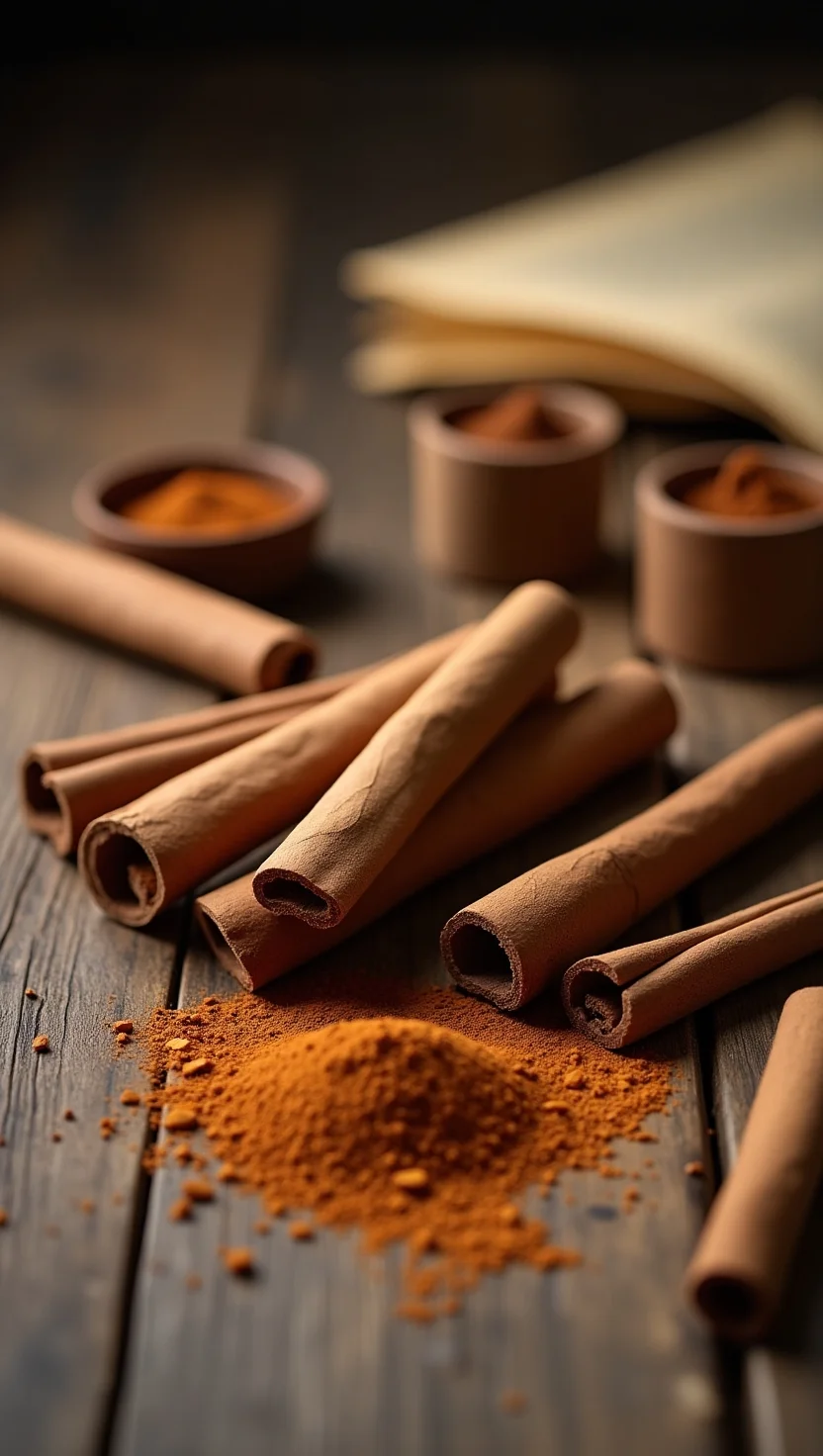
I spent years buying those dusty jars from the supermarket until I realized the essential oils in whole cardamom and cinnamon pods evaporate months before they hit my pantry. This homemade garam masala recipe focuses on precise temperature control to ensure a sweet, floral profile rather than a bitter, charred one. You’ll find that freshly ground spices provide a brightness that store-bought versions simply lack. The kitchen fills with a warm, heady scent that lingers long after you finish.
Quick Answer: Homemade garam masala is best made by lightly toasting whole coriander, cumin, peppercorns, cardamom, cloves, fennel, cinnamon, and star anise in a dry pan until fragrant, then cooling and grinding them into a fine, aromatic powder for maximum flavor.
Why This Works
The secret lies in the gentle heat. By keeping the pan temperature low, the spices should be deep brown in color, fragrant, and release a nutty, toasted aroma without any signs of burning or black charring. When you prepare a batch of chicken tikka masala, this blend provides a depth that makes the entire dish sing.
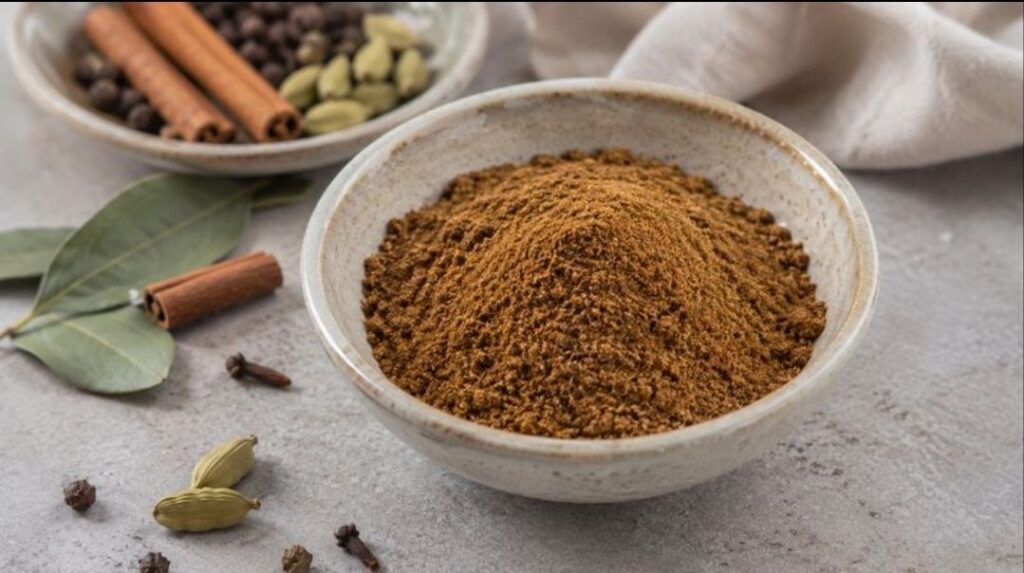
Ingredients
I always grab my coriander and cumin from a local Indian grocer because the seeds are greener, fresher, and have way more essential oils than the dusty jars at the supermarket.
- 4 tablespoons whole coriander seeds
- 2 tablespoons whole cumin seeds
- 1 tablespoon whole black peppercorns
- 1 tablespoon whole green cardamom pods
- 1 teaspoon whole cloves
- 1 teaspoon whole fennel seeds
- 1 two-inch stick of cinnamon, broken into pieces
- 1 whole star anise
Before You Start
Don’t bother with pre-ground spices for this homemade garam masala recipe; if you use powder, you’re just heating up dust that has no oils left to release. You won’t get that deep, complex warmth that makes a curry sing. If you’re missing star anise, you can swap it for a pinch of anise seed, but the flavor will be sharper and lack that subtle licorice sweetness.
When you’re ready to get cooking, make sure your spice grinder is completely dry, as even a drop of water can turn your fresh powder into a clumpy paste. If you don’t have a grinder, a mortar and pestle works, though you’ll be putting in some serious elbow grease to get a fine consistency.
How to Toast and Grind Your Own Spice Blend
Prep: 5 mins · Cook: 5 mins · Total: 10 mins · Serves: 1 cup
Step 1: Prepare your workspace
Grab a medium-sized stainless steel or cast iron skillet. You want a heavy bottom here so the heat distributes evenly, which prevents those pesky hot spots that lead to uneven toasting. Don’t crowd the pan, as you need enough surface area for every seed to touch the metal. If you’re looking for more ways to use these aromatics, you might enjoy learning how to make a classic chicken curry to see how this powder transforms a dish.
Step 2: Toast the spices
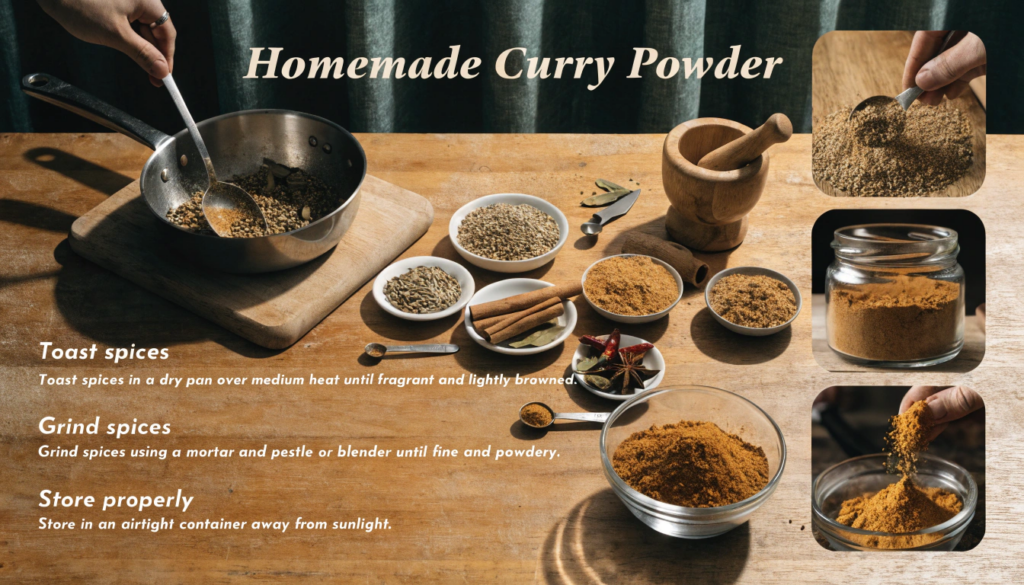
Set your burner to the lowest possible setting. Add the coriander, cumin, peppercorns, cardamom, cloves, fennel, cinnamon, and star anise to the dry pan. Keep them moving with a wooden spoon the entire time. You’ll see the color shift from a pale tan to a deeper, richer brown. Listen for the cumin seeds as they begin to dance and pop against the pan surface. This gentle heat coaxing is the secret to a balanced flavor profile.
Step 3: Cool the mixture
The residual heat in the pan is aggressive. If you leave the spices in there, they’ll continue to darken and could easily turn bitter. Pour them onto a cool ceramic plate and spread them out into a single layer. You want them to reach room temperature before you even think about grinding. If you try to grind them while they’re still warm, the friction will release oils too early and create a clumpy mess.
Step 4: Grind into powder
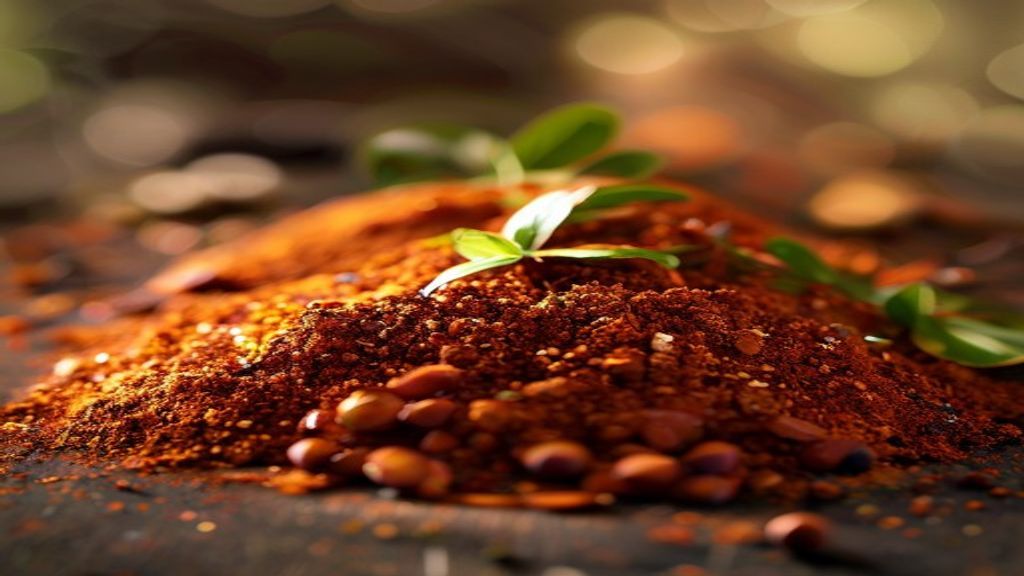
Once the spices are completely cool to the touch, pour them into your clean spice grinder. Use short, controlled bursts to break down the cinnamon sticks and star anise first. Keep going until the mixture looks like a consistent, fine dust. You should see a uniform color throughout, with no large chunks of cardamom pod or cinnamon bark remaining. If you prefer a coarser texture for certain dishes, you can stop a few seconds earlier.
Step 5: Store the blend
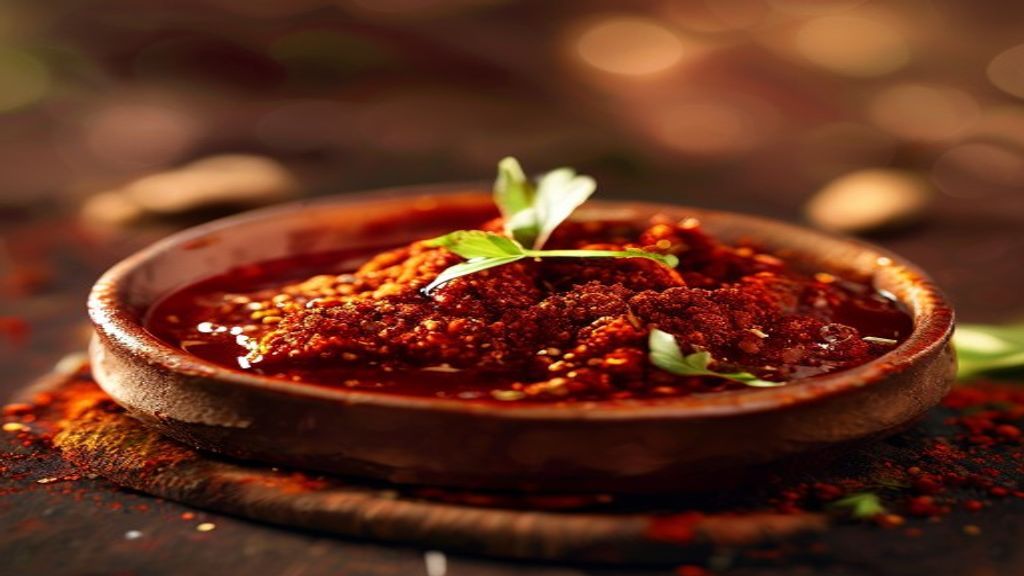
Freshly ground spices lose their potency faster than you’d think. I always store mine in a small glass jar with a tight-fitting lid to keep the air out. Keep it away from the stove or any direct sunlight, as heat and light are the enemies of longevity. When you open the jar, you’ll be greeted by a sharp, earthy punch that is worlds away from the pre-ground stuff you find at the store. It should stay fresh for about three months if you keep it sealed tight.
Troubleshooting
| Problem | Cause | Solution |
|---|---|---|
| Spices taste dusty or flat | Ingredients were old | Check your pantry staples for freshness before you start. |
| Grinder is struggling | Pieces are too large | Break the cinnamon and star anise into smaller bits first. |
| Blend is clumpy | Spices were still warm | Let them cool completely on a plate before grinding. |
Tips for Getting It Right
If you find that your spice grinder isn’t catching the smaller seeds like fennel or cloves, try adding a tiny pinch of salt to the jar before you pulse it. The salt acts as an abrasive that helps break down those stubborn bits into a finer powder. Just remember to account for that salt when you eventually use the blend in your cooking.
Another thing I learned the hard way is that your nose is your best tool. You’ll know the spices are ready when the air in your kitchen changes from smelling like raw seeds to having that deep, warm, and nutty aroma. If you aren’t sure, pull them off the heat a few seconds early. It’s much better to have a slightly lighter toast than to ruin the whole batch by pushing it too far.
Variations Worth Trying
If you want a punchier, more aggressive heat, you can double the amount of black peppercorns in the mix. It adds a nice bite that cuts through rich, creamy sauces. You could also try toasting the cinnamon stick separately from the smaller seeds. Because it’s so dense, it often needs an extra minute or two to release its oils compared to the delicate fennel or cumin.
Frequently Asked Questions
What are the ingredients in garam masala?
This specific blend relies on coriander seeds, cumin seeds, black peppercorns, green cardamom pods, cloves, fennel seeds, a cinnamon stick, and a whole star anise. It’s a classic combination that hits all the right notes of warmth and earthiness.
How do you make garam masala from scratch?
You toast the whole spices in a heavy-bottomed skillet over low heat until they are fragrant and golden. Once they cool down completely, you pulse them in a grinder until you get a fine, uniform powder. learning how to use whole spices is a great way to understand why this process is so much better than buying pre-ground jars.
Can I substitute garam masala with curry powder?
I wouldn’t recommend it. Curry powder usually contains turmeric and other fillers that change the flavor profile entirely. This blend is meant to be the warm, aromatic heart of a dish, while curry powder is often a more generic, pre-mixed seasoning.
How long does homemade garam masala last?
It stays at its best for about three months if you keep it in a tightly sealed glass jar. Make sure you store it in a cool, dark cupboard away from the stove. If you notice the scent fading, it’s probably time to whip up a fresh batch.
This version focuses on the precise temperature control needed to toast spices without burning, ensuring a sweet, floral profile rather than a bitter, charred one.
Main Ingredients
- 4 tablespoons whole coriander seeds
- 1 tablespoon whole green cardamom pods
- 1 teaspoon whole fennel seeds
- 1 whole star anise
Seasonings & Extras
- 2 tablespoons whole cumin seeds
- 1 tablespoon whole black peppercorns
- 1 teaspoon whole cloves
- 1 two-inch stick of cinnamon, broken into pieces
- Step 1: Gather a heavy-bottomed skillet and measure out all your whole spices.
- Step 2: Place the skillet over low heat and toast the spices, stirring constantly, until they darken slightly.
- Step 3: Remove the spices from the heat immediately and spread them onto a cold plate to stop the cooking.
- Step 4: Transfer the cooled spices to a spice grinder and process until you reach a fine, uniform consistency.
- Step 5: Transfer your finished spice mix into an airtight glass jar and keep it in a cool, dark cupboard.