You know that feeling when the air turns crisp, the light gets golden, and suddenly you want nothing more than something warm in your hands? Not a quick snack. Not a sad sandwich. Something that takes a little time, smells like a memory, and fills your kitchen with the kind of scent that makes people wander in and ask, “What’s cooking?”
That’s exactly what this bowl delivers.
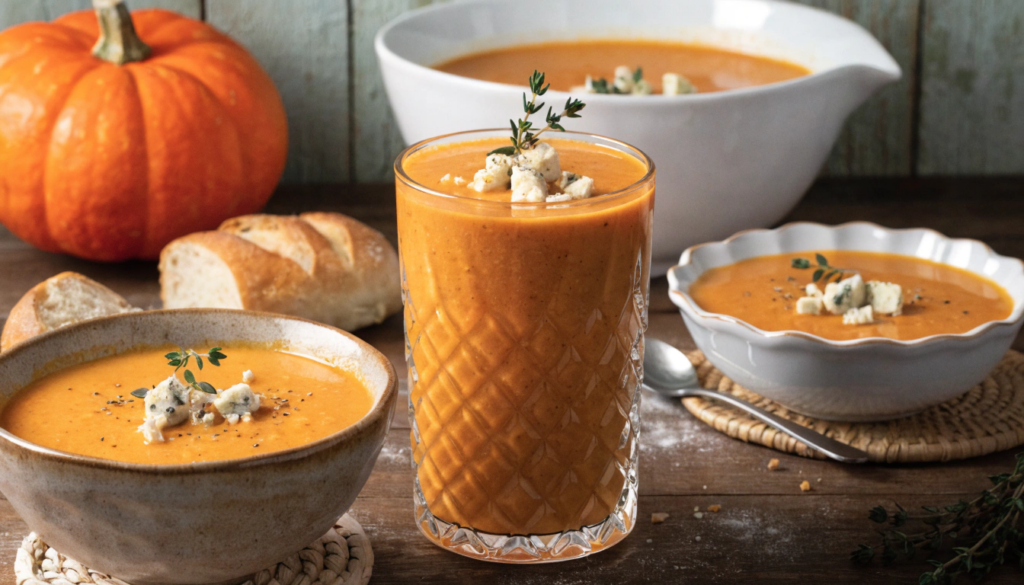
Let me tell you about the first time I got pumpkin bisque soup right. It wasn’t planned. I had a sugar pumpkin sitting on my counter for way too long, looking more like a decoration than dinner. A cold front had blown in overnight, and I was tired in that bone-deep way that only happens in late autumn. I chopped, I stirred, I added cream without measuring. And when I finally lifted that spoon, I actually closed my eyes. It was soft, sweet in a subtle way, with just enough warmth from the spices to make you feel held. That soup didn’t just feed me. It reset me.
You deserve that too. And by the time you finish this guide, you won’t just know how to make pumpkin bisque soup. You’ll know exactly how to make it yours.
What Exactly Is Pumpkin Bisque Soup? (And How Is It Different from Pumpkin Soup?)
Let’s clear something up right now. Not every orange, creamy pumpkin dish deserves the “bisque” label. There’s a real difference, and once you understand it, you’ll never look at a bowl the same way again.
A traditional bisque was originally a French thing—think lobster or crab, shell and all, ground into a silky, extravagant soup. Over time, cooks started applying the same technique to vegetables, especially those with natural body and sweetness. That’s where your pumpkin bisque soup enters the conversation.
So what separates a bisque from a standard pumpkin soup?
Regular pumpkin soup might still have some texture. Maybe a little chunk of onion here, a bit of pumpkin there. It can be broth-based or just lightly blended.
Pumpkin bisque soup, on the other hand, commits to luxury. It’s:
- Fully puréed until it glides across your tongue
- Enriched with cream (or a clever dairy-free substitute)
- Often strained to remove any rogue fiber
- Built around deep, layered flavors, not just pumpkin and stock
Why does pumpkin work so well in a bisque? Two reasons. First, its natural starch helps thicken the soup without needing a roux. Second, its mild sweetness plays beautifully with savory aromatics and warm spices. Pumpkin doesn’t fight for attention. It carries the whole melody.
Source to cite if you want to sound extra credible: Larousse Gastronomique defines bisque as a “rich, creamy soup originally made from shellfish,” but modern culinary use has expanded the term to include velvety vegetable purées.
Key Characteristics of a Perfect Pumpkin Bisque
Before you cook, let’s get clear on the finish line. A great pumpkin bisque soup isn’t just “good enough.” It hits specific marks. Use this list as your checklist:
- Velvety mouthfeel – No graininess. None. If you feel grit, you either under-blended or used the wrong pumpkin.
- Balanced sweetness – You want the pumpkin to sing, not scream. A touch of maple or brown sugar is fine; more than that, and you’re flirting with dessert.
- Warm spice profile – Nutmeg is classic. Cinnamon adds depth. A whisper of cayenne? That’s your secret handshake.
- Deep orange-gold color – Dull brown means you burned something or used old purée. Fresh or high-quality canned gives you that sunset hue.
- No lumps – This isn’t a chowder. Strain if you must. Go all the way.
Health Benefits of Homemade Pumpkin Bisque Soup
Here’s something people rarely talk about: you can feel genuinely good eating this soup. Not “good for a creamy soup” good, but legitimately nourished.
Let’s break down what’s actually in that bowl.
Vitamin A (beta-carotene) – Pumpkin is packed with it. One cup gives you well over 200% of your daily needs. That translates to sharper vision, a stronger immune system, and healthier skin. Beta-carotene is also fat-soluble, which means the cream or coconut milk in your bisque helps your body absorb it more effectively.
Fiber – Pumpkin delivers both soluble and insoluble fiber. That means better digestion, steadier blood sugar, and longer-lasting fullness. Unlike a broth-heavy soup that leaves you hungry an hour later, a proper pumpkin bisque sticks around.
Lower calorie potential – Depending on how you build it, this soup can be surprisingly light. Swap heavy cream for cashew cream or light coconut milk, and you cut calories without sacrificing that lush texture.
Anti-inflammatory spices – Ginger, turmeric, cinnamon, even nutmeg all carry anti-inflammatory properties. You’re not just seasoning. You’re supporting your body.
Quick reference: According to USDA data, 100 grams of cooked pumpkin provides about 26 calories, 1 gram of protein, and 6% of your daily potassium needs.
So yes, you can have your creamy soup and feel good about it too.
Essential Ingredients for Restaurant-Quality Pumpkin Bisque Soup
You don’t need a dozen obscure ingredients to nail this. What you need is quality and balance. Let’s walk through the pantry.
The Core Base
- Pumpkin – Sugar pumpkin (also called pie pumpkin) is your best bet if going fresh. Canned? Only 100% pure pumpkin purée. Never pumpkin pie mix. That stuff has sugar and spices already added, and it will throw off your entire ratio.
- Yellow onion + garlic – The aromatic foundation. Don’t skimp. Don’t burn. Soft and fragrant is the goal.
- Stock – Vegetable stock keeps it vegetarian. Chicken stock adds a subtle savory backbone. Choose based on your crowd.
- Heavy cream – For the classic version. For dairy-free, see notes below.
The Flavor Builders
- Maple syrup or brown sugar – Just a teaspoon or two. You’re enhancing, not candying.
- Nutmeg, cinnamon, cayenne – The holy trinity of autumn soup spices. Freshly grated nutmeg changes everything.
- Apple cider vinegar – This is your brightener. A tiny splash right at the end lifts the whole bowl out of flatness.
Optional Garnishes
Because we eat with our eyes first.
- Toasted pumpkin seeds (pepitas) for crunch
- Crème fraîche or coconut yogurt drizzle
- Crispy sage leaves fried in butter
- Smoked paprika for a subtle fire
Substitution box (quick reference):
- Vegan: Coconut milk or cashew cream instead of heavy cream. Use vegetable stock.
- Gluten-free: Naturally GF if you skip any flour-based thickener (you don’t need it anyway).
- Nut-free: Stick with coconut milk or simply more pumpkin + stock.
Step-by-Step Recipe: How to Make Pumpkin Bisque Soup in 30 Minutes
Yes, you read that right. Thirty minutes gets you from cold ingredients to a hot, silky bowl. Here’s exactly how.
Equipment You’ll Need
- Large pot or Dutch oven (heavy bottom preferred)
- Immersion blender (safer and less messy than a standard blender)
- Fine-mesh strainer (optional but recommended for true silkiness)
- Wooden spoon
The Method
Follow these steps in order. Don’t skip the straining if you want that restaurant texture.
- Sauté aromatics
Melt 2 tablespoons of butter or warm your oil over medium heat. Add one diced yellow onion and cook until soft and translucent, about three to four minutes. Toss in three minced garlic cloves and cook one more minute. - Toast spices
Add ½ teaspoon nutmeg, ¼ teaspoon cinnamon, and a pinch of cayenne. Stir constantly for 30 seconds. This wakes up the oils in the spices. Your kitchen will smell like a harvest dream. - Add pumpkin + stock
Pour in 3 cups of pumpkin purée (fresh or canned) and 4 cups of stock. Stir well. Bring to a simmer, then lower heat and cook for 15 minutes. Stir occasionally so nothing sticks to the bottom. - Blend until smooth
Use an immersion blender directly in the pot. Blend until you see no chunks. If using a standard blender, work in batches and never fill more than halfway with hot liquid. - Strain (optional but recommended)
Pour the blended soup through a fine-mesh strainer back into the pot. Press with a ladle to get every drop. This step removes any stray fibers and gives you that dangerous level of smoothness. - Stir in cream
Remove the pot from heat. Stir in ¾ cup of heavy cream. No boiling from here on out, or the cream may curdle. - Adjust seasoning
Add salt and black pepper to taste. Stir in 1 teaspoon of apple cider vinegar. Taste again. Does it need more salt? More warmth? Adjust accordingly. - Serve hot
Ladle into bowls. Add your garnishes. Sit down. Breathe. Enjoy.
Pro Chefs’ Secrets
- Roast your fresh pumpkin before simmering. Cut it in half, scoop seeds, roast at 400°F until tender (about 35 minutes). The caramelization adds insane depth.
- Stick to a 3:1 ratio of pumpkin to liquid. Anything thinner tastes weak.
- Never boil after adding cream. Low heat only. Gentle reheating.
5 Delicious Twists on Classic Pumpkin Bisque Soup
Once you’ve mastered the original, it’s time to play. Here are five variations that feel like entirely different soups.
- Curry Coconut Bisque
Replace heavy cream with full-fat coconut milk. Add 1 tablespoon of red curry paste with the aromatics. Finish with a squeeze of lime. This one is bright, bold, and unforgettable. - Smoky Apple
Roast one peeled, chopped apple alongside your pumpkin. Add ½ teaspoon smoked paprika. The apple brings subtle sweetness; the smoke brings campfire depth. - Spicy Chipotle
Blend in 1 to 2 chipotles in adobo sauce. Start with one, taste, then decide. This version wants a dollop of sour cream and a cold beer on the side. - Maple Bourbon
Stir in 2 tablespoons of bourbon right before adding the stock. Cook for two minutes to burn off the harsh alcohol. Finish with a drizzle of maple syrup. Elegant enough for a holiday table. - Sage & Brown Butter
In a separate pan, brown 4 tablespoons of butter until it smells nutty. Fry 6 fresh sage leaves in that butter until crisp. Drizzle everything over the finished soup. Yes, it’s that good.
What to Serve with Pumpkin Bisque Soup
A bowl this good doesn’t need much company. But the right pairing turns a meal into an occasion.
- Crusty bread – Sourdough, ciabatta, or a warm baguette. Use it to wipe the bowl clean.
- Grilled cheese – Sharp cheddar or melty brie. Cut into dipping strips like you did when you were a kid.
- Harvest salad – Arugula, thin apple slices, walnuts, and a simple lemon vinaigrette. The crunch and acidity cut through the creaminess perfectly.
- Roasted chicken – Especially with crispy skin and fresh thyme. The two together feel like a bistro meal.
- White wine – Off-dry Riesling or a lightly oaked Chardonnay. Both match the sweetness and richness without overpowering.
Storage, Freezing, and Reheating Tips
You’ll likely have leftovers. Good. This soup actually settles into itself overnight, and the flavors deepen.
Fridge: Store in an airtight container. It will hold for up to four days.
Freezer: Here’s the trick. If you plan to freeze, leave out the cream. Freeze the base (pumpkin, stock, aromatics, spices) in a freezer-safe bag or container for up to three months. When you’re ready, thaw overnight in the fridge, reheat gently, then stir in fresh cream. Why? Cream doesn’t freeze well. It can separate and turn grainy when thawed.
Reheating: Warm over low to medium-low heat on the stove. Stir often. If the soup thickened too much in the fridge, add a splash of stock or water to loosen it back up.
One hard rule: Never boil this soup after cream has been added. Boiling breaks the emulsion. You’ll end up with little flecks of fat floating on top instead of a smooth bisque.
Frequently Asked Questions (FAQ) About Pumpkin Bisque Soup
Q1: Can I use canned pumpkin for pumpkin bisque soup?
Absolutely. Just make sure the label says “100% pure pumpkin purée,” not “pumpkin pie mix.” One 15-ounce can equals roughly 1¾ cups of fresh pumpkin.
Q2: Is pumpkin bisque soup healthy?
Yes, especially when you control the cream and any added sugar. You’re getting high levels of vitamin A, fiber, and anti-inflammatory spices. It’s comfort food that actually supports your body.
Q3: Why is my pumpkin bisque soup grainy?
Two likely culprits. Either you didn’t blend long enough, or you let the soup boil after adding dairy. Both break that smooth texture. Next time, blend thoroughly and keep heat gentle.
Q4: Can I make pumpkin bisque soup vegan?
Easily. Swap heavy cream for full-fat coconut milk or homemade cashew cream. Use vegetable stock instead of chicken stock. The result is still rich and satisfying.
Q5: How do I thicken pumpkin bisque soup without flour?
Blend in half a cooked potato, a small piece of cauliflower, or simply more pumpkin. You can also simmer the soup longer before adding cream to let evaporation do the work.
Conclusion: A Bowl of Comfort Worth Making Again and Again
You came here looking for a recipe, but I hope you’re leaving with something more.
Pumpkin bisque soup isn’t complicated. It doesn’t demand rare skills or a dozen fancy tools. What it asks for is presence. A little patience. The willingness to taste and adjust and trust your own instincts. And in return, it gives you a bowl of something honest, beautiful, and deeply comforting.
So here’s what I want you to do next.
Before this week ends, pull out that pot. Roast a pumpkin or open a can. Chop an onion. Let the spices hit hot butter and fill your kitchen with that smell. Pour yourself a bowl, sit somewhere quiet, and take the first spoonful slowly.
Then come back and tell me how it went.
Have you made pumpkin bisque soup before? What’s your go-to twist — extra spice, a splash of bourbon, or something totally unexpected? Drop your version in the comments. I read every single one.
And if you found this guide helpful, share it with someone who needs a warm bowl and a quiet moment. They’ll thank you later.