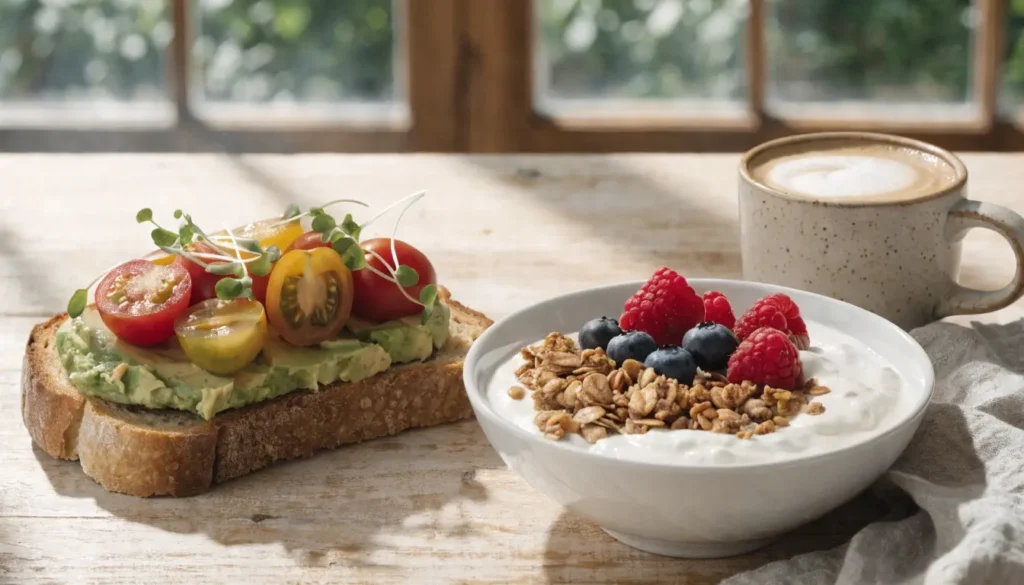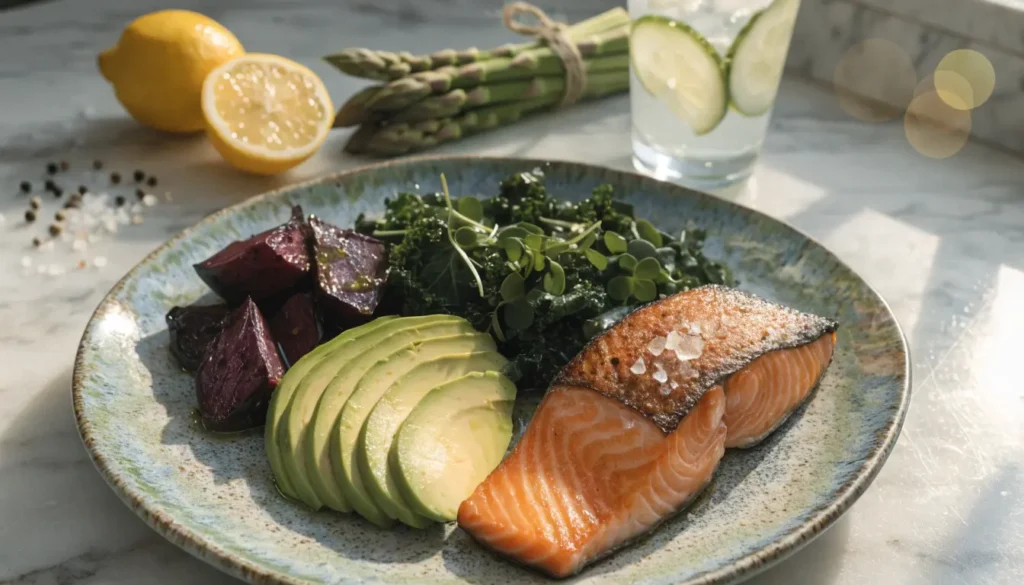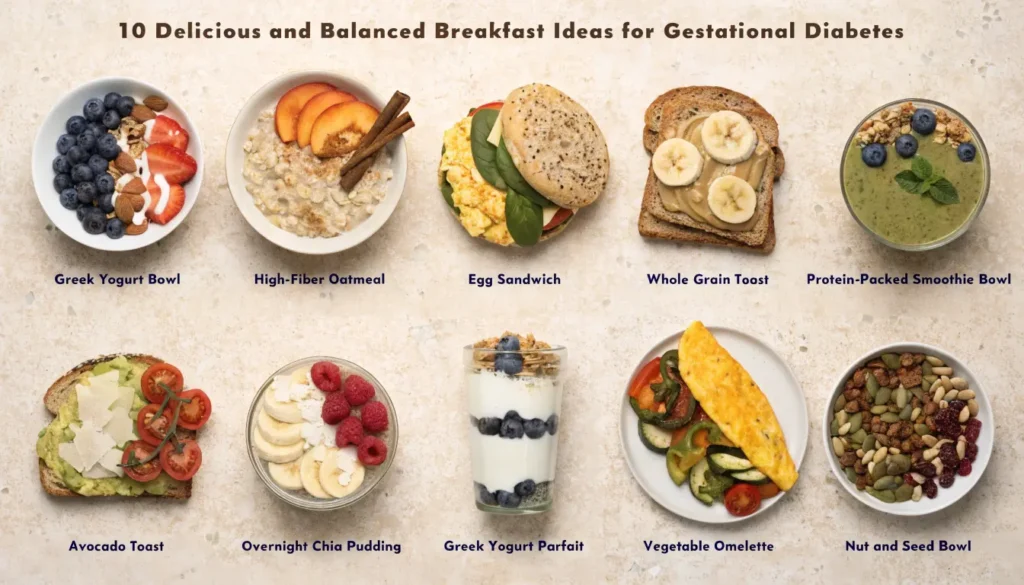
You know that feeling when your alarm goes off, and you already feel behind? Your head feels stuffed with cotton. You stumble to the kitchen, pour something caffeinated, and hope it rescues you. For years, that was your normal. Maybe you even thought everybody felt that way until noon.
Then you heard someone mention MCT foods for breakfast, and you pictured expensive powders and complicated routines. But here is the truth: one small swap on your plate can change how your entire morning unfolds. Not with willpower. With biology.
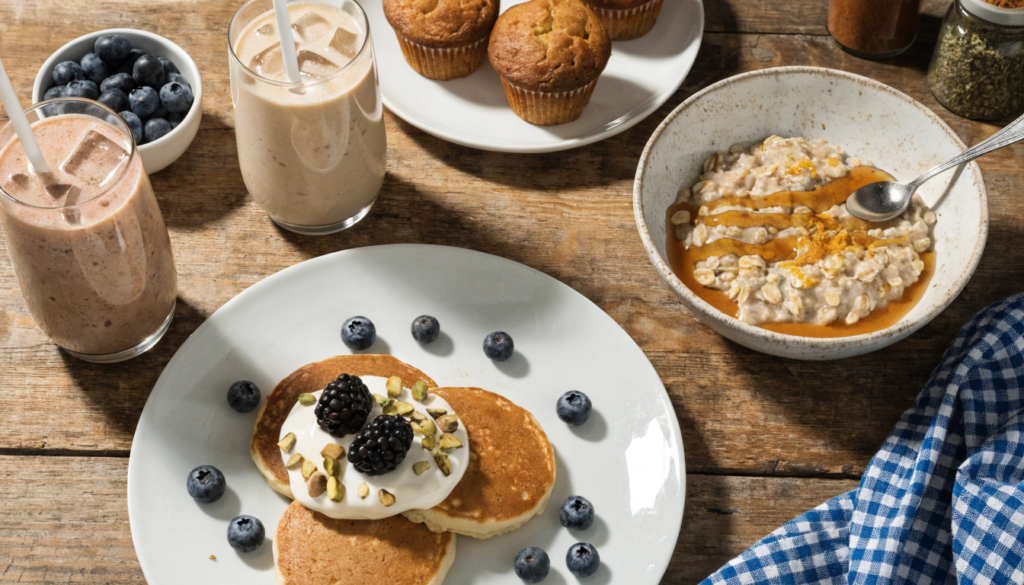
Let me tell you what happened when a friend finally handed you a cup of coffee that looked normal but had a teaspoon of clear oil stirred into it. Forty-five minutes later, you weren’t jittery. You weren’t buzzed. You just felt… awake. Like someone had wiped steam off a mirror. That quiet clarity is what MCTs can offer. And this article will show you exactly how to get it without wasting money or ending up with stomach cramps.
What Are MCTs and Why Do They Belong on Your Breakfast Plate?
You have probably seen jars of white powder or bottles of thin oil labeled “MCT” and wondered if they are just another supplement fad. They are not. Medium-chain triglycerides work differently than nearly every other fat you eat.
Here is the short version: most fats in your diet are long-chain triglycerides. They need bile and time to break down. Your body ships them through your lymphatic system, stores some, and burns others slowly. MCTs skip that entire process. They travel straight from your gut to your liver, where your body turns them into ketones. Ketones are a preferred fuel for your brain. Think of them as rocket fuel instead of slow-burning logs.
Why breakfast specifically matters for MCTs
Overnight, you fast for seven to nine hours. Your liver runs low on stored glucose (glycogen). When you wake up, your body is looking for something fast. If you hand it toast, cereal, or a muffin, you get a sugar spike followed by a crash around 10:30 AM. If you hand it MCTs, you get ketones. No spike. No crash. Just steady energy that lasts.
The four types of MCTs and what they do
- C6 (Caproic acid) – Very rare. Tastes unpleasant. You will almost never see this in commercial products.
- C8 (Caprylic acid) – The star player. Converts to ketones faster than any other. Best for mental clarity.
- C10 (Capric acid) – Slightly slower than C8 but still excellent. Often blended with C8 in quality oils.
- C12 (Lauric acid) – Found in coconut oil. Slower to convert. Has antimicrobial benefits but less ketone punch.
What the research says
A study published in the Journal of Nutrition found that MCTs increase diet-induced thermogenesis by about 50 percent compared to long-chain fats. That means your body burns more calories just digesting them. Another trial from the University of Oxford showed that a single dose of C8 MCTs improved cognitive performance in adults with fatigue within 45 minutes.
Dr. Dominic D’Agostino, a leading ketone researcher, has repeatedly stated that C8 is the most efficient MCT for therapeutic ketosis. If you want focus, you want C8.
The “Fog vs. Focus” Comparison: Your First 3 Hours After Breakfast
Let me paint two scenes for you. See which one sounds familiar.
Scene A: No MCTs
- 7:00 AM – You eat a bowl of honey-sweetened cereal or a bagel.
- 7:45 AM – Blood sugar spikes. You feel briefly energized.
- 9:00 AM – Energy begins dipping. You grab a second coffee.
- 9:45 AM – Irritability creeps in. You snap at a coworker or your own thoughts.
- 10:15 AM – You are already mentally planning lunch. Craving hits hard.
Scene B: MCT foods for breakfast
- 7:00 AM – You eat eggs cooked in MCT oil or drink coffee with one teaspoon of MCT oil.
- 7:45 AM – Ketone levels rise. No spike. Just a gentle increase in alertness.
- 9:00 AM – You notice you are still focused on your task. No second coffee needed.
- 9:45 AM – Hunger hasn’t arrived. Your mood feels steady.
- 10:15 AM – You realize you forgot to think about food. That almost never happens.
Most people live in Scene A for years without realizing there is another option. Once you experience Scene B a few times, the choice becomes obvious.
The Top 7 MCT Foods for Breakfast (Ranked by Ketone Impact)
Not all MCT sources work the same. Here is your ranked list from most potent to least. Use this when you stand in the grocery aisle confused.
- Straight C8-dominant MCT oil – This is your fastest route to ketones. No fiber. No other fats slowing it down. Add it to coffee, tea, or a smoothie. Start with one teaspoon.
- Unsweetened coconut meat – Whole food source. Rich in lauric acid (C12). Slower but gentler on digestion. Shred it over yogurt or eat fresh chunks.
- Grass-fed butter or ghee – Contains small amounts of C4 (butyrate) and trace MCTs. Not a primary source but excellent paired with MCT oil for flavor and absorption.
- MCT powder – MCT oil sprayed onto soluble fiber or acacia gum. Easier on your stomach than straight oil. Ideal for travel or sensitive guts. Less intense ketone spike but longer duration.
- Pasture-raised eggs – Zero carbs. Rich in choline. Eggs themselves are low in MCTs, but they provide the protein framework that makes MCT oil work better. Never eat MCT oil alone.
- Full-fat coconut yogurt or kefir – Probiotics plus MCTs. Check labels for added sugar. Plain, unsweetened only. Dairy-free option works well for sensitive stomachs.
- Raw cacao nibs mixed with coconut butter – Make a quick “breakfast bark” by melting coconut butter, stirring in nibs, and chilling. Chew slowly. Very satiating.
A critical warning before you start
Do not pour a full tablespoon of MCT oil into your coffee on day one. Your digestive system will rebel. You will feel nauseous or run to the bathroom. Start with one teaspoon. Wait three days. If your stomach feels fine, go to one and a half teaspoons. Slow wins this race.
5 Quick MCT Breakfast Recipes (Less Than 10 Minutes)
You do not have time for elaborate morning rituals. Here are five recipes that take less time than waiting for a bagel to toast.
1. The “Brain Squad” Coffee
- One cup of hot black coffee
- One teaspoon of C8 MCT oil (day one)
- One teaspoon of grass-fed butter or ghee
Pour everything into a blender. Blend for twenty seconds until frothy. Drink slowly. You will notice the texture is creamy, not greasy. This keeps you full for three to four hours.
2. Coconut-MCT Chia Pudding (Make ahead)
- Three tablespoons of chia seeds
- One cup of unsweetened coconut milk
- One teaspoon of MCT powder
Mix everything in a jar. Shake hard. Refrigerate overnight. Top with a few berries or unsweetened coconut flakes in the morning. This works for rushed weekdays.
3. Savory Egg & MCT Scramble
- Three pasture-raised eggs
- One teaspoon of MCT oil
- Half an avocado
- Pinch of sea salt
Warm a pan over medium heat. Add MCT oil. Scramble eggs directly in the oil. Slice avocado on top. Add salt. That is it. Under two grams of net carbs.
4. No-Blend “Lazy Latte”
- Cold brew coffee (six ounces)
- Two tablespoons of heavy cream
- One teaspoon of MCT oil
Pour everything into a jar with a lid. Shake vigorously for fifteen seconds. Drink. No blender to wash. Perfect for camping or hotel rooms.
5. MCT Green Smoothie
- One handful of fresh spinach
- Half a cucumber (peeled if you prefer)
- One tablespoon of MCT oil
- One cup of unsweetened almond milk
- One scoop of collagen powder (optional)
Blend until smooth. This gives you vegetables, fat, and protein before 8 AM. You will feel unusually sharp by mid-morning.
Who Should Eat MCT Foods for Breakfast? (And Who Should Be Cautious)
MCTs are helpful for many people but not for everyone. Let me break this down clearly.
You will likely benefit if:
- You follow a lower-carb or ketogenic diet and struggle with morning energy
- You experience brain fog, difficulty concentrating, or mental fatigue before noon
- You have blood sugar issues like prediabetes, PCOS, or reactive hypoglycemia
- You train in the morning on an empty stomach and want steady endurance
You should move slowly or talk to a doctor if:
- You had your gallbladder removed (you still produce bile but lack storage; small amounts of MCTs may be fine, but test carefully)
- You have a history of pancreatitis
- Your digestion is very sensitive to fats (IBS, FODMAP issues, or chronic diarrhea)
- You take blood thinners or diabetes medication (MCTs can affect absorption and blood sugar)
A 2021 review in Nutrients noted that while MCTs reduce post-meal fat buildup in the blood, about ten to fifteen percent of first-time users report nausea or cramping. That is why you start small.
How to Build Your Perfect MCT Breakfast (A Decision Flowchart in Words)
You do not need a complicated plan. Follow this sequence.
Step one – Pick your MCT source
- If you want the fastest mental effect → liquid C8 oil
- If you have a sensitive stomach → MCT powder
- If you prefer whole foods → coconut meat or coconut yogurt
Step two – Add protein
- Eggs work best for savory meals
- Collagen or whey isolate works for sweet smoothies or coffee
- Plain Greek yogurt (if you tolerate dairy) works for bowls
Step three – Choose a flavor direction
- Sweet morning → MCT matcha latte + coconut yogurt + a few raspberries
- Savory morning → MCT scramble + avocado + salt
Step four – Eat or drink within thirty minutes of waking
Timing matters. Your liver is most receptive to ketone production early in the day. Waiting until 10 AM reduces the effect.
3 Common Mistakes People Make With MCT Foods for Breakfast
Even smart people mess these up. Avoid these three traps.
1. Starting with a full tablespoon
New users read online that MCT oil is great, so they pour a full serving into their coffee. Ninety minutes later, they are running for the bathroom. Fix: one teaspoon for three days. Increase by half a teaspoon every three days until you reach one tablespoon.
2. Eating MCTs with sugar or refined grains
Adding MCT oil to a bowl of sugary oatmeal or a glazed donut defeats the purpose. Sugar triggers insulin. Insulin blocks ketone production. Pair MCTs with protein, fiber (vegetables), or nothing at all. Do not pair them with toast, cereal, pastries, or sweetened yogurt.
3. Using only coconut oil
Coconut oil is wonderful for many things. But it is only about 60 percent MCTs, and most of that is C12 (lauric acid). C12 behaves more like a long-chain fat. It still has benefits, but it will not give you the rapid mental lift of a C8-dominant MCT oil. Look for bottles that say “C8” or “Caprylic Acid” on the front.
Frequently Asked Questions (FAQ)
Can I eat MCT foods for breakfast if I am not on a keto diet?
Yes. Even if you eat carbohydrates later in the day, replacing a processed breakfast with eggs and MCT oil reduces your morning blood sugar swings. Many people report fewer cravings before lunch even without full ketosis. Just keep your portion small at first.
What is the single best MCT food for breakfast for weight loss?
C8 MCT oil combined with a protein source like eggs or collagen. The oil increases satiety hormones (PYY and leptin). The protein preserves muscle. Together, they reduce the chance you will snack before lunch.
Will MCT foods for breakfast break my intermittent fast?
Technically yes, because MCTs contain calories (roughly one hundred to one hundred fifteen per tablespoon). But some people practice “fat fasting,” where small amounts of MCTs are allowed because they do not spike insulin. If you fast for autophagy, skip MCTs. If you fast for weight loss and appetite control, one teaspoon likely will not hurt your progress.
How long before I feel the effects of an MCT breakfast?
Mental effects often appear within fifteen to forty-five minutes. That is how fast your liver converts C8 into ketones. Appetite changes and steady energy usually take three to seven days of consistent use. Your metabolism needs a short adjustment period.
Are there any MCT foods for breakfast I can prep ahead?
Absolutely. Make a batch of coconut-MCT chia pudding on Sunday. Portion it into four jars. Hard-boil six eggs. Keep a small dropper bottle of MCT oil in your desk drawer. You can also freeze coconut butter and cacao nib “bark” and break off a piece each morning.
Conclusion – Your First Morning Toward a Clearer Mind
You do not need a pantry full of expensive superfoods. You do not need to quit coffee or swear off all carbohydrates forever. What you need is one small, repeatable change.
Tomorrow morning, try this instead of your usual routine:
- Brew your regular coffee or tea.
- Pour in one teaspoon of C8 MCT oil (not a full tablespoon).
- Eat two eggs cooked however you like, or stir one scoop of collagen into your drink.
- Go about your normal morning.
Then, around 10:30 AM, pause. Check in with yourself. Are you hunting for a snack? Is your jaw tight with frustration? Or do you feel strangely… fine?
That quiet sense of adequacy – not euphoria, not hyperfocus, just steady capability – is what MCT foods for breakfast can offer. It will not fix every problem in your life. But it might give you back the two hours you normally lose to fog and distraction.
Your call to action
Take a photo of your breakfast tomorrow after you add MCT oil or powder. Share it in the comments below with one word describing how you felt at 10 AM. Foggy? Clear? Surprised? Your experience helps someone else take the first step. And if you have questions about which brand to buy or how to tweak your portion size, ask below. I read every response.
Now go make your morning work for you instead of against you.