You know that moment. The one where you’re standing in front of the open refrigerator, door slightly ajar, having one of those silent debates with yourself. It’s late. Maybe the house is finally quiet. And somewhere in the back of your mind, a craving has been whispering your name all day—something rich, something creamy, something that feels like a reward for simply making it through.
But then comes the other voice. The practical one. The one that reminds you how a single slice of traditional cheesecake can set you back nearly half your daily calorie budget. The one that conjures up images of sugar crashes and that heavy, sluggish feeling that follows indulgence.
I used to think those two worlds couldn’t coexist. Dessert or health. Pleasure or discipline. Choose one, lose the other.
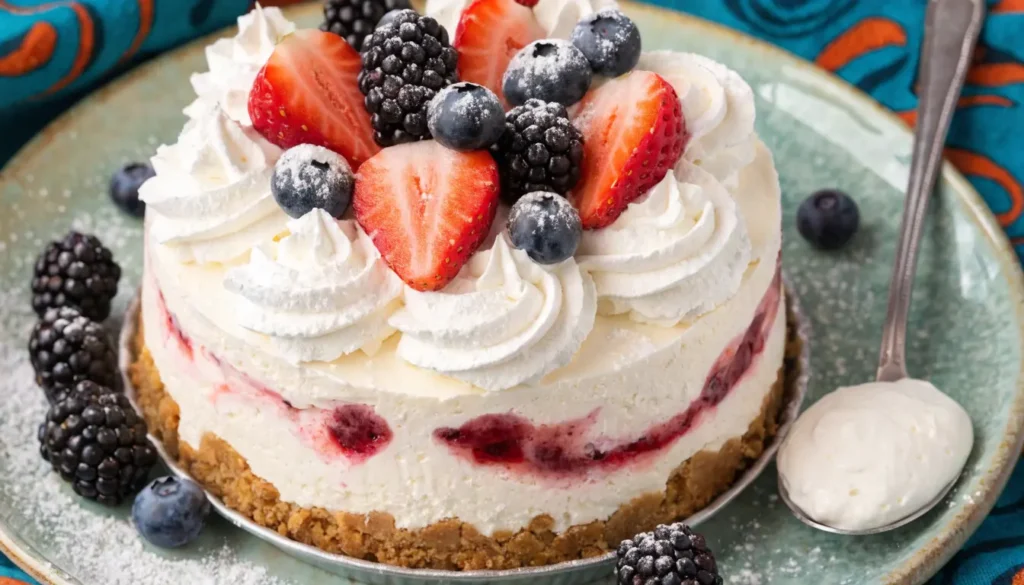
Then I stumbled upon something that changed the way I think about sweets entirely. It’s a low calorie cheesecake recipe no bake that delivers every bit of the velvety texture and tangy richness you’re craving, without the side of regret. And honestly? It tastes better than most bakery versions I’ve tried.
So let me show you how to make it. Because you deserve dessert. You really do.
Why This Low Calorie No-Bake Cheesecake is a Game Changer
If you’ve ever attempted to lighten up a dessert, you know the struggle. Some recipes end up tasting like a sad compromise—rubbery, flavorless, or just plain weird. This one breaks all those patterns.
What makes this low calorie cheesecake recipe no bake different isn’t just the ingredient swap. It’s the method. By skipping the oven, you preserve the delicate texture of the filling. You also eliminate the need for eggs and heavy cream, which are often the biggest calorie contributors in traditional versions.
Let’s look at what you’re actually saving here.
A standard slice of New York–style cheesecake from a restaurant typically lands somewhere between 450 and 600 calories. That’s before you add any fruit topping or drizzle. It packs around 25 grams of fat and 30 grams of sugar. In one sitting.
Now compare that to what we’re building here. Each slice of this recipe comes in at roughly 175 to 200 calories, with about 8 grams of fat, 4 grams of sugar, and a surprising 12 grams of protein. That protein matters. It helps keep you satisfied longer, preventing the blood-sugar spike and crash that usually follows traditional desserts.
You’re not just cutting calories. You’re upgrading the nutritional profile entirely.
Another win? No oven means no heating up your kitchen. Whether it’s the middle of summer or you simply want a dessert you can prep ahead without hovering over a hot appliance, this method keeps things cool and simple.
Essential Ingredients for a Healthy Crust
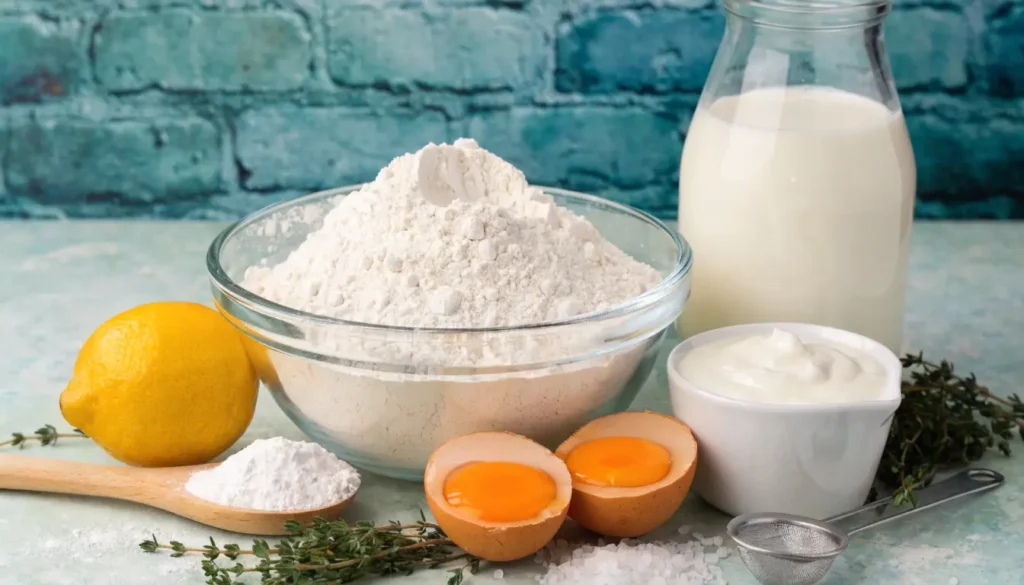
The crust is where many “healthy” desserts go wrong. It seems harmless—a few crushed cookies, some melted butter, press it into a pan. But those few tablespoons of butter and sugar-laden crumbs can add 150 calories before you even reach the filling.
We’re going to approach the crust differently.
The Base: Alternatives to Graham Crackers
Instead of traditional graham crackers, you have several better options that add fiber, nutrients, and texture.
- Oat flour is my go-to. Just take rolled oats and pulse them in a blender until they turn into a fine powder. Oats bring natural sweetness, a gentle nuttiness, and a dose of soluble fiber that helps with digestion.
- Almond flour works beautifully if you’re aiming for a lower-carb version. It adds richness and a slightly buttery flavor without needing much additional fat.
- High-fiber cereal can also do the trick. Look for bran-based cereals or crispbreads with minimal added sugar. Crush them finely, and they create a sturdy, crunchy base.
The Binder: Eliminating Excess Butter
Here’s the trick that surprises most people: you don’t need half a stick of butter to hold a crust together.
- Unsweetened applesauce acts as a binder and adds moisture without fat. It’s subtle enough that you won’t taste apple in the final crust.
- Mashed banana works well if you’re pairing the cheesecake with fruit toppings. It adds a touch of natural sweetness and helps the crust hold its shape.
- If you prefer a more traditional texture, you can use a small amount of light butter or coconut oil—just one tablespoon is usually enough to get the job done.
List: Ingredients for the Crust
- 1 cup oat flour (or almond flour)
- 2 tablespoons unsweetened applesauce
- 1 tablespoon maple syrup or zero-calorie sweetener
- Pinch of sea salt
Combine these, press firmly into your pan, and you have a base that’s flavorful, structurally sound, and a fraction of the calories of a standard crust.
The Secret to a Creamy, Low-Calorie Filling
Now we get to the heart of the matter. The filling is where most low fat cheesecake filling recipe attempts fall short. They turn out grainy, or they lack that distinctive tang, or they never quite set properly.
I’ve tested this combination more times than I can count, and this is the formula that finally worked.
The Base: Choosing Your Cream Cheese
Full-fat cream cheese is delicious, but it’s also calorie-dense. The solution isn’t to eliminate cream cheese entirely—it’s to choose smarter.
Neufchâtel cheese is your new best friend. It contains about one-third less fat than standard cream cheese, yet it retains the creamy texture and tangy flavor that makes cheesecake taste authentic. You won’t feel like you’re eating a “diet” version.
Pair that with 0% fat Greek yogurt. Greek yogurt adds volume, creaminess, and a significant protein boost. It also contributes to that thick, dense texture you want in a no-bake cheesecake. Regular yogurt is too thin; Greek yogurt is where the magic happens.
Sweeteners: Sugar-Free Options
You have choices here, depending on your preference and dietary needs.
- Monk fruit sweetener or erythritol are excellent zero-calorie options. They measure cup-for-cup like sugar and don’t leave a bitter aftertaste when used in creamy applications.
- For a more natural route, mashed ripe berries can provide sweetness along with antioxidants and fiber. This works especially well if you’re making a berry-swirl variation.
The Setting Agent: No Gelatin Required
Here’s the secret weapon that makes this recipe foolproof: sugar-free, fat-free instant pudding mix, specifically the cheesecake flavor.
This ingredient does two critical things. First, it adds flavor depth that mimics the richness of a baked cheesecake. Second, it acts as a stabilizer. When combined with the Greek yogurt and cream cheese, it thickens the mixture to the perfect consistency without requiring gelatin, eggs, or heavy cream.
If you want to experiment with flavors, you can also add powdered peanut butter (PB2) for a peanut butter version. It adds protein and flavor without the fat of regular peanut butter.
List: Key Filling Components
- 8 ounces Neufchâtel cheese, softened to room temperature
- 1 cup 0% Greek yogurt
- ¼ cup monk fruit sweetener (or sweetener of choice)
- 1 teaspoon vanilla extract
- 1 box (1 ounce) sugar-free cheesecake pudding mix
That’s it. Five ingredients that work together to create a filling that tastes indulgent but behaves like a clean-eating dream.
Step-by-Step Instructions: Assembling Your No-Bake Masterpiece
Let’s walk through this process from start to finish. I’ll give you the details that ensure success every time.
Step 1: Create the Crust
- Place your oat flour (or almond flour) in a food processor with the pinch of salt. Pulse briefly to combine.
- Add the unsweetened applesauce and maple syrup. Pulse until the mixture starts to clump together. You’re looking for a texture that resembles wet sand—it should hold together when pressed between your fingers.
- Grab a 6-inch springform pan. A smaller pan is actually your friend here. It creates taller, more satisfying slices without increasing the calorie count per serving. Line the bottom with a circle of parchment paper for easy removal later.
- Press the crust mixture firmly into the bottom of the pan. Use the flat bottom of a measuring cup to really compact it.
- Place the pan in the freezer while you prepare the filling. This gives the crust a head start on setting.
Step 2: Whip the Filling
- In a medium mixing bowl, beat the softened Neufchâtel cheese with a hand mixer until it’s completely smooth. This step matters more than you might think. Any lumps in the cream cheese will remain in your final cheesecake, so take the extra minute to ensure it’s silky.
- Add the Greek yogurt, sweetener, and vanilla extract. Beat again until everything is fully incorporated.
- Sprinkle in the dry pudding mix. Beat on medium speed for about one to two minutes. You’ll notice the mixture thickening significantly as you go. This is the pudding mix doing its job.
Step 3: Chill & Set
- Remove the crust from the freezer. Pour the filling over it, using a spatula to spread it evenly to the edges.
- Smooth the top as best you can. A little unevenness is fine—it adds character.
- Cover the pan loosely with plastic wrap or foil. Refrigerate for at least six hours. Overnight is even better.
I know the waiting is the hardest part. But don’t rush this. A no-bake cheesecake relies entirely on cold temperature and time to set properly. Cutting into it too soon results in a messy, disappointing slice. Patience pays off here.
Flavor Variations to Keep It Interesting
One of the best things about this base recipe is how adaptable it is. Once you’ve mastered the basic low calorie cheesecake recipe no bake, you can spin it into dozens of variations without adding significant calories.
- Berry Swirl: Warm one cup of mixed berries in a small saucepan with a tablespoon of lemon juice. Let it simmer until the berries break down slightly. Cool the mixture, then drop spoonfuls onto the filling before it sets. Swirl gently with a knife to create a marbled effect.
- Chocolate Dream: Add two tablespoons of unsweetened cocoa powder and half a teaspoon of peppermint extract to the filling mixture. Beat until combined. The cocoa adds depth without adding sugar, and the peppermint gives it a refreshing lift.
- Lemon Zest: Add the zest of one whole lemon and one tablespoon of fresh lemon juice to the filling. This variation tastes bright and clean, perfect for spring or summer gatherings.
Each of these variations stays within the same calorie range as the original. You’re adding flavor, not compromise.
Nutritional Breakdown: Facts vs. Traditional Cheesecake
Let’s put the numbers side by side so you can see exactly what you’re gaining.
Comparison Table:
| Feature | Traditional NY Cheesecake (1 slice) | This Low Calorie No Bake Recipe (1 slice) |
|---|---|---|
| Calories | ~500–600 | ~175–200 |
| Fat | 35g | 8g |
| Protein | 8g | 12g |
| Sugar | 30g | 4g |
These numbers aren’t pulled from thin air. The traditional cheesecake data aligns with USDA FoodData Central averages for restaurant-style cheesecake. The figures for this recipe come from ingredient-by-ingredient analysis using nutritional tracking tools.
What those numbers tell you is that you’re not just shaving off a few calories. You’re transforming the nutritional profile entirely. More protein. Less sugar. Less fat. And none of the empty calories that leave you feeling sluggish afterward.
Expert Tips for the Perfect Slice
Even with a straightforward recipe, small details can make the difference between a good cheesecake and a great one.
- Bring your Neufchâtel to room temperature. Cold cream cheese fights you. It creates lumps that no amount of mixing can fully eliminate. Let it sit on the counter for 30 to 45 minutes before you start.
- Line your pan with parchment. A circle of parchment on the bottom ensures your crust doesn’t stick. When you’re ready to serve, run a thin knife under hot water, wipe it dry, and slide it around the edge of the pan. Unclasp the springform, and the cheesecake will release cleanly.
- Exercise patience. If you try to slice this after three or four hours, you’ll be frustrated. The pudding mix needs time to fully hydrate and set. Six hours is the minimum. Eight is better. Overnight is ideal.
- Use a sharp knife for clean slices. Dip your knife in hot water and wipe it clean between cuts. This gives you those picture-perfect slices that look as good as they taste.
Frequently Asked Questions (FAQ)
Can I make this low calorie cheesecake recipe no bake dairy-free?
Yes, you can. Substitute the Neufchâtel with a dairy-free cream cheese alternative, such as Kite Hill or Tofutti. Replace the Greek yogurt with full-fat coconut yogurt to maintain thickness. Keep in mind that this swap will slightly increase the fat content and may alter the calorie count by 20 to 30 calories per serving. The texture remains creamy and satisfying.
How do I store this low calorie cheesecake?
Store it in an airtight container in the refrigerator for up to five days. The flavor actually deepens after the first day, so making it ahead works in your favor. You can also freeze individual slices for up to one month. Wrap each slice tightly in plastic wrap, then place in a freezer-safe bag. To thaw, move a slice to the refrigerator overnight.
Why is my no-bake cheesecake runny?
There are two common culprits.
- Insufficient chilling time. The filling needs six to eight hours to set properly. If you’ve only given it two or three hours, it will be soft.
- Using the wrong yogurt. Regular yogurt contains more liquid than Greek yogurt. That extra liquid prevents the mixture from setting. Always use thick, strained Greek yogurt for best results.
If your cheesecake still seems soft after a full night in the fridge, check that your pudding mix was sugar-free and instant. The “instant” variety is essential for thickening.
Conclusion
There’s something quietly powerful about making a dessert that aligns with your goals instead of working against them. When you serve this low calorie cheesecake recipe no bake, you aren’t apologizing for it. You aren’t saying, “It’s healthy, so bear with me.” You’re simply offering something delicious that happens to also treat your body well.
That’s the kind of cooking I want in my life. The kind where pleasure and well-being aren’t at odds.
So whether you’re making this for a summer gathering, a birthday celebration, or a quiet Tuesday evening when only something creamy will do, you can feel good about every bite. The crust holds. The filling sets. The flavors deliver.
And you get to enjoy every last forkful without a hint of guilt.
Now it’s your turn. Grab that springform pan, gather your ingredients, and give yourself the gift of a dessert that actually works for you. I’d love to hear how yours turns out—drop a comment below or tag me in your photos. Let’s fill the world with better desserts, one creamy slice at a time.