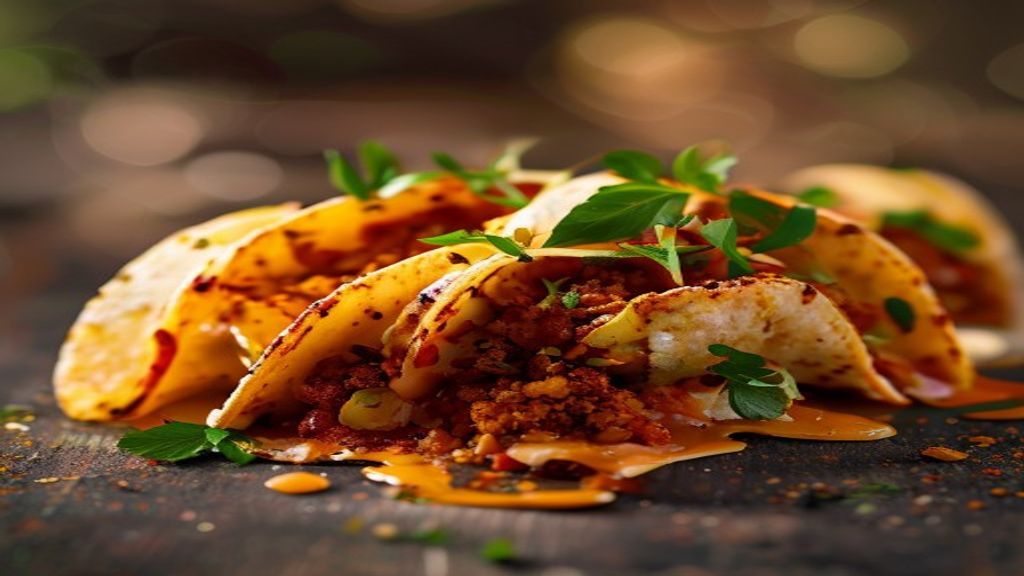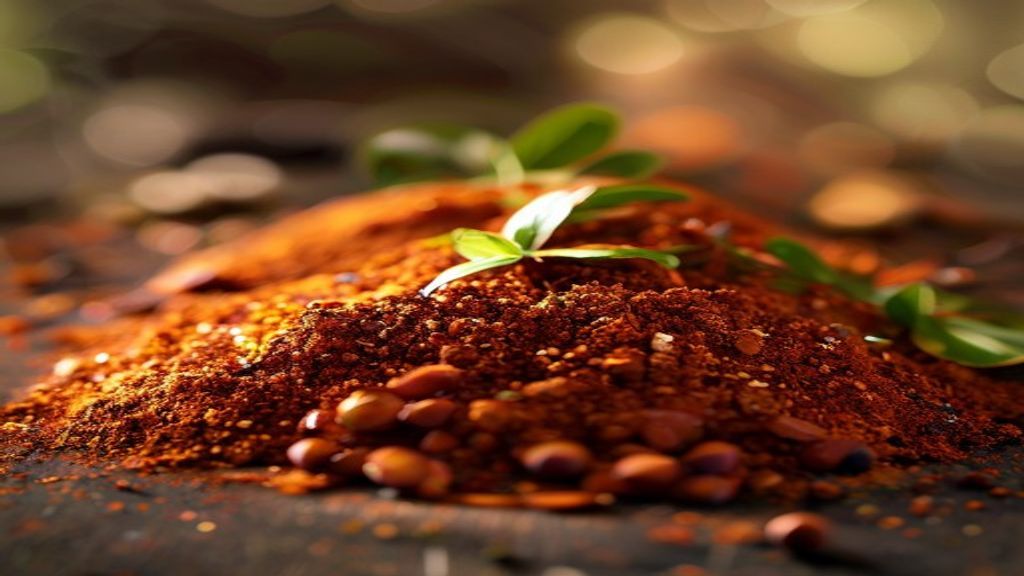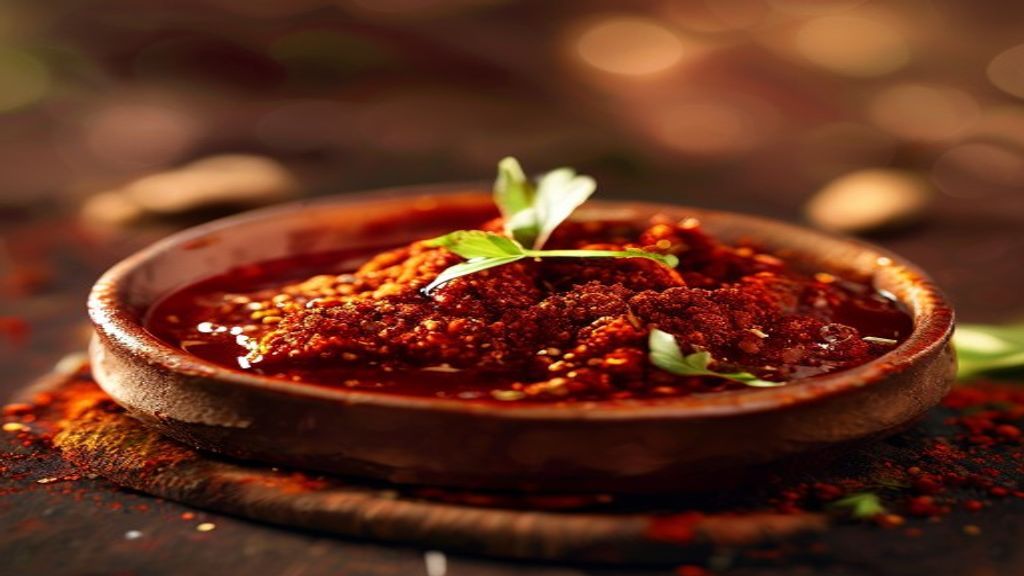
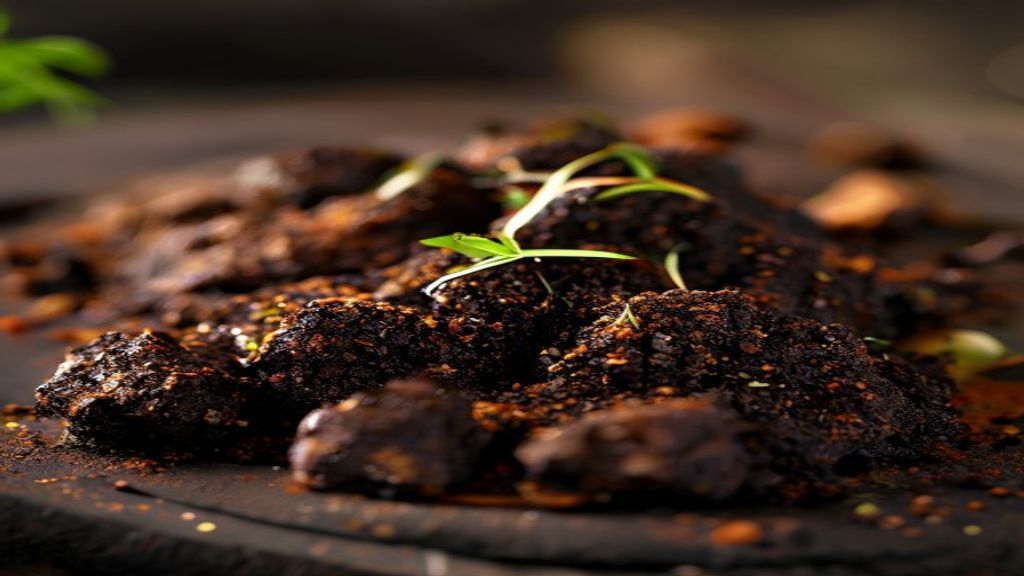
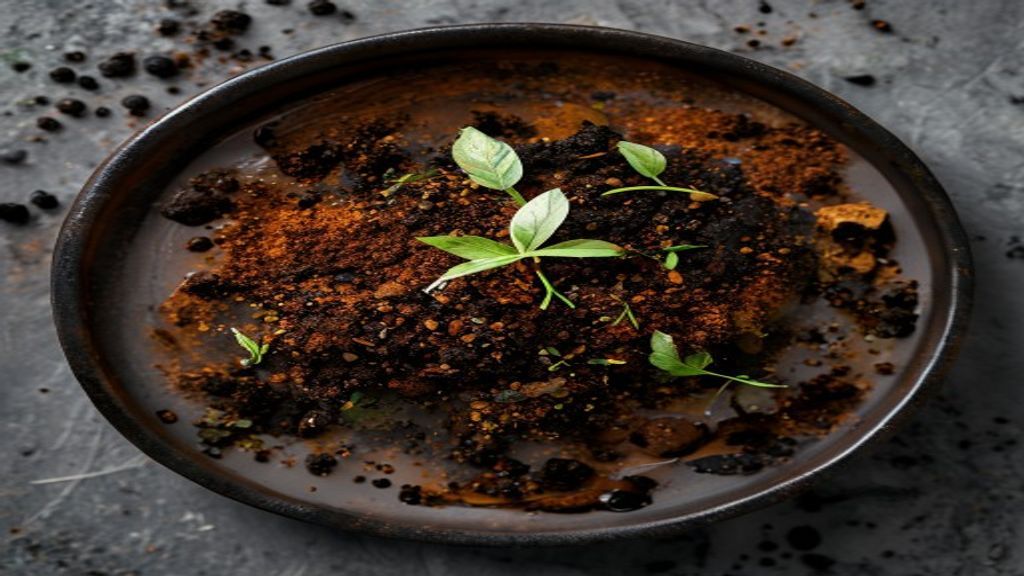
I spent years buying those tiny, overpriced tins of spice mix until I realized they were mostly just salt and filler. This homemade blackened seasoning recipe balances the heat of cayenne with the depth of smoked paprika to ensure a complex, restaurant-quality crust that avoids the bitterness often found in store-bought blends. You’ll get a dark, uniform, matte-textured coating on the protein. It carries a fragrant, toasted aroma and a deep reddish-brown to near-black color.
Quick Answer: Homemade blackened seasoning is a robust blend of smoked paprika, kosher salt, garlic powder, onion powder, dried thyme, dried oregano, cayenne pepper, black pepper, and white pepper. This combination creates a deep, smoky, and spicy crust when seared in a hot pan.
Most store-bought versions rely on cheap fillers that leave a chemical aftertaste on your tongue. By mixing your own, you control the intensity of the heat and the richness of the smoke. When you prepare your cast iron skillet, the spices transform into a dark, uniform, matte-textured coating that smells deeply toasted and savory.
Ingredients
I always grab the smoked paprika from Penzey’s because the depth it adds to this homemade blackened seasoning recipe is honestly worth the extra trip to the store.
The Base Spices
- 2 tablespoons smoked paprika
- 1 tablespoon kosher salt
- 1 tablespoon garlic powder
- 1 tablespoon onion powder
The Herbs and Heat
- 1 tablespoon dried thyme
- 1 tablespoon dried oregano
- 1 teaspoon cayenne pepper
- 1 teaspoon freshly cracked black pepper
- 1 teaspoon white pepper
Before You Start
Don’t be tempted to swap the kosher salt for table salt, as the finer grains will make the blend way too salty. If you only have table salt, cut the amount in half or you’ll regret it. You can find more [tips on seasoning your cast iron → how to maintain your pans] before you start, since a well-seasoned skillet is non-negotiable for this method.
Regarding the white pepper, it adds a specific, sharp heat that black pepper just can’t replicate. You could leave it out if you’re sensitive to spice, but the blend will lose that signature bite. Also, skip the brown sugar. People suggest it for caramelization, but it just turns into a sticky, burnt mess that ruins your pan. Stick to the savory profile and you’ll be much happier with the cleanup.
Mixing and Applying Your Spice Blend
Prep: 5 mins · Cook: 0 mins · Total: 5 mins · Serves: 12 servings
Step 1: Prepare your workspace
Grab a small glass or ceramic bowl to mix your spices. Make sure it’s completely dry, as any lingering water will cause the spices to clump up immediately. You’ll want to have your storage jar ready nearby so you can transfer the blend right after mixing.
Step 2: Combine the dry ingredients
Add the smoked paprika, kosher salt, garlic powder, onion powder, dried thyme, dried oregano, cayenne pepper, black pepper, and white pepper into your bowl. Use a fork to whisk them until the color is uniform. You’re looking for a consistent, deep reddish-brown hue throughout the entire mixture. If you see streaks of white or pale yellow, keep whisking until everything is fully integrated.
Step 3: Store the mixture
Pour the spices into your jar and seal it shut. Keep this in a cool, dark cupboard away from the stove to maintain the potency of the dried herbs. When you’re ready to use it, give the jar a quick shake to redistribute any settled particles.
Step 4: Apply to your protein
Before you apply the rub, use a paper towel to pat your fish or chicken until it is bone-dry. This ensures the spices stick to the meat rather than sliding off into the pan. Press the seasoning firmly into the surface of the protein with your fingers to create a solid, uniform layer. If you’re looking for tips on choosing the best cuts of fish, this is the time to ensure your fillets are uniform in thickness for even cooking.
Step 5: Sear the seasoned protein
Place your skillet over medium-high heat. Once you see a faint shimmer on the surface of your butter or oil, carefully lay the seasoned protein into the pan. Listen for a steady, aggressive sizzle as the spices hit the fat. Cook until the crust turns a deep mahogany brown and the meat reaches the appropriate internal temperature. For fish, look for an internal temperature of 145°F or wait until the flesh is opaque and flakes easily with a fork. For poultry, use a meat thermometer to ensure it hits 165°F.
Troubleshooting
| Problem | Cause | Solution |
|---|---|---|
| Spices taste bitter | Pan heat is too high | Lower to medium-high heat |
| Coating falls off | Surface was still damp | Pat meat bone-dry first |
| Clumpy texture | Moisture in the bowl | Use a completely dry bowl |
Tips for Getting It Right
If you find the crust isn’t sticking, you might be tempted to add oil to the spice mix, but don’t do that. Instead, brush a very thin layer of oil directly onto your fish or chicken before pressing the dry rub into the surface. This creates a tacky base that holds everything in place while you sear.
When you’re working with a heavy cast iron skillet, give it a few extra minutes to preheat before adding the fat. You want the heat to be consistent across the entire surface so the spices toast evenly. If the pan has cold spots, you’ll end up with some parts of the crust that are raw and others that are burnt.
Variations Worth Trying
If you want to lean into the heat, increase the cayenne pepper to two teaspoons. Just keep in mind that the white pepper and black pepper already provide a sharp, lingering warmth that builds up quickly.
For a more herbal profile, you can double the dried thyme and dried oregano. These woody herbs hold up well to the high-heat searing process without losing their character. It adds a nice, earthy complexity that balances out the intensity of the smoked paprika.
Frequently Asked Questions
What is in blackened seasoning?
This blend relies on a mix of smoked paprika, kosher salt, garlic powder, and onion powder for the base. It also includes dried thyme and dried oregano for earthiness, plus a trio of peppers—cayenne, black, and white—to provide that signature spicy kick.
How do you use blackened seasoning on fish?
Pat your fish until it is bone-dry, then press the spice blend firmly into the flesh with your fingers. Heat your skillet to medium-high, add your fat, and sear until you get a deep mahogany crust. You can find more guidance on preparing delicate fillets if you’re worried about the fish falling apart during the flip.
Is blackened seasoning the same as Cajun seasoning?
They share similar ingredients, but this specific mix focuses heavily on the smoked paprika and pepper ratios to create a dark, matte crust. Cajun blends often include other ingredients not found here, so this version is specifically calibrated for that deep, toasted finish.
How long does homemade blackened seasoning last?
If you keep it in an airtight jar in a cool, dark cupboard, it stays potent for about six months. Just give the jar a good shake before you start cooking to make sure the heavier spices haven’t settled at the bottom.
This version balances the heat of cayenne with the depth of smoked paprika to ensure a complex, restaurant-quality crust that avoids the bitterness often found in store-bought blends.
- 2 tablespoons smoked paprika
- 1 tablespoon kosher salt
- 1 tablespoon garlic powder
- 1 tablespoon onion powder
- 1 tablespoon dried thyme
- 1 tablespoon dried oregano
- 1 teaspoon cayenne pepper
- 1 teaspoon freshly cracked black pepper
- 1 teaspoon white pepper
- Step 1: Gather a small mixing bowl and a clean, dry airtight container for storage.
- Step 2: Whisk together the smoked paprika, salt, garlic powder, onion powder, thyme, oregano, cayenne, black pepper, and white pepper.
- Step 3: Transfer the blend into your airtight container and seal it tightly.
- Step 4: Pat your protein dry and coat it evenly with the seasoning blend.
- Step 5: Heat a heavy-bottomed cast iron skillet over medium-high heat and sear until the crust is dark and the protein is cooked through.