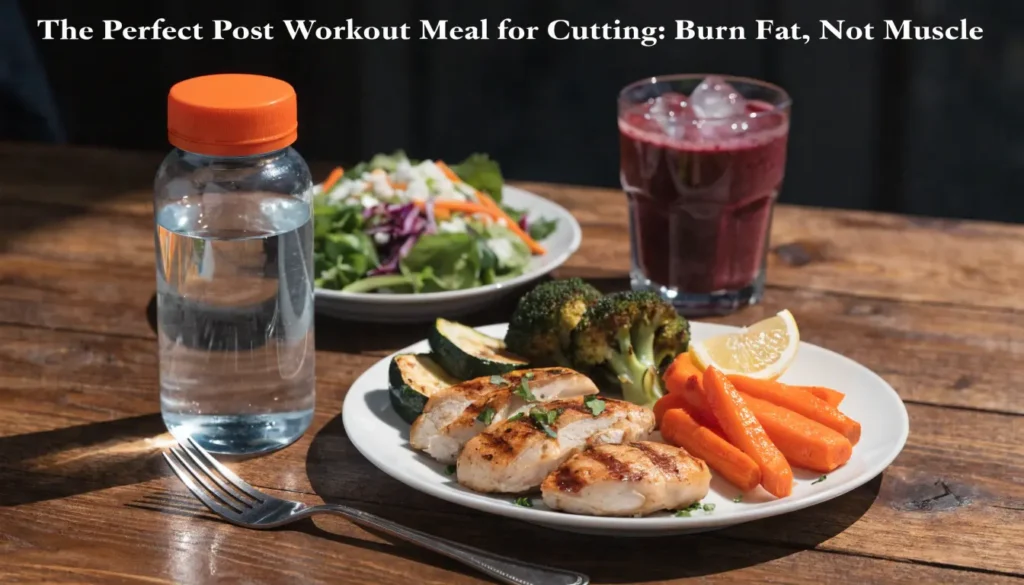
You walk out of the gym, muscles screaming for fuel, and your brain immediately goes to that smoothie bar on the corner. You know the one. The place with the glowing neon sign and the menu board that somehow turns a banana, some ice, and a scoop of powder into a twelve-dollar transaction.
I’ve been there. More times than I’d like to admit.
There’s a particular sting that comes with swiping your card for a “recovery” drink that costs more than the tank of gas you just put in your car. You’re trying to do the right thing for your body. You’re putting in the work. But somewhere between the gym floor and your kitchen, the fitness industry convinced you that proper nutrition requires a second mortgage.
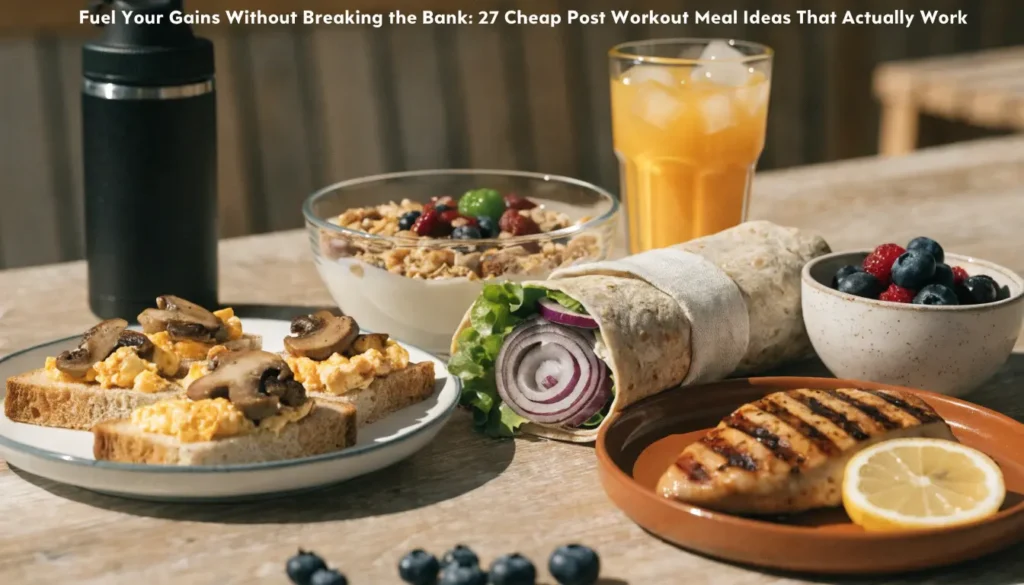
Here’s what I’ve learned after years of chasing gains on a shoestring budget: your muscles don’t know the difference between a $12 smoothie and a $2 bowl of oats and eggs. They only know the nutrients.
This guide is built on that truth. The cheap post workout meal ideas you’re about to walk through aren’t about deprivation. They’re about working smarter. They’re about looking at your pantry differently and realizing that the best recovery fuel has been sitting there the whole time, waiting for you to stop overcomplicating things.
Why Your Post-Workout Meal Matters (And Why Cost Shouldn’t Stop You)
Let’s clear something up right away. You’ve probably heard the term “anabolic window” thrown around gym floors and fitness forums. The idea that you have roughly thirty minutes after your last rep to shove protein into your face or your workout was essentially wasted.
That’s not quite how the body works.
The Anabolic Window: Myth vs. Reality
Your body isn’t a ticking time bomb with a thirty-minute fuse. Research published in the Journal of the International Society of Sports Nutrition has shown that while early refueling does support muscle protein synthesis, the window is actually several hours long. You have time. You don’t need to chug a shake in the locker room.
What matters more is consistency. A solid recovery meal eaten within a couple hours of training will serve you just fine. This matters for your wallet because it means you can go home. You can cook. You don’t have to pay premium prices for convenience.
What Your Body Actually Needs
Instead of worrying about timing, focus on getting three things into your system after you train. Strip away the marketing jargon and this is what recovery actually requires:
- Protein for muscle repair. Aim for roughly twenty to forty grams. This rebuilds the tissue you just broke down during training. Cheap sources that deliver here include eggs, canned tuna, plain Greek yogurt, chicken thighs (which almost always cost less than breasts), and lentils.
- Carbs to refill energy stores. Your muscles run on glycogen. After training, those stores are depleted. Replenishing them helps you recover faster and perform better next time. Bananas, oats, white rice, and sweet potatoes all do this job without costing much.
- Hydration with electrolytes. Water alone often isn’t enough. You lose sodium and potassium through sweat. A pinch of table salt in your food or a squeeze of lemon in your water covers this without buying expensive electrolyte powders.
When you understand these three simple pillars, you stop being a target for expensive marketing and start being someone who can walk into any grocery store and build a recovery meal for pocket change.
The Grocery List for the Budget-Conscious Athlete
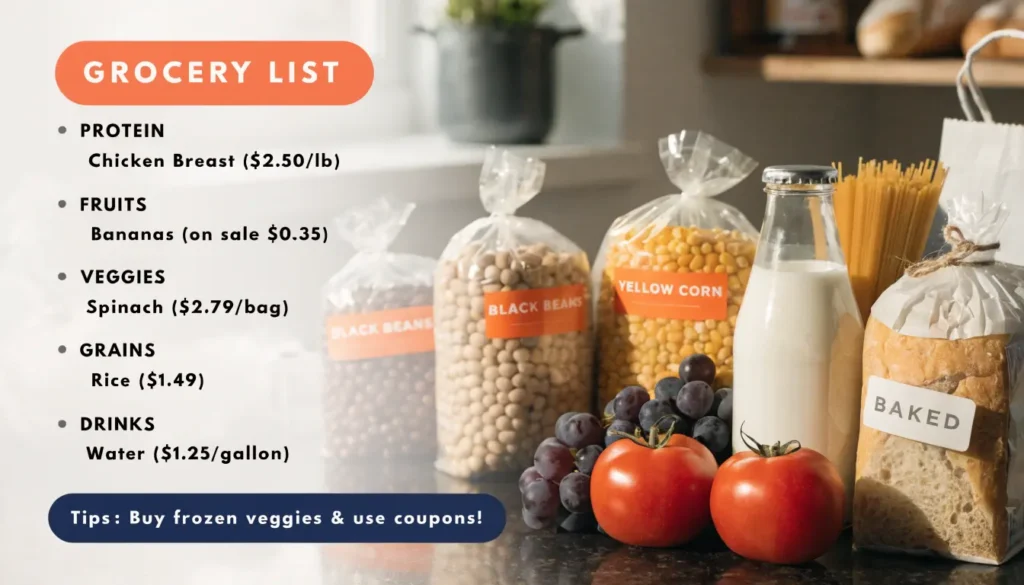
Before you can cook cheap, you have to shop smart. The way you move through the grocery store matters just as much as what you put in your cart.
Pantry Staples Under $5
Build your kitchen around ingredients that don’t expire quickly and deliver high nutritional value per dollar. Every cheap post workout meal idea in this guide starts with some version of these:
- Canned goods: Tuna, sardines, chickpeas, black beans. These sit on your shelf for months and cost less than two dollars per can.
- Grains: Rolled oats bought from the bulk bin, brown rice, and basic pasta. These give you the carbohydrate foundation for recovery at pennies per serving.
- Frozen section: Berries, spinach, and edamame. Frozen produce often has more vitamins than fresh because it’s flash-frozen at peak ripeness. Plus, you never waste money on something that rots in your fridge.
The “Discount Rack” Strategy
Here’s a trick that took me years to learn. Most grocery stores mark down meat that’s approaching its sell-by date. Usually this happens early in the morning, around six or seven AM.
That package of chicken thighs with a sticker that knocks thirty percent off the price? Buy it. Freeze it the same day. When you thaw it later, it tastes identical to the full-price version sitting next to it.
If you’re willing to spend twenty minutes learning how to break down a whole chicken, you can save even more. Whole birds routinely cost less per pound than individual cuts. One chicken gives you breasts, thighs, drumsticks, wings, and a carcass for broth. That’s multiple recovery meals from a single purchase.
5 Cheap Post Workout Meal Ideas for Meat Lovers
These meals keep your protein intake high while keeping your per-serving cost under three dollars. Each one relies on ingredients you can stock up on when they go on sale.
1. The $2.50 Chicken Thigh Burrito Bowl
This meal tastes like something you’d pay fifteen dollars for at a fast-casual spot, but it costs a fraction of that.
Start with shredded chicken thighs. Dark meat stays juicier than breast when reheated, and it usually costs less per pound. Cook a batch on Sunday with salt, pepper, and cumin. Add a can of black beans, which cost around ninety cents and deliver fiber plus protein. Layer in white rice for fast-absorbing carbs. Top with salsa from a jar.
Why this works so well for recovery: you’re getting the sodium you lost through sweat, a complete protein profile from the chicken and beans combined, and enough carbohydrates to replenish glycogen without weighing you down.
2. Tuna Melt Quesadilla
Canned tuna packed in water is one of the most concentrated protein sources you can buy for the price. A single can delivers roughly twenty-five grams of protein.
Drain the tuna and mix it with a little mayonnaise or plain yogurt. Spread it on a whole wheat tortilla. Add shredded mozzarella from a bulk bag. Fold it in half and cook in a dry pan until the tortilla crisps and the cheese melts.
The combination of fast-digesting protein from the tuna and slower-digesting casein from the cheese gives your muscles a sustained release of amino acids during recovery. Just don’t make this your every-day meal. Stick to tuna two or three times a week to keep mercury exposure in check.
3. Budget Beef and Sweet Potato Skillet
Ground beef goes on sale regularly. When it does, buy a few pounds and freeze what you don’t use immediately.
Brown the beef in a skillet. Drain the fat. Dice a sweet potato into small cubes and add it to the pan with a splash of water. Cover and let the sweet potato steam until tender. The natural sweetness balances the savory beef, and you get a perfect mix of protein and complex carbohydrates.
4. Hard-Boiled Egg Plate
Eggs are still one of the cheapest complete protein sources available. A dozen large eggs gives you seventy-two grams of protein for around three dollars.
Keep a batch of hard-boiled eggs in your fridge at all times. After training, peel three or four of them. Slice them onto toast or eat them plain with a sprinkle of salt and pepper. Pair with a piece of fruit for carbohydrates. This takes thirty seconds to assemble and costs less than a dollar.
5. Simple Sardine Rice Bowl
Sardines don’t get enough attention in the fitness world. They’re cheap, they’re shelf-stable, and they deliver protein along with omega-3 fatty acids that help manage inflammation from training.
Drain a tin of sardines packed in water or olive oil. Flake the fish over warm rice. Add a splash of soy sauce and whatever vegetables you have on hand. The omega-3s help reduce post-workout soreness, which means you recover faster and get back to training sooner.
5 Cheap Post Workout Meal Ideas for Vegans & Vegetarians
Plant-based eaters often face a different challenge. Vegan protein powders can cost a fortune, and the assumption is that building muscle without meat requires expensive substitutes. That assumption is wrong.
6. Lentil Pasta Power-Up
Red lentils cook quickly and break down into a sauce-like consistency that mimics the texture of a hearty meat sauce.
Simmer one cup of red lentils with a jar of marinara sauce. Add water as needed to reach the consistency you want. Serve over regular pasta or use lentil-based pasta for even more protein.
One bag of lentils costing around a dollar fifty yields enough sauce for four servings. Each serving delivers roughly fifteen grams of protein from the lentils alone, plus complex carbohydrates for glycogen replenishment.
7. The 5-Minute Tofu Scramble
A block of firm tofu costs around two fifty and contains roughly thirty grams of protein. That’s cheaper per gram than almost any plant-based protein powder on the market.
Crumble the tofu into a hot pan with a little oil. Add turmeric for color and nutritional yeast for a cheesy flavor along with B vitamins. Throw in a handful of frozen spinach. Cook until everything is heated through.
Serve this on toast or wrapped in a tortilla. The combination of soy protein and whole grains creates a complete amino acid profile that supports muscle repair just as effectively as animal protein.
8. Black Bean and Sweet Potato Tacos
Canned black beans cost less than a dollar per can. Sweet potatoes are consistently one of the cheapest vegetables in any grocery store.
Roast diced sweet potatoes until tender. Warm the black beans on the stove with cumin and chili powder. Stuff both into corn tortillas. Top with whatever salsa or hot sauce you have.
The beans provide protein and fiber. The sweet potatoes deliver carbohydrates and potassium, which helps with muscle function and cramp prevention.
9. Peanut Butter Banana Toast
Sometimes the simplest option is the smartest.
Whole grain bread, natural peanut butter, and a sliced banana. That’s it. The bread gives you fast carbs. The banana adds more carbs and potassium. The peanut butter contributes protein and healthy fats that support hormone production.
This meal costs around a dollar and takes ninety seconds to prepare. It’s also completely portable if you need to eat on your way to work.
10. Chickpea Salad Wraps
Mash a can of chickpeas with a fork until they’re broken down but still have texture. Mix with a little mayonnaise or yogurt, some diced celery, salt, and pepper.
Spoon the mixture into a whole wheat wrap with lettuce or spinach. Chickpeas deliver protein and fiber in a combination that keeps you full and supports steady energy levels during the post-workout window.
Liquid Recovery: Smoothies & Shakes Under $2
If you prefer drinking your recovery, you don’t need to rely on expensive tubs of whey isolate. Whole foods blended together can deliver the same results for a fraction of the cost.
The “Kitchen Sink” Recovery Smoothie
Skip the expensive almond milk. Use water or green tea as your liquid base. Both are essentially free and hydrate you effectively.
Add half a cup of plain Greek yogurt from a bulk tub. This gives you protein and probiotics. Add one frozen banana that you bought fresh and froze yourself when it started to brown. Bananas that are past their prime for eating are perfect for smoothies, and freezing them prevents waste.
Throw in a tablespoon of peanut butter for flavor and healthy fats. Add cocoa powder if you want a chocolate taste. Blend until smooth.
The total cost for this smoothie is around a dollar fifty, and it delivers protein, carbs, and electrolytes in a format your body can absorb quickly.
Chocolate Milk: The Science-Backed Classic
This one sounds too simple to be effective, but the research says otherwise. Studies published in the International Journal of Sport Nutrition and Exercise Metabolism have repeatedly shown that low-fat chocolate milk has an ideal carbohydrate-to-protein ratio for post-exercise recovery.
Store-brand chocolate milk costs roughly the same as one scoop of mid-tier protein powder. The difference is that a quart gives you multiple servings instead of one.
Drink eight to twelve ounces after training. The fluid replaces what you lost through sweat. The sugar helps shuttle protein into muscles. The dairy protein provides the building blocks for repair.
Meal Prep: Scaling Cheap Post Workout Meal Ideas for the Week
The biggest threat to your budget isn’t expensive ingredients. It’s the moment after a hard workout when you’re exhausted, your fridge is empty, and ordering takeout feels like the only option.
Meal prep eliminates that moment.
The Sunday Prep Routine
Set aside one hour on Sunday to handle these three tasks:
- Cook a large batch of grains. Two cups of dry rice or quinoa yields enough for five to seven meals.
- Roast a sheet pan of vegetables. Sweet potatoes and broccoli are cheap, nutrient-dense, and roast well in bulk.
- Prepare your protein. Hard boil a dozen eggs. Cook a pack of chicken thighs or a pot of lentils. Having protein ready to go removes the barrier between you and a proper recovery meal.
Build-Your-Own “Emergency” Jar
This trick has saved me more times than I can count.
Take a small mason jar or any container with a tight lid. Add a quarter cup of rolled oats, a scoop of the cheapest unflavored protein powder you can find or powdered peanut butter, and a pinch of salt.
Keep this jar in your gym bag. When you finish training, add water, shake vigorously, and drink. You now have an instant, shelf-stable recovery meal that cost you less than a dollar to assemble.
Expert Tips for Maximizing Value
These strategies go beyond recipes. They’re about changing how you approach food as fuel.
Don’t Skip the Carbs
I see this mistake constantly. People trying to save money or “eat clean” will eat only chicken breast and broccoli after training. They feel terrible the next day and wonder why.
Carbohydrates are your friend, especially after training. They’re also the cheapest calories you can buy. A bag of rice costs a few dollars and provides dozens of servings. Skimping on carbs leaves you feeling flat, lethargic, and more likely to binge on expensive convenience food later.
Utilize Frozen Produce
Frozen fruits and vegetables aren’t inferior to fresh. They’re picked at peak ripeness and frozen immediately, which locks in nutrients. Fresh produce often sits in trucks and on shelves for days or weeks before you buy it.
Frozen spinach, frozen berries, and frozen edamame consistently cost twenty to forty percent less than their fresh counterparts. They also never go bad in your fridge, which means zero waste.
Buy in Bulk When It Makes Sense
Not everything should be bought in bulk. Perishable items that you won’t finish quickly can end up costing you more if you throw away spoiled food.
But things like oats, rice, beans, and frozen vegetables? Buy the largest size available. The per-unit price almost always drops significantly. Split bulk purchases with a training partner if storage space is an issue.
Conclusion
You don’t need a kitchen full of exotic ingredients or a refrigerator stocked with grass-fed everything to recover properly from training. The fitness industry has spent years convincing you that recovery requires spending money. It doesn’t.
The cheap post workout meal ideas you’ve walked through here prove that point. Eggs, oats, lentils, bananas, canned fish, frozen vegetables—these are the foods that have fueled strong people for generations. They haven’t stopped working just because someone started selling a fancier version in a shiny package.
When you strip away the marketing and focus on what your body actually needs, recovery becomes simple. Protein. Carbs. Hydration. Those three things cost very little when you source them wisely.
Your muscles don’t care about price tags. They care about nutrients. Give them what they need using the strategies you’ve learned here, and watch your progress continue without watching your bank account drain.
Now it’s your turn. Pick one of these meals and make it your post-workout standard for the next week. See how your recovery feels. See how your wallet feels. Then come back and build from there.
Frequently Asked Questions (FAQ)
What is the absolute cheapest post workout meal?
White rice and eggs consistently take the top spot here. A serving of rice costs roughly twenty cents. Two large eggs add about fifty cents. That gives you a meal with fast-absorbing carbohydrates and high-quality protein for under seventy cents total. Store-brand chocolate milk is another strong contender, often costing less than a dollar per serving while delivering researched-backed recovery benefits.
Can I build muscle using cheap post workout meal ideas?
Absolutely. Muscle growth depends on consistent total protein intake and progressive overload in your training. It does not depend on the price of your food. Cheap post workout meal ideas built around eggs, canned fish, lentils, and bulk chicken thighs deliver the same essential amino acids as expensive steak or premium protein powders. Your body processes them the same way.
Is it okay to eat the same cheap post workout meal every day?
For convenience and budgeting, eating the same meal frequently works well. But rotating your options ensures you cover all your micronutrient bases. Eating tuna every day introduces unnecessary mercury exposure. Eating only lentils daily may cause digestive discomfort from the high fiber content. Rotate between animal and plant-based sources throughout the week for optimal health and variety.
Do I need a protein powder for cheap post workout recovery?
No. Protein powder exists for convenience, not necessity. When you buy it in bulk, the cost per gram of protein can be reasonable. But whole food options like Greek yogurt, cottage cheese, eggs, or a peanut butter sandwich offer similar or better nutritional value for the same or lower cost. They also provide additional micronutrients and greater satiety than a liquid shake.
How soon after my workout should I eat?
The old rule about eating within thirty minutes is outdated. Current research shows you have several hours after training to consume a recovery meal and still receive full benefits. The more important factor is consistency. Make sure you eat a balanced meal with protein and carbohydrates sometime after training, and focus on meeting your total daily nutrition goals rather than obsessing over exact timing.
Ready to put these ideas into action? Pick one recipe from this list to try after your next workout. Share your creation in the comments below—I’d love to hear which cheap post workout meal idea becomes your new go-to. And if you found this guide helpful, pass it along to a training partner who’s also tired of spending too much on recovery fuel.