You know that feeling when a smell stops you mid-step? For me, it’s the scent of buckwheat toasting in a dry pan, followed by the slow pour of warm milk. It pulls me back to a small kitchen with yellowed lace curtains, where my grandmother would wave a wooden spoon and insist I sit down before the kasha got cold. I didn’t know it then, but she was giving me something far more valuable than breakfast. She was handing down a ritual.
In her world, the first meal of the day was never an afterthought. It was armor. Against the cold, against the long hours ahead, against whatever the day might throw at her. Here in the rush of modern mornings—where we often grab coffee and scroll through notifications—there’s something quietly revolutionary about the way a Russian breakfast asks you to pause, to sit, and to fuel yourself properly.
Whether you’re looking to reconnect with heritage, break free from the sugar cycle of sugary cereals, or simply curious about what keeps people going through a Siberian winter, you’ve come to the right place. Let’s walk into that kitchen together and see what’s cooking.
What Is a Traditional Russian Breakfast, Really?
If you imagine a Russian breakfast as a lavish spread of caviar and champagne, you’ve been watching too many period dramas. The reality is humbler, smarter, and honestly, more comforting.
Traditional Russian mornings were shaped by necessity. Grains grew abundantly. Dairy kept well in cool cellars. Preserving fruits as varenie (whole-berry jam) meant sweetness was available even when fresh fruit wasn’t. Later, the Soviet era introduced convenience items like doktorskaya kolbasa—a finely ground bologna-style sausage named for doctors, because it was considered nutritious enough for the sick. That sausage, along with processed cheese in foil triangles, became morning staples not because they were luxurious, but because they were reliable.
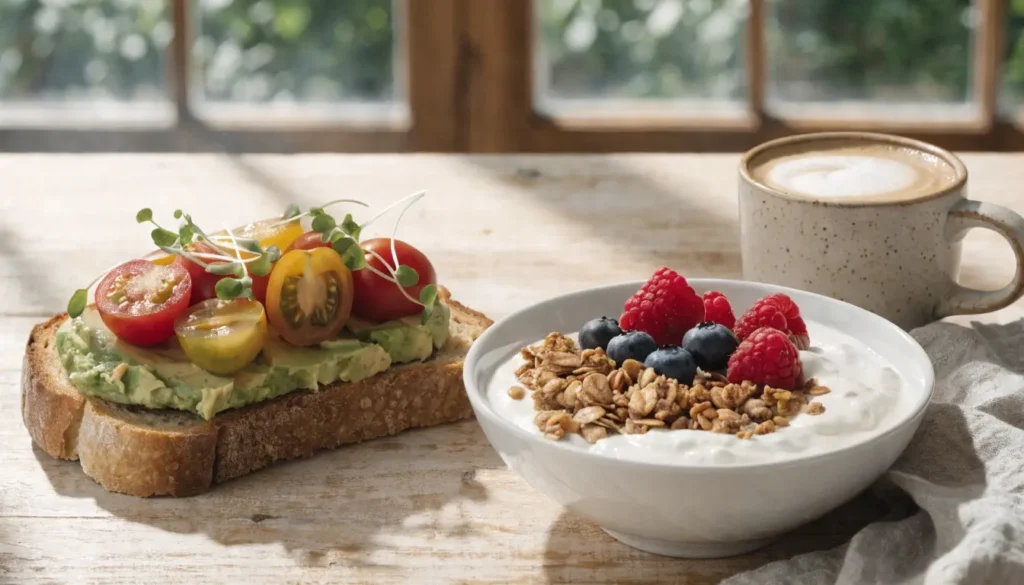
Today, you’ll find a blend of old and new. Young professionals in Moscow might pair avocado toast with a side of tvorog, while a babushka in a village still starts her day with buckwheat and a pat of butter. But the philosophy hasn’t changed: a Russian breakfast is meant to sustain you. It’s not decorative. It’s functional in the best sense of the word.
The Holy Trinity: Kasha, Tvorog, and Blini
Walk into any Russian home in the morning, and you’ll likely find one of these three on the table. They’re the pillars. Master these, and you’ve mastered the heart of the cuisine.
Kasha: Not Just Porridge
Let’s clear something up right away. When Russians say kasha, they don’t just mean oatmeal. The word covers a range of cooked grains, and the way it’s prepared tells you a lot about the cook.
- Grechnevaya (buckwheat) is the heavyweight champion. It’s earthy, slightly nutty, and often served savory. You eat it with butter, sometimes with milk poured over it, or mixed with tvorog for a protein boost. Buckwheat is so beloved that it’s considered a national symbol of sorts—a humble grain that punches above its weight in nutrition.
- Mannaya (semolina) is the childhood memory for most Russians. Made from finely ground wheat, it’s cooked in milk until silky and served sweet, often with a spoonful of jam stirred in. The key is no lumps. A proper mannaya kasha should be smooth enough to make you forget you’re eating something that’s actually quite simple.
- Pshennaya (millet) shows up frequently in autumn and winter, often baked with pumpkin in a clay pot. The sweetness of the vegetable melds with the grain, creating something that feels like dessert but eats like a meal.
Here’s a Russian saying you should know: “Kasha maslom ne isportish”—you can’t ruin kasha with butter. And they mean it. A generous slab of slivochnoye maslo (butter) goes into or onto almost every bowl. It’s not about indulgence; it’s about making sure the fuel burns slowly through the morning.
Tvorog: The Underrated Protein Hero
If you’ve only ever tried cottage cheese from a plastic tub, you haven’t met tvorog. This fresh curd cheese is drier, tangier, and significantly richer in protein. It’s a blank canvas, and Russians use it brilliantly.
- Syrniki are the showstoppers. You mix tvorog with eggs, a little flour, and sugar, then shape the mixture into small patties and fry them until they’re golden and slightly crisp on the outside, tender on the inside. Serve them with smetana (sour cream), honey, or varenie. They’re often the gateway dish for people who think they don’t like cottage cheese.
- Lazy vareniki are exactly what they sound like. Instead of making full dumplings, you mix the tvorog into the dough, roll it out, and cut it into pieces that you boil briefly. They’re called “lazy” because they’re quicker than the traditional version, but they’re still a labor of love.
- And sometimes, tvorog isn’t cooked at all. Just served fresh in a bowl, maybe with a dollop of smetana and some berries. Simple. Perfect.
Blini: Thin Pancakes with Range
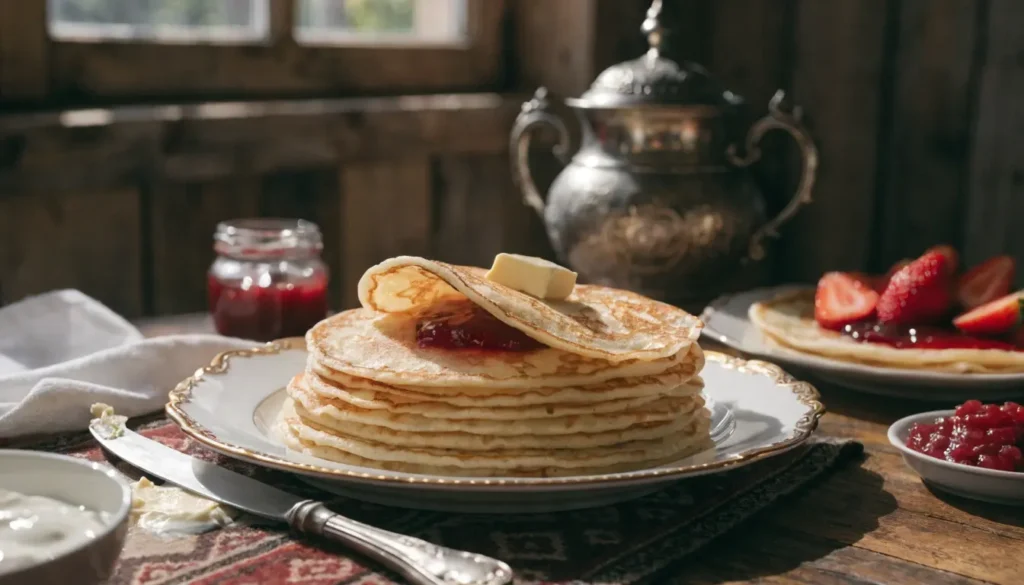
Yes, blini are famous for Maslenitsa, the week-long pancake festival before Lent. But in many homes, they’re also a weekend morning treat. The batter is thin, the pancakes are lacy, and what you wrap inside them changes everything.
Sweet versions come with honey, sgushchenka (sweetened condensed milk), or fresh berries. Savory ones—often for a more substantial breakfast—get filled with smoked salmon, red caviar (for special occasions), or simply butter that melts into the warm folds. The beauty of blini is their versatility. One batch can serve three different tastes at the same table.
The Savory Side of a Russian Breakfast

Here’s a myth worth busting: Russian mornings aren’t all sweet. In fact, many households lean heavily into savory options, especially on weekdays when time is short and appetite is hearty.
The Buterbrod Philosophy
The open-faced sandwich is an art form in Russia. It’s not about piling ingredients sky-high; it’s about balance, simplicity, and a few quality components.
- A slice of rye bread, butter spread to the edges, topped with doktorskaya sausage. This was the Soviet breakfast standard—quick, filling, and affordable.
- The more rustic version: dark bread, salo (cured pork fat, often with a layer of meat beneath the fat), and a clove of garlic rubbed over the surface. It sounds intense, and it is. But it’s also the kind of breakfast that keeps you going until dinner.
- Plavleniy syr—processed cheese in those little foil triangles—has a nostalgic grip on the culture. Spread it on bread, add a slice of cucumber if you’re feeling fancy, and you’ve got a breakfast that tastes like childhood.
Yaichnitsa: The Fried Egg Elevated
Fried eggs are universal. But in a Russian kitchen, they often come with company.
- Glazunya is the sunny-side-up version, fried in butter until the whites are set and the edges turn crispy and lacy.
- More commonly, you’ll see eggs fried alongside sausage or salo, or with tomatoes thrown into the pan. The fat from the meat flavors the eggs, and you end up with a one-pan meal that comes together in minutes.
It’s practical, it’s protein-packed, and it’s a reminder that a Russian breakfast doesn’t require a long ingredient list to be satisfying.
What Russians Drink with Breakfast
No morning meal is complete without something steaming in a cup or glass. The choice matters.
- Kofe is usually strong and brewed in a turka—a small long-handled pot—giving it a rich, unfiltered intensity. Instant coffee, rastvorimiy, is also common, a practical holdover from Soviet times when convenience often won out.
- Chay is the social heart of the meal. Black tea, brewed strong, served in a glass or mug. You don’t just stir sugar into it; you often eat varenie (whole-berry jam) from a spoon as a sweet counterpoint to the tea’s slight bitterness.
- Kisel’ is the wild card. A thick, drinkable fruit jelly made from berries or fruit juice thickened with starch. It was a staple in Soviet school cafeterias, and while it’s less common now, it’s seeing a revival among those who remember its comforting texture and gut-friendly properties.
Then and Now: How the Russian Breakfast Has Shifted
To understand the morning table today, it helps to look at where it came from. The contrast between Soviet-era breakfasts and modern ones tells a story of changing values, availability, and time.
Soviet Era:
- Kasha was central because grains were cheap and filling.
- Processed cheese and doktorskaya sausage offered protein in a system where fresh meat could be hard to find.
- Black tea was the default drink; coffee was less common.
- The rhythm was daily—you picked up fresh bread from the bakery each morning.
Modern Day:
- Syrniki have become a cafe darling, often served with fresh greens or avocado.
- Artisanal tvorog from farmer’s markets is prized over mass-produced versions.
- Chia seed pudding with sgushchenka appears on trendy breakfast menus.
- The emphasis has shifted from pure practicality to a blend of wellness, nostalgia, and aesthetic presentation.
What hasn’t changed? The underlying belief that breakfast matters. The details have evolved, but the ritual endures.
How to Build Your Own Russian Breakfast at Home
You don’t need a passport or a pantry full of imported goods to experience this. A few key ingredients will get you most of the way there.
What to Look For:
- Buckwheat groats. Often labeled “kasha” in the international aisle.
- Farmer’s cheese. If you can’t find it, a mix of cottage cheese and plain yogurt approximates the texture and tang of tvorog.
- Smetana. European-style sour cream with a higher fat content than standard sour cream.
- Rye bread. Dark, dense, ideally with caraway seeds.
- Sgushchenka. Sweetened condensed milk in the iconic blue-and-white can.
A Simple Weekend Meal:
- Toast the buckwheat. Dry in a pan until it smells nutty. Boil in a 2:1 ratio of milk to water.
- Form the syrniki. Mix farmer’s cheese, one egg, a spoonful of sugar, and enough flour to bind. Shape into patties. Fry in butter until golden on both sides.
- Set the table. Serve the syrniki with smetana and your favorite jam. Put the kasha in a bowl with a generous pat of butter melting in the center.
- Brew strong tea. Pour hot water over black tea leaves, let it steep thoroughly. Serve with a spoonful of varenie on the side.
That’s it. No complicated techniques, no obscure equipment. Just good ingredients treated with care.
Frequently Asked Questions About Russian Breakfast
What’s the most common Russian breakfast?
If you had to pick one, it would be kasha—specifically buckwheat or semolina—or tvorog served with smetana. For people in a hurry, a buterbrod (sandwich) with sausage or cheese paired with tea is the daily standard.
Do Russians eat eggs for breakfast regularly?
Yes. Yaichnitsa (fried eggs) is a staple, often cooked with sausage, salo, or tomatoes in the same pan. It’s a fast, filling option that shows up frequently on weekday mornings.
Is a traditional Russian breakfast healthy?
Generally speaking, yes. The emphasis on fermented dairy like tvorog, smetana, and kefir supports gut health. Buckwheat is a complete protein and rich in fiber. Compared to many Western breakfasts loaded with added sugar, the traditional Russian breakfast tends to be more balanced and satiating.
How is a Russian breakfast different from an American one?
The biggest difference is the savory-to-sweet ratio. American breakfasts often center on pancakes with syrup, sugary cereals, or sweet pastries. Russian breakfasts lean toward savory grains, dairy, and open-faced sandwiches, with sweetness coming from jams or sgushchenka used as toppings rather than the main event.
The Warmth of a New Day
There’s a reason this tradition has survived wars, political upheaval, and the relentless speed of modern life. A Russian breakfast is more than a meal plan. It’s a small act of resistance against the idea that mornings should be rushed through.
When you sit down to a bowl of buckwheat with butter melting into it, or you press syrniki into shape with your hands, you’re connecting to something bigger than yourself. You’re slowing down. You’re honoring the people who came before you who knew that how you start the day shapes how you live it.
So tomorrow morning, give yourself a gift. Put the phone down. Boil the kettle. Don’t skimp on the butter. And when you take that first bite, notice how it feels to start the day like that—with intention, with warmth, with a table that says you matter.
I’d love to hear how it goes. Have you tried making syrniki before? Did your grandmother make a version of kasha that you’re trying to recreate? Drop a comment below and share your own breakfast story. And if you found this guide helpful, pass it along to someone who could use a slower, heartier start to their day.