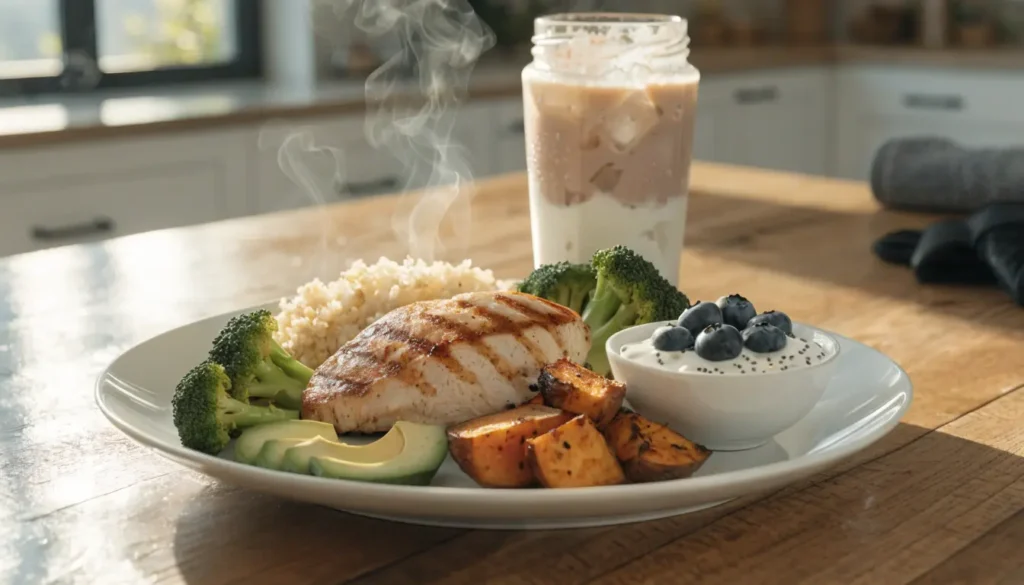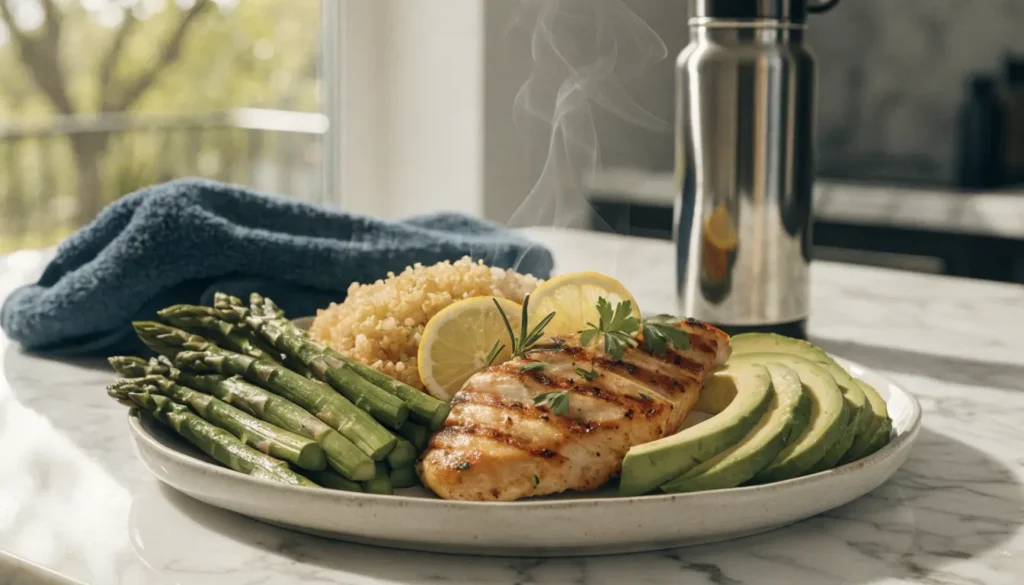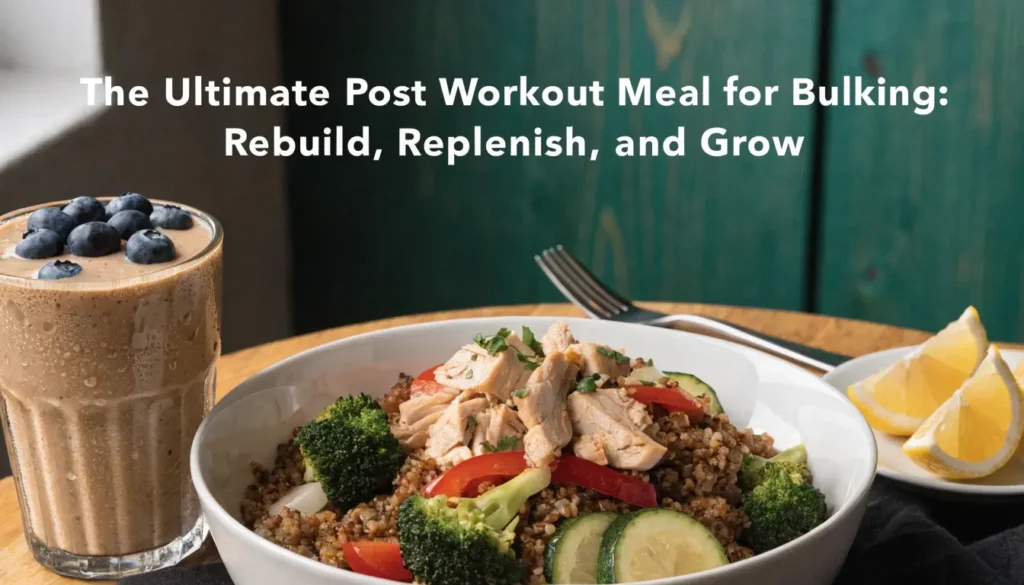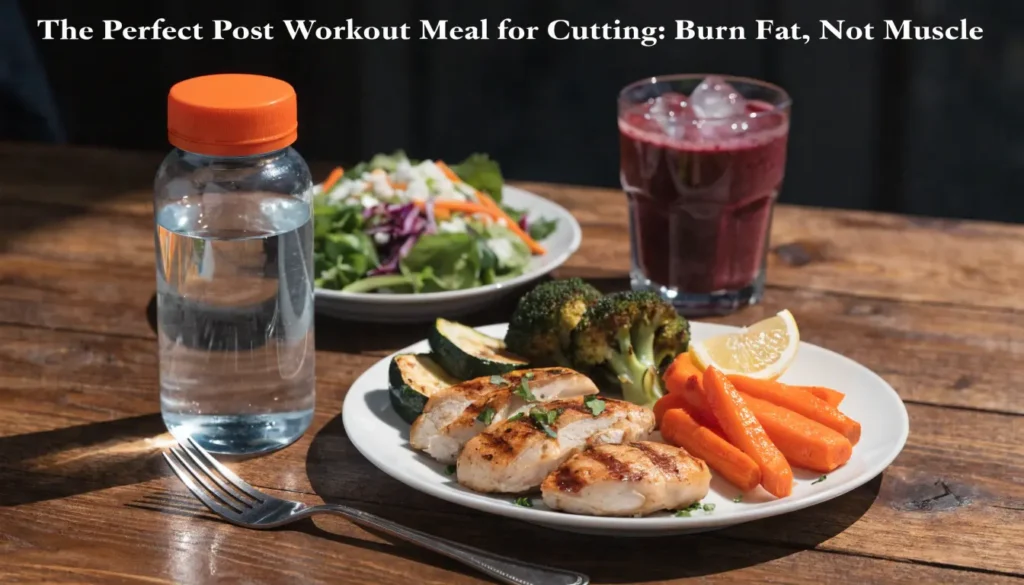
You know that feeling. Your legs are trembling, your shirt clings to your back like a second skin, and there’s a specific kind of exhaustion that settles deep into your bones—the good kind. The kind that tells you that you just pushed past a limit you didn’t know you had. You made a silent promise to yourself in that moment: I’m going to get stronger. I’m going to show up. I’m going to build something better.
But here’s the truth nobody tells you while you’re riding that endorphin high: the hardest part of your workout isn’t the last rep. It’s what you do in the next hour.
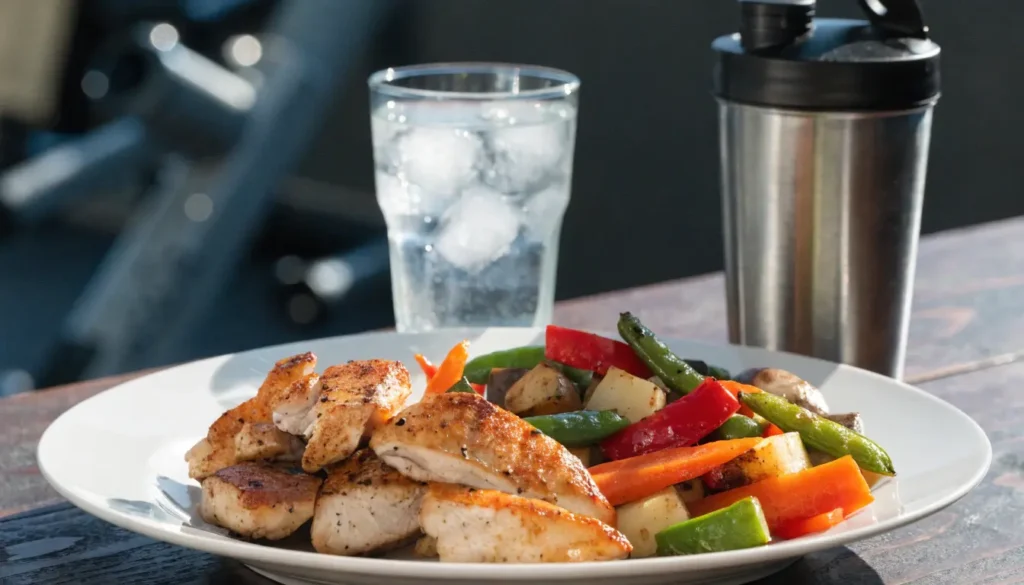
For years, I treated the gym as the main event and whatever I shoved in my mouth afterward as an afterthought. A protein bar here. A leftover slice of pizza there. And I couldn’t understand why my recovery felt sluggish, why my muscles ached for days, or why my progress on the bar seemed to move at a crawl. It wasn’t until I started honoring my effort with a deliberate, scientifically-timed post workout meal with chicken that everything clicked into place. Suddenly, soreness became manageable. Strength gains became consistent. And that promise I made to myself in the gym actually started coming true.
You’ve already done the hard work. Now, let’s make sure you get the results you deserve.
Why Chicken is the Undisputed King of Post-Workout Nutrition
When you finish a demanding training session, your muscle fibers are literally torn. Your body enters a state where it craves specific nutrients to begin the repair process. This process, known as muscle protein synthesis (MPS), is the biological engine behind every gain you’ll ever make. And the fuel you choose matters more than you might think.
The Amino Acid Advantage
Not all proteins are created equal. Chicken breast stands out because it delivers a complete amino acid profile, meaning it contains all nine essential amino acids your body cannot produce on its own. But there’s one particular amino acid that makes chicken truly exceptional: leucine.
Research published in the Journal of the International Society of Sports Nutrition highlights leucine as the primary trigger for activating muscle protein synthesis. Think of leucine as the key that turns on the machinery inside your cells responsible for building new muscle tissue. A standard 4-ounce serving of chicken breast provides roughly 2.5 to 3 grams of leucine—right in the sweet spot researchers recommend for maximizing the post-exercise anabolic response.
Lean, Mean, Digestion Machine
Another reason chicken works so well after training comes down to speed. When you finish a workout, your muscles are primed to absorb nutrients rapidly. Fat slows down gastric emptying, meaning a high-fat meal will sit in your stomach longer, delaying the delivery of those critical amino acids to your tired muscles.
Skinless chicken breast offers an exceptional protein-to-fat ratio. It delivers the building blocks you need without creating a traffic jam in your digestive system. This allows your body to quickly shuttle amino acids to where they’re needed most—directly into those damaged muscle fibers.
Versatility That Keeps You Consistent
Let’s be honest: consistency is the real secret behind any fitness transformation. And you’re far more likely to stick with a nutrition plan that doesn’t feel like punishment. Chicken offers a blank canvas. It takes on flavors beautifully, pairs seamlessly with a variety of carbohydrate sources, and never leaves you feeling like you’re eating “diet food.” Whether you prefer bold spices, fresh herbs, or simple salt and pepper, chicken adapts to your palate, making that post workout meal with chicken something you actually look forward to.
The Science of Timing: The “Anabolic Window” and Your Chicken
Walk into any gym locker room, and you’ll eventually hear someone frantically chugging a shake while insisting they have exactly 30 minutes to get protein into their system. The idea of the “anabolic window” has become almost mythical in fitness circles. But what does the science actually say?
Separating Fact from Fiction
The rigid 30-minute rule is somewhat overstated. Your muscles don’t shut the door on recovery the moment the clock strikes 31 minutes. However, research does show that muscle sensitivity to amino acids remains elevated for roughly two hours following intense resistance training. During this period, your body is more efficient at using the protein you consume to build new tissue.
Additionally, consider what’s happening inside your body immediately after training:
- Glycogen stores are depleted: Your muscles are like dry sponges, eager to soak up carbohydrates to replenish energy reserves.
- Blood flow is elevated: Nutrient delivery to damaged tissues happens more efficiently than at any other time of day.
- Cortisol levels are high: This stress hormone, which spikes during exercise, can promote muscle breakdown. A well-timed meal helps lower cortisol and shift your body into recovery mode.
Why Whole Food Timing Matters
A shake might hit your bloodstream faster, but a whole-food post workout meal with chicken offers something shakes can’t: sustained amino acid release. Because chicken takes roughly 60 to 90 minutes to fully digest, the nutrients become available precisely when your body is most receptive to them.
If you train in the evening and can’t sit down to a full meal immediately, consider a two-step approach. A fast-absorbing protein shake right after training can bridge the gap, followed by a proper post workout meal with chicken about an hour later. This combination keeps muscle protein synthesis elevated for an extended period, maximizing your recovery window.
The Perfect Plate: Macros and Micros to Pair with Your Chicken
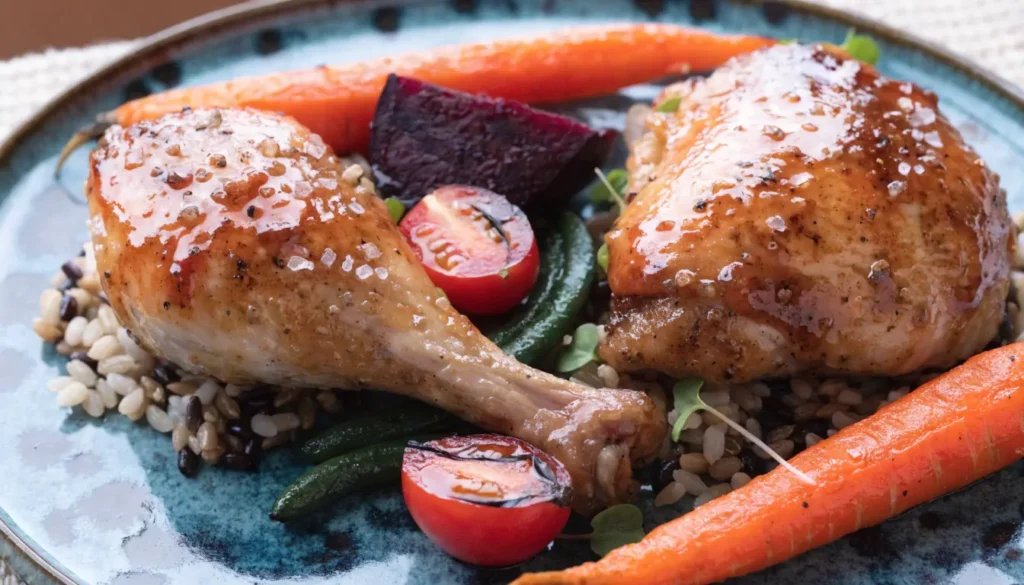
Building the ideal recovery meal isn’t complicated, but it does require a basic understanding of what your body actually needs. Think of your plate as having three essential components, each playing a distinct role in helping you bounce back stronger.
Protein – The Builder
Your goal here is straightforward: deliver enough high-quality protein to stimulate muscle repair without overwhelming your digestive system. For most individuals, that translates to 30 to 40 grams of protein per meal.
A standard 4- to 6-ounce chicken breast (roughly the size of your palm) fits this requirement perfectly. This portion provides ample leucine to trigger MPS while remaining easy to digest. If you’re using pre-cooked or rotisserie chicken, measure by weight to ensure accuracy—eyeballing portions often leads to under-eating protein, which can stall recovery.
Carbohydrates – The Replenisher
Here’s where many people get tripped up. In pursuit of leanness, they skip carbs after training, assuming that fewer carbs equal faster fat loss. In reality, this strategy often backfires.
Your muscles store energy in the form of glycogen. Intense training depletes these stores. If you don’t replenish them, your body may begin breaking down protein (including the chicken you just ate) to convert it into glucose for energy. You essentially waste the muscle-building potential of your meal.
Smart carbohydrate choices for post-workout include:
- White rice (digests quickly, easy on the stomach)
- Sweet potatoes (adds micronutrients without excess fiber)
- Jasmine rice (a faster-digesting option)
- White potatoes (simple, effective, and affordable)
Aim for a ratio of roughly 1:1 or 1:2 protein to carbohydrates, depending on the intensity and duration of your training. If you crushed a high-volume leg day, lean toward more carbs. If you had a lighter upper-body session, scale back accordingly.
Fats and Micronutrients – The Support System
While healthy fats are essential for overall health and hormone production, this particular meal benefits from keeping fat moderate. Aim to stay under 15 grams of fat for your post-workout meal to ensure rapid digestion.
Beyond the macros, chicken brings valuable micronutrients to the table. It’s a solid source of potassium, which supports muscle contraction and helps prevent cramping. It also provides B vitamins, particularly B6 and niacin, which play crucial roles in converting the food you eat into usable energy. These micronutrients support the metabolic processes required to turn your meal into actual recovery.
5 Easy and Delicious Post Workout Chicken Recipes
You understand the science. Now let’s put it into practice. These recipes prioritize speed, flavor, and macro balance so you can get your nutrition dialed in without spending hours in the kitchen.
1. The 10-Minute Lemon Herb Chicken & Rice Bowl
This recipe exists for those days when you’re hungry, tired, and tempted to grab fast food. It comes together in roughly the same time it would take to wait in a drive-thru line.
Ingredients:
- 5 ounces pre-cooked or thinly sliced chicken breast
- 1 cup cooked jasmine rice
- 1 tablespoon olive oil
- Juice of half a lemon
- Dried oregano, salt, and pepper
Method:
Heat the olive oil in a skillet over medium heat. Add the chicken, sprinkle with oregano, salt, and pepper, and warm through—about 3 to 4 minutes. Add the cooked rice to the skillet, toss to combine, and finish with a squeeze of fresh lemon juice. Serve immediately.
2. Spicy Chicken & Sweet Potato Hash
When you want something with a bit more texture and a nutritional boost, this hash delivers. Sweet potatoes offer complex carbohydrates and a hefty dose of vitamin A, which supports immune function—something intense training can temporarily suppress.
Ingredients:
- 5 ounces diced chicken breast
- 1 medium sweet potato, cubed
- ½ bell pepper, diced
- 1 teaspoon paprika
- 1 tablespoon avocado oil
- Optional: 1 or 2 eggs
Method:
Toss sweet potato cubes in oil and roast at 400°F for 15 minutes, or until tender. While they roast, sauté chicken and bell peppers in a skillet with paprika. Combine everything in a bowl. If you need additional calories or protein, top with eggs cooked to your preference.
3. The “Grilled” Chicken Wrap (No Grill Needed)
This option works perfectly when you’re on the go, traveling, or simply don’t feel like cooking. Rotisserie chicken becomes your best friend here.
Ingredients:
- 4 ounces rotisserie chicken, shredded
- 1 large whole wheat or spinach tortilla
- ¼ avocado, sliced
- Handful of fresh spinach
- Squeeze of lime juice
Method:
Lay the tortilla flat. Layer spinach, shredded chicken, and avocado. Add a squeeze of lime for brightness. Roll tightly, slice in half, and eat immediately or pack for later.
4. Chicken, Quinoa, and Roasted Veggie Power Bowl
Quinoa offers a unique advantage in a post workout meal with chicken: it’s a complete protein on its own. Combined with chicken, you create a protein powerhouse that supports sustained recovery.
Ingredients:
- 5 ounces grilled chicken breast
- 1 cup cooked quinoa
- Roasted broccoli and zucchini
- 1 tablespoon tahini mixed with water for drizzling
Method:
Roast chopped broccoli and zucchini at 425°F for 12 minutes. Divide quinoa, vegetables, and sliced chicken into a bowl. Drizzle with thinned tahini for a creamy, nutrient-dense finish.
5. Creamy Tuscan Chicken (Lighter Version)
Sometimes you crave something that feels indulgent without undoing your progress. This lighter take on Tuscan chicken delivers comfort food satisfaction while keeping your macros on track.
Ingredients:
- 5 ounces seared chicken breast
- ½ cup cherry tomatoes, halved
- 1 cup fresh spinach
- ¼ cup plain Greek yogurt
- 1 clove garlic, minced
Method:
In a skillet, sear chicken until golden and cooked through. Remove and set aside. In the same pan, sauté garlic and tomatoes until tomatoes soften. Add spinach and cook until wilted. Stir in Greek yogurt to create a creamy sauce. Return chicken to the pan, coat in sauce, and serve.
Meal Prep Mastery: How to Always Have a Post Workout Meal with Chicken Ready
Let’s address the biggest obstacle most people face: time. When life gets busy, nutrition is often the first thing to slide. But with a simple meal prep strategy, you can ensure a quality post workout meal with chicken is never more than a few minutes away.
The Sunday Prep Strategy
Dedicating one hour on a weekend to preparation saves you hours of stress during the week. Here’s a system that works:
- Batch cook your chicken: Roast 2 to 3 pounds of chicken breast at 375°F with salt, pepper, and garlic powder. Avoid overcooking—use a meat thermometer and pull the chicken at 165°F internal temperature.
- Portion immediately: Divide the cooked chicken into 5 to 6 airtight containers. This prevents you from over- or under-serving yourself later.
- Add your carbohydrates: Pre-portion rice, sweet potatoes, or quinoa into the same containers.
- Sauce separately: If you enjoy sauces or dressings, store them in small separate containers. Adding them later prevents your meal from becoming soggy.
How to Reheat Chicken Without Drying It Out
Reheated chicken often gets a bad reputation because people blast it in the microwave uncovered. Try this instead: add a tablespoon of chicken broth or even just water to your container before microwaving. Cover it loosely, heat in 60-second intervals, and you’ll find the steam keeps your chicken tender and moist—just like when it was fresh.
Frequently Asked Questions (FAQ)
Is it okay to eat a cold post workout meal with chicken?
Yes, absolutely. Cold chicken retains its full nutritional value. The digestion rate may slow down slightly, but for the vast majority of people, this difference is negligible. Cold chicken wraps, salads, or simply eating leftovers straight from the container remain excellent options, especially during warmer months or when you’re pressed for time.
Can I eat a post workout meal with chicken if I am trying to lose weight?
This is one of the most common concerns, and the answer is a resounding yes. A lean post workout meal with chicken supports body recomposition by preserving muscle mass while you’re in a caloric deficit. Muscle tissue is metabolically active—the more you retain, the more efficiently your body burns calories at rest. By controlling your carbohydrate portions and sticking with lean protein, you fuel recovery without sabotaging your fat loss goals.
How much chicken should I eat after a workout?
For most individuals, 4 to 6 ounces provides the ideal amount. This portion delivers approximately 30 to 40 grams of protein, which research suggests maximizes muscle protein synthesis in a single meal. If you’re larger, more experienced, or coming off an unusually demanding training session, you might edge toward the higher end of that range.
Can I substitute chicken with something else?
Chicken offers an excellent combination of leucine content, leanness, and digestibility, making it a top-tier choice. However, if you need variety or have dietary restrictions, alternatives like turkey breast, lean beef, or firm tofu can work. Just be mindful of fat content—some substitutes carry significantly more fat, which can slow digestion and extend the time it takes nutrients to reach your muscles.
Conclusion: Respect the Work, Reap the Reward
You walked into the gym with intention. You pushed through discomfort. You showed up for yourself in a way that not everyone is willing to do. That effort deserves to be honored.
The truth is, your body doesn’t grow in the gym. It grows in the hours and days afterward, fueled by the choices you make when no one is watching. Every time you choose to prepare a thoughtful post workout meal with chicken, you’re sending a clear signal to your body: I respect the work we did. Now let’s make it count.
Consistency in your nutrition will compound just like consistency in your training. One meal won’t transform you, but 30, 60, or 100 meals done right will reshape not only your physique but also your relationship with your own potential.
So tonight, after your next training session, fire up the stove. Season that chicken. Build your plate with intention. Eat with the knowledge that you’re not just feeding hunger—you’re building strength, resilience, and a version of yourself that’s capable of more than you ever imagined.
Call to Action:
I’d love to hear how these recipes work for you. Drop a comment below and let me know—what’s your go-to post workout meal with chicken? And if you found this guide helpful, share it with a training partner who’s been stuck in a recovery rut. Sometimes the best motivation comes from knowing someone else has your back.