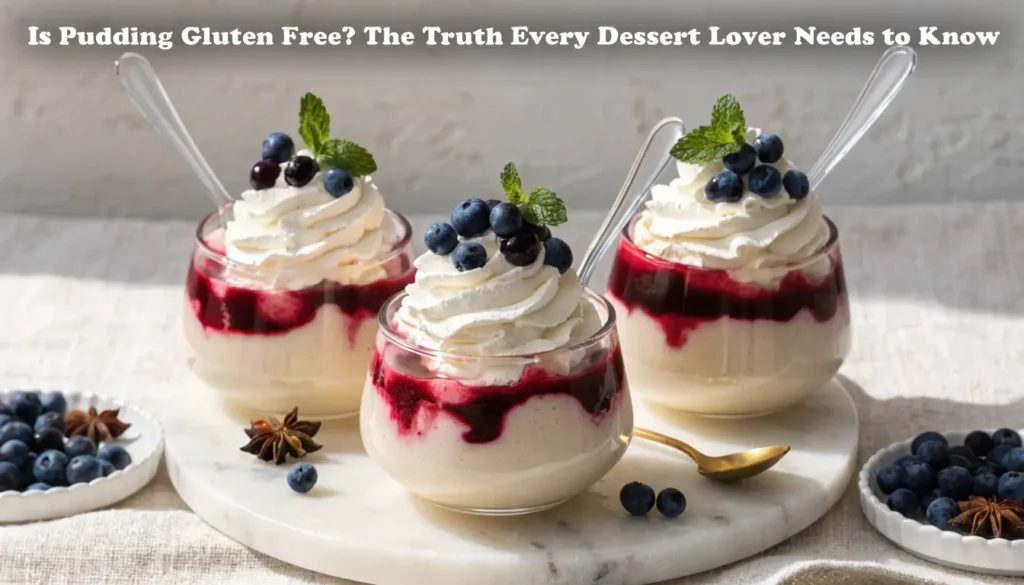
You know that feeling when you just want something smooth, sweet, and familiar? Maybe you’ve had a rough week. Maybe you’re craving a taste of childhood. You reach for that little pudding cup in the fridge or that box of instant mix in the pantry. Then it hits you—the hesitation. The quiet worry. Wait. Is pudding gluten free? Or am I about to make myself sick?
I’ve watched friends with celiac disease go through this exact moment more times than I can count. They stand in grocery aisles reading labels like detectives, turning over every box, every cup, every single ingredient list.
It’s exhausting. And honestly? It feels unfair. You shouldn’t have to interrogate a dessert just to enjoy it.
Here’s what I want you to know right now: You can have your pudding and eat it too. You just need a handful of simple rules. By the end of this guide, you’ll know exactly which products to grab, which ones to leave on the shelf, and how to make a version at home that beats anything from a box. Let’s get you back to dessert without the dread.
Understanding the Core Ingredients: What Actually Makes Pudding?
To figure out whether pudding fits into your gluten-free life, you first need to understand what’s supposed to be inside that creamy spoonful. Pudding isn’t complicated—at least, it wasn’t until food companies got involved.
Traditional homemade pudding uses just four basic building blocks. You have your liquid, usually milk or a dairy-free alternative like coconut or almond milk. You have your sweetener, typically sugar but sometimes honey or maple syrup. You have your flavorings, which could be vanilla, chocolate, fruit, or spices. And then you have your thickener—the ingredient that turns liquid into that silky, spoonable texture you love.
That thickener is where most of the gluten confusion begins.
The Thickening Trap Nobody Talks About
Back in your grandmother’s kitchen, thickening pudding meant reaching for cornstarch. Cornstarch comes from corn. Corn doesn’t contain gluten. Problem solved, right?
But here’s where things get tricky. Instant pudding mixes and pre-made cups often rely on something called “modified food starch.” That phrase sounds technical, and that’s by design. Modified food starch can come from several sources—corn, potato, tapioca, or wheat. When it comes from wheat, FDA rules say the label must clearly state “wheat” somewhere in the ingredients or allergen statement. When it comes from other sources, no special label is required.
Here’s what that means for you: A product might technically use corn-based starch but still get manufactured on shared equipment that also processes wheat. The label won’t tell you that story. You have to read between the lines.
List of Common Pudding Thickeners (Safe vs. Unsafe)
- ✅ Cornstarch – Naturally gluten-free and the standard for homemade pudding
- ✅ Tapioca starch – Common in organic and vegan pudding brands
- ✅ Arrowroot powder – Works beautifully and suits people with corn allergies
- ✅ Gelatin – Used in panna cotta and some chilled creamy desserts
- ❌ Wheat flour – Rare in modern commercial pudding but still appears in old-fashioned recipes
- ❌ Maltodextrin from wheat – Uncommon but possible; always check the source when you see this ingredient
- ❌ Vegetable gums processed on shared wheat lines – The gum itself is safe, but cross-contamination during manufacturing is a real risk
The bottom line? When you make pudding yourself at home with cornstarch, you’re already in the clear. When you buy something pre-made, you need to dig deeper.
The Great Box Mix Debate: Is Instant Pudding Gluten Free?
Let’s be honest with each other. You don’t always have time to stand at the stove whisking milk and cornstarch. Sometimes you need the convenience of a box mix or a pre-made cup. I get it. Life is busy.
So let’s talk about the major brands you’ll find in any grocery store and what you can actually trust.
Top Brands Reviewed
Jell-O Instant Pudding (Kraft Heinz) – Here’s the situation with Jell-O. Most of their standard flavors—chocolate, vanilla, lemon, butterscotch—carry a gluten-free label on the package. That label means the ingredients themselves contain no gluten. However, Kraft does not operate dedicated gluten-free facilities for their pudding production. For someone with mild gluten sensitivity, that’s usually fine. For someone with severe celiac disease, those trace amounts from shared lines could cause problems. You have to know your own body here.
Snack Pack (Conagra Brands) – Conagra does something I genuinely appreciate. They clearly label their products. The classic chocolate and vanilla Snack Pack cups are gluten-free. The tapioca flavor is also safe. But pay attention here—any Snack Pack flavor that includes cookie pieces, like Cookies & Cream or Birthday Cake, absolutely contains gluten. Don’t grab the wrong one by accident.
Kozy Shack – This brand has earned a loyal following in the gluten-free community for good reason. They’re transparent about their manufacturing processes. Their refrigerated puddings—rice pudding, chocolate, tapioca, and flan—are all gluten-free. Kozy Shack also tests their products more rigorously than many competitors. If you want a pre-made pudding you can feel confident about, this is your best bet.
Data point to keep in your back pocket: Research from Beyond Celiac found that roughly 30 percent of products labeled gluten-free from non-dedicated facilities still contained trace amounts of gluten. Those amounts are under 20 parts per million, which meets FDA standards, but highly sensitive individuals can still react. This isn’t meant to scare you—it’s meant to help you make informed choices.
Hidden Gluten Names That Trick You Every Time
You might think you’re safe because you don’t see the word “wheat” anywhere on the package. But gluten wears disguises. Here are the aliases you need to watch for.
List of Terms That Should Make You Pause
- Barley malt – Shows up in chocolate malt pudding, malted milk ball flavors, and some caramel puddings. Barley contains gluten, plain and simple.
- Rye extract – Rare, but sometimes appears in spiced or gingerbread seasonal puddings. Rye is a gluten grain.
- Wheat starch – Unless the package specifically says “gluten-free wheat starch” (which you will almost never see in US pudding products), avoid this ingredient entirely.
- Dextrin – This one is tricky because dextrin can come from wheat, corn, or potato. If the package doesn’t specify the source, you need to call the company or leave it on the shelf.
- Hydrolyzed vegetable protein – Sometimes made from wheat. Look for labels that say “HVP from soy” or “from corn” instead.
The rule that will never fail you: When you’re unsure, skip it. There’s always another dessert option.
Naturally Gluten-Free Pudding Styles You Can Trust
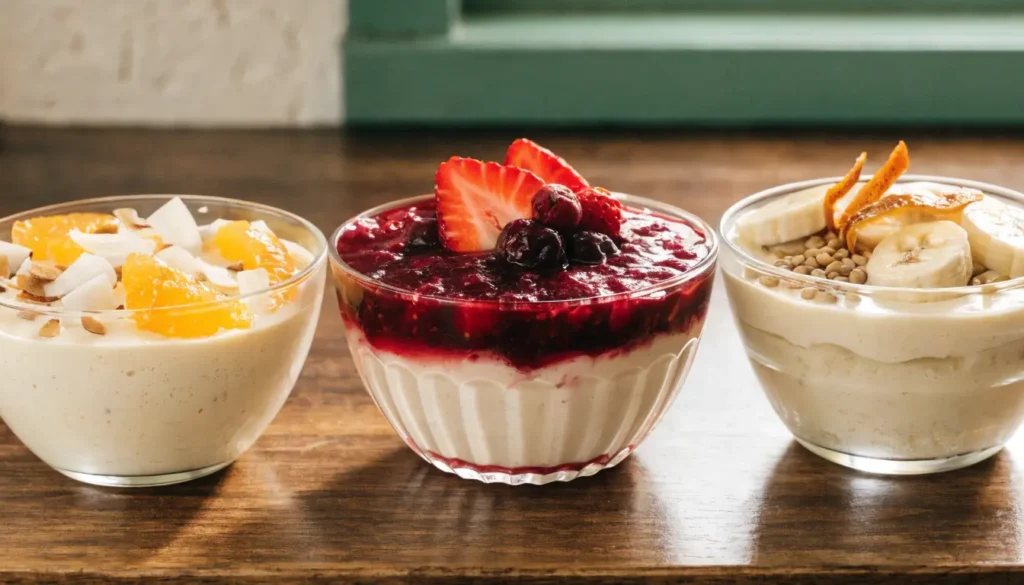
Here’s the part of this conversation that makes me smile. Some of the world’s most beloved puddings are naturally, accidentally, beautifully gluten-free. You don’t have to hunt for special versions. You don’t have to pay a premium. They just are.
Rice Pudding – The Old Reliable
Rice pudding has been comforting people for centuries, long before anyone cared about gluten labels. The traditional recipe uses rice (naturally gluten-free), milk, sugar, and sometimes eggs or cinnamon for richness. No thickener needed because the rice itself creates that creamy texture as it breaks down during cooking.
The one warning you need to hear: Pre-made rice pudding cups sometimes add cookie crumb toppings or barley malt for extra flavor. Always check the label. Plain rice pudding from a brand like Kozy Shack or homemade from scratch? You’re completely safe.
Chia Pudding – The Modern Favorite
Have you tried chia pudding yet? If not, you’re in for a treat. Chia seeds absorb liquid and create a gel-like texture that mimics traditional pudding perfectly. You mix chia seeds with milk (dairy or plant-based), add sweetener and flavoring, and let it sit in your fridge overnight. No cooking. No thickeners. No gluten anywhere near the process.
The only risk comes from pre-packaged chia pudding cups that include granola, cookie pieces, or crispy rice toppings. Those almost always contain gluten. Make it yourself, and you control every ingredient.
Panna Cotta – Fancy but Foolproof
This Italian dessert sounds intimidating, but it’s just sweetened cream set with gelatin. That’s it. No flour. No starch. No gluten. If you order panna cotta at a restaurant, ask about the sauce or topping—but the pudding itself is naturally safe for you to enjoy.
List of High-Risk Toppings to Avoid
- Crushed Oreos or any sandwich cookie crumbs
- Malt powder or malt syrup drizzled on top
- Graham cracker crust pieces
- Cookie dough chunks mixed in
- Barley-based caramel sauce
How to Verify Your Pudding Is Safe (Step-by-Step Checklist)
You don’t need a food science degree. You don’t need to memorize ingredient lists. You just need a reliable system. Here’s the exact process I use every single time I pick up a pudding product.
The 3-Step Safety Protocol
- Flip the package and find the allergen statement. Look for the line that says “Contains:” or “May contain.” If you see the word “wheat” anywhere in that statement, put the product back on the shelf. No exceptions. Don’t talk yourself into it.
- Look for a certification logo. These symbols are your best friends in the grocery store. The Gluten-Free Certification Organization logo, the NSF Gluten-Free seal, or any label that says “Certified Gluten-Free” means the product has been tested and verified to contain less than 10 or 20 parts per million of gluten. A product with one of these logos is about as safe as you can get.
- When logos are missing, contact the manufacturer. Yes, I’m serious. Pick up your phone and call the number on the package. Or send a quick email through their website. Ask this exact question: “Is your pudding manufactured on shared equipment with wheat products?” The answer you get will tell you everything you need to know about whether to trust that product.
A shortcut that saves you every time: Make pudding from scratch. It takes about five minutes on your stovetop. Mix cornstarch, cocoa powder, sugar, and milk in a saucepan. Whisk constantly over medium heat until it thickens. You’ll end up with a safer, cheaper, and honestly better-tasting dessert than anything from a box.
The Cross-Contamination Risk You Didn’t See Coming
You bought the right pudding. You checked the label. You followed every rule. You should be safe, right?
Not necessarily. Because gluten can sneak into your dessert after the pudding leaves the factory.
Restaurant and Buffet Dangers
Picture this. You’re at a holiday dinner with family. There’s a beautiful rice pudding on the dessert table. Right next to it sits a bread pudding. And both desserts are being served with the same metal scoop.
That shared scoop just transferred gluten from the bread pudding into the rice pudding. Your “safe” dessert isn’t safe anymore.
What you can do instead: Ask the server or buffet attendant directly. Say, “Is there a dedicated serving utensil for the gluten-free options?” If they look confused or say no, skip the dessert. It’s not worth the risk.
Home Kitchen Mistakes That Ruin Safe Pudding
Even your own kitchen can betray you. Here are the most common ways people accidentally contaminate their gluten-free pudding without realizing it.
- Double-dipping a cookie into the pudding pot (those crumbs carry gluten)
- Using a wooden spoon that previously stirred a flour-based roux (wood traps gluten particles and doesn’t release them in the dishwasher)
- Measuring cornstarch with a measuring cup that had wheat flour in it earlier in the day
- Leaving pudding uncovered on the counter while you bake something with flour nearby (airborne flour settles on everything)
The fix is simple: Designate specific utensils, measuring cups, and containers for gluten-free cooking. And when you make pudding, make it first—before any flour gets opened in your kitchen that day.
Delicious Homemade Gluten-Free Pudding Recipes (3 Ways)
Ready to stop guessing and start cooking? These three simple recipes use just five ingredients each and take less than ten minutes from start to finish.
Classic Chocolate Pudding
- 2 cups milk (dairy or unsweetened coconut milk works beautifully)
- 1/3 cup cocoa powder
- 1/2 cup sugar
- 3 tablespoons cornstarch
- 1 teaspoon vanilla extract
Vanilla Bean Pudding
- 2 cups milk
- 1/2 cup sugar
- 3 tablespoons cornstarch
- 1 vanilla bean (or 2 teaspoons vanilla extract)
- Pinch of salt
Butterscotch Pudding
- 2 cups milk
- 1 cup brown sugar
- 3 tablespoons cornstarch
- 2 tablespoons butter
- 1 teaspoon salt
The method for all three: Whisk your dry ingredients together in a medium saucepan. Slowly pour in the milk while whisking constantly to prevent lumps. Place the saucepan over medium heat and continue whisking until the mixture thickens—this usually takes about five minutes. Remove from heat. Stir in vanilla extract or butter if your recipe calls for it. Pour into individual cups or one large bowl. Chill in the refrigerator for at least two hours before serving.
Frequently Asked Questions (FAQ)
Q1: Is Jell-O brand instant pudding gluten free?
A: Most Jell-O instant pudding flavors—chocolate, vanilla, lemon, and butterscotch—are labeled gluten-free in the United States. However, avoid the pistachio flavor, which sometimes contains barley malt. And always check the current box, because recipes and manufacturing practices can change without notice.
Q2: Is pudding gluten free by default if it’s homemade?
A: Yes, as long as you use cornstarch, tapioca starch, or arrowroot powder as your thickener. If you’re following an old family recipe that calls for wheat flour, simply swap in a gluten-free flour blend or cornstarch instead.
Q3: Are Snack Pack pudding cups gluten free?
A: Conagra Brands confirms that standard Snack Pack cups—chocolate, vanilla, and tapioca—are gluten-free. The Cookies & Cream flavor and any variety with visible cookie pieces are not safe for a gluten-free diet.
Q4: Can celiacs eat restaurant pudding?
A: Only if the restaurant confirms the pudding is made in a dedicated gluten-free space and served with clean, uncontaminated utensils. Avoid self-serve pudding bars, buffets, and any restaurant where bread pudding appears on the same dessert line.
Q5: Why does some pudding say “may contain wheat” if no wheat ingredients are listed?
A: That’s a voluntary cross-contamination warning. It means the pudding was manufactured on shared equipment that also processes wheat products. If you have celiac disease or severe gluten sensitivity, you should avoid these products entirely.
Conclusion – The Sweet, Safe Bottom Line
Let’s come back to the question that brought you here. Is pudding gluten free?
The honest answer is that it depends entirely on which pudding you choose, where it comes from, and how it’s handled after it leaves the package.
- If you buy boxed instant pudding, stick with certified gluten-free brands and read every single label like your health depends on it—because it might.
- If you grab pre-made cups from the refrigerated section, brands like Kozy Shack offer the most reliable options. Jell-O and Snack Pack are generally safe for their standard flavors, but avoid anything with cookie pieces.
- If you want zero worry and the best taste, spend ten minutes in your own kitchen making pudding from scratch. It’s cheaper. It’s safer. And honestly? It beats anything from a box.
You don’t have to miss out on smooth, chocolatey, nostalgic desserts just because you’re avoiding gluten. You just need to know where to look—and when to walk away.
Here’s what I want you to do next: Next time you’re at the grocery store, pick up one box of Jell-O instant pudding and the ingredients for the homemade chocolate recipe I shared above. Make both. Compare the taste, the texture, and how you feel afterward. Then come back to this article and leave a comment telling us which one won in your kitchen.
And if you’ve ever been accidentally glutened by a dessert that claimed to be safe, share your story below. Someone else in this community is probably going through the exact same thing right now, and your experience might be exactly what they need to hear.
Now go enjoy your pudding. You’ve earned it.