Do you ever miss that simple joy? The feeling of biting into a warm, gooey chocolate chip cookie, its rich aroma filling your senses, its familiar chewiness a comforting presence? If you’ve been living with a gluten intolerance or celiac disease, you know that this particular feeling is often a casualty of your dietary restrictions.
For too long, you’ve had to contend with dry, crumbly impostors, baked goods that fail to deliver on the promise of a true chocolate chip cookie. But your days of compromise are over.
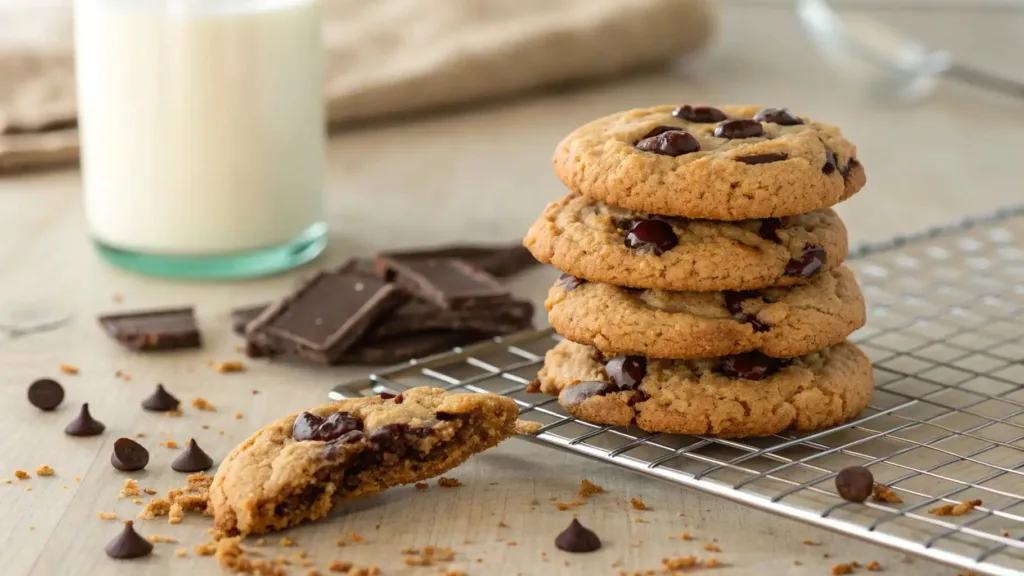
This isn’t just another recipe. It’s your new, definitive guide to baking extraordinary gluten free chocolate chip cookies that are so good, you’ll forget they’re even gluten-free. We will walk you through the precise science of gluten-free baking, a skill set that goes beyond just substituting ingredients.
You’ll learn how to craft cookies that are not just edible, but truly outst&ing—chewy on the inside, with those coveted crisp edges, & bursting with rich, melted chocolate. Get ready to reclaim your cookie bliss.
The Secret to Baking Amazing Gluten-Free Chocolate Chip Cookies
To master the art of gluten-free baking, you must underst& the fundamentals. Baking without gluten isn’t about simply swapping out one flour for another.
Gluten provides the structure & elasticity in traditional baked goods. When you remove it, you must compensate for its absence with smart, strategic ingredient choices. This section will uncover the key scientific principles you need to know.
Choosing the Right Gluten-Free Flour Blend
Your flour is the foundation of your cookie. The right gluten-free flour blend is your most powerful tool. Using a single-flour substitute like almond flour or coconut flour often leads to disappointing results, as they lack the balance required for a perfect cookie texture.
- Underst&ing the Role of Different Flours:
- Rice Flour (white & brown) provides bulk & structure. It’s a staple in many blends.
- Almond Flour adds a moist, tender texture & a delicious, nutty flavor.
- Tapioca Starch or Potato Starch contributes to the chewiness & gives the cookie that slightly stretchy, pliable quality.
- Sorghum Flour & Millet Flour can add a pleasant, subtle sweetness & a tender crumb.
Most store-bought gluten-free flour blends are designed to be a one-to-one substitute for all-purpose flour, making your life much easier. They are expertly balanced with a mix of these various flours & starches. Look for blends that specifically mention they contain xanthan gum.
- Why is Xanthan Gum Essential?
- Xanthan gum is a crucial ingredient in gluten-free baking. It mimics the elasticity of gluten, acting as a binder & thickener. Without it, your cookies would likely spread too much & crumble apart. It gives the dough the “stickiness” it needs to hold its form. If your chosen flour blend doesn’t include it, you’ll need to add it yourself. A general rule is to use about a teaspoon of xanthan gum per cup of flour.
The Importance of Fat & Moisture
The right amount of fat & moisture is what separates a dry, hard cookie from a perfectly chewy one. In gluten-free recipes, this balance is even more critical.
- The Power of Butter:
- Butter adds flavor & creates a tender crumb. Creaming your butter & sugars together is a crucial step. When you beat them, you whip air into the mixture, which creates a lighter, softer texture. For a chewier cookie, you may want to melt your butter, as this reduces the air pockets & results in a denser, chewier final product.
- Moisture is Key:
- Brown sugar is not just for sweetness; it’s a vital moisture source. Its molasses content helps to keep your cookies soft & chewy long after they’ve cooled.
- The liquid in your dough, whether it’s from eggs, milk, or a plant-based alternative, is necessary to hydrate the gluten-free flour. This prevents a gritty texture & ensures the starches can fully absorb the liquid, giving your cookies a smooth mouthfeel.
Essential Ingredients & Smart Substitutions for Your Gluten-Free Chocolate Chip Cookies
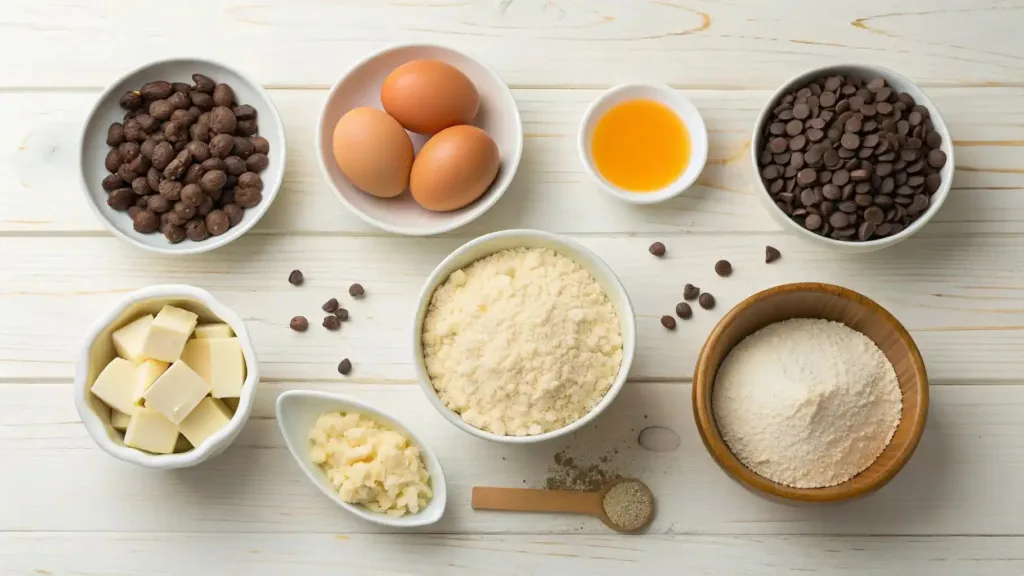
Creating truly great gluten-free chocolate chip cookies requires the right lineup of ingredients. While the core components are similar to traditional recipes, you need to be mindful of a few key details. Here is a definitive list & a guide to smart substitutions.
Ingredient List: Your Baking Arsenal
Here’s everything you’ll need for your ultimate cookie journey:
- Gluten-Free Flour Blend: Choose a reputable br& designed for baking, such as Bob’s Red Mill 1-to-1 Baking Flour or King Arthur Gluten-Free Measure for Measure Flour.
- Unsalted Butter: Use a high-quality, unsalted butter. Make sure it’s at cool room temperature for creaming, unless the recipe specifies otherwise.
- Sugars: You’ll need both light or dark brown sugar & granulated sugar. The brown sugar provides moisture & chewiness, while the granulated sugar ensures a crisp exterior.
- Egg: A single large egg acts as a binder, providing structure & richness.
- Vanilla Extract: Pure vanilla extract adds depth & a classic aroma.
- Baking Soda & Salt: Baking soda provides leavening, helping the cookies rise & spread. Salt balances the sweetness & enhances the flavor of the chocolate.
- Chocolate Chips: The star of the show! Always verify that your chocolate chips are certified gluten-free, as some br&s may have cross-contamination risks. Dark chocolate chips, semi-sweet, or a mix of chocolate chunks will all work beautifully.
Making Smart Substitutions
Don’t let dietary restrictions hold you back. You can easily adapt this recipe to fit your personal needs.
- For a Dairy-Free Version:
- Swap the unsalted butter for a high-quality vegan butter substitute. Be aware that some vegan butters have a higher water content, which can affect the cookie’s final texture. Look for br&s known for their baking performance.
- For an Egg-Free Version:
- Use a flax egg as a binder. To make one, combine one tablespoon of ground flaxseed meal with three tablespoons of water. Let it sit for about five minutes until it thickens into a gelatinous consistency.
- You can also try a commercial egg replacer, following the package instructions.
- For a Refined Sugar-Free Version:
- Coconut sugar can be a great alternative, but note that it will give the cookies a slightly darker color & a more molasses-like flavor. You can also experiment with maple syrup, but you may need to adjust the amount of other liquids in the recipe to compensate.
Step-by-Step Instructions for the Perfect Batch of Gluten-Free Chocolate Chip Cookies
Now that you have your ingredients & your foundational knowledge, it’s time to put it all together. Follow these steps meticulously, & you’ll be on your way to cookie perfection.
The Baking Process: A Journey to Perfection
Every step matters. This is your definitive roadmap to success.
- Step 1: Prep & Preheat
- First, preheat your oven to 375°F (190°C). Then, line a baking sheet with parchment paper. This simple step is vital; it prevents sticking & ensures your cookies don’t get a burnt bottom. Make sure your butter & egg are at a cool room temperature. This helps them combine smoothly.
- Step 2: Creaming the Sugars & Butter
- In a large bowl, using a st& mixer with a paddle attachment or a h& mixer, beat your softened butter, granulated sugar, & brown sugar together on medium speed until the mixture becomes light & fluffy. This should take about 2-3 minutes. This process, called “creaming,” incorporates air into the dough, which is crucial for a light, airy cookie texture.
- Step 3: Combining the Dry Ingredients
- In a separate, medium-sized bowl, whisk together your gluten-free flour blend, baking soda, & salt. Whisking ensures these ingredients are evenly distributed, so you won’t have pockets of salt or baking soda in your final product.
- Step 4: The Chill Factor
- This is the most important, non-negotiable step for truly amazing gluten-free chocolate chip cookies. Once your dough is mixed, cover the bowl with plastic wrap & refrigerate it for at least 30 minutes, or up to 24 hours. The longer you chill it, the better the flavor & texture. Chilling the dough solidifies the fat, preventing the cookies from spreading too much in the oven. It also allows the gluten-free flour to fully hydrate, eliminating any potential grittiness & leading to a smoother, more refined texture.
- Step 5: Baking to Perfection
- Remove the chilled dough from the refrigerator. Scoop rounded tablespoons of dough onto your prepared baking sheet, leaving about 2 inches of space between each cookie.
- Bake for 10-12 minutes, or until the edges are golden brown & the centers are set but still look slightly underdone.
- Once out of the oven, let the cookies cool on the baking sheet for about 5 minutes before transferring them to a wire rack to cool completely. This allows them to finish setting up & prevents them from falling apart.
Frequently Asked Questions About Gluten-Free Chocolate Chip Cookies
As a baker, you’re bound to have questions. This section provides detailed answers to some of the most common queries about baking gluten-free chocolate chip cookies to help you troubleshoot & perfect your technique.
What is the best gluten-free flour for chocolate chip cookies?
While many blends work well, the “best” one depends on your desired texture. For a soft, cakey cookie, a blend with a higher proportion of rice flour is excellent. For a chewier cookie, a blend containing tapioca starch will give you that coveted gooey center. For most home bakers, a pre-made, all-purpose gluten-free flour blend with xanthan gum is your safest & most reliable bet. It’s engineered for success.
How do you keep gluten-free cookies from being crumbly?
The key to preventing a crumbly texture lies in proper hydration & binding. The most common culprit is a lack of moisture.
- Hydrate the Flour: Ensure your dough is properly chilled. This allows the flour to absorb the liquid, which gives the cookies a cohesive structure instead of a s&y, crumbly one.
- Don’t Skimp on Binders: Make sure you’re using enough egg & a good binder like xanthan gum.
- Balance Your Fats: Using a mix of fats, like both butter & a small amount of vegetable shortening, can also help create a tender, less crumbly texture.
Can I make these gluten-free chocolate chip cookies ahead of time?
Absolutely! This is one of the best things about this recipe. You have two excellent options:
- Store the Dough: After mixing the dough, wrap it tightly in plastic wrap & store it in the refrigerator for up to 3 days. When you’re ready to bake, let it sit on the counter for a few minutes to soften slightly before scooping & baking.
- Freeze the Dough Balls: Scoop the dough into balls & place them on a parchment-lined baking sheet. Freeze until firm, then transfer the frozen dough balls to an airtight container or freezer-safe bag. They will keep in the freezer for up to three months. You can bake them directly from frozen; just add a couple of extra minutes to the baking time.
Are store-bought gluten-free chocolate chip cookies as good as homemade?
While the quality of store-bought gluten-free chocolate chip cookies has improved dramatically, nothing truly compares to the taste & texture of a freshly baked, homemade cookie.
The ability to control your ingredients, from the quality of the chocolate to the specific gluten-free flour blend, allows you to customize the flavor & texture to your exact preferences.
You also get to experience the magical aroma of fresh-baked cookies wafting through your kitchen, a simple pleasure that no store-bought product can replicate.
Conclusion: Your Journey to Gluten-Free Cookie Bliss
You now have all the knowledge, the tools, & the inspiration to create truly incredible gluten-free chocolate chip cookies. You’ve moved beyond mere substitutions & now underst& the science behind baking without gluten. This is more than just a recipe; it’s an empowerment, a way to reclaim one of life’s most comforting & delicious traditions.
The next time you crave a warm, rich cookie, remember that you don’t have to settle for anything less than perfection. Your kitchen is now a place of possibility, where you can create treats that are not only safe for you to eat but are also undeniably delicious.
So what are you waiting for? Take this guide, head into your kitchen, & bake a batch of these glorious gluten-free chocolate chip cookies for yourself. Your taste buds—& your soul—will thank you.
Ready to start your baking journey? Share a photo of your first perfect batch of cookies with us in the comments below!