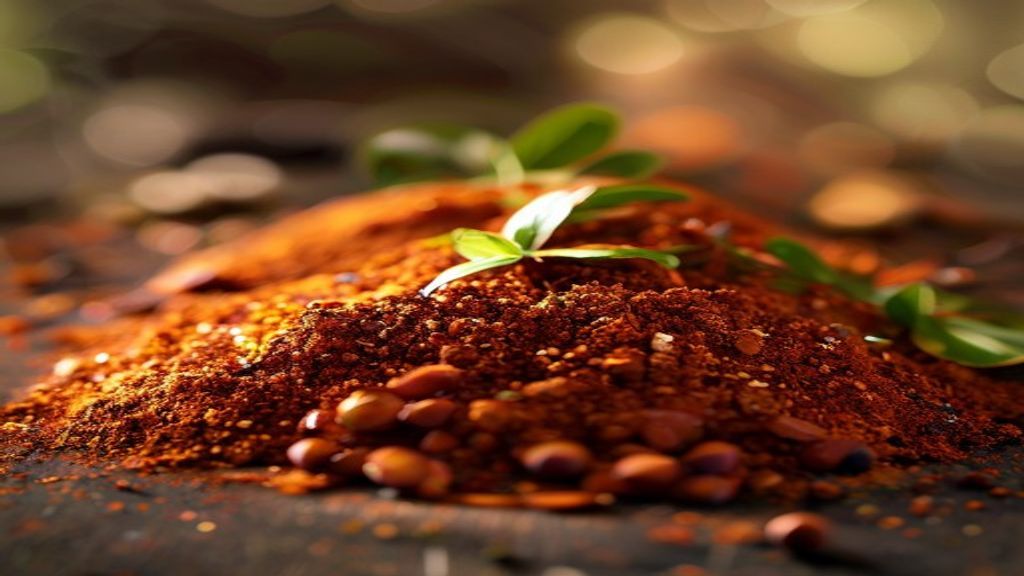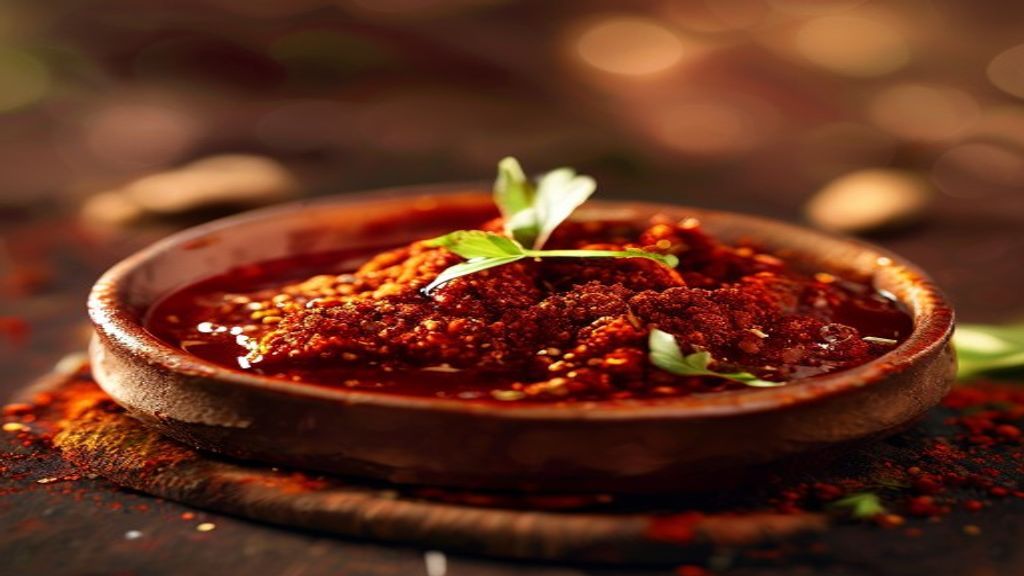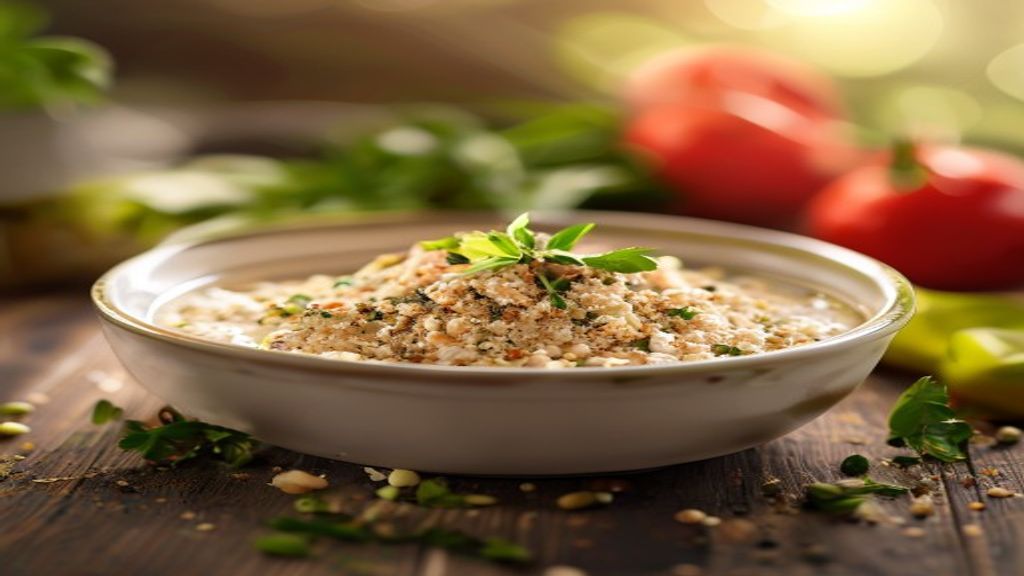
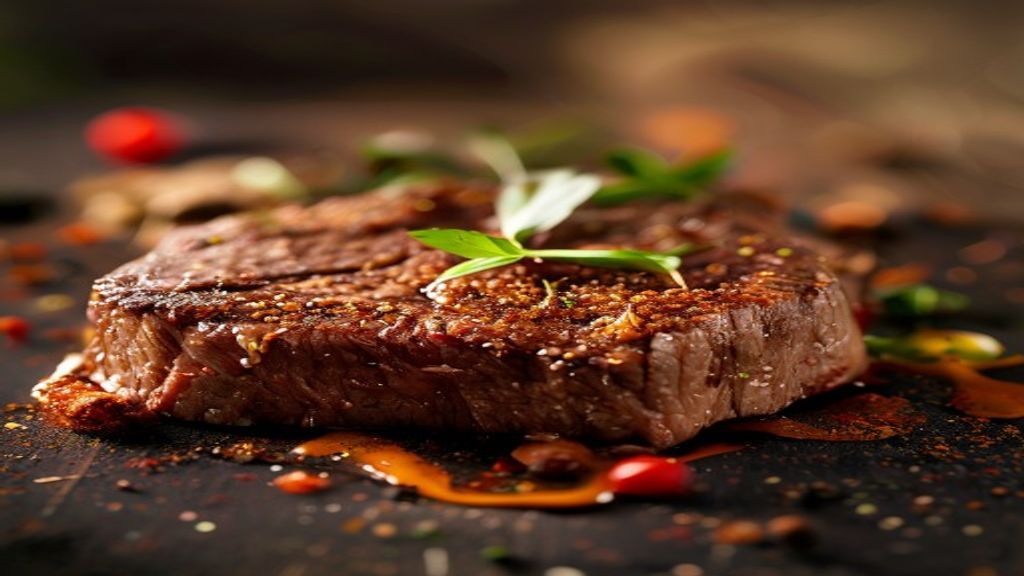
I spent years buying those little plastic jars until I realized the first ingredient was always sugar or cornstarch. This homemade steak seasoning recipe focuses on the perfect ratio of coarse salt and smoked paprika to ensure a professional-grade crust without burning the delicate dried herbs. You’ll finally taste the actual beef instead of a mouthful of fillers. The blend creates a dark, aromatic, and slightly caramelized crust on the surface of the steak, while the interior remains juicy and tender to your preferred level of doneness.
Quick Answer: Homemade steak seasoning recipe is a blend of kosher salt, coarse black pepper, garlic powder, onion powder, smoked paprika, thyme, and rosemary. This combination creates a savory, aromatic crust that enhances the natural flavor of any cut of beef.
Most store-bought blends rely on fillers that mask the meat, but this mix highlights the beef’s natural character. You can learn how to pick the best cut of beef to ensure the seasoning has a solid foundation. The smoked paprika provides a deep, earthy color that signals the meat is ready, while the coarse salt creates a satisfying crunch against the tender center.
Ingredients
I always grab Diamond Crystal kosher salt because the flakes are hollow and light, which makes it way harder to accidentally oversalt your meat.
- 1/4 cup kosher salt
- 2 tablespoons coarsely ground black pepper
- 2 tablespoons garlic powder
- 1 tablespoon onion powder
- 1 tablespoon smoked paprika
- 1 teaspoon dried thyme
- 1 teaspoon dried rosemary
- 1/2 teaspoon red pepper flakes
Before You Start
You should use the freshest spices you can find, as old jars sitting in the back of your pantry lose their punch. If you’re looking for a [better way to prep your meat → steak preparation guide], make sure the surface is bone-dry before applying this blend. The salt grains and dark paprika will cling to the surface, creating a gritty, textured coating that promises a serious sear.
I’ve learned the hard way that onion powder can turn into a bitter, acrid dust if you’re doing a long, high-heat sear. If you’re worried about that, just swap it for granulated onion; it’s a bit coarser and holds up better under intense heat. You can also skip the red pepper flakes if you’re sensitive to heat, though they add a nice warmth that cuts through the fat of a ribeye. Just keep in mind that this dry rub is potent, so a little goes a long way.
Putting Together Your Dry Rub
Prep: 5 mins · Cook: 0 mins · Total: 5 mins · Serves: 12 servings
Step 1: Prepare the mixing bowl
You’ll want a bowl that’s wide enough to let you stir without spilling everything over the sides. Using a small glass or ceramic dish is best because it won’t hold onto lingering odors from past spices. Make sure the bowl is completely dry before you start, as even a tiny bit of water will make your spices clump up immediately.
Step 2: Combine the dry ingredients
Add the kosher salt to the bowl first, then layer in the other spices. I find that using a fork to whisk them together works better than a spoon because the tines help break up any lumps in the onion or garlic powder. You’ll know it’s ready when the color looks uniform throughout the mixture and you don’t see any distinct pockets of paprika or salt.
Step 3: Crush the herbs
Since we aren’t using a grinder, give the dried herbs a quick crush against the bowl with your fork. This releases their essential oils without turning them into a fine powder that might burn during cooking. You will feel the texture change under the fork as the leaves break down into smaller, more manageable pieces.
Step 4: Store or apply the blend
If you aren’t using the rub right away, keep it in a small glass jar in a dark cupboard. When you’re ready to cook, pat your beef dry with paper towels to ensure the rub sticks well. You can learn more about how to choose the best cuts of beef to ensure your dinner turns out great. Press the seasoning firmly into the meat with your hands so it forms a solid layer.
Step 5: Cook the seasoned beef
Since this is a dry rub, you’ll want to cook the meat over medium-high heat to develop that deep, dark crust. Use a meat thermometer to check for doneness; for whole cuts of beef, pull the steak off the heat when it hits 145°F. Always let the meat rest for at least 3 minutes on a cutting board before slicing, which keeps the juices inside where they belong. The total time here is listed as zero because the prep is just mixing, but your actual cooking time will depend on the thickness of your steak.
Troubleshooting
| Problem | Cause | Solution |
|---|---|---|
| Rub tastes too salty | Used table salt instead of kosher | Stick to coarse kosher salt for better volume control. |
| Spices are clumping | Moisture in the storage jar | Add a small food-safe silica packet to the jar. |
| Crust is burning | Heat is too high for too long | Lower the heat slightly or pull the steak earlier. |
Tips for Getting It Right
If you want that deep, dark crust without the bitterness, keep a close eye on your pan temperature. When you cook over medium-high heat, those dried herbs can go from toasted to burnt in seconds. I always keep my heat steady and move the steak around if I see one side browning faster than the rest.
Don’t skip the step of patting your meat dry. If the surface is damp, the spices will just steam instead of forming that caramelized layer you’re after. I usually let my steak sit on the counter for a few minutes after patting it dry to ensure it’s truly ready for the pan.
Variations Worth Trying
If you like a bit more heat, you can double the red pepper flakes. Just be careful, as they can get quite spicy when they hit the hot pan. I sometimes add an extra tablespoon of smoked paprika if I’m cooking over a grill, as it really leans into that wood-fired flavor profile.
For a punchier garlic flavor, you can increase the garlic powder by half a tablespoon. I wouldn’t go much higher than that, or the powder can start to taste a bit chalky on the tongue. Stick to these ratios and you’ll have a reliable blend for any night of the week.
Frequently Asked Questions
What are the best spices for steak seasoning?
The best blend relies on a balance of salt, heat, and aromatics. Kosher salt and black pepper provide the base, while garlic powder and onion powder add depth. Smoked paprika gives you that rich color, and dried herbs like thyme and rosemary bring an earthy finish that rounds everything out.
How do you make steak seasoning from scratch?
It’s just a matter of measuring your ingredients into a dry bowl and whisking them until they look uniform. I always crush the dried herbs with a fork to release their oils. Once it’s mixed, you can store your spice blends in a dark cupboard until you’re ready to cook.
Does homemade steak seasoning need to be stored in the fridge?
No, it doesn’t. Since this is a dry mix, it stays perfectly fine in a cool, dark cupboard. Just make sure your jar is airtight so humidity doesn’t get in and turn your spices into a solid brick.
How long does homemade steak seasoning last?
It stays fresh for about six months if you keep it in a sealed glass jar. After that, the spices start to lose their potency and won’t give you that same aromatic crust. You can check your pantry staples every few months to make sure everything is still smelling strong.
This version focuses on the perfect ratio of coarse salt and smoked paprika to ensure a professional-grade crust without burning the delicate dried herbs.
Main Ingredients
- 1 teaspoon dried rosemary
Seasonings & Extras
- 1/4 cup kosher salt
- 2 tablespoons coarsely ground black pepper
- 2 tablespoons garlic powder
- 1 tablespoon onion powder
- 1 tablespoon smoked paprika
- 1 teaspoon dried thyme
- 1/2 teaspoon red pepper flakes
- Step 1: Grab a small glass or ceramic bowl and a fork to combine your spices.
- Step 2: Whisk the salt, pepper, garlic powder, onion powder, paprika, thyme, rosemary, and red pepper flakes together.
- Step 3: Use the back of your fork to lightly crush the dried thyme and rosemary against the side of the bowl.
- Step 4: Transfer the mix to an airtight jar or apply it directly to your meat.
- Step 5: Sear your steak in a hot pan until it reaches your desired internal temperature.