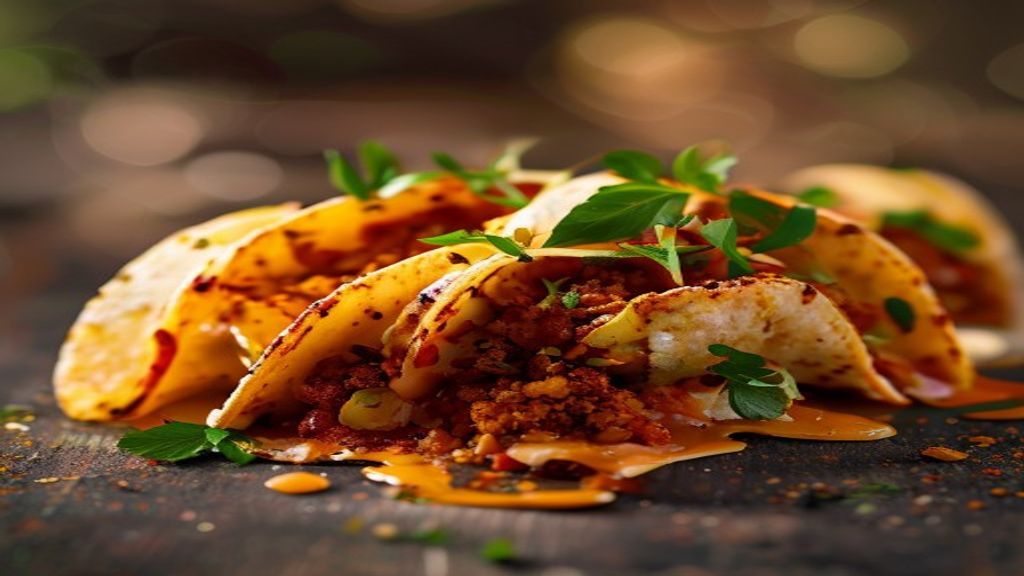
I spent years buying those dusty jars at the store until I realized they were mostly filler and salt. This homemade chili powder recipe uses a specific ratio of Ancho, Guajillo, and Pasilla chiles to build a complex, professional-grade flavor profile that store-bought versions just can’t match. You’ll end up with a deep, earthy base that makes every taco night feel like a special occasion. The kitchen fills with a rich, toasted aroma that lingers long after you finish grinding.
Quick Answer: Homemade chili powder is made by toasting dried ancho, guajillo, and pasilla chiles in a dry skillet until fragrant, then grinding them into a fine powder with cumin, oregano, garlic, and onion powder for a superior, fresh flavor profile.
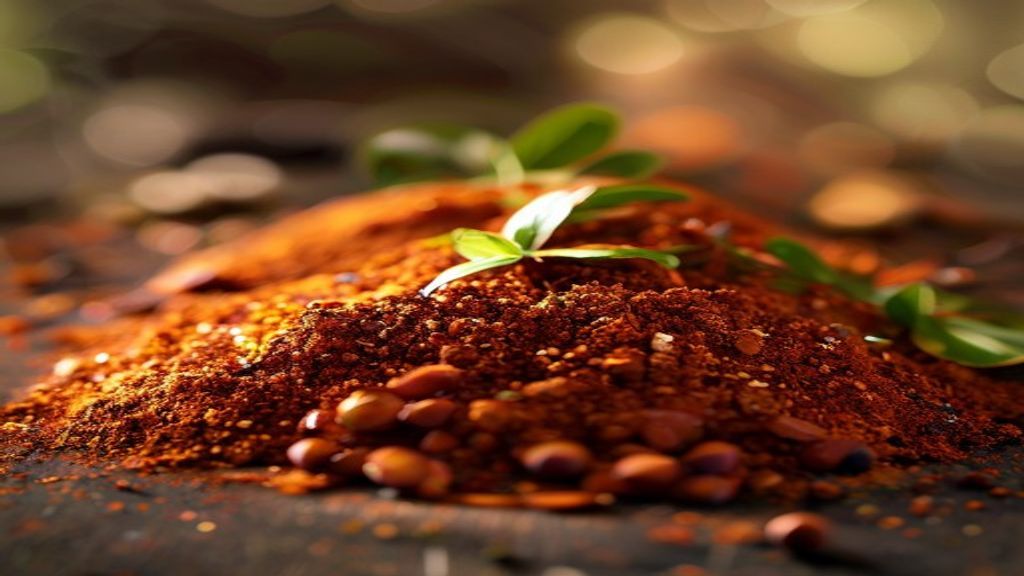
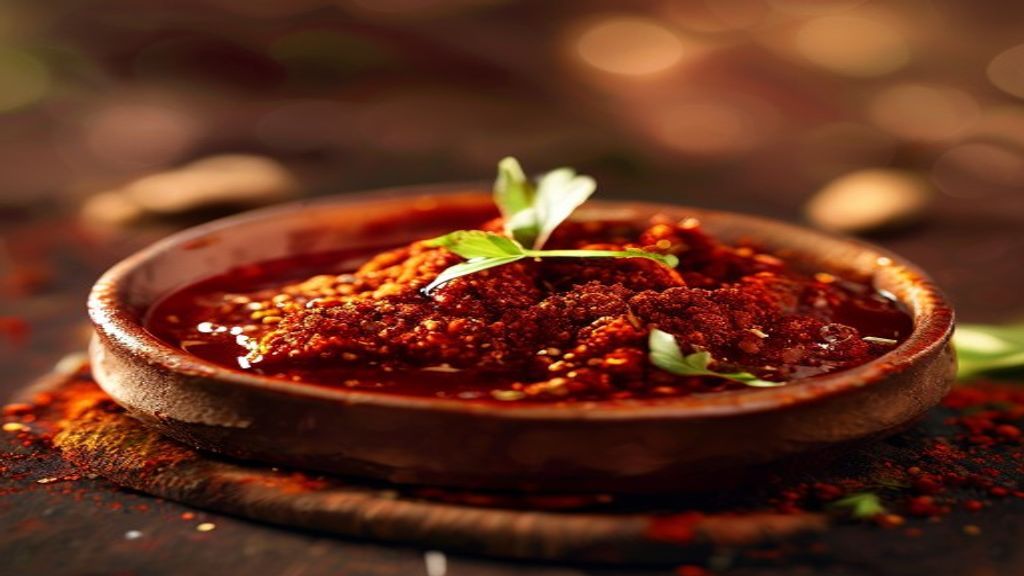
Most store-bought blends sit on shelves for months, losing their punch and vibrancy. By toasting your own dried chiles, you unlock a depth of flavor that is impossible to find in a pre-packaged container. You’ll see the result is a finely ground, uniform powder with a deep brick-red color, intense aromatic spice profile, and a dry, powdery texture that clumps slightly when pressed. It’s a total transformation for your favorite taco seasoning.
Ingredients
I always grab my dried chiles from a local Mexican grocer rather than the spice aisle at the supermarket; the ones in the clear plastic bags are usually fresher and much more pliable.
- 6 dried ancho chiles, stemmed and seeded
- 4 dried guajillo chiles, stemmed and seeded
- 2 dried pasilla chiles, stemmed and seeded
- 1 tablespoon cumin seeds
- 1 teaspoon dried oregano
- 1/2 teaspoon garlic powder
- 1/2 teaspoon onion powder
Before You Start
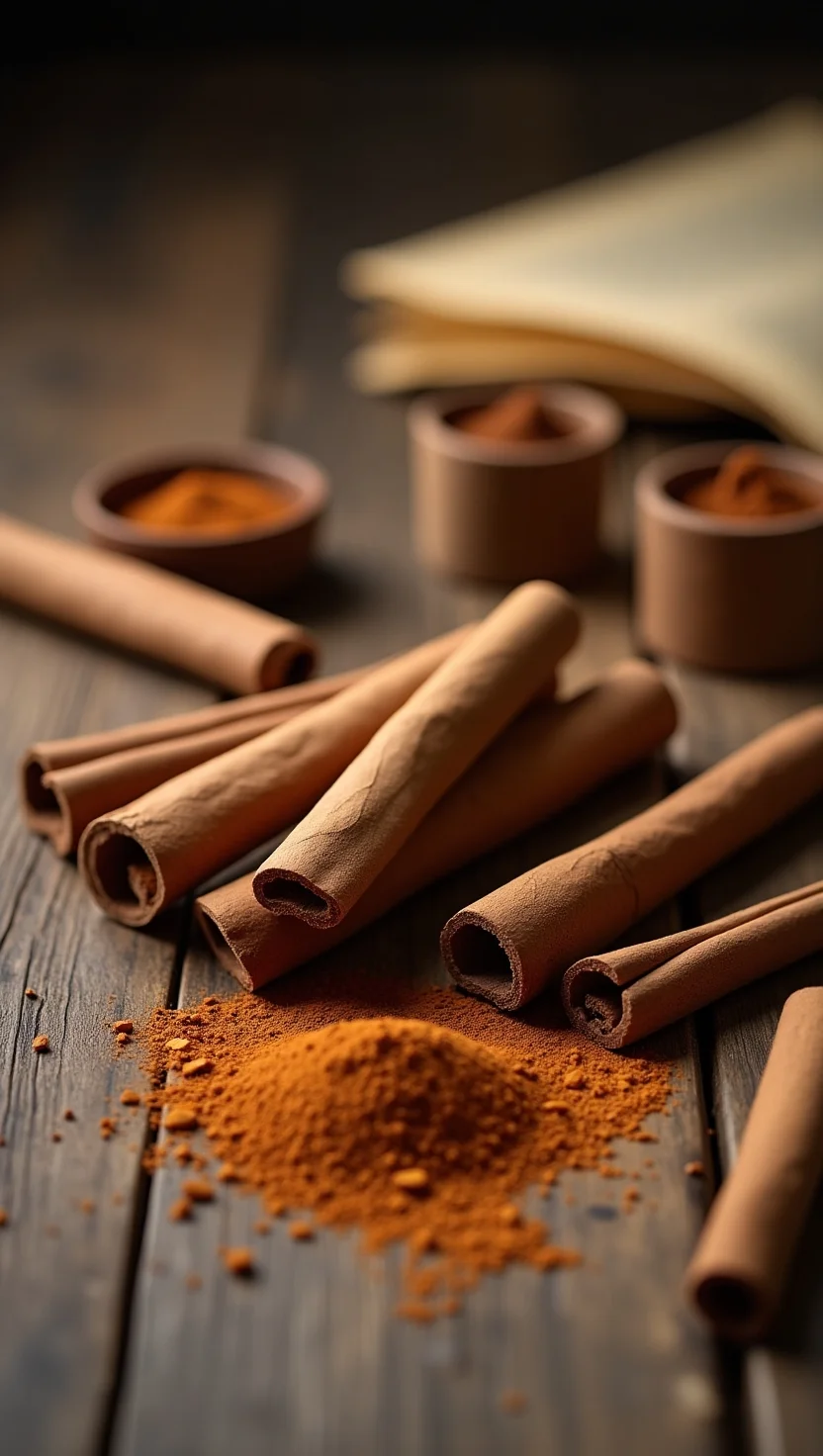
You should keep the base of this homemade chili powder recipe pure by using whole seeds and dried herbs. If you only have pre-ground cumin, use it, but toast it in a dry pan for thirty seconds first to wake it up. It won’t have the same punch as freshly ground seeds, but it gets the job done. If you’re looking for more depth, try adding a small piece of cinnamon stick during the blending process. Just remember that once you add the garlic and onion powders, the mix is set, so don’t go overboard with those. Keep the ratios tight so you can adjust the final seasoning when you’re actually cooking your pot of beans or meat.
How to Toast and Grind Your Own Spice Blend
Prep: 15 mins · Cook: 5 mins · Total: 20 mins · Serves: 1 cup
Step 1: Prepare the chiles
Grab a large, heavy-bottomed skillet—a 12-inch cast iron pan works best here. You need enough surface area so the chiles can lay in a single layer without overlapping. If you crowd them, they’ll steam instead of toast, and you’ll lose that deep, complex flavor you’re after. Make sure your workspace is clear and you have your spice grinder ready to go.
Step 2: Toast the chiles
Keep a close eye on the pan; these dried skins can go from toasted to burnt in seconds. You’ll see the color darken slightly to a deep mahogany. Watch for the moment the chiles become flexible and the air around the stove starts to feel heavy with a rich, peppery scent. If you notice any wisps of smoke, pull the pan off the heat immediately.
Step 3: Toast the cumin seeds
Once you’ve moved the chiles to a plate to cool, toss the cumin seeds into the same warm skillet. Shake the pan constantly so they don’t scorch. Listen for a very faint, rhythmic popping sound as the seeds release their essential oils. When they look a few shades darker and the kitchen smells nutty and sharp, dump them out immediately to stop the cooking process.
Step 4: Grind the ingredients
Place the cooled chiles and toasted cumin into your grinder. Add the dried oregano, garlic powder, and onion powder on top. Process everything in short bursts rather than running the machine continuously. This keeps the friction heat low, which preserves the bright, fresh quality of the spices. You’re looking for a uniform, brick-red dust that feels soft between your fingers.
Step 5: Check the consistency
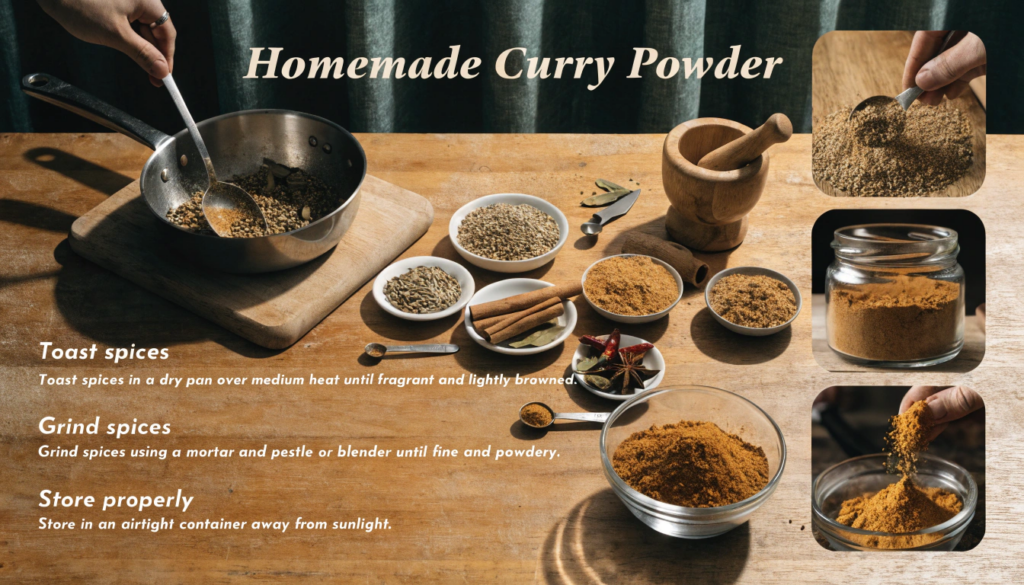
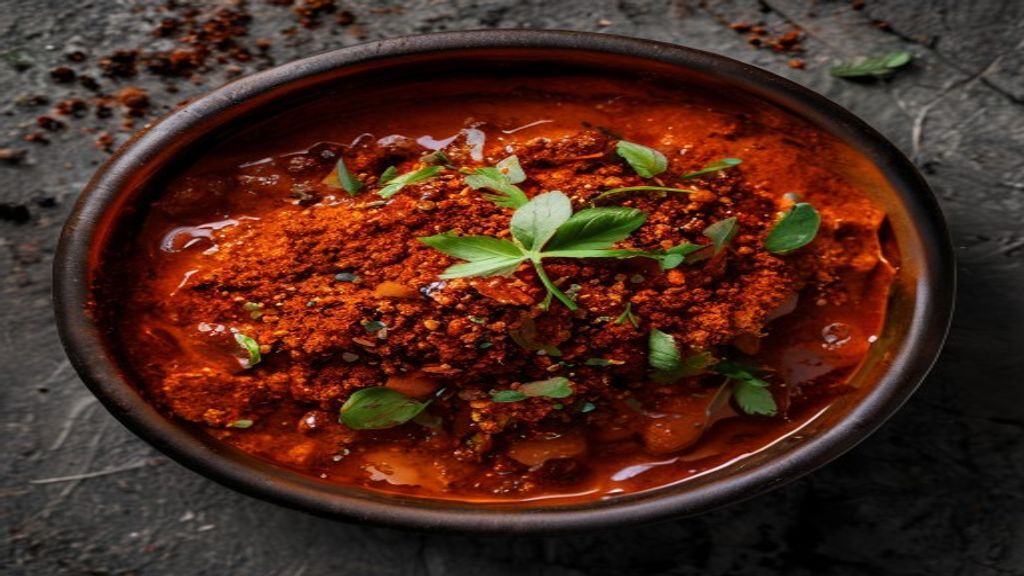
Take a look at the texture; it should be fine and consistent throughout. If you spot any stubborn bits of chile skin, give it another quick whirl. When you press a small amount between your thumb and forefinger, it should hold its shape slightly rather than falling away as loose, sandy grit. Store your finished blend in a glass jar away from direct sunlight to keep it fresh for months.
Troubleshooting
| Problem | Cause | Solution |
|---|---|---|
| Powder is too coarse | Incomplete grinding | Pulse the machine in shorter, sharper bursts. |
| Blend tastes dusty | Under-toasting chiles | Toast until they are flexible and aromatic. |
| Clumping in the jar | Residual moisture | Ensure chiles are fully cool before grinding. |
Tips for Getting It Right
If you find your grinder is struggling to break down the dried skins, try adding the salt or dry spices first to create a bit of friction. This helps the blades catch the larger pieces of chile skin more effectively. You should also make sure your spice grinder is completely dry before you start, as even a tiny drop of water will turn your powder into a paste.
When you are working with these dried chiles, keep your kitchen windows open or the vent fan running. The oils released during the toasting process can be quite potent, and you don’t want them lingering in the air longer than necessary. It’s a small step, but it makes the whole process much more pleasant.
Variations Worth Trying
If you want a slightly more intense profile, you can increase the amount of cumin seeds by half a tablespoon. Toasting them until they are a shade darker than usual adds a deeper, earthier base that stands up well in heavy stews. Just be careful to keep them moving in the pan so they don’t turn acrid.
For a version that leans into the aromatics, try doubling the dried oregano. It adds a subtle, herbal lift that cuts through the richness of the ancho and guajillo chiles. It’s a simple tweak, but it changes the character of the blend significantly without needing any extra ingredients.
Frequently Asked Questions
What peppers are in homemade chili powder?
This blend uses a mix of ancho, guajillo, and pasilla chiles. These three provide a balanced, mellow warmth rather than a sharp, stinging heat.
How do you make chili powder from dried chiles?
You toast the stemmed and seeded chiles in a heavy skillet until they are flexible and fragrant. Once they cool, you grind them with the cumin, oregano, garlic powder, and onion powder until you reach a fine, uniform consistency.
Is homemade chili powder better than store bought?
It’s significantly fresher. Because you are toasting the ingredients yourself, the essential oils are released right before you use the blend, which creates a much more vibrant and complex flavor profile than anything sitting on a grocery store shelf.
How long does homemade chili powder last?
If you store it in an airtight glass jar away from direct sunlight, it will stay fresh for several months. You can check for freshness by rubbing a little between your fingers; if the scent is faint, it’s time to make a new batch.
This recipe focuses on the specific ratio of three distinct dried chiles to achieve a complex, professional-grade flavor profile that store-bought versions lack.
Main Ingredients
- 6 dried ancho chiles, stemmed and seeded
- 4 dried guajillo chiles, stemmed and seeded
- 2 dried pasilla chiles, stemmed and seeded
Seasonings & Extras
- 1 tablespoon cumin seeds
- 1 teaspoon dried oregano
- 1/2 teaspoon garlic powder
- 1/2 teaspoon onion powder
- Step 1: Stem and seed the dried chiles, tearing them into smaller pieces if they are too large for your skillet.
- Step 2: Place the skillet over medium-low heat and toast the chiles until they are pliable and fragrant.
- Step 3: Add the cumin seeds to the empty hot pan and toast until they turn a shade darker.
- Step 4: Combine the toasted chiles, cumin, oregano, garlic powder, and onion powder in a grinder.
- Step 5: Inspect the powder to ensure no large flakes remain, then transfer to an airtight jar.