You’ve just crushed your workout. Your legs are shaking, your shirt is soaked, and that proud exhaustion is washing over you. Then reality hits. You have no idea what to eat.
Maybe you’ve tried the standard advice before—chicken and rice, a dairy shake, eggs. But those options never sat right with you. Either they left you feeling heavy, or they didn’t align with the plant-based life you’ve chosen. I’ve been exactly where you are right now.
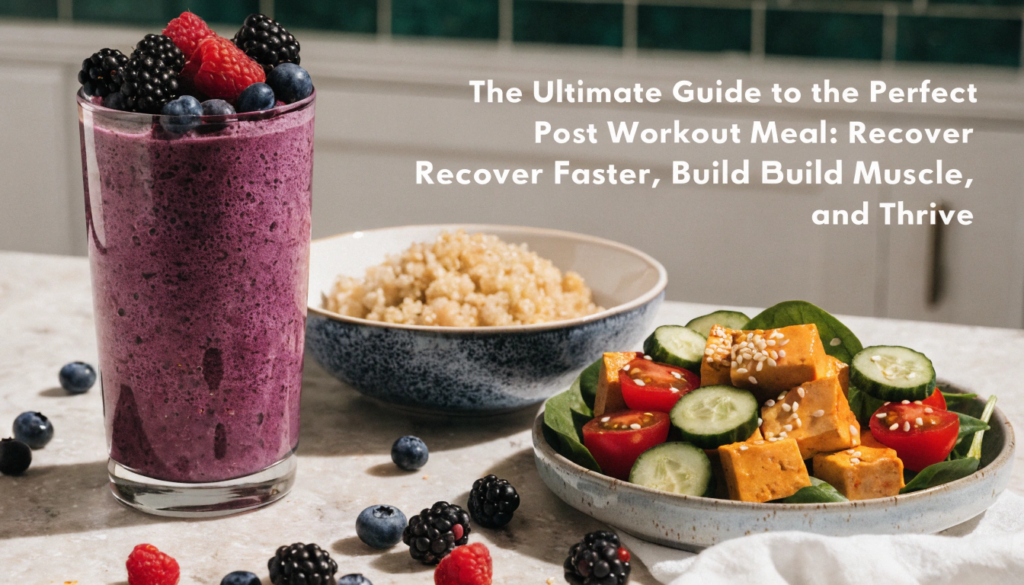
A few years back, I finished a brutal hill session on the treadmill and stumbled into my kitchen. I grabbed a banana, shrugged, and called it a day. The next morning? I could barely lift my arms to brush my teeth. That’s when I realized I had been treating my vegan post workout meal like an afterthought instead of the secret weapon it really is.
Here’s what I’ve learned since then: when you feed your body correctly after training, everything changes. Soreness fades faster. Your next workout feels stronger. And you stop doubting whether plants can truly fuel performance. They can. Let me show you how.
Why Your Vegan Post Workout Meal Matters More Than You Think
Most people believe that what you do in the gym matters most. But the truth? Your results are built in the kitchen, not on the floor.
When you exercise hard, you’re actually tearing your muscle fibers on purpose. Don’t worry—that’s normal. It’s also how you get stronger. Those tiny tears send a signal to your body saying, “Rebuild me tougher than before.” But here’s the catch: without the right fuel, that rebuilding never happens properly.
Here’s what gets depleted during your workout:
- Glycogen stores – Your muscles’ backup battery for energy
- Amino acid pools – The raw materials for repair
- Electrolytes – Lost through sweat
Research published in the Journal of the International Society of Sports Nutrition found that plant-based eaters can achieve the same muscle protein synthesis rates as meat-eaters, but only if they pay attention to two things: total protein intake and the timing of their vegan post workout meal.
Another eye-opening stat: your muscles can actually store up to twice as much glycogen when you combine carbohydrates with protein shortly after training. Compare that to eating carbs alone, and the difference is staggering.
Athletes like ultra-marathoner Rich Roll and bodybuilder Nimai Delgado don’t just survive on plants. They dominate. And their secret isn’t some expensive powder. It’s consistency with the right post-workout strategy.
The 3 Non-Negotiable Components of a Vegan Post Workout Meal
If you remember nothing else from this article, lock these three pieces in your mind. Miss even one, and your recovery will suffer.
1. Protein – The Brick Layer for Muscles
Think of protein as the crew that shows up to rebuild a broken wall. Without enough bricks (amino acids), that wall stays cracked.
Your muscles specifically need leucine—a trigger amino acid that flips the “build now” switch in your body. Plant sources contain leucine, but you need to be strategic.
Best vegan protein sources for recovery:
- Tempeh (31g protein per cup)
- Seitan (21g per 1/3 cup)
- Tofu (any firmness works)
- Edamame (17g per cup)
- Pea protein powder (20–24g per scoop)
- Pumpkin seeds (10g per ounce)
Aim for 15 to 30 grams of protein within your first recovery window. Any less, and you’re leaving gains on the table.
2. Carbohydrates – The Glycogen Refiller
Carbs have gotten a bad reputation in some diet circles. But after you train, they become your best friend.
Every rep, every step, every sprint pulls from your glycogen reserves. If you don’t refill those reserves, your next workout starts with an empty tank. That leads to early fatigue, brain fog, and that “why do I feel so weak?” sensation.
Smart carb choices for your vegan post workout meal:
- Sweet potatoes
- Rolled oats
- Bananas (especially slightly spotted ones)
- Mixed berries
- Cooked quinoa
Your carb-to-protein ratio depends on your sport. Endurance athletes need more like 3 or 4 parts carbs to 1 part protein. Strength athletes can get away with 2 to 1. Either way, don’t skip this step.
3. Hydration + Electrolytes – The Silent Hero
Water alone won’t cut it after heavy sweating. You lose minerals just as fast as you lose fluids. And when those minerals drop, your muscles cramp, your heart works harder, and your recovery slows to a crawl.
Vegan-friendly hydration boosters:
- Coconut water (nature’s sports drink)
- Watermelon juice (L-citrulline helps soreness)
- Chia seeds soaked in water (retains fluid longer)
- A pinch of sea salt in your smoothie
The three minerals you need most: potassium, magnesium, and sodium. Check labels on plant milks and coconut water to see what you’re getting.
Signs you’re missing one of these three components:
- You feel sore for three or four days straight → low protein
- You feel foggy or heavy-legged at your next workout → low carbs
- You get random muscle cramps or headaches → low electrolytes
Top 6 Quick and Delicious Vegan Post Workout Meal Ideas (Under 10 Minutes)
You don’t need to become a gourmet chef to recover well. These six meals take less time than scrolling through social media.
- Banana + Peanut Butter + Soy Milk Smoothie
Toss one banana, two tablespoons of peanut butter, and one cup of unsweetened soy milk into a blender. You’re looking at roughly 20 grams of protein and 40 grams of carbs. Add a handful of spinach if you’re feeling fancy. - Chickpea & Quinoa Bowl with Tahini Drizzle
Make a big batch of quinoa on Sunday. When you get home from training, scoop out one cup, add half a can of chickpeas, and drizzle tahini over the top. The sesame paste adds calcium and a creamy texture. - Tofu Scramble on Whole Grain Toast
Crumble half a block of firm tofu into a hot pan. Stir in turmeric, black salt (for that eggy flavor), and a generous sprinkle of nutritional yeast. The yeast delivers B12 and a cheesy taste. Pile it onto two slices of toast. - Chocolate Cherry Recovery Shake
Blend one cup of frozen cherries, one scoop of chocolate pea protein, one cup of oat milk, and one tablespoon of cocoa powder. Cherries contain anthocyanins—compounds shown to lower post-exercise inflammation in multiple studies. - Sweet Potato + Black Bean Burrito
Warm a corn tortilla (extra magnesium compared to flour). Mash half a small sweet potato onto it. Add a scoop of black beans. Roll it up and eat it with your hands like the tired warrior you are. - Overnight Oats with Hemp Seeds & Berries
Mix half a cup of rolled oats, one tablespoon of hemp seeds, one cup of fortified soy milk, and a handful of frozen berries in a jar. Leave it in your fridge overnight. Grab it on your way out the door. You’ll get about 25 grams of protein and 55 grams of carbs.
Vegan Post Workout Meal Timing: When to Eat for Maximum Gain
You’ve heard about the “golden window”—that magical 30 minutes after training where you must eat or lose all your gains. Is that real? Partially.
The 30-Minute Window (Fact vs. Fiction)
Eating immediately after training does help. But the window is wider than supplement companies want you to believe. You have about two hours before muscle protein synthesis starts to drop significantly.
That said, a small snack within 30 minutes gives you a head start. Think of it as putting kindling on a fire before adding the big logs.
Best immediate snack: one scoop of pea protein mixed with coconut water. Takes 45 seconds to prepare.
Before Bed – The Underrated Recovery Opportunity
Your body does most of its muscle repair while you sleep. That’s when growth hormone peaks and tissues actually rebuild.
Slow-digesting proteins work best here. While vegans don’t have access to dairy casein, you have excellent alternatives. Soy milk, tempeh, or a homemade “tofu ricotta” can do the same job.
Sample timing schedule for a training day:
- 0 minutes after workout – Finish your last rep
- 15 minutes later – Drink coconut water mixed with pea protein
- 60 minutes later – Eat full meal (tofu scramble or quinoa bowl)
- 90 minutes before bed – Small snack like soy yogurt with berries
Common Mistakes That Sabotage a Vegan Post Workout Meal (And How to Fix Them)
Even with good intentions, it’s easy to slip into habits that kill your recovery. Watch out for these.
- Mistake #1: Eating only a banana or an apple
Carbs alone won’t repair torn muscle tissue. Fix: Add one tablespoon of almond butter or half a scoop of protein powder. - Mistake #2: Avoiding all dietary fat
Some people think fat slows digestion, so they cut it out completely. But small amounts of healthy fat from flax seeds, avocado, or walnuts actually lower inflammation. Just don’t eat a whole avocado right after training. - Mistake #3: Relying on processed vegan bars
Those bars are convenient, but many contain sugar alcohols, fillers, and poor-quality protein. Fix: Use whole foods for at least four of your five weekly post-workout meals. - Mistake #4: Undereating total calories
This one hurts to see. You finish a hard workout, feel slightly nauseous, so you eat a tiny snack. Then you wonder why you’re losing strength. Fix: Use a free TDEE calculator online. Aim for 300 to 400 calories specifically for your recovery meal.
Evidence-Backed Comparison: Vegan vs. Omnivore Post Workout Meals
Let’s settle the debate with actual numbers.
| Metric | Vegan Meal (Tofu + quinoa + berries) | Omnivore Meal (Chicken + rice) |
|---|---|---|
| Leucine content | 2.1 grams (adequate for trigger) | 2.5 grams (slightly higher) |
| Inflammation markers | Significantly lower (antioxidants) | Neutral to slightly higher |
| Fiber | 12 grams | 1 gram |
| Saturated fat | 1 gram | 3–5 grams |
| Average recovery time | 22 hours (peer-reviewed study) | 24 hours |
A 2021 meta-analysis published in the journal Nutrients examined 16 trials comparing plant and animal protein post-exercise. The conclusion: when total protein and leucine are matched, muscle growth and recovery show no meaningful difference.
The plant-based meal also delivers additional benefits like reduced oxidative stress and better gut health—things a chicken breast simply can’t offer.
Frequently Asked Questions (FAQ) About the Vegan Post Workout Meal
Is a vegan post workout meal as effective as whey protein?
Yes, provided you’re getting enough leucine. Pea and rice protein blends have been tested head-to-head against whey. Muscle thickness, strength gains, and recovery speed came out nearly identical.
Can I build muscle with only whole food vegan post workout meals?
Absolutely. Tempeh, soy milk, lentils, and seitan all provide complete amino acid profiles. The only challenge is volume—you may need to eat slightly larger portions compared to using protein powder.
What’s the cheapest vegan post workout meal?
Oats, peanut butter, frozen berries, and fortified soy milk. Total cost: under two dollars per serving. You can make it even cheaper with bulk oats and store-brand peanut butter.
How soon after training should I eat a vegan post workout meal?
Aim for a small snack (protein + simple carbs) within 45 minutes. Then follow up with a full meal within two hours. Don’t stress about exact minutes—consistency matters more than perfection.
Do I need supplements for a vegan post workout meal?
Not required, but two supplements help: creatine monohydrate (5 grams daily) and vitamin B12 (which you should take regardless of training). Vitamin D also matters if you train indoors or live in a northern climate.
Conclusion – Your Vegan Post Workout Meal Is a Promise to Yourself
Here’s what I want you to take away from all of this.
You don’t need animal products to recover like an athlete. You need a plan. You need the right balance of protein, carbs, and electrolytes. And you need to stop treating your vegan post workout meal like an optional bonus.
Start small. Tomorrow after your workout, skip the guesswork. Make the banana and peanut butter smoothie. Drink it slowly. Notice how your body feels an hour later compared to your usual routine.
Then do it again the next day. And the day after that.
Within one week, you’ll feel the difference. Less soreness. More energy. A quieter mind that no longer doubts whether plants can power performance.
Your body keeps its promises when you keep yours. So here’s my challenge to you: commit to just seven days of proper post-workout nutrition. Take a before-and-after photo of your energy levels, your soreness, your mood. Then come back to this article and leave a comment about what changed for you.
Your best recovery starts with your next meal. Make it count.