You know those mornings when you feel like you’re just going through the motions? You grab a cold pastry, burn your tongue on cheap coffee, and scroll through your phone before the day even has a chance to greet you. I used to live like that. Then, on a foggy morning in a small town nestled between three volcanoes, a stranger slid a clay plate in front of me. On it sat eggs sunnyside up, refried black beans smoother than velvet, sweet plantains caramelized to a deep amber, and a crumbling white cheese that tasted like nostalgia I didn’t know I had.
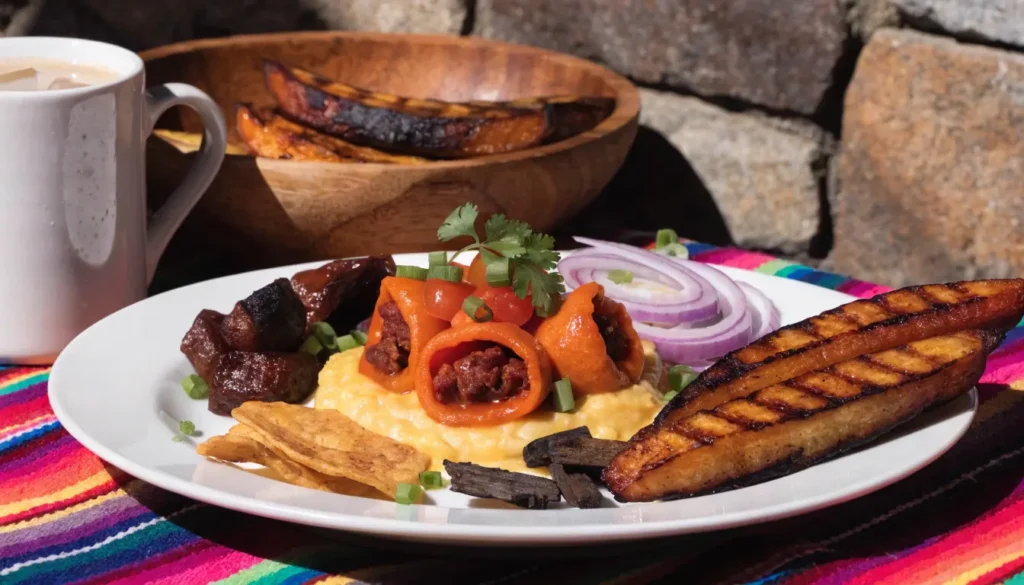
That was my first real Guatemalan breakfast. And honestly? It ruined me for every boring bowl of cereal since.
You don’t have to book a flight to Central America to feel that shift. But you do need to understand why this particular morning meal has held onto its traditions for thousands of years—and how you can bring that same warmth into your own kitchen tomorrow morning.
Let’s walk through it together.
What Defines an Authentic Guatemalan Breakfast? (The Core Components)
If you try to compare this to a standard American or even a typical European breakfast, you will miss the point entirely. A Guatemalan breakfast isn’t sweet. It isn’t light. And it certainly isn’t eaten in the car on the way to work.
This meal was designed by farmers, volcano dwellers, and people who understood that food is fuel, yes—but also medicine, community, and history.
At its heart, a true Guatemalan breakfast relies on four major players. You will see these on every single table, from a street stall in Guatemala City to a family home in the highlands. Miss one, and you are not eating the real thing.
1. Eggs – The Canvas
Eggs show up in nearly every version. Usually fried over easy so the yolk runs into the beans. Sometimes scrambled with diced tomato and onion, a preparation locals call revueltos. The key here is freshness. You want eggs from chickens that actually saw sunlight. The flavor difference is not subtle.
2. Beans – The Heart
This is where tourists get confused. You aren’t getting soupy beans out of a can. These are frijoles volteados—black beans cooked soft, mashed thoroughly, then fried again in a pan until the edges just start to crisp. The texture lands somewhere between a spread and a very thick dip. You will find yourself eating them with everything on the plate.
3. Plantains – The Sweet Balance
Ripe plantains. Not green, starchy ones. You want the skin nearly black. Slice them on an angle, fry them in butter or a touch of oil until they turn dark brown and almost sticky. That natural sweetness cuts through the saltiness of the cheese and the richness of the eggs. It is the bridge between savory and satisfying.
4. Cheese – The Crumbly Crown
Forget everything you know about shredded cheddar or melted mozzarella. Queso fresco here is soft, white, and crumbles like aged feta but tastes much milkier and gentler. Nobody melts it. You just sprinkle those crumbles over the beans and let the residual heat soften them slightly.
Those four things form your foundation. But you are not done yet.
The Supporting Cast: Sides That Steal the Show
You might look at that plate and think, That’s plenty. And you would be wrong. Because a Guatemalan breakfast without the supporting textures is like a band without a rhythm section. You need these extra players to make everything sing.
Here is what else shows up on that plate:
- Crema Guatemalteca – This is not thick sour cream. Think thinner, saltier, and pourable. You drizzle it over the beans and eggs like a finishing sauce. Do not skip it.
- Salsa – Two kinds exist. Salsa ranchera is cooked down with tomatoes and onions. Chirmol is fresher, made with roasted tomatoes and cilantro, carrying a subtle smoky note from the comal (griddle).
- Coffee – You cannot talk about breakfast here without mentioning the coffee. Guatemala produces some of the finest Arabica beans on earth, especially from the Acatenango and Huehuetenango regions. The International Coffee Organization ranks Guatemalan coffee among the top for high-altitude growing conditions. That cup you drink? It was likely grown on a volcanic slope.
- Tortillas – Handmade corn tortillas, never flour. You do not use a fork to eat this breakfast. You tear off a piece of tortilla, pinch some beans and eggs, and lift it to your mouth. That is the rule.
You will also occasionally see aguas frescas—fruit waters blended with a little sugar—but coffee remains the true companion.
Regional Variations: How a Guatemalan Breakfast Changes by Altitude
Here is something most travel blogs leave out. Guatemala is not a monolith. The breakfast you eat at sea level looks and tastes different from the one served three thousand feet higher. Your location changes the meal entirely.
The Highland Breakfast (Cold & Hearty)
If you find yourself in Quetzaltenango—locals call it Xela—the air is thin and cold. Your body needs calories just to stay warm. Breakfast here sometimes includes leftovers from last night’s caldo de res (beef soup) or paches, which are potato-based tamales wrapped in banana leaves.
This version feels heavier, denser, and deeply satisfying on a foggy morning. Farmers in these regions eat this before heading into the fields, and they do not get hungry again until late afternoon.
The Coastal Breakfast (Seafood Infusion)
Head toward Livingston on the Caribbean side, and you enter Garifuna territory. Here, the breakfast plate might swap out some traditional elements for fried fish or coconut rice sitting next to your eggs. Plantains also get mashed into a dish called mazamorra rather than sliced into rounds.
It is still recognizably Guatemalan, but the ocean influence is unmistakable. You taste the salt air in every bite.
The City Breakfast (Quick & Modern)
In Guatemala City, things move faster. Street vendors sell shucos—grilled hot dogs loaded with guacamole, cabbage, and sauces—as early as 7 AM. But traditionalists still seek out the desayuno completo at family-owned comedores. These sit-down spots serve the full spread without rushing you out the door.
No matter which region you visit, the soul of the meal stays intact. The details shift, but the ritual remains.
How to Recreate an Authentic Guatemalan Breakfast at Home (Step-by-Step)
You do not need a plane ticket. You need a skillet, some patience, and a willingness to fry plantains until they look almost burnt. Here is your twenty-minute workflow.
Follow these steps exactly:
- Start the beans first. Heat canned black beans with one smashed garlic clove. Simmer for five minutes, then mash them thoroughly. Heat oil in a separate pan, add the mashed beans, and fry until they pull away from the sides slightly. You want a thick, spreadable paste.
- Caramelize the plantains. Slice ripe (almost black) plantains on a diagonal. Fry in butter over medium heat until dark brown on both sides. Do not rush this step. The sugars need time to develop.
- Cook the eggs. Use the same pan you used for the plantains. The residual sweetness will flavor the eggs subtly. Fry them over easy or scramble them with tomato and onion.
- Warm your tortillas. Wrap two corn tortillas in a damp paper towel. Microwave for thirty seconds. Alternatively, heat them directly on a gas flame using tongs for fifteen seconds per side.
- Plate it like a local. Put the beans at ten o’clock, eggs at two o’clock, plantains at six o’clock. Crumble the queso fresco directly over the beans. Drizzle crema over the eggs. Spoon salsa on the side.
One rule you cannot break: Never serve cold beans. If the beans are not steaming, the entire breakfast collapses. Your abuela would disown you.
Frequently Asked Questions About Guatemalan Breakfast
You probably still have a few things you are wondering about. Let me answer the most common ones directly.
Is a Guatemalan breakfast healthy?
Yes, more than you might expect. You are looking at high protein from eggs, beans, and cheese. Complex carbohydrates come from the corn tortillas. Potassium and fiber arrive with the plantains. The entire meal is naturally gluten-free, and you control the added fat based on how much crema you use. The only thing to watch is portion size—it is easy to eat more than you need because it tastes so good.
What is the difference between a Mexican breakfast and a Guatemalan breakfast?
This comes up constantly. Mexico leans heavily on salsa roja, salsa verde, and dishes like chilaquiles. Guatemala relies more on crema, queso fresco, and sweet plantains. Mexican breakfast beans are often whole and soupy. Guatemalan beans are almost always refried into a thick paste called frijoles parados. Also, you will almost never find flour tortillas at a Guatemalan breakfast table. Corn only.
Can I eat Guatemalan breakfast for lunch or dinner?
¡Claro que sí! Guatemalans do this all the time. They call it comida corrida—literally “running food,” meaning a full meal eaten later in the day. When someone feels homesick, stressed, or just tired, they make breakfast food at six PM. It is comfort food in its purest form. No one will judge you.
What drink should I pair with a Guatemalan breakfast?
Black coffee from the Acatenango or Huehuetenango region. No sugar, no cream. You want to taste the volcanic soil and the high-altitude growing conditions. If you need a non-caffeinated option, fresh jugo de piña (pineapple juice) or horchata (rice-based sweet drink with cinnamon) works beautifully. But honestly? Go for the coffee.
Conclusion: More Than a Meal, It’s a Morning Ritual
You have been rushing through breakfast for too long. I know because I did the same thing. Protein bars eaten over the kitchen sink. Coffee gulped at red lights. Cold toast nibbled while answering emails. That is not eating. That is refueling a machine.
A Guatemalan breakfast demands something different from you. It asks you to sit down. To crumble cheese with your fingers. To tear a warm tortilla and scoop up beans that took time to prepare. To drink coffee so good you actually taste the place it came from.
This meal is not expensive. It is not complicated. But it is intentional. And intention changes how you experience food.
You can fly to Lake Atitlán tomorrow. Or you can stay right where you are, buy some black beans and ripe plantains, and spend twenty minutes on a Sunday morning cooking something that matters. The choice is yours. But once you taste it—really taste it—you will not go back to eating over the sink again.