You probably remember the exact moment it hit you. Maybe you were at a dinner party, watching someone cut into a cheesecake with that perfect, clean slice—the fork gliding through the filling, the slight crunch of the crust. Or perhaps it was a holiday gathering, where dessert felt like the main event, and you had to politely wave your hand and say, “No, thank you,” while everyone else groaned in satisfaction.
For me, it was a Tuesday. A random, unremarkable Tuesday where I stopped at a bakery on a whim, only to walk out empty-handed because the word “gluten” was stamped on every single label. I stood there on the sidewalk, and I felt smaller than I’d like to admit. It wasn’t just about missing out on sugar. It was about the ritual—the way food connects us, the way a shared slice of something indulgent makes a moment feel special.
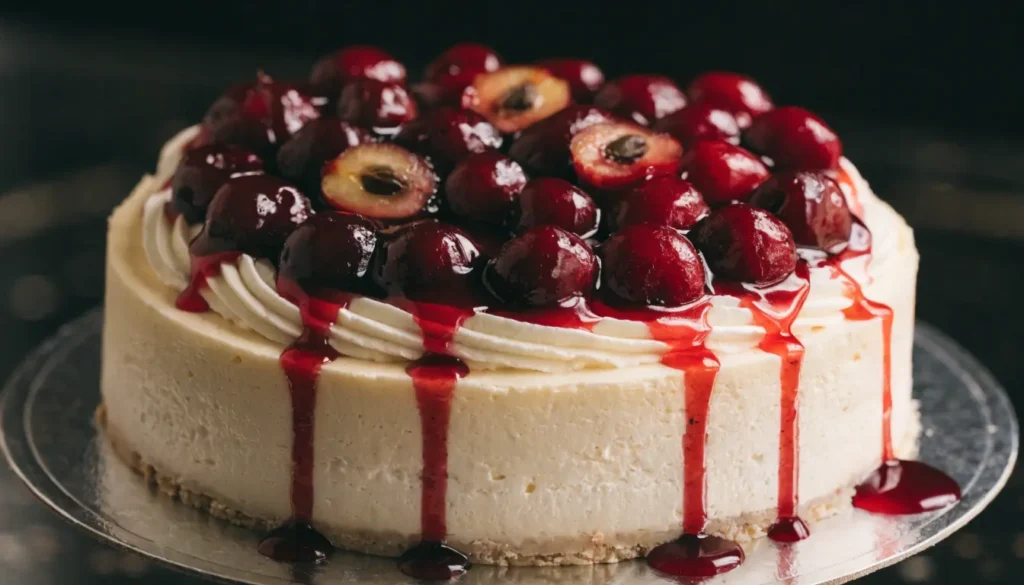
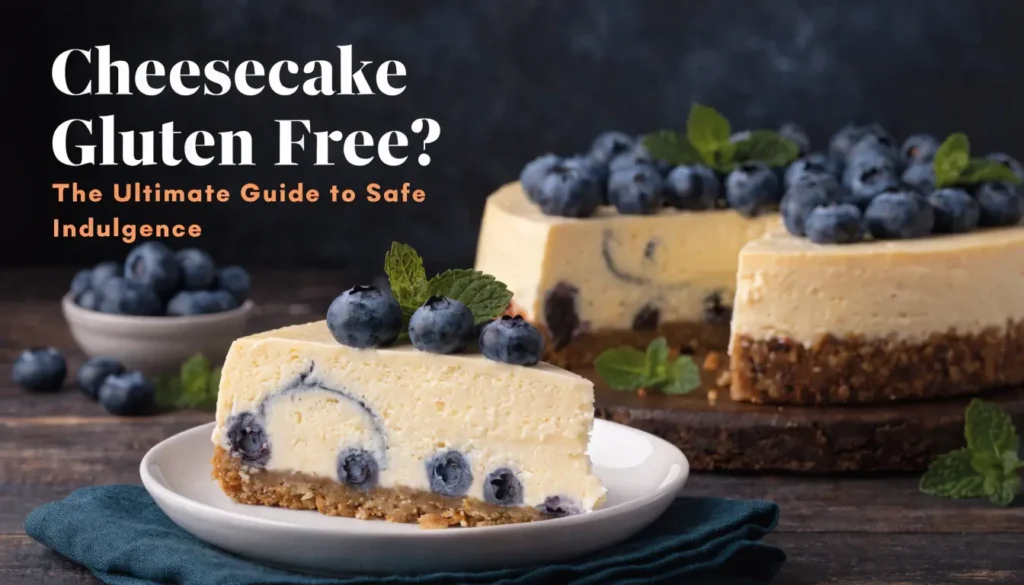
If that feeling resonates with you, I need you to know something: you’re not destined for dry, crumbly substitutes or crustless cheesecakes that feel like a sad compromise. This gluten free cheesecake recipe was built for those moments. It’s the one I spent years perfecting in a kitchen littered with failed attempts—cracked tops, soggy bottoms, and crusts that shattered into dust. But this version? It holds together. It delivers that dense, tangy, velvety texture you’ve been craving, and it does it with a crust so buttery and crisp that no one at your table will ever guess it’s gluten-free.
Let’s get you back to the table.
Why This Gluten Free Cheesecake Recipe Works (The Science of Texture)
When you’re baking without gluten, you’re essentially baking without the protein that acts as the glue holding everything together. In bread, that’s obvious. In cheesecake, it’s sneakier. Most people assume the filling is the risky part, but honestly? The filling is naturally in the clear. The danger zones are the crust and, surprisingly, the way you handle your ingredients.
The Crust Challenge
Traditional cheesecake crusts rely on graham crackers, which are essentially wheat-based cookies. When you remove gluten from that equation, you lose the structural integrity that keeps the crust from turning into a pile of sand the moment you cut into it. That’s why this recipe uses a hybrid approach.
Instead of leaning entirely on gluten-free graham-style crumbs (which can be dry and brittle on their own), you’re adding almond flour into the mix. Almond flour isn’t just a filler. It brings fat and moisture to the party, which helps the crust bind without needing gluten to hold hands. It also gives you that slightly nutty, toasted flavor that makes you think the baker spent hours fussing over the oven.
One more thing you’ll notice: this crust gets pre-baked. That’s non-negotiable. A blind bake ensures the butter melts into the crumbs and creates a solid barrier. If you skip this step, you risk a soggy bottom once the wet filling sits on top for an hour in the oven. Nobody wants that.
The Filling Formula
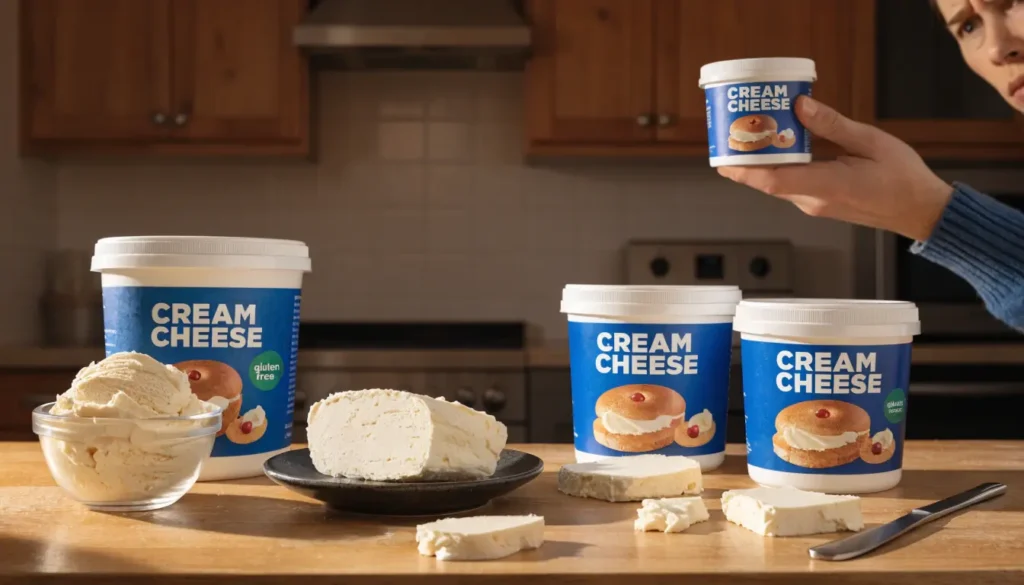
Here’s a truth that surprises a lot of people: the filling in a gluten free cheesecake recipe is usually naturally gluten-free, but the risks come from cross-contamination in your pantry. If you’re sharing a kitchen with gluten-eaters, you need to be vigilant. That means checking your cream cheese label (yes, some brands use additives that contain gluten), your vanilla extract, and even your butter if you’re ultra-sensitive.
But beyond safety, the real secret to a flawless filling is technique. You’re going to use full-fat cream cheese. Not the tubs of whipped stuff, and definitely not low-fat. Low-fat cream cheese contains more water, and water is the enemy of density. When water evaporates during baking, it creates steam, and steam creates cracks. The same goes for over-mixing. If you whip the batter on high speed, you’re incorporating air bubbles that will expand in the oven and then collapse, leaving fissures across the top of your beautiful cheesecake.
We’re also using a water bath. Some bakers try to skip this because it feels like a hassle, but here’s the thing: cheesecake is a custard. Custards need gentle, even heat to set properly. The water bath insulates the pan, ensuring the edges don’t cook faster than the center. Without it, you’re gambling on a cracked, over-baked rim.
Essential Ingredients for the Best Gluten Free Cheesecake
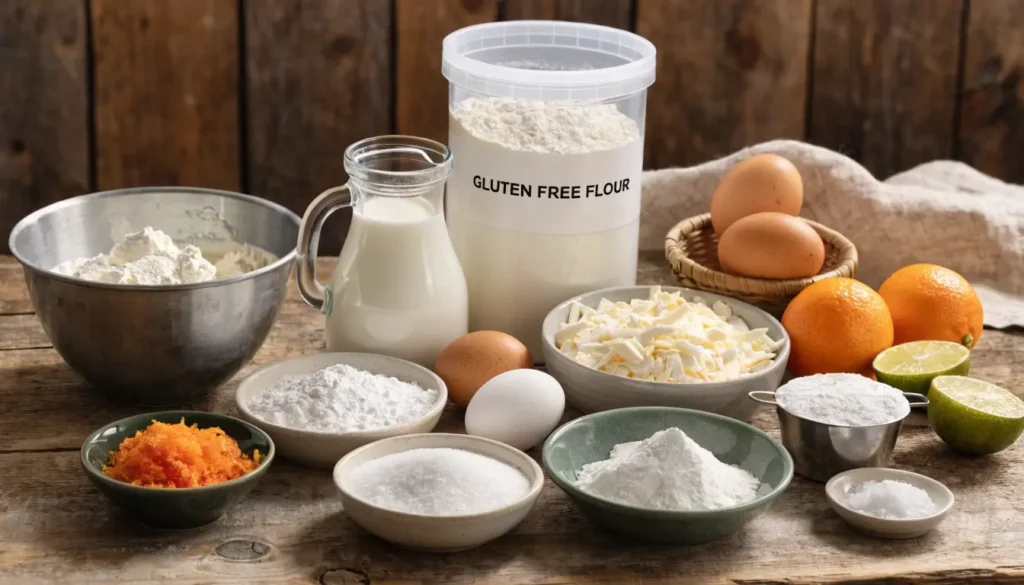
You can’t build a house on a shaky foundation, and you can’t build this cheesecake with subpar ingredients. Let’s break down exactly what you need, and why each component matters.
For the Crust:
- 1 ½ cups certified gluten-free graham-style crumbs: Look for brands like Kinnikinnick or Schär. These are tested for purity and won’t introduce hidden gluten.
- ½ cup almond flour: Fine-ground works best. Avoid almond meal, which has the skins included and can make the crust look speckled and taste overly rustic.
- ¼ cup granulated sugar: This adds a touch of sweetness, but also helps with browning.
- 6 tablespoons unsalted butter, melted: Salted butter can be used, but you’ll want to omit any extra salt in the crust mixture. The fat content here is crucial for binding.
For the Filling:
- 4 blocks (32 oz) full-fat cream cheese: Let these sit out on the counter for at least two hours before you start. Cold cream cheese is lumpy cream cheese, and lumps are your enemy.
- 1 ¼ cups granulated sugar: Standard white sugar dissolves cleanly. If you prefer coconut sugar, be aware it will darken the filling slightly and add a caramel undertone.
- ½ cup sour cream: This is your tang factor. It also adds moisture without thinning the batter.
- 4 large eggs, at room temperature: If you forgot to take them out early, place them in a bowl of warm water for 10 minutes. Cold eggs will seize up your cream cheese mixture.
- 1 tablespoon vanilla extract: Use pure vanilla, not imitation. The flavor is prominent enough here that you’ll taste the difference.
- 1 tablespoon cornstarch: This is your insurance policy. In traditional baking, flour sometimes sneaks into cheesecake batters as a stabilizer. Cornstarch plays that role here, helping the filling set firmly without becoming rubbery.
A Note on Safety
If you’re baking for someone with Celiac disease, don’t just glance at the front of the package. Flip it over. Look for “certified gluten-free” seals, or read the allergen statements carefully. Vanilla extract is a sneaky culprit sometimes, as cheaper brands use grain alcohol. Stick with reputable brands that explicitly state their gluten-free status.
Step-by-Step Instructions (The No-Crack Method)
Now we get to the part where patience meets precision. Set aside a few hours where you won’t be rushed. Cheesecake doesn’t respond well to hurry.
1. Prep the Pan & Crust
First, take your 9-inch springform pan. You’re going to wrap the outside of it with a double layer of heavy-duty aluminum foil. Make sure the foil comes all the way up the sides. This is your waterproofing for the water bath later. If you skimp on the foil, water will seep in and turn your crust into soup.
In a mixing bowl, combine your gluten-free graham crumbs, almond flour, and sugar. Pour in the melted butter and stir until the mixture looks like wet sand. Press this firmly into the bottom of the pan and about one inch up the sides. Here’s a trick: use the bottom of a flat measuring cup to press it down. Your fingers can leave uneven spots, but a flat surface gives you a compact, uniform crust that won’t crumble when you slice.
Bake this crust at 350°F (175°C) for 10 minutes. You’ll smell the butter toasting, and the edges will just begin to turn golden. Pull it out and let it cool while you prepare the filling.
2. The Smooth Filling Technique
This is where you have to control your instincts. You’ll want to whip the cream cheese into a frenzy, but you need to resist. Use a stand mixer or hand mixer on low speed.
Add your room-temperature cream cheese to a large bowl. Beat it with the sugar until it’s just smooth. If you see it getting fluffy, you’ve gone too far. You want it creamy, not airy.
Add the sour cream and vanilla, mixing until combined. Scrape down the sides of the bowl with a rubber spatula. You’d be surprised how much unmixed cream cheese hides along the bottom.
Add the eggs one at a time. After each addition, mix on low just until the yolk disappears. Do not walk away from the mixer while this is happening. Over-beating eggs introduces air, and that air is what creates the unsightly bubbles that turn into cracks.
Finally, sprinkle the cornstarch over the batter and stir it in gently. You’re done.
3. The Water Bath
Pour the filling over your cooled crust. Give the pan a few gentle taps on the counter—not hard slams, but firm taps—to bring any trapped air bubbles to the surface. Pop those bubbles with a toothpick if you see them.
Place your foil-wrapped springform pan into a larger roasting pan. Slide the roasting pan into the oven on the middle rack. Then, carefully pour boiling water into the roasting pan. You want the water to come about halfway up the sides of the springform pan.
Boiling water is important. If you use cold or hot tap water, you’ll lower the oven temperature dramatically and extend the baking time unpredictably. Boiling water keeps the environment consistent.
4. The Bake & Cool
Bake at 325°F (160°C) for 60 to 70 minutes. You’ll know it’s done when the edges look set and firm, but the center still has a slight wobble—think Jell-O, not soup. If you bake it until the center is completely solid, it will be over-done and dry by the time it cools.
Turn the oven off. Crack the oven door open about four inches, and let the cheesecake sit inside for one full hour. This slow cool-down is your secret weapon against cracks. Plunging a hot cheesecake into a cold kitchen is a recipe for disaster.
After that hour, remove the pan from the water bath. Take off the foil carefully (there will be condensation). Let the cheesecake cool to room temperature on a wire rack, then cover it loosely (don’t press plastic wrap onto the surface yet) and refrigerate for at least six hours. Overnight is better. This resting period isn’t optional—it’s where the texture solidifies into that dense, sliceable perfection.
Toppings and Variations to Customize Your Dessert
Once you’ve got the base gluten free cheesecake recipe down, you can take it in a dozen different directions. The beauty of this recipe is that it’s sturdy enough to hold up to toppings without turning into a mess.
Classic Toppings:
- Fresh strawberry sauce: Simmer sliced strawberries with a little sugar and lemon juice until they break down. Spoon over slices right before serving.
- Blueberry compote: Similar method, but add a dash of cinnamon for warmth.
- Lemon curd: The tartness cuts through the richness beautifully. Just ensure your lemon curd is gluten-free (most are, but check labels).
Flavor Variations:
- Chocolate Lover’s: Melt ½ cup of high-quality dark chocolate (70% cocoa) and cool it slightly. Stir it into the batter after the eggs, but before the cornstarch. Swirl gently—don’t fully incorporate if you want a marbled effect.
- Lemon Zest: Add 2 tablespoons of fresh lemon zest and 1 tablespoon of lemon juice to the batter. This version is especially refreshing in the spring and summer.
- Salted Caramel: Drizzle gluten-free caramel sauce over the cooled cheesecake, then sprinkle with flaky sea salt. Let it set in the fridge for an hour before serving.
Expert Tips for Storing and Serving
You’ve put hours into this dessert. Let’s make sure you get to enjoy every last bite.
How to Store
Keep your cheesecake in the refrigerator, covered. If you have a cake carrier, that’s ideal. If you’re using plastic wrap, press it gently against the surface of the cheesecake to prevent a skin from forming. It will stay fresh for up to five days, though the crust will naturally soften a bit by day three. To counteract that, let individual slices sit at room temperature for about ten minutes before eating. The slight warmth brings back some of the crust’s original texture.
Can You Freeze Gluten Free Cheesecake?
Absolutely. This recipe freezes better than most because the almond flour in the crust helps it maintain structure.
To freeze, make sure the cheesecake is completely chilled. If it’s still in the springform pan, wrap the entire thing in a layer of plastic wrap, then a layer of aluminum foil. Label it with the date, and it will keep for up to three months.
When you’re ready to serve, transfer the cheesecake to the refrigerator to thaw overnight. Do not try to speed this up with a microwave or a warm counter. A slow thaw preserves the texture.
Frequently Asked Questions (FAQ)
Is cheesecake usually gluten free?
The filling, in its purest form, is naturally free of gluten. But the crust almost always contains wheat. Even in restaurants, there’s a high risk of cross-contamination from shared prep surfaces or utensils. Following a dedicated gluten free cheesecake recipe is the only way to guarantee safety if you have Celiac disease or a serious sensitivity.
Can I make this a gluten free cheesecake recipe without a springform pan?
You can, though you’ll lose the dramatic presentation. Use a standard 9-inch cake pan lined with parchment paper slings (two long strips crossing each other, with overhang on the sides). After chilling, you can lift the cheesecake out by pulling up on the parchment. The sides won’t be as high or smooth, but the flavor remains untouched.
Why did my gluten free cheesecake crack?
Cracks usually point to one of three issues: over-mixing (too much air in the batter), over-baking (the center was too firm when it came out of the oven), or thermal shock (cooling too quickly). If you use low mixer speed, pull it while the center still jiggles, and let it cool in the oven with the door cracked, you’ll avoid most cracks.
Can I substitute the graham crackers to make it dairy-free as well?
Yes, but you’ll need to make two adjustments. For the crust, replace the butter with vegan butter or refined coconut oil (refined won’t add coconut flavor). For the filling, swap the cream cheese for a high-quality dairy-free brand like Miyoko’s or Violife, and use full-fat coconut cream in place of sour cream. The texture will be slightly less firm than the traditional version, so you’ll want to chill it for a full 24 hours before slicing.
Your New Signature Dessert
There’s a moment that happens when you serve this cheesecake to people who don’t eat gluten-free. They take a bite, and then they look at you with a mix of surprise and suspicion. “Wait,” they say. “This is gluten-free?” That’s the moment you know you’ve won.
This recipe was built for those moments. It’s for the birthdays, the holidays, and the random Tuesdays where you just need a slice of something that feels like comfort. It asks for patience, yes, but it rewards that patience with a dessert that doesn’t compromise on flavor, texture, or joy.
So preheat your oven. Wrap that pan in foil. Let the cream cheese sit out until it’s soft enough to yield to your touch. You’re not just baking a cheesecake. You’re reclaiming a seat at the table.
I’d love to hear how yours turns out. Drop a comment below with your favorite topping, or let me know if you tried the chocolate variation. If you run into any snags—a sticky crust, a stubborn wobble—ask away. We’re all in this kitchen together.