Do you remember that sinking feeling at a birthday party? The moment the cake comes out, candles flickering, everyone singing—and you have to smile and shake your head when someone offers you a slice. Or maybe it’s the quiet disappointment of opening a bakery box, expecting something warm and buttery, only to pull out a dry, crumbly muffin that tastes more like cardboard than comfort.
For anyone navigating celiac disease, a gluten sensitivity, or even just supporting a loved one with dietary restrictions, dessert has often felt like a minefield. You’ve probably heard the whispers: “Gluten-free means taste-free.” Maybe you’ve even started to believe it yourself.
But let me stop you right there. That old story? It’s over.
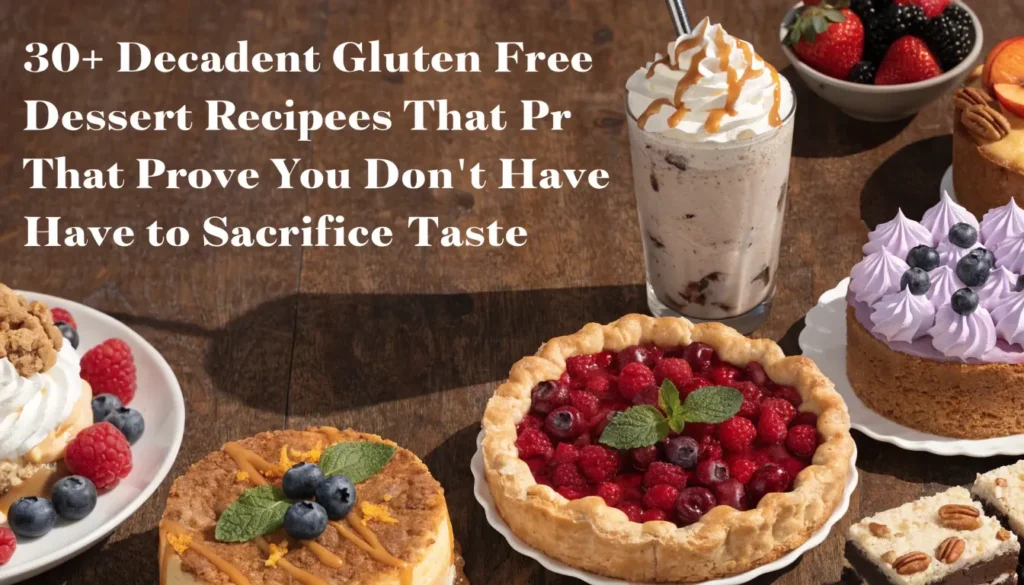
The truth is, gluten free dessert recipes have undergone a quiet revolution over the last decade. What was once a sad collection of gritty cookies and flavorless cakes has blossomed into a world of rich, fudgy brownies, flaky pie crusts, and moist, tender layer cakes that would fool even the most skeptical pastry snob at your dinner table.
Whether you’re baking for a child with allergies, healing your gut, or simply want to impress guests without announcing what’s not in the food, this guide is for you. We’re going to walk through the why, the how, and—most importantly—the actual recipes that will make you forget gluten ever existed. No compromises. No sadness. Just really, really good dessert.
Let’s rewrite your dessert story together.
Why Go Gluten-Free? Understanding the “Why” Behind the Sweet Tooth
Before we dive into flour blends and baking times, it helps to understand why you’re making this shift in the first place. The motivation behind choosing gluten free dessert recipes matters, because it shapes how careful you need to be—and how rewarding the results can feel.
Medical Necessity vs. Lifestyle Choice
For some people, gluten isn’t just an inconvenience; it’s a genuine health threat. Celiac disease, an autoimmune disorder affecting roughly one in every hundred people worldwide, triggers a serious immune response when gluten is consumed. Even microscopic traces of wheat, barley, or rye can cause intestinal damage, fatigue, and long-term complications.
Then there’s non-celiac gluten sensitivity (NCGS), where individuals experience bloating, brain fog, and discomfort without the same intestinal damage. Others may have a wheat allergy that requires strict avoidance.
If you fall into any of these categories, cross-contamination becomes a serious concern. That means using dedicated utensils, avoiding shared toasters, and being meticulous about ingredient labels. Every recipe in this collection is designed with that level of care in mind—because dessert should never come with a side of worry.
The Nutritional Upside of Gluten-Free Flours
Here’s something that surprises a lot of people: switching to gluten-free baking can actually boost the nutritional profile of your desserts—if you choose your ingredients wisely.
Traditional white flour is essentially refined starch. It offers little in the way of fiber, protein, or micronutrients. But many gluten-free flours tell a different story.
- Almond flour brings healthy fats, vitamin E, and a good amount of protein to the table. It’s naturally moist and adds a richness that white flour simply can’t match.
- Coconut flour is packed with fiber, which means desserts made with it tend to be more filling and cause a slower release of sugar into your bloodstream—fewer spikes, fewer crashes.
- Oat flour (certified gluten-free) offers beta-glucans, a type of soluble fiber known to support heart health.
When you bake with these ingredients, you’re not just avoiding gluten. You’re actively choosing desserts that offer more staying power and nutritional depth than their conventional counterparts.
The Ultimate Gluten-Free Pantry: Essential Ingredients for Success
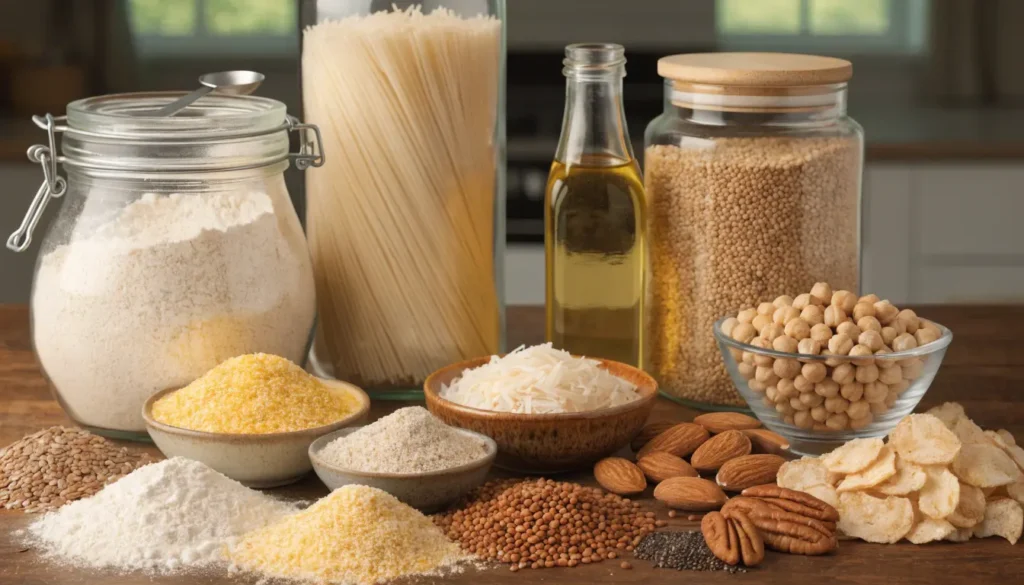
If you’ve ever tried to bake gluten-free and ended up with a crumbly disaster, the problem probably wasn’t you. It was your pantry. Gluten does a lot of heavy lifting in traditional baking—it provides structure, elasticity, and that satisfying chew. Without it, you need a strategic lineup of ingredients that work together to mimic those qualities.
Flour Power: Single vs. Blended
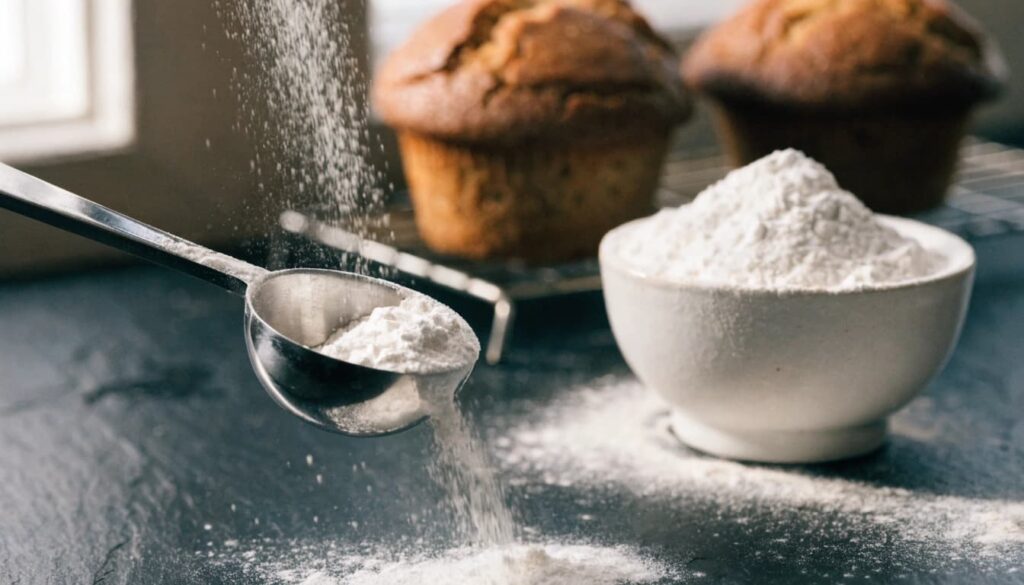
You could stock a dozen different single flours—rice, tapioca, sorghum, millet—and mix your own blends. Or you could save yourself the headache and invest in a high-quality all-purpose gluten-free flour blend.
For most gluten free dessert recipes, a good 1-to-1 baking flour is your best friend. Brands like King Arthur Flour and Bob’s Red Mill have spent years perfecting their blends. They combine rice flour, tapioca starch, and sometimes potato starch to create a texture that behaves surprisingly like wheat flour.
That said, there are times when single flours shine:
- Almond flour is ideal for brownies, pie crusts, and anything where you want a dense, moist crumb.
- Coconut flour is extremely absorbent. A little goes a long way, and it’s perfect for creating chewy textures in cookies or bars.
The Binders: Xanthan Gum, Psyllium Husk, and Eggs
Gluten acts as the glue that holds baked goods together. Without it, you need a substitute. That’s where binders come in.
- Xanthan gum is the most common option. Many all-purpose blends already include it, so check your label before adding extra.
- Psyllium husk is a favorite among bakers who prefer a more natural ingredient. It creates a stretchy, elastic dough that works beautifully for breads and pizza crusts.
- Eggs are nature’s binder. Most dessert recipes rely on them for structure, moisture, and lift.
Sweeteners and Fats
Here’s a pro tip: gluten-free baked goods tend to dry out faster than wheat-based ones. That means your choice of fat and sweetener matters more than you might think.
- Use high-quality fats like unsalted butter, coconut oil, or ghee. They add richness and help retain moisture.
- For sweeteners, brown sugar is a standout. Its molasses content adds both moisture and a deeper flavor. Maple syrup and honey can also work, though they require slight adjustments to liquid ratios.
Decadent Dessert Categories: Recipes for Every Craving
Now we get to the good part. Below, you’ll find a breakdown of dessert types, each with specific tips and recipe ideas designed to help you succeed.
Gooey, Fudgy, and Unforgettable: Gluten Free Brownies & Bars
If you’re new to gluten-free baking, brownies are the perfect starting point. They’re dense by nature, so you don’t have to worry about creating a delicate, airy crumb. In fact, some of the best brownies I’ve ever made are entirely flourless.
Recipe Idea: Ultra-Fudgy Black Bean Brownies
This recipe uses almond flour and a can of black beans to create a texture that’s impossibly fudgy. The beans disappear into the batter, adding moisture and structure without any bean-like flavor. Pair them with dark chocolate chunks and a sprinkle of flaky sea salt, and you’ll have a dessert that disappears within minutes.
Recipe Idea: Salted Caramel Cookie Bars
Start with a base of gluten-free oat flour, layer on a homemade dairy-free caramel, and top with chocolate chips. The result is a bar cookie that rivals anything from a high-end bakery.
Pro Tip: Always line your pan with parchment paper. Gluten-free batters are often stickier than traditional ones, and parchment ensures you can lift the entire batch out cleanly.
Light, Fluffy, and Airy: Gluten Free Cakes & Cupcakes
Cake is the ultimate test of a gluten-free baker’s skill. Without gluten, you risk ending up with something dense, gritty, or dry. But there are techniques that make all the difference.
The Reverse Creaming Method
Instead of creaming butter and sugar first, you mix your dry ingredients with the fat before adding liquids. This coats the flour particles in fat, which inhibits gluten development—not that you have gluten to worry about, but it also limits the formation of unwanted air bubbles that can lead to a coarse texture.
Recipe Idea: Birthday Perfection Vanilla Layer Cake
Use a high-quality 1-to-1 flour blend, plus buttermilk or full-fat yogurt. The acidity tenderizes the crumb, and the extra fat keeps everything moist. Frost with a simple buttercream, and nobody will guess it’s gluten-free.
Recipe Idea: Flourless Chocolate Torte
This one is naturally gluten-free and almost embarrassingly easy. Just chocolate, butter, eggs, and sugar. It bakes into a dense, silky torte that feels fancy enough for a dinner party but simple enough for a Tuesday night.
Pro Tip: Let your batter rest for thirty minutes before baking. This gives the flours—especially rice flour—time to absorb the liquids fully, resulting in a smoother, less gritty texture.
Chewy Centers and Crispy Edges: Gluten Free Cookies
Cookies can be tricky. The most common complaint I hear is that gluten-free cookies turn out either too crumbly or too cakey. But with a few adjustments, you can achieve that perfect balance of chewy center and crispy edge.
The Secrets to Chewy Cookies:
- Chill the dough. At least two hours, but overnight is even better. Chilling solidifies the fat, which prevents the cookies from spreading into thin, sad pancakes.
- Use brown sugar. White sugar promotes spread and crispiness; brown sugar adds moisture and chewiness. A combination of both gives you the best of both worlds.
- Don’t over-bake. Pull them out when the edges are set but the centers still look slightly underdone. They’ll continue cooking on the hot pan, leaving you with a soft, chewy interior.
Recipe Idea: Classic Chocolate Chip Cookies
Use a 1-to-1 flour blend, a mix of brown and white sugar, and high-quality semi-sweet chocolate. Chill the dough, bake until just golden at the edges, and prepare to watch them vanish.
Buttery, Flaky, and Golden: Gluten Free Pie & Pastry
Pie crust is often viewed as the holy grail of gluten-free baking. Traditional crust relies on gluten to hold together, but it also relies on keeping that gluten short—meaning you want to avoid developing it too much. Since you’re starting without gluten, the challenge shifts to keeping the crust from becoming brittle or hard.
Recipe Idea: All-Butter Gluten Free Pie Crust
A blend of superfine rice flour and tapioca starch creates a crust that’s tender and flaky. The key is to keep your ingredients cold—freeze your butter, use ice water, and handle the dough as little as possible.
Recipe Idea: Apple Cinnamon Galette
If pie intimidates you, start with a galette. It’s a free-form, rustic tart that doesn’t require crimping or fancy shaping. Roll out your gluten-free dough, pile on spiced apples, fold the edges over, and bake. Imperfection is part of the charm.
Navigating Dietary Crossovers: Dairy-Free, Vegan & Paleo
Many people who avoid gluten also avoid dairy or eggs. Whether it’s an additional allergy, a lifestyle choice, or simply a matter of what you have on hand, you don’t have to feel left out.
The Dairy-Free Swap
- Use full-fat canned coconut milk for creamy mousses, puddings, and even whipped toppings. It has enough fat to mimic heavy cream.
- For butter in baking, reach for vegan butter sticks from brands like Miyoko’s or Earth Balance. They’re formulated to behave like dairy butter in recipes.
The Egg-Free Swap
Eggs provide structure, especially in gluten-free baking where binders are already crucial. For egg-free gluten free dessert recipes, you have options:
- Flax eggs (one tablespoon flaxseed meal mixed with three tablespoons water) work well in dense items like brownies and cookies.
- Carbonated water or soda can provide lift in cakes. The bubbles help create a lighter texture without eggs.
Expert Tips: Avoiding Common Gluten-Free Baking Pitfalls
Even with the best recipes, small mistakes can lead to disappointing results. Here are the five most common pitfalls—and how to avoid them.
1. Cross-Contamination
If you’re baking for someone with celiac disease, this is non-negotiable. Wooden spoons, toasters, and even shared bags of sugar can carry traces of gluten. Use separate tools, wipe down surfaces thoroughly, and check every ingredient label—including baking powder, vanilla extract, and chocolate chips.
2. Skipping the Scale
Gluten-free flours vary wildly in weight. One cup of almond flour is not the same as one cup of tapioca flour. A kitchen scale ensures accuracy and consistency, especially for finicky recipes like cakes and pie crusts.
3. Over-Mixing
While gluten-free batters are more forgiving than wheat-based ones, over-mixing can still lead to a gummy texture. Mix just until ingredients are combined.
4. Not Checking Labels
Hidden gluten lurks in surprising places. Vanilla extract sometimes contains barley. Baking powder may have wheat starch. Even chocolate chips can be processed on shared equipment. Look for the “Certified Gluten-Free” label whenever possible.
5. Serving Cold
Here’s something most people don’t realize: gluten-free desserts often taste better at room temperature or slightly warm. The fridge stiffens the texture and dulls the flavor. A quick ten seconds in the microwave can revive a day-old cookie or brownie like magic.
Frequently Asked Questions (FAQ)
Are all gluten free dessert recipes also healthy?
Not necessarily. While gluten free dessert recipes remove wheat, barley, and rye, they can still contain significant amounts of sugar and fat. The goal here is to create desserts that taste indulgent while being safe for those with gluten intolerances. We focus on real-food ingredients, but like all sweets, these are best enjoyed in moderation.
Can I simply substitute gluten free flour in my old family recipes?
Usually, no. Unless you’re using a specifically formulated cup-for-cup blend, traditional recipes rely on gluten for structure and elasticity. For the best results, follow gluten free dessert recipes that have been tested to balance the right ratios of fats, liquids, and binders.
What is the best gluten free flour blend for desserts?
For cakes and cookies, a high-quality rice-flour-based blend like King Arthur Measure for Measure or Bob’s Red Mill 1-to-1 works beautifully. For pies and tarts, look for a blend with a higher percentage of almond flour, which adds richness and helps achieve a flakier texture.
How do I store gluten free desserts to keep them from drying out?
Gluten-free desserts stale faster than conventional ones. Store them in an airtight container at room temperature for up to two days. For longer storage, wrap them tightly in plastic wrap and freeze. Most gluten-free cookies and cakes freeze beautifully for up to three months.
Conclusion: Your Journey to Delicious Desserts Starts Now
Transitioning to a gluten-free lifestyle doesn’t have to mean standing on the sidelines during dessert. If anything, it can make you a more intentional baker—someone who appreciates the nutty warmth of almond flour, the deep satisfaction of a fudgy brownie that actually holds together, and the quiet joy of watching friends and family devour something you made without asking, “Wait, is this gluten-free?”
Whether you start with the Ultra-Fudgy Brownies to cure a late-night craving or tackle the Vanilla Layer Cake for a birthday celebration, remember that the best ingredient you can bring into your kitchen is patience. Baking is a science, and gluten-free baking is simply a new formula to learn. There will be batches that don’t turn out exactly as planned. That’s okay. Every baker—whether gluten-free or not—has been there.
What matters is that you’re showing up. You’re making space at the table for yourself and the people you care about. And that’s something worth celebrating.
Now I’d love to hear from you. What’s the first gluten-free dessert you’re planning to try? Do you have a favorite flour blend or a trick that’s saved your baking more than once? Drop a comment below and share your story. Your experience might be exactly what someone else needs to read today.
And if you try any of these recipes, come back and let me know how they turned out. Happy baking—you’ve got this.