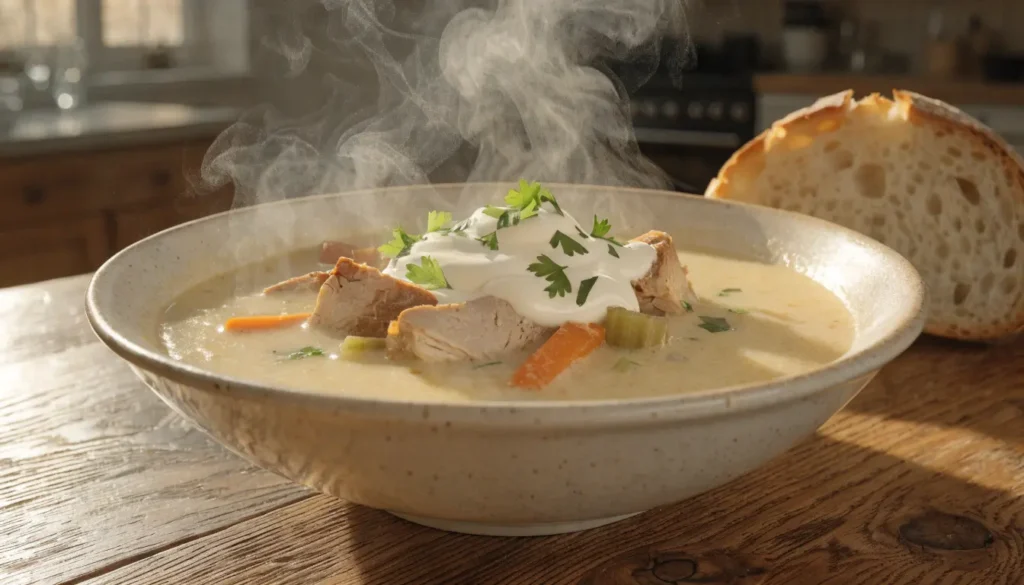
You know that feeling when a cold wind rattles the windows, or when your body is fighting off the first sniffles of the season? You crave something that feels like a warm blanket. For a lot of us, that craving points straight to a bowl of potato soup. I remember it vividly—the way the velvety broth coated my spoon, the way a single bite could melt away the stress of a long week. It was more than food; it was a ritual.
Then, the rules changed. Maybe you discovered a dairy sensitivity that left you dreading the aftermath of indulgence. Maybe a family member was diagnosed with an allergy, or you chose a plant-based path for your health. Suddenly, that creamy comfort felt locked behind a door you no longer had the key to. You might have thought, “Well, that’s it. I guess creamy soup is just a thing of the past.”
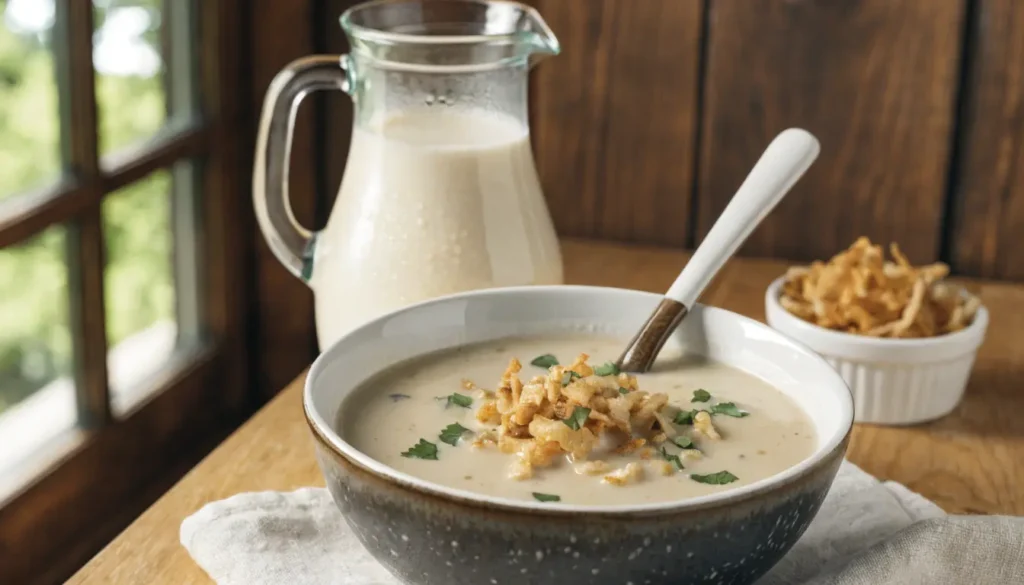
I’m here to tell you that’s a myth.
You haven’t lost that comfort; you’re just about to discover a better version of it. The journey to the perfect dairy free potato soup isn’t about deprivation. It’s about revelation. It’s about learning that you don’t need a drop of cream to achieve a texture so lush, so rich, and so deeply satisfying that it will make you question why you ever settled for the original. We’re going to rebuild that memory, ingredient by ingredient, into something that welcomes you back to the table with open arms. Let’s get started.
Why Choose Dairy Free? The Benefits Beyond Lactose Intolerance
If you’re searching for a dairy free potato soup, you likely have your reasons. But what you might not realize is just how many people are making this same shift, and the broad range of benefits it brings. This isn’t just a niche dietary need; it’s a smart choice for a huge portion of the population.
For Digestive Harmony: A Lactose-Free Life
Let’s start with the most common reason: lactose intolerance. You might not have a full-blown allergy, but you’ve probably noticed that after a bowl of traditional creamy soup, your stomach feels heavy, bloated, or uncomfortable. You’re not imagining it. According to data from the National Institutes of Health, approximately 68% of the global population has some degree of lactose malabsorption. That means for the majority of people around the world, digesting dairy is a genuine challenge.
When you switch to a dairy free potato soup, you eliminate that variable entirely. You get to enjoy the comfort without the internal distress. You’re no longer making a trade-off between flavor and feeling good. This version lets you have both.
For Allergy Management & Plant-Based Lifestyles
Beyond intolerance, a cow’s milk protein allergy is one of the most common food allergies, especially in young children. For families navigating this, finding safe, comforting meals can feel like a minefield. A reliable dairy free potato soup recipe becomes a cornerstone dish—something you can serve without worry, knowing everyone at the table can enjoy it.
And of course, there’s the growing wave of plant-based living. Whether you’re fully vegan or simply incorporating more plant-forward meals into your week, this soup fits perfectly. With a simple swap—using vegetable broth instead of chicken broth—you transform this into a vegan-friendly dish that doesn’t compromise on depth of flavor.
The Healthier Indulgence
Let’s be honest: traditional creamy soups are often calorie bombs, loaded with heavy cream and saturated fat. When you craft a dairy free potato soup, you’re not just removing an irritant; you’re often creating a lighter, nutrient-dense meal. Potatoes themselves are a powerhouse. They’re packed with vitamin C for immune support, potassium for muscle function, and fiber for digestive health. When you add in carrots and celery, you’re boosting the vitamin A and antioxidant content. You get to feel indulgent while your body reaps the rewards of real, whole food.
The Secret to Creaminess: Mastering the Dairy-Free Base
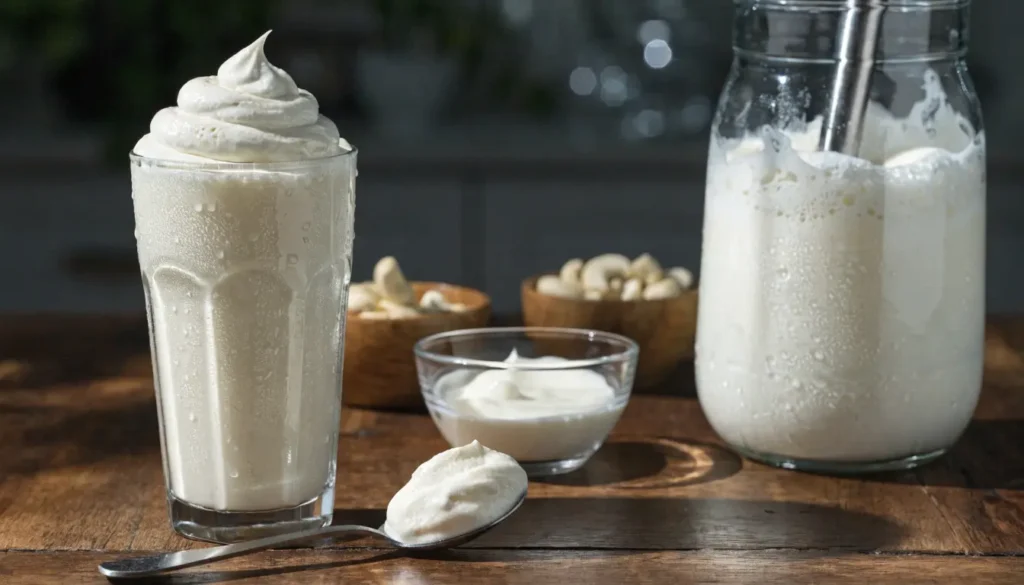
This is the moment where most people get stuck. How do you get that silky, rich mouthfeel without pouring in a carton of heavy cream? You have options, and understanding them is the key to your success. You’ll never feel like you’re “missing out” again.
Method 1: The Power of Potatoes (Using the Star Ingredient)
It might sound obvious, but the potato itself is your greatest ally. The secret lies in its natural starch. When potatoes cook, that starch releases into the liquid. When you blend a portion of the soup, those starches create a suspension that thickens the broth naturally, resulting in a creamy texture without a single drop of milk.
- The Potato Duo: For the absolute best results, use a mix of two types.
- Yukon Golds: These are your flavor potatoes. They have a naturally buttery, almost sweet taste and a naturally creamy texture that adds a beautiful base.
- Russets: These are your structure potatoes. They’re high in starch and low in moisture, meaning they break down beautifully and act as a powerful thickener.
- Tip: By using this combination, you get the flavor and creaminess from the Yukons and the thickening power from the Russets.
Method 2: Creamy Substitutes that Shine
When you want to take your dairy free potato soup to the next level of luxury, these three substitutes are your best friends.
- Unsweetened Cashew Cream: This is the gold standard for many chefs. You simply soak raw cashews in water for a few hours (or boil them for 10 minutes for a shortcut) and then blend them with fresh water until they form a completely smooth, velvety cream. Cashews have a neutral flavor, meaning they add richness without changing the taste of your soup. They also add a dose of healthy fats and a touch of protein.
- Full-Fat Canned Coconut Milk: This option is for when you want to add a subtle layer of flavor. It’s perfect if you’re adding smoky paprika, curry powder, or even a touch of chipotle to your soup. The fat content in full-fat coconut milk is what gives it that luxurious, almost decadent texture. Just be sure to buy the canned version, not the stuff in a carton meant for drinking.
- Plain, Unsweetened Vegan Yogurt: If you’re looking for a tangy complexity, this is your answer. A dollop of unsweetened cashew or soy yogurt stirred in at the very end adds a bright, creamy finish similar to what sour cream does for a traditional loaded potato soup.
The “No-Milk” Method: Roux vs. Puree
Beyond these, you have two distinct technical approaches.
- The Dairy-Free Roux: A roux is a mixture of fat and flour used to thicken sauces. You can easily make one using vegan butter or olive oil and all-purpose flour (or a gluten-free blend). This method gives you a very stable, creamy base that has a classic, familiar texture.
- The Puree Method: This is the whole-food, minimalist approach. Instead of adding a separate thickener, you simply blend a larger portion (or all) of the cooked vegetables. This results in a soup that is naturally creamy, fiber-rich, and incredibly simple. It’s the method we’ll be using in our core recipe.
Building Your Perfect Bowl: A Step-by-Step Recipe for Dairy Free Potato Soup
Now, let’s put all that knowledge into practice. This recipe is designed to be your go-to—reliable, forgiving, and absolutely delicious.
Ingredients for a Flavorful Foundation
Gather these items before you start. Preparation makes the process smooth and enjoyable.
- Aromatics:
- 1 large yellow onion, diced
- 4 cloves of garlic, minced (don’t skimp on this)
- Vegetables:
- 2 lbs Yukon Gold potatoes, peeled and cut into 1-inch cubes
- 2 large carrots, diced
- 2 celery stalks, diced
- Liquids:
- 4 cups low-sodium vegetable broth
- 1 cup unsweetened oat milk or cashew milk (for added richness)
- The Creamy Element:
- 1/2 cup raw cashews, soaked in water for 4 hours (or boiled for 10 minutes)
- Seasonings & Fat:
- 2 tbsp olive oil or vegan butter
- 1.5 tsp sea salt (plus more to taste)
- 1 tsp black pepper
- 1 tsp smoked paprika (this adds a wonderful depth)
- 2 tbsp fresh thyme leaves (or 2 tsp dried)
- 1 tsp lemon juice (for brightness at the end)
Step-by-Step Instructions
Follow these steps, and you’ll be rewarded with the best bowl of dairy free potato soup you’ve ever had.
- Build Your Flavor Base: Place your Dutch oven or large pot over medium heat. Add the olive oil. Once it shimmers, add your diced onion, carrots, and celery. This trio—often called a mirepoix—is the foundation of flavor. Cook them, stirring occasionally, until they soften, about 8 minutes. You want them translucent, not browned. Add the minced garlic and cook for one more minute until its fragrance fills your kitchen.
- Start the Soup: Add your cubed Yukon Gold potatoes, the vegetable broth, and the smoked paprika to the pot. Give it a good stir to combine everything. Turn the heat up to high and bring it to a boil. Once it’s boiling, reduce the heat to low, put the lid on, and let it simmer.
- Create Your Cashew Cream: While the soup simmers, prepare your creamy element. Drain the soaked cashews and place them in a high-speed blender. Add 1/2 cup of fresh water. Blend on high for 60-90 seconds, scraping down the sides as needed, until the mixture is completely smooth. It should have the consistency of heavy cream. Set it aside.
- Simmer to Perfection: Let the soup simmer with the lid on for 20-25 minutes. You’ll know it’s ready when you can easily pierce a potato cube with a fork. It should offer no resistance.
- Blend for Creaminess: This is the magic step. Remove the pot from the heat. Using an immersion blender (stick blender), puree the soup directly in the pot.
- For a silky smooth soup: Blend until no chunks remain.
- For a hearty, chunky soup: Blend only half of the soup, leaving the rest in chunks to give it texture.
- Incorporate the Cream: Turn the heat to low. Pour in your smooth cashew cream and the oat milk. Stir everything together until it’s fully incorporated and a uniform, creamy color. Let it warm through for a couple of minutes, but be careful not to let it come to a boil again, as this can sometimes affect the texture of the cashew cream.
- Finish & Serve: Remove the pot from the heat. Stir in the lemon juice and fresh thyme. The lemon juice is crucial—it doesn’t make the soup taste like lemon, but it brightens all the other flavors, making them pop. Taste your soup and add more salt or pepper if you feel it needs it. Ladle it into bowls and get ready to be impressed.
Toppings & Twists: 5 Ways to Elevate Your Dairy Free Potato Soup
A great soup is a canvas. The toppings and variations are where you can truly make it your own. This is how you turn a simple meal into a memorable one.
Toppings for Texture and Flavor
- Crispy & Smoky: Try making “coconut bacon” by tossing large coconut flakes with tamari and smoked paprika, then baking until crisp. Or, for a quicker option, roast chickpeas with smoked paprika until crunchy.
- Fresh & Bright: A handful of fresh chives, finely chopped parsley, or a drizzle of homemade chive oil adds a vibrant, fresh contrast to the rich soup.
- Savory Crunch: Create a dairy-free “parmesan” by pulsing raw cashews, nutritional yeast, garlic powder, and a pinch of salt in a food processor. Sprinkle this on top for a cheesy, umami kick.
- Rich & Decadent: A swirl of high-quality truffle oil just before serving adds an incredible, luxurious aroma. Or, add a dollop of vegan sour cream for classic loaded-soup appeal.
- Hearty Protein: For a non-vegan option, top with shredded rotisserie chicken. For a plant-based protein boost, add crumbled, crispy tempeh bacon.
Delicious Flavor Variations
- Loaded Baked Potato Style: Top your bowl with dairy-free cheddar shreds, the “savory crunch” parmesan, and a generous amount of chopped green onions. It’s everything you love about a loaded baked potato, in soup form.
- Roasted Garlic & Leek: Before you start, roast a whole head of garlic until it’s soft and caramelized. Squeeze the cloves into the pot when you add the broth. Also, replace the yellow onion with two large leeks (white and light green parts only). This creates a sweeter, more delicate, and deeply aromatic soup.
- Smoky Cheddar & Broccoli: Steam some fresh broccoli florets until tender-crisp. When you add your cashew cream to the soup, also stir in a generous cup of high-quality, dairy-free cheddar shreds. Stir until melted. Then, fold in the steamed broccoli for a classic, comforting twist.
- Spicy Jalapeño Popper: For a soup with a kick, add two diced, pickled jalapeños (or one fresh jalapeño, seeds removed) to the pot with the aromatics. When you finish the soup, swirl in a few tablespoons of spicy vegan cream cheese for a tangy, fiery finish.
Your Top Questions About Dairy Free Potato Soup, Answered (FAQ)
FAQ
Q: What is the best potato for dairy free potato soup?
A: You’ll get the most phenomenal results by not choosing just one. Use a combination of Yukon Gold and Russet potatoes. The Yukon Golds lend a natural, buttery flavor and inherent creaminess, while the Russets are starch-heavy, acting as a natural thickener for your dairy free potato soup. This duo gives you the best of both worlds: incredible flavor and a perfectly thick, velvety texture without any added flour or cornstarch.
Q: Can I make this dairy free potato soup in a slow cooker or Instant Pot?
A: Absolutely, and both methods work beautifully. For a slow cooker, you’ll want to sauté the onion, carrots, celery, and garlic on the stovetop first to develop their flavor. Transfer those to the slow cooker, add your potatoes and broth, and cook on low for 6-8 hours or on high for 3-4 hours. Once the potatoes are tender, use an immersion blender to puree, then stir in your dairy-free cream. For an Instant Pot, use the “Sauté” function to cook the aromatics. Add the potatoes and broth, then seal the lid and cook on “High Pressure” for 8 minutes. Perform a quick release of the pressure, then blend and add your cream.
Q: How do I store and reheat leftovers?
A: One of the best things about this soup is how well it keeps. Store any leftovers in an airtight container in your refrigerator for up to 5 days. When you’re ready to enjoy it again, reheat it gently on the stovetop over medium-low heat, stirring occasionally. If the soup has thickened too much overnight (which is common due to the potatoes absorbing liquid), just add a splash of vegetable broth or water to thin it back to your desired consistency. I generally advise against freezing this soup. While it’s safe to do so, the texture of the potatoes can become grainy and mealy upon thawing, which detracts from the creamy experience.
Q: Is this dairy free potato soup gluten-free?
A: Yes, this specific base recipe is naturally gluten-free! Because we rely on the starch from the potatoes for thickening rather than a traditional flour-based roux, you don’t have to worry about gluten. As always, it’s a good habit to double-check the labels on your vegetable broth and any packaged toppings you might use (like vegan bacon bits) to ensure they are certified gluten-free if you or someone you’re serving has celiac disease or a severe gluten sensitivity.
Conclusion
You came here looking for a way to reclaim a comfort you thought you’d lost. You leave with more than just a recipe. You now have a new understanding of how to build flavor, create texture, and customize a meal that meets your needs without ever sacrificing taste. This dairy free potato soup is proof that dietary changes don’t have to be about subtraction. They can be about discovery—finding new ingredients, new techniques, and new favorite flavors that make you feel even better than the original.
Whether you’re making this for a quiet night in, to soothe a loved one through a cold, or simply to treat yourself to a bowl of pure comfort, I hope this becomes a staple in your kitchen. It’s a dish that invites you to slow down, to savor, and to appreciate the simple, profound joy of a meal made with care.
Now, I’d love to hear from you. What’s your favorite topping for potato soup? Are you a classic chives person, or do you go all-in with the crispy coconut bacon? Drop a comment below and share your creation. Your twist might just become someone else’s new favorite tradition.