There are certain meals that stop time for a moment. For me, it happens every time I pull out that heavy-bottomed pot and hear the sizzle of garlic hitting warm olive oil. It takes me back to a chilly afternoon in my grandmother’s kitchen, standing on a wobbly stool while she dropped little cheese-filled pillows into a pot of simmering broth. The windows fogged up completely. The scent of oregano and basil clung to my sweater. In that bowl, I didn’t know or care whether there was meat involved. I just knew that soup meant safety. It meant home.
Now you’re likely here for the same reason. Maybe you’re looking to recreate a childhood memory with a vegetarian twist. Maybe you have a busy week ahead and need something that tastes like you fussed over it for hours but actually comes together in less time than it takes to watch a sitcom.
Or perhaps you just want a bowl of something that feels like a hug on a gray day.
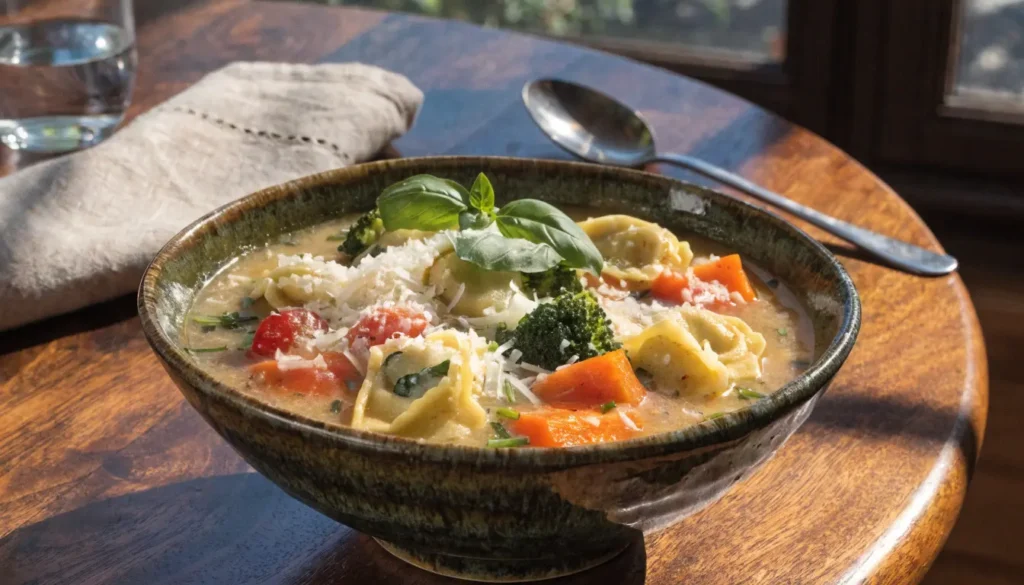
Whatever brought you here, vegetarian tortellini soup is about to become your new kitchen anchor. It’s the kind of recipe you’ll memorize after making it twice. It’s forgiving enough for a beginner yet impressive enough to serve to guests who swear they “need” meat to feel satisfied. Let me show you how to build it from the ground up.
Why This Vegetarian Tortellini Soup is a Game-Changer
You might be wondering if a soup without chicken, beef, or sausage can truly deliver that deep, savory satisfaction. The answer is yes, but only if you know a few tricks. This version isn’t just “soup without meat.” It’s a carefully constructed bowl where every ingredient pulls its weight.
First, speed matters. Traditional Italian broths often require simmering bones for hours to extract flavor. You don’t have that kind of time, and frankly, you shouldn’t need it. By starting with high-quality refrigerated tortellini and building your broth strategically, you can go from chopping board to dinner table in about twenty-five minutes.
Second, this recipe solves the problem of vegetarian soups tasting thin or one-dimensional. The secret lies in layering umami—that elusive fifth taste that makes food deeply satisfying. While meat-based soups get this richness from collagen and animal fats, you’ll achieve it through ingredients like white miso paste, nutritional yeast, or a simple Parmesan rind. These additions trick your palate into believing the broth has been simmering all afternoon.
Third, it’s a one-pot situation. You know how some recipes leave you with a pile of dishes that makes you question whether the meal was worth it? Not this one. Everything happens in a single Dutch oven or large pot, which means less scrubbing and more time actually enjoying what you made.
Finally, flexibility is baked into this recipe. Whether you need it gluten-free, vegan, or packed with extra vegetables, this soup bends to your needs without losing its soul.
Key Ingredients for the Perfect Vegetarian Tortellini Soup
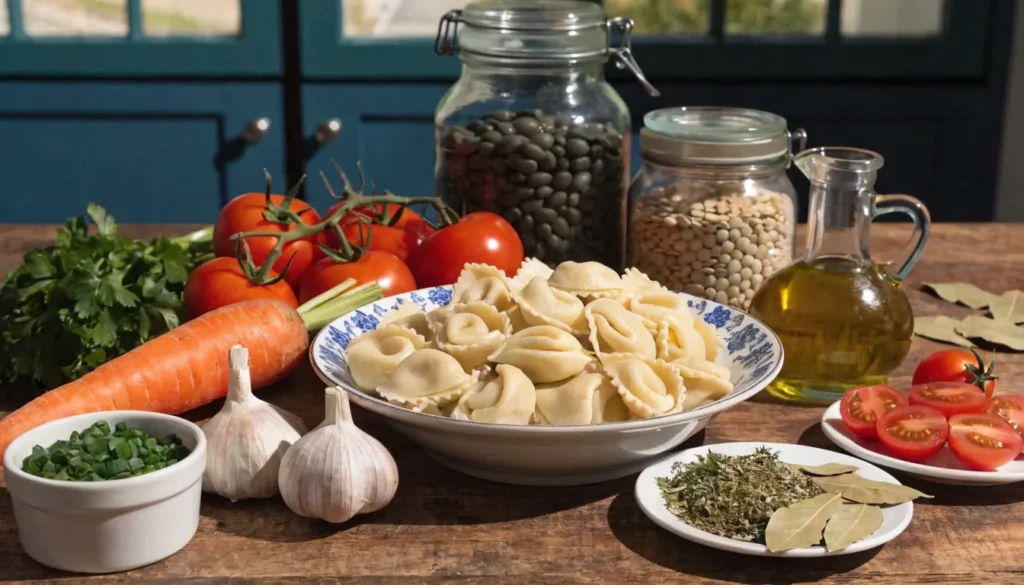
Great soup starts with smart ingredient choices. You don’t need anything exotic, but you do need to be intentional about what goes into that pot.
The Foundation: Broth and Aromatics
Every memorable soup begins with what cooks call the soffritto—a finely diced mixture of onion, carrot, and celery. This trio forms the flavor base for countless Italian dishes, and for good reason. When you cook them slowly in olive oil, they release natural sugars that caramelize and create a sweet, savory foundation that no powdered bouillon can replicate.
For the liquid, always reach for low-sodium vegetable broth. Here’s why: controlling salt is nearly impossible once it’s in the pot, and different brands vary wildly in sodium content. Starting low gives you room to season at the end, when you can actually taste what you’re working with.
Now, about that umami boost. Research on flavor science shows that umami compounds trigger specific receptors on your tongue that signal satisfaction and fullness. In traditional meat-based soups, these come from collagen and amino acids. For your vegetarian version, you have two excellent options:
- White miso paste: Stir a tablespoon into the hot broth until it dissolves. It adds a gentle fermented depth that doesn’t taste overtly like miso—it just makes everything taste richer.
- Nutritional yeast: Two tablespoons of these yellow flakes add a subtle cheesiness and a savory punch.
- Parmesan rind: If you happen to save the hard rinds from wedges of Parmesan, toss one into the broth as it simmers. Remove it before serving. It’s like a flavor bomb that slowly releases nutty, salty richness.
The Star: Choosing the Right Tortellini
Here’s where many home cooks go wrong, and it usually happens with good intentions. You see dried tortellini in the pasta aisle and assume it will work the same way as fresh. It doesn’t.
For this soup, fresh refrigerated tortellini is your best friend. It cooks in three to five minutes and maintains a tender, slightly chewy texture that dried pasta simply cannot achieve. Look for it in the refrigerated section near the prepared pastas and ravioli. Most grocery stores carry at least one variety of cheese tortellini, typically filled with ricotta, Parmesan, and mozzarella.
If you’re cooking for someone who avoids dairy, the market has caught up. Many brands now offer vegan tortellini filled with cashew-based ricotta or spinach-tofu blends. They hold up beautifully in soup and ensure no one feels left out at the table.
The Greens and Texture
You’ll need something green to balance the richness of the cheese-filled pasta.
- Spinach: The classic choice. It wilts in about thirty seconds after you stir it in, adding color and a mild, earthy flavor without competing with the broth.
- Kale: If you prefer something heartier or plan to have leftovers, kale is your better option. It doesn’t turn into a slimy mess when reheated the next day. Just remove the tough stems and tear the leaves into bite-sized pieces.
Canned diced or crushed tomatoes add acidity that cuts through the creamy cheese filling. Without them, the soup can feel one-note and heavy. The tomatoes brighten everything up and give the broth that appealing reddish-orange hue that signals “this is going to be good.”
Step-by-Step: How to Make Vegetarian Tortellini Soup
Let’s walk through the process. I’ll give you the timing and the little details that separate good soup from great soup.
Preparation time: 10 minutes
Cook time: 20 minutes
- Heat your oil. Grab a Dutch oven or a large, heavy-bottomed pot. Warm two tablespoons of olive oil over medium heat. You want it shimmering but not smoking.
- Sauté the aromatics. Add one finely diced yellow onion, two diced carrots, and two diced celery stalks. Stir occasionally and let them cook for about five to seven minutes. Don’t rush this part. You’re looking for the onions to turn translucent and the vegetables to soften. This slow cooking builds the foundation flavor that no amount of seasoning can later replicate.
- Bloom the spices. Add four minced garlic cloves, one teaspoon of dried oregano, and half a teaspoon of red pepper flakes if you like a little warmth. Stir everything for about thirty seconds until the garlic becomes fragrant. This brief cooking in oil releases the essential oils in the dried herbs and mellows the raw edge of the garlic.
- Build the broth. Pour in six cups of vegetable broth and one 28-ounce can of crushed or diced tomatoes. Bring the pot to a boil, then reduce to a simmer.
- Incorporate the umami. If you’re using miso paste, ladle a cup of the hot broth into a small bowl, whisk in the miso until dissolved, then pour it back into the pot. If you’re using nutritional yeast, simply sprinkle it in and stir. If you have a Parmesan rind, drop it in now.
- Cook the tortellini. Once the broth is simmering gently, add your fresh tortellini. Follow the package timing—usually three to five minutes. Watch carefully. Overcooked tortellini turns bloated and starts to fall apart. You want the pasta just cooked through with a slight resistance when you bite into it.
- Finish with greens. Turn off the heat completely. Stir in five ounces of fresh spinach or your chopped kale. The residual heat will wilt the spinach in under a minute. If you’re using kale, let it sit for a minute or two to soften.
- Garnish and serve. Ladle the soup into bowls. Top with fresh basil leaves, a drizzle of good olive oil, and a generous shower of grated Parmesan cheese. Serve immediately.
Pro Tips for the Best Texture and Flavor
A few small adjustments make all the difference. These are the lessons learned from making this soup dozens of times.
Never overcook the pasta. If you know you’ll have leftovers, cook the tortellini separately and store it in a container on the side. Add it to individual bowls when you reheat the soup. Pasta left sitting in liquid absorbs moisture and becomes mushy within a day. The broth itself keeps beautifully for up to four days in the refrigerator, so keeping the components separate ensures your leftovers taste nearly as good as the first serving.
Don’t skip the Parmesan rind. It seems like such a small thing, but tossing a rind into the simmering broth is one of those kitchen tricks that feels almost like cheating. It slowly releases flavor compounds that mimic long-simmered meat stocks. If you don’t already save your Parmesan rinds, start today. They freeze perfectly and turn into liquid gold when given time in a hot pot.
Balance the acidity. Sometimes canned tomatoes can lean sharp or acidic, especially if you’re using a budget brand. Taste your broth before adding the tortellini. If it tastes a bit harsh, add a teaspoon of sugar or a splash of balsamic vinegar. The sugar neutralizes acidity without adding sweetness, while balsamic adds a fruity complexity that plays beautifully with the tomatoes.
Variations and Substitutions
One of the reasons this soup has earned a permanent spot in my rotation is how easily it adapts to different cravings and dietary needs.
Creamy version: If you’re in the mood for something richer, stir in half a cup of heavy cream, full-fat coconut milk, or cashew cream after you’ve turned off the heat. The result is a luscious, pink tomato-bisque style soup that feels decadent without being heavy.
Pesto perfection: Swirl two tablespoons of basil pesto into the pot along with the greens. This adds a vibrant green color and a hit of herbaceous flavor that complements the cheese tortellini beautifully. It also adds a layer of complexity that makes the soup taste more like something from a restaurant kitchen.
Hearty vegetable medley: For a more substantial soup that blurs the line between soup and stew, add eight ounces of sliced cremini mushrooms along with the aromatics. Their earthy flavor adds a meaty quality that satisfies even the most skeptical carnivores. You can also toss in diced zucchini or yellow squash about five minutes before adding the tortellini.
Nutritional Breakdown
For those keeping an eye on what goes into their body, here’s what a standard serving looks like. These numbers are estimates based on a serving of cheese tortellini, vegetable broth, and a generous handful of spinach.
- Calories: 380 to 450 per serving
- Protein: 15 grams, thanks largely to the cheese tortellini
- Carbohydrates: 45 grams
- Fiber: 6 grams
- Vitamin A: Over 100 percent of your daily value, coming from the carrots and spinach
- Iron: Around 15 percent of your daily value
If you want to boost the protein without changing the character of the soup, add a drained can of cannellini beans when you pour in the broth. They blend in seamlessly and add creaminess while pushing the protein count to over 20 grams per serving.
Frequently Asked Questions
Can I make this in a slow cooker or Instant Pot?
Absolutely. For a slow cooker, combine everything except the tortellini and greens. Cook on low for six to eight hours or high for three to four. Add the tortellini and spinach during the final thirty minutes. For an Instant Pot, use the sauté function to cook your aromatics, then add the broth and tomatoes. Pressure cook on high for five minutes, release the pressure manually, then add the tortellini using the sauté function until cooked through.
Is this soup freezer-friendly?
With one important caveat. The broth freezes beautifully for up to three months. The cheese tortellini does not. Pasta stored in liquid and then frozen turns into a mushy, unappealing texture when thawed. Your best strategy is to freeze the soup base without the pasta. When you’re ready to eat, thaw the base, bring it to a simmer, and add fresh tortellini.
What should I serve alongside this soup?
While the soup is hearty enough to stand alone, a few sides elevate it to a full meal experience. Crusty sourdough or garlic bread is the classic choice for dipping. A simple arugula salad dressed with lemon juice and olive oil cuts through the richness of the cheese. For something roasted, broccolini or asparagus tossed with olive oil and finished with lemon zest pairs beautifully.
How do I make this soup vegan?
Simple. Use vegan tortellini, which you can find in the refrigerated section of most natural food stores or larger grocery chains. Substitute the Parmesan topping with nutritional yeast or a store-bought vegan Parmesan. Check your vegetable broth label to ensure it doesn’t contain honey, which occasionally shows up in certain brands.
Conclusion
Vegetarian tortellini soup proves a simple truth that many home cooks discover over time: you don’t need meat to build a meal that feels complete, satisfying, and deeply comforting. It’s a recipe that respects your time while delivering flavors that taste like they’ve been developing all day.
What I love most about this soup is how it creates space for connection. When you make it, the kitchen fills with that unmistakable aroma of garlic and herbs that draws people in. It’s the kind of meal where guests wander into the kitchen before you even call them to the table, drawn by the smell and the promise of something warm.
Whether you’re cooking for a family on a busy Tuesday, soothing a cold on a rainy afternoon, or simply treating yourself to a bowl of something that feels like a hug, this soup delivers. It’s forgiving enough for beginners and satisfying enough for experienced cooks who know that the best recipes are often the simplest.
So here’s my invitation to you: grab your heaviest pot, a bag of fresh tortellini, and whatever vegetables look best at the market. Give yourself twenty-five minutes to cook something that feels like slowing down. Taste the broth before you serve it, adjust the salt, add an extra drizzle of olive oil if it feels right. Then sit down with your bowl, breathe in the steam, and enjoy exactly where you are.
Ready to make it your own? I’d love to hear how it turns out. Drop a comment below with your favorite twist—whether you added mushrooms, swirled in pesto, or discovered a new brand of vegan tortellini that you love. And if you found this guide helpful, share it with someone who could use a little more comfort in their kitchen this week.