That moment right after you finish moving your body—whether you just deadlifted a new personal best or flowed through a sweaty vinyasa—something shifts. Your muscles are buzzing. Your skin is slick. And somewhere beneath the fatigue, there is this quiet sense of accomplishment humming through your veins.
Then reality settles in. Your stomach growls. Your legs feel like they might give out on the stairs. And a familiar question starts nagging at the back of your mind: Did I just do all that work for nothing if I don’t eat the right thing now?
If you have ever stood in front of your refrigerator, dripping sweat, staring at a container of leftover vegetables and wondering whether that will actually help you recover, you are not alone. There is a persistent whisper out there that eating plant-based means your recovery will somehow be second-best. That without animal products, your muscles will stay sore longer, your progress will stall, and you will never quite feel as strong as you could.
Let me tell you something I learned the hard way after years of finishing brutal workouts with nothing more than a handful of almonds and wishful thinking: that whisper is wrong. Dead wrong.
What you eat after training matters enormously. But the version of that meal built from plants? It can be absolutely transformative. It can reduce your soreness, speed up your return to the gym, and actually help you build more lean tissue than you thought possible. The secret is not about abandoning your values. It is about understanding the architecture of a truly effective vegetarian post workout meal and giving your body exactly what it needs to turn effort into evolution.
Let us walk through this together. By the time you finish reading, you will know precisely how to refuel so that tomorrow, you wake up feeling ready—not wrecked.
Why Your Post-Workout Nutrition Matters (Even on a Plant-Based Diet)
Here is something that might surprise you. The human body does not actually care where its building blocks come from. It cares about timing, composition, and whether you show up consistently.
When you exercise, especially during resistance training or high-intensity cardio, you create microscopic tears in your muscle fibers. This sounds dramatic, but it is actually the entire point. Those tears signal your body to rebuild stronger and denser tissue than existed before. The catch? Your body needs raw materials to do that rebuilding. And it needs them soon after you finish.
The concept often called the “anabolic window” has been debated in sports science circles for years. Some researchers argue it is wider than we once thought. Others insist that waiting even two hours significantly reduces how effectively your muscles can synthesize new protein. What the consensus tends to agree on is this: consuming a combination of protein and carbohydrates within thirty to ninety minutes post-exercise yields the best recovery outcomes.
During that window, your muscle cells are primed like sponges. Blood flow remains elevated. Insulin sensitivity is higher than usual. And the enzymes responsible for glycogen storage are working overtime. When you feed that window with the right nutrients, you essentially tell your body, “We have resources available. Start rebuilding immediately.”
For those following plant-based patterns, a specific concern often surfaces: the completeness of proteins. Animal products contain all nine essential amino acids in one package. Many plant foods do not. But here is what the research actually shows. A 2021 review published in Sports Medicine examined multiple studies comparing plant-based protein supplementation to whey. The findings consistently demonstrated that when total protein intake and leucine content (the primary amino acid driving muscle synthesis) were matched, plant proteins produced nearly identical hypertrophy results.
Your body does not require every amino acid at the exact same second. It requires a sufficient pool over the course of a day. That means your vegetarian post workout meal does not need to be a perfect protein on its own—it needs to be part of a larger pattern that delivers what your muscles need when they need it most.
The Core Components of an Effective Vegetarian Post Workout Meal
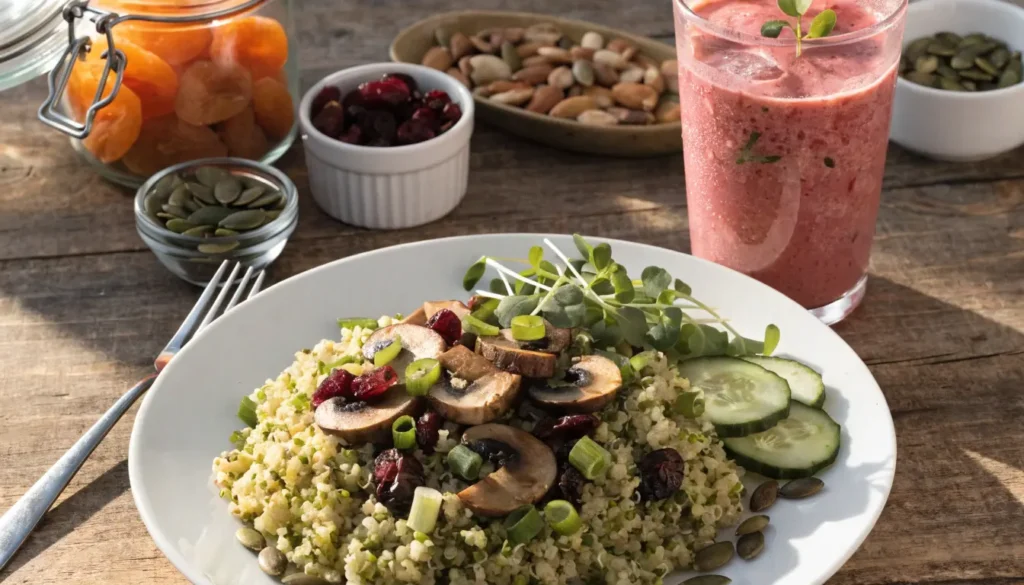
Building a recovery plate is simpler than most people make it. You are aiming for three specific outcomes: muscle repair, energy replenishment, and fluid balance. Every effective meal hits these three targets.
Protein: The Muscle Builder
Plant proteins sometimes get dismissed as inferior because of the amino acid profile question. But here is what actually matters for recovery: leucine content and total protein quantity per serving.
Soy-based foods stand out here because they are complete proteins on their own. Tempeh delivers about thirty-one grams of protein per cup, plus probiotics from fermentation that support gut health. Tofu offers around twenty grams per half-block. Edamame brings seventeen grams per cup along with fiber that helps stabilize blood sugar.
Beyond soy, you have options that rival animal products in terms of protein density. Seitan, made from vital wheat gluten, delivers roughly twenty-five grams per three-ounce serving. Lentils pack eighteen grams per cup while also supplying iron—a mineral often low in vegetarian diets that plays a critical role in oxygen transport to working muscles.
If you prefer powders for convenience, look for blends that combine pea and rice protein. Alone, pea protein has decent leucine but lower methionine. Rice protein has the opposite profile. Combined, they form a complete amino acid matrix that performs comparably to whey in controlled trials.
Carbohydrates: The Energy Restorer
Here is where many well-intentioned athletes sabotage themselves. They focus so heavily on protein that they neglect carbohydrates entirely, worrying that carbs will somehow undo their progress.
This approach backfires. When you train, you deplete glycogen stored in your muscles. If you do not replenish those stores, your body begins breaking down muscle tissue for energy during your next session. Worse, without carbohydrate intake, insulin levels remain low, and insulin is the hormone that helps shuttle amino acids into muscle cells for repair.
Your vegetarian post workout meal should include carbohydrates at roughly a two-to-one or three-to-one ratio to protein depending on your training intensity. For endurance athletes, lean toward the higher side. For strength athletes, you can lean slightly lower but never eliminate them entirely.
Some of the most effective carbohydrate sources post-training are actually simpler starches rather than high-fiber options. White rice digests quickly. Potatoes offer rapid glycogen restoration. Bananas provide both carbs and potassium for electrolyte balance. Oats, while containing fiber, still digest reasonably fast when consumed as a smoothie or blended form.
Hydration and Electrolytes: The Replenishers
Water alone does not fully rehydrate you after intense sweat sessions. You lose sodium, potassium, magnesium, and calcium through perspiration, and those minerals need replacement to prevent cramping and support proper muscle function.
Coconut water has earned its reputation as a natural sports drink for good reason. One cup delivers around six hundred milligrams of potassium—more than a banana—along with natural sugars that help with glycogen replenishment. Adding a pinch of sea salt to your post-workout meal or smoothie addresses sodium losses without requiring processed electrolyte mixes.
Leafy greens also play a role here. Spinach and kale contain magnesium, which helps muscles relax after contraction. Including them in your recovery bowl or smoothie addresses micronutrient gaps that many people overlook entirely.
Top 5 Easy Vegetarian Post Workout Meal Ideas
Let us move from theory to practice. These five meals cover different scenarios, time constraints, and taste preferences so you always have an option regardless of what your day looks like.
The Five-Minute Smoothie
Combine one scoop of pea-rice protein blend, one frozen banana, one cup of unsweetened almond milk, one tablespoon of almond butter, and a generous handful of spinach. Blend until smooth. This option delivers roughly thirty grams of protein, fast-digesting carbohydrates from the banana, healthy fats for anti-inflammatory support, and hydration from the liquid base. It is ideal when you need nutrition immediately and cannot sit down for a full meal.
The Savory Bowl
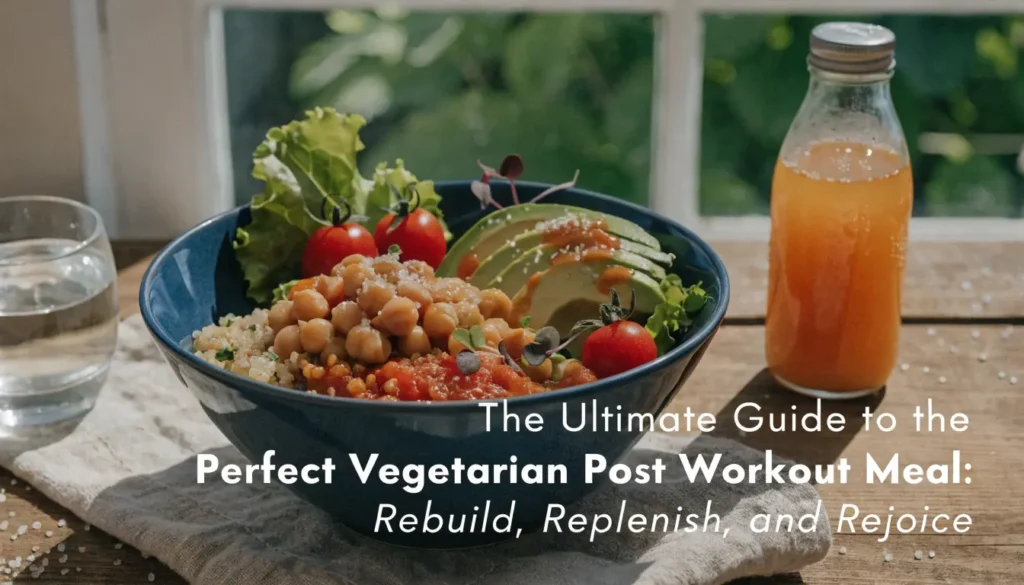
Start with one cup of cooked quinoa as your base. Add half a block of baked tofu sliced into strips. Roast sweet potatoes tossed in olive oil and smoked paprika alongside. Top with steamed broccoli and a generous drizzle of tahini mixed with lemon juice. This meal provides complete protein from the quinoa-tofu combination, complex carbohydrates that sustain energy, and cruciferous vegetables that support liver detoxification pathways.
The Classic Combo
Toast two slices of sourdough bread. Smash half an avocado onto each slice. Sprinkle with hemp seeds, red pepper flakes, and sea salt. Serve with a half-cup of steamed edamame pods on the side. Hemp seeds deliver three grams of protein per tablespoon along with omega-3 fatty acids that help reduce exercise-induced inflammation. The edamame adds another seven grams of protein and additional carbohydrates.
Oats Upgraded
Prepare overnight oats using one cup of soy milk rather than water or almond milk. Soy milk adds eight grams of protein per cup. Mix in half a cup of rolled oats, one scoop of plant protein powder, and top with berries and crushed walnuts in the morning. This works well when you know you will be hungry immediately after training but do not have time to prepare something from scratch.
The Tempeh Wrap
Sauté tempeh strips in coconut aminos until golden. Warm a whole-grain tortilla. Spread hummus across the surface. Add the tempeh, shredded carrots, spinach, and a squeeze of lime. Roll tightly. This portable option travels well in a gym bag and provides fermented soy benefits along with fiber-rich vegetables.
Tailoring Your Meal to Your Workout Type
Your training style should influence how you structure recovery. A yoga practice demands something different than a powerlifting session. Matching your meal to your movement optimizes results.
For Strength Training and Hypertrophy
When you lift weights, your primary goal is stimulating muscle protein synthesis. That means protein intake becomes the central priority. Aim for twenty-five to forty grams of protein in your post-workout window. Seitan stir-fried with bell peppers and onions delivers this target efficiently. Tofu scramble with black beans and nutritional yeast provides complete protein plus B vitamins that support energy metabolism.
For Endurance and Cardio
Long runs, cycling sessions, and high-intensity interval training deplete glycogen stores more significantly than they damage muscle tissue. Your ratio should shift toward carbohydrates. A classic recovery drink that surprises many athletes is chocolate soy milk. One cup delivers eight grams of protein and twenty-four grams of carbohydrates along with fluids and electrolytes. Alternatively, spread peanut butter onto dates for a portable option that combines simple sugars with healthy fats and moderate protein.
For Low-Impact and Flexibility Work
Yoga and Pilates do not create the same metabolic demands as heavy lifting, but they do place stress on connective tissues and require muscular endurance. Focus on anti-inflammatory ingredients that support joint health. Turmeric golden milk made with pea protein powder offers curcumin for inflammation reduction. A berry smoothie with spinach and chia seeds provides antioxidants that combat oxidative stress from sustained holds and repetitive movements.
Common Mistakes to Avoid
Even when you understand the principles, execution can go sideways. Here are the pitfalls I see most frequently and how to sidestep them.
The “Just Salad” Trap
Walking past a salad bar and grabbing mostly lettuce and cucumber creates a meal with negligible protein and insufficient caloric density. You leave feeling virtuous but your muscles leave without raw materials. Fix this by adding chickpeas, quinoa, roasted tofu, and a tahini-based dressing that adds both flavor and substance.
Relying on Processed Meat Substitutes
Vegan burgers and plant-based chicken strips have their place for convenience, but many are highly processed with sodium levels exceeding one thousand milligrams per serving. While sodium replacement matters post-sweat, excessive amounts can drive up blood pressure and create inflammation that counteracts recovery goals. Prioritize whole-food proteins like tempeh, lentils, and edamame for the majority of your recovery meals.
Forgetting the Carbs Entirely
This mistake stems from the low-carb diet messaging that permeates wellness culture. But your muscles store carbohydrates as glycogen. Without replenishment, your next workout starts you in a deficit. Your body begins breaking down muscle to fuel activity. The math is simple: no carbs after training means slower progress and longer soreness periods.
A Sample 24-Hour Recovery Timeline
Seeing how everything connects across a full day helps clarify why each meal matters.
Immediately Post-Workout (zero to thirty minutes):
Chocolate soy milk or a banana with almond butter. This quick hit stops muscle breakdown and begins glycogen restoration while you transition out of the gym environment.
The Main Meal (sixty to ninety minutes):
A tempeh and sweet potato bowl with sautéed kale and tahini drizzle. This anchors your recovery with substantial protein, complex carbohydrates, and micronutrients.
Mid-Afternoon (four to five hours later):
Plant-based Greek-style yogurt with berries and pumpkin seeds. The probiotics support gut health while the pumpkin seeds add zinc, which aids tissue repair.
Evening (dinner):
Lentil soup with a side of whole-grain toast. Lentils provide iron and protein while the toast adds additional carbohydrates to support overnight recovery processes.
Frequently Asked Questions
Can I build muscle with a vegetarian post workout meal?
Yes, and the research supports this conclusively. A vegetarian post workout meal that delivers adequate total protein—particularly from sources rich in leucine like soy, lentils, and pea protein—stimulates muscle protein synthesis comparably to animal-based meals. The key factors are total daily protein intake (generally 1.6 to 2.2 grams per kilogram of body weight for athletes) and consistent timing across meals rather than reliance on a single perfect source.
What is the best vegetarian post workout meal for weight loss?
If fat loss is your primary goal, prioritize higher protein content while moderating carbohydrate portions slightly. A pea protein shake blended with spinach, half a banana, and unsweetened almond milk keeps calories controlled while delivering sufficient protein for muscle retention. Alternatively, a lentil salad with mixed greens, cucumber, and a light vinaigrette provides volume and nutrients without excess calories.
Is a vegetarian post workout meal sufficient for competitive athletes?
Absolutely. Elite athletes across multiple sports—including ultramarathon running, professional football, and Olympic weightlifting—compete successfully on plant-based diets. The adjustment for competitive athletes involves higher total caloric intake and attention to specific micronutrients like iron, B12, and zinc. Working with a sports dietitian familiar with plant-based nutrition can optimize your individual approach.
How soon after a workout should I eat a vegetarian meal?
Aim to consume something within thirty to ninety minutes of completing your session. If you cannot eat a full meal in that timeframe, start with a small snack—a piece of fruit with nut butter or a single-serving protein shake—to halt muscle catabolism. Then follow with a balanced meal within two hours.
What are the best vegetarian sources of protein for post-workout recovery?
The most effective sources combine high protein density with favorable amino acid profiles:
- Tempeh: thirty-one grams per cup, fermented for improved digestibility
- Seitan: twenty-five grams per three ounces, among the highest plant protein densities available
- Lentils: eighteen grams per cup, plus significant iron content
- Edamame: seventeen grams per cup, a complete protein source
- Pea protein powder: twenty to twenty-five grams per scoop, particularly effective when combined with rice protein
Conclusion: Nourishing the Body You Just Strengthened
There is something deeply satisfying about finishing a workout knowing you handled the recovery side as thoughtfully as you handled the training side. That satisfaction comes from understanding that your choices matter. That you are not leaving results to chance.
Your commitment to plant-based eating reflects intentionality. You made a decision about how you want to nourish yourself, how you want to show up in the world, and what values you want your daily choices to reflect. That intentionality deserves to extend into your recovery practices.
The meals you build after training are not just about muscle repair. They are about honoring the effort you just invested. They are about giving your body the resources it needs to adapt, grow, and become more capable than it was yesterday. When you feed yourself well—with whole plant foods that deliver what your tissues actually need—you send a message to your body that says: I see you. I appreciate what you did. And I will support you in becoming even stronger.
You do not need to abandon your principles to pursue performance. You do not need to choke down chalky protein powders or survive on bland combinations of rice and beans. The world of plant-based recovery is vibrant, varied, and deeply satisfying. It includes creamy smoothies, savory grain bowls, spicy tempeh wraps, and everything in between.
Start with one meal from this guide. Try it after your next training session. Pay attention to how you feel the next day. Notice whether soreness lessens. Observe your energy levels. Let your own experience become the evidence that this approach works.
Then come back and experiment with another option. Build a collection of recovery meals that you genuinely look forward to eating. Because the best vegetarian post workout meal is not the one with the perfect macro ratio on paper. It is the one you actually prepare consistently, the one that satisfies you deeply, and the one that fuels your next workout before you even realize you need it.
Your muscles are waiting. Your next session is waiting. Go give them what they deserve.
What is your go-to recovery meal after a tough training day? Drop a comment below and share your favorite plant-based combination. Your experience might be exactly what someone else needs to discover their own perfect post-workout routine.