Picture this: you’re out with friends at a trendy downtown restaurant. The conversation is flowing, the wine is excellent, and then the dessert tray arrives. There it sits—a magnificent slice of cheesecake, glistening under the lights, seemingly calling your name. Your friends grab their forks without a second thought, but you freeze. That familiar internal dialogue begins: Should I risk it? Will I pay for this later? Why does everything delicious have to be so complicated?
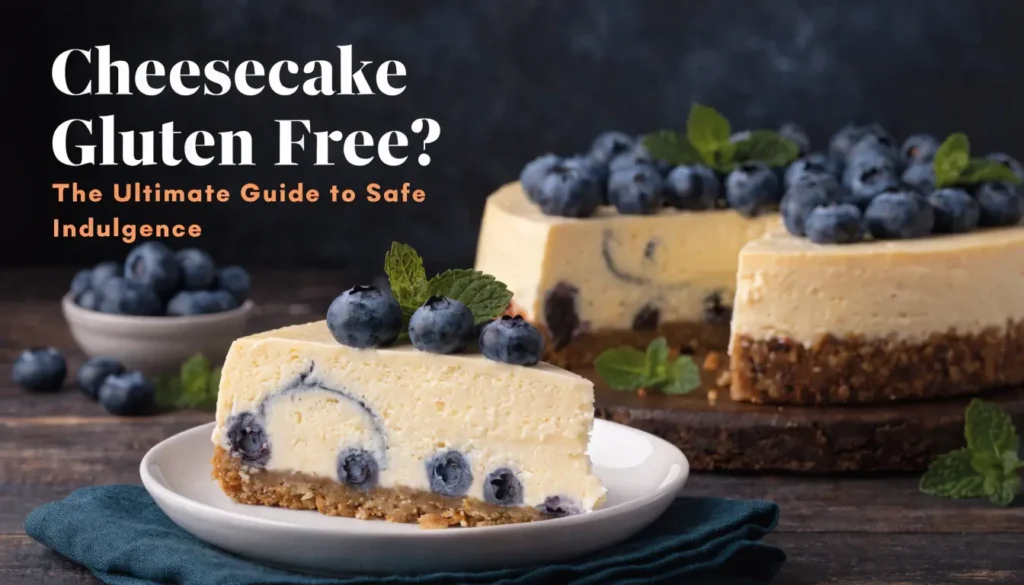
I’ve been exactly where you are right now. The anxiety, the hesitation, the feeling of being the difficult one at the table. Whether you’re managing celiac disease, navigating a gluten sensitivity, or simply trying to reduce inflammation in your body, dessert should never feel like a danger zone. After years of decoding food labels and interrogating waitstaff (politely, of course), I’ve learned that the answer to “is cheesecake gluten free” isn’t as straightforward as you might hope—but armed with the right knowledge, you can absolutely have your cheesecake and eat it too.
Let’s cut through the confusion together and get you to a place where dessert brings joy, not fear.
The Short Answer: What You’re Really Dealing With
Let’s break this down to its core components. When you ask yourself “is cheesecake gluten free,” you’re really asking about two separate elements that come together on one plate.
The filling—that luscious, velvety center we all crave—is actually your ally. Traditional cheesecake filling contains:
- Cream cheese (just milk, cream, and bacterial culture)
- Granulated sugar
- Fresh eggs
- Heavy cream or sour cream
- Pure vanilla extract
Notice something? Not a speck of wheat, barley, or rye in sight. These ingredients are naturally gluten-free, which means the heart of the dessert isn’t working against you. That’s the first piece of good news.
The crust, however, tells a different story. Traditional cheesecake recipes call for a foundation made from graham crackers—and here’s where things get sticky. Graham crackers are typically made from enriched wheat flour. Take a look at the ingredient list on a standard box of graham crackers sometime. Wheat flour sits right at the top, front and center.
So when someone asks “is cheesecake gluten free” without any qualifiers, the honest answer is: almost never in its traditional form. That buttery, crumbly base you’ve been taught to expect? That’s the wheat talking.
When “Is Cheesecake Gluten Free?” Gets Complicated
You might be thinking, “No problem, I’ll just scrape off the crust.” If only it were that simple. The reality of gluten contamination runs deeper than what you can see on your plate.
The Cross-Contamination Reality Check
Imagine a busy restaurant kitchen on a Saturday night. The dessert station is a whirlwind of activity—slicing cakes, scooping ice cream, drizzling sauces. Here’s what’s happening behind the scenes that affects your safety:
That beautiful cheesecake sits on the counter, waiting to be plated. The same knife that just sliced a wheat-based brownie gets wiped with a towel (maybe) and then plunges into your cheesecake. Gluten particles, invisible to the naked eye, now cling to the sides of your supposedly safe dessert.
The cutting board underneath? It held a regular chocolate cake ten minutes ago. The crumbs are still there, pressed into the wood grain.
For someone with celiac disease, this isn’t just about discomfort—it’s about intestinal damage, regardless of whether you feel symptoms immediately. Studies from the University of Chicago Celiac Disease Center show that even 20 parts per million of gluten can trigger an autoimmune response. That’s an almost undetectable amount, less than a single crumb.
The Sneaky Add-Ins That Sabotage Safety
You found a plain cheesecake with what appears to be a safe crust. Victory, right? Not so fast. Let’s talk about the flavor variations that sound innocent but hide gluten in plain sight.
Cookie dough cheesecake might seem like a fun twist, but raw cookie dough contains wheat flour as its primary ingredient. That delightful chunk you’re anticipating? Pure gluten.
Brownie swirl cheesecake combines two desserts in one, which sounds like a dream. But brownies require flour for structure, and that ribbon of chocolate running through your slice carries gluten throughout the entire piece.
Oreo cheesecake has gained massive popularity, and the cookie pieces mixed throughout contain wheat flour. Even the filling between those cookies isn’t safe—the creme center contains trace ingredients that may include gluten derivatives.
Certain candy toppings create another layer of risk. Some chocolate bars use barley malt as a sweetener, and crushed candy pieces might come from facilities shared with wheat products. Unless the candy specifically carries gluten-free certification, you’re gambling with your health.
How to Identify a Safe Cheesecake Every Single Time
Let’s shift from anxiety to empowerment. You now know the risks, so let’s build your toolkit for making safe choices, whether you’re scanning grocery store shelves or navigating a restaurant menu.
Decoding Labels Like a Detective
When you pick up a pre-made cheesecake at the store, ignore the beautiful photography on the box. That’s marketing, not information. Here’s what actually matters:
Certification seals carry real weight. Products bearing the Certified Gluten-Free seal from organizations like the Gluten-Free Certification Organization (GFCO) have undergone rigorous testing. These products contain less than 10 parts per million of gluten—stricter than the FDA’s 20 ppm standard. When you see this seal, you can breathe easy.
The allergen statement appears near the ingredient list, typically in bold type. Look for “Contains: Wheat.” If you don’t see wheat listed, read the fine print underneath. Statements like “May contain wheat” or “Manufactured in a facility that processes wheat” indicate shared equipment. For some with mild sensitivity, this might be acceptable. For celiac disease, it’s a hard pass.
The crust ingredients tell the full story. Scan down to the crust section specifically. If you see “wheat flour,” “barley malt,” “rye flour,” or simply “flour” without specification, assume it contains gluten. Some manufacturers use “spelt” thinking it sounds healthier—spelt is still wheat.
Restaurant Conversations That Get Results
Walking into a restaurant with dietary restrictions requires a certain script. You don’t want to be demanding, but you absolutely must be clear. Here’s language that works:
Lead with appreciation, then get specific. “I’m really excited about that cheesecake on your dessert menu. Before I order, could you tell me what the crust is made from?” This frames the question as enthusiasm, not accusation.
If the server seems uncertain, ask follow-ups. “Is the cheesecake made in-house or does it come from a supplier? Do you happen to have an allergen binder I could look at?” Many chain restaurants now provide detailed allergen information—they’re legally required to in some jurisdictions.
For the final safeguard, address preparation directly. “I have a wheat allergy, so I need to be really careful about cross-contamination. Could you ask the kitchen to use a clean knife and a fresh plate when they prepare my slice?” Most kitchens will accommodate this request, especially when you explain it’s a medical need rather than a preference.
Your Gluten-Free Cheesecake Options Have Never Been Better
Here’s the genuinely good news: the gluten-free food landscape has transformed dramatically over the past decade. What once required a special trip to a health food store can now be found at your local grocery chain or ordered with confidence at major restaurants.
Store-Bought Brands Worth Your Trust
Several national brands have invested seriously in gluten-free options. Here are the ones consistently recommended by celiac support groups:
The Cheesecake Factory deserves special mention here. They offer a dedicated Gluten-Free Original Cheesecake that’s prepared separately from their other varieties. The company has trained staff on allergen protocols, though you should still mention your needs when ordering. Location protocols vary, so confirmation matters every single time.
Daiya created a plant-based cheesecake that happens to be gluten-free as well. If you’re navigating multiple dietary restrictions—maybe dairy gives you trouble alongside gluten—this option solves both problems simultaneously. Their New York Style Cheesecake uses a coconut milk base and a crust made from gluten-free grains.
Local dedicated bakeries represent your best bet for variety and freshness. Search for “gluten-free bakery near me” and look specifically for facilities that are 100% gluten-free. These spaces don’t allow any wheat through the door, eliminating cross-contamination risk entirely. Many now ship nationwide if you don’t live near one.
The Homemade Route: Total Control, Maximum Satisfaction
Making your own cheesecake puts you in complete command. No guessing, no questioning, no anxiety. Plus, there’s something deeply satisfying about presenting a dessert you made entirely from scratch.
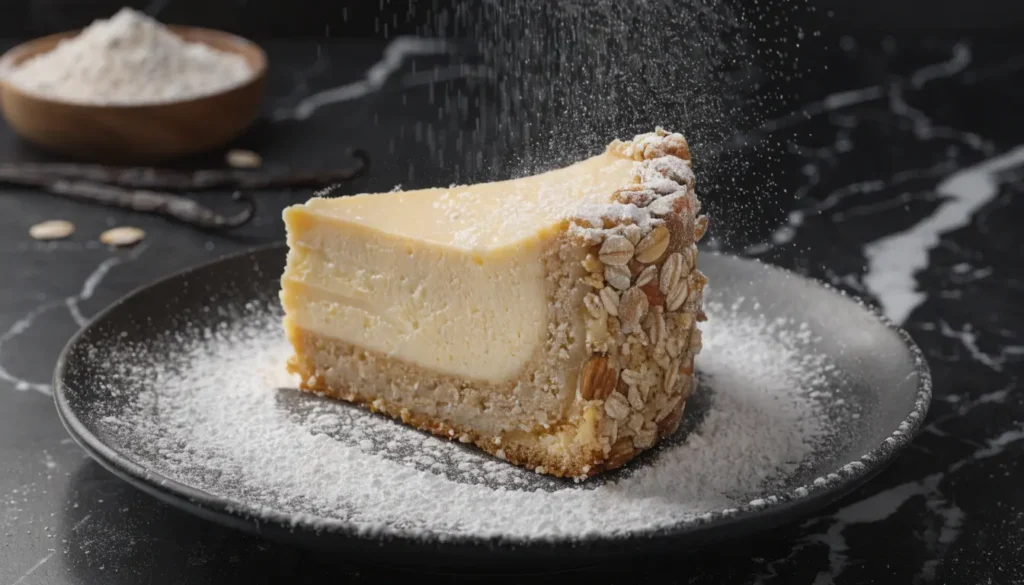
Nut-based crusts deliver incredible flavor while keeping you completely safe. Combine two cups of almond flour with four tablespoons of melted butter and two tablespoons of maple syrup. Press this mixture into your pan and bake for ten minutes before adding your filling. The result tastes richer and more complex than traditional graham cracker crusts—honestly, you might never go back.
Gluten-free cookie crusts let you replicate that nostalgic flavor. Crush gluten-free graham crackers or gluten-free Oreos, mix with melted butter, and proceed exactly as you would with the regular version. Most people cannot tell the difference.
Crustless cheesecake deserves serious consideration. European-style cheesecakes often skip the crust entirely, focusing purely on the filling’s texture and flavor. Grease your springform pan well, pour in your filling, and bake in a water bath. The edges develop a slight firmness that mimics crust texture without introducing any risk.
The Truth About Chain Restaurants and Cheesecake
Let’s address the elephant in the room—or rather, the elephant-sized restaurant chain that dominates the cheesecake conversation.
The Cheesecake Factory processes more cheesecake than almost any other establishment in America. Their allergen protocol deserves recognition: the Gluten-Free Original Cheesecake arrives at locations pre-packaged and sealed, manufactured in a gluten-free facility. It never touches the same equipment as their regular cheesecakes.
However—and this matters—the slicing and plating happen in your local restaurant’s kitchen. That’s where human error can occur. A busy server grabbing the wrong plate, a cook using the same spatula, a shared counter space contaminated with crumbs from a nearby chocolate cake.
The protocol works beautifully when followed. But you’re placing your trust in a teenager making minimum wage on a Friday night rush. Always remind your server about your needs, and if something feels off, trust that instinct.
Other chains worth noting: Olive Garden offers a gluten-free menu that includes their dessert options, though availability varies. Outback Steakhouse trains staff extensively on gluten protocols and can guide you through their dessert options. Carrabba’s Italian Grill provides detailed allergen information upon request.
Frequently Asked Questions About Cheesecake and Gluten
Is the filling in cheesecake gluten free by itself?
The basic filling recipe contains no gluten ingredients. Cream cheese, sugar, eggs, and cream all test gluten-free in their pure forms. However, commercial cheesecakes sometimes add modified food starch as a thickener. If that starch derives from wheat, the filling becomes unsafe. Always verify the specific product.
Is New York style cheesecake gluten free?
New York style refers to the density and richness of the filling, not the crust composition. A traditional New York cheesecake sits on a graham cracker crust containing wheat. The filling remains safe, but the crust creates the problem. Some bakeries now offer New York style with gluten-free almond crusts.
Can I eat cheesecake if I have celiac disease?
You absolutely can, but you must be selective. Certified gluten-free cheesecakes, homemade versions with verified ingredients, and cheesecakes from dedicated gluten-free facilities all qualify as safe options. Restaurant cheesecake requires careful communication about cross-contamination.
Is no-bake cheesecake gluten free?
No-bake cheesecake shares the same risk profile as baked versions. The filling typically contains cream cheese, sugar, and whipped cream—all safe. But the crust determines safety, and many no-bake recipes use crushed cookies as a base. Check that crust carefully.
Does cream cheese contain gluten?
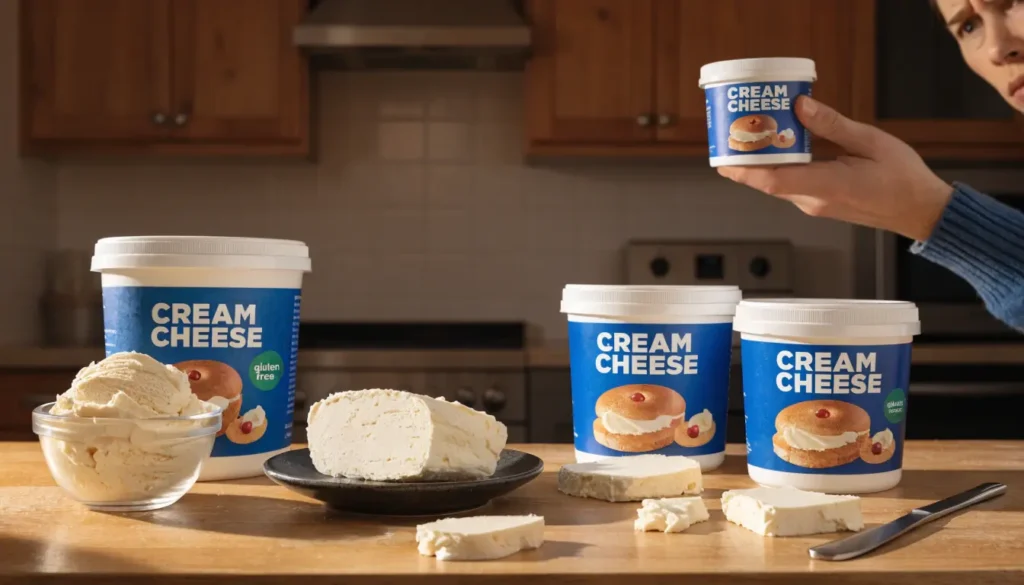
Major brands like Philadelphia, Organic Valley, and Tillamook produce cream cheese that tests gluten-free. Their standard blocks and tubs contain only milk, cream, and bacterial cultures. However, flavored cream cheeses—strawberry, honey nut, chive and onion—often add ingredients that may contain gluten. Stick to plain unless the flavored version carries certification.
What about cheesecake from the frozen section at Walmart or Target?
Frozen cheesecakes vary widely by brand. Look for the Glutino brand, which offers certified gluten-free cheesecake bites. Some store brands now carry gluten-free options, but you must read labels carefully. Never assume based on the flavor alone.
Can I trust gluten-free labeled cheesecake at coffee shops?
Coffee shop labeling often relies on packaging information rather than preparation protocols. A cheesecake might arrive labeled gluten-free, but if the barista uses the same tongs to grab a muffin and your dessert, cross-contamination occurs. Ask about handling procedures, not just ingredient lists.
Your Action Plan for Safe Cheesecake Enjoyment
You now possess the knowledge to navigate this delicious but tricky terrain. Let’s consolidate everything into a practical approach you can use starting today.
At home: Experiment with nut-based crusts. They’re naturally gluten-free, packed with healthy fats, and genuinely tastier than standard options. Your family might request the almond crust even when gluten isn’t a concern.
At restaurants: Lead with enthusiasm, follow with specific questions, and don’t apologize for protecting your health. Any establishment worth your business will take your needs seriously.
At the grocery store: Ignore the front of the package. Turn it over, read the allergen statement, check the certification seals, and scan those crust ingredients. This thirty-second habit prevents weeks of misery.
With friends and family: Be honest about what you need. When attending gatherings, offer to bring a dessert you know is safe. Most hosts feel relieved when you handle the food concerns yourself, and you guarantee something delicious waiting for you.
Conclusion
That moment of hesitation when the dessert tray arrives? You don’t have to live there anymore. The answer to “is cheesecake gluten free” depends entirely on your choices—the brands you select, the questions you ask, and the kitchens you trust. But here’s what matters most: safe options exist, they’re more accessible than ever, and you deserve to enjoy them.
The creamy texture, the subtle tang, the satisfying richness of a well-made cheesecake—these experiences belong to you too. Not the gluten-free version you tolerate, but the genuinely delicious dessert you actually want.
Next time you’re out with friends and that dessert tray appears, take a breath. You know what to look for, what to ask, and when to pass. And when you find that safe slice—whether at a dedicated bakery, a responsive restaurant, or your own kitchen table—savor every single bite. You’ve done the work. You’ve earned the joy.