Introduction
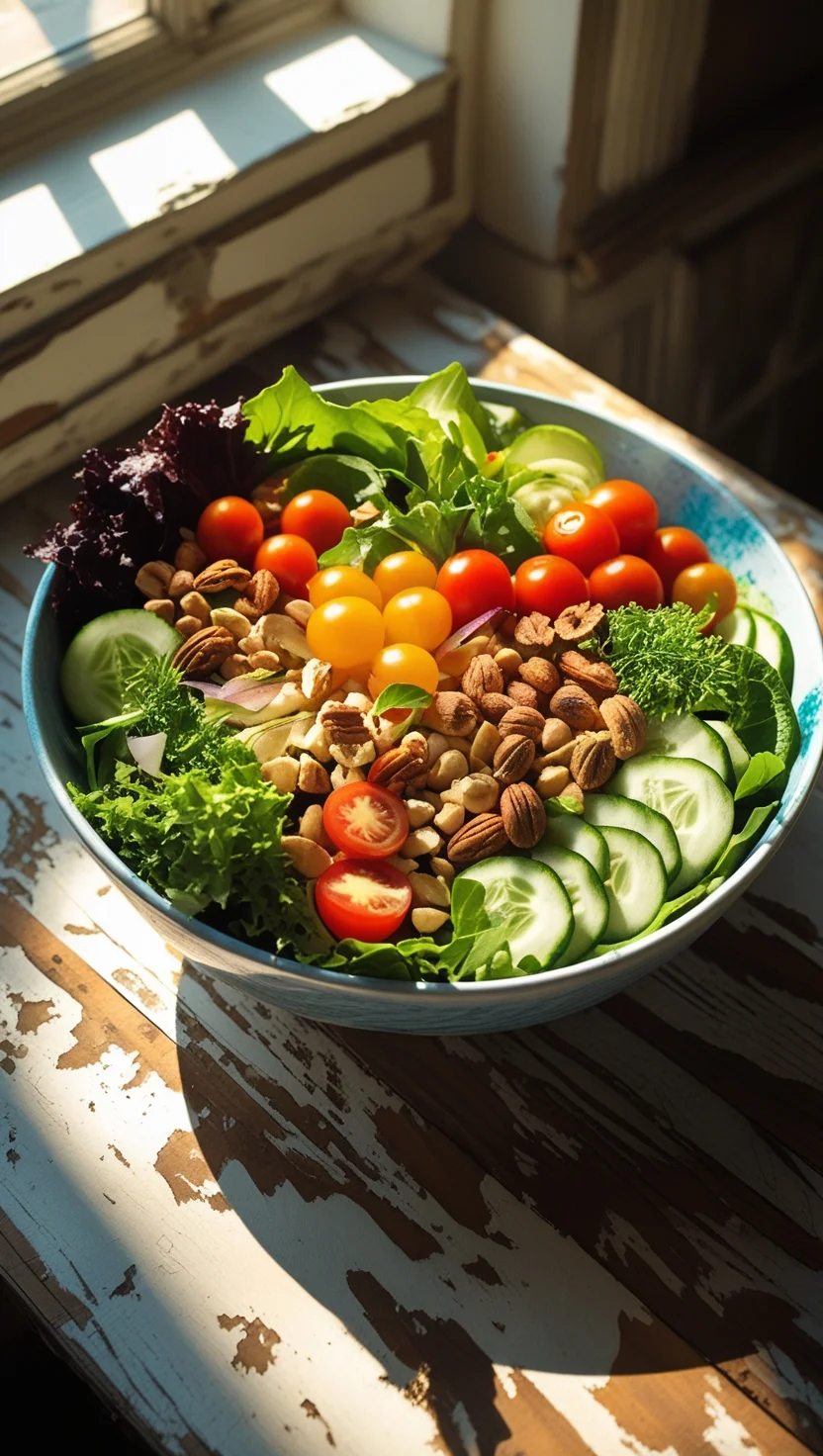
Did you know that people who eat salads regularly consume 23% more vegetables per day than those who don’t? This surprising statistic challenges the common belief that salads are just boring side dishes. In reality, well-crafted salads can be nutritional powerhouses, satisfying meals, & culinary masterpieces that tantalize your taste buds. Whether you’re looking to boost your health, lose weight, or simply add more variety to your meals, mastering the art of salad-making is one of the most valuable skills you can develop in the kitchen. From vibrant Mediterranean combinations to hearty grain-based bowls, salads offer endless possibilities for creativity & nutrition.
Table of Contents
Ingredients List
Creating the perfect salad requires a thoughtful selection of fresh, high-quality ingredients that work harmoniously together:
Base Greens (Choose 2-3):
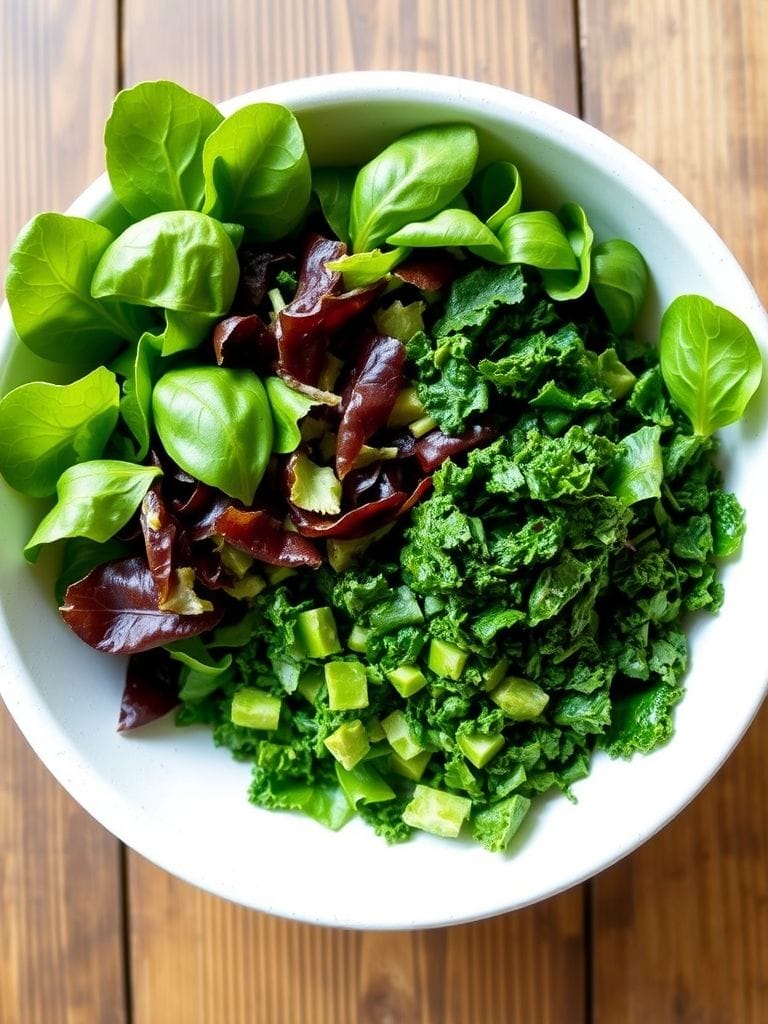
- 4 cups fresh spinach leaves (substitute: arugula for a peppery kick)
- 2 cups mixed baby lettuce (substitute: romaine for extra crunch)
- 1 cup kale, massaged & chopped (substitute: Swiss chard for milder flavor)
Protein Components:
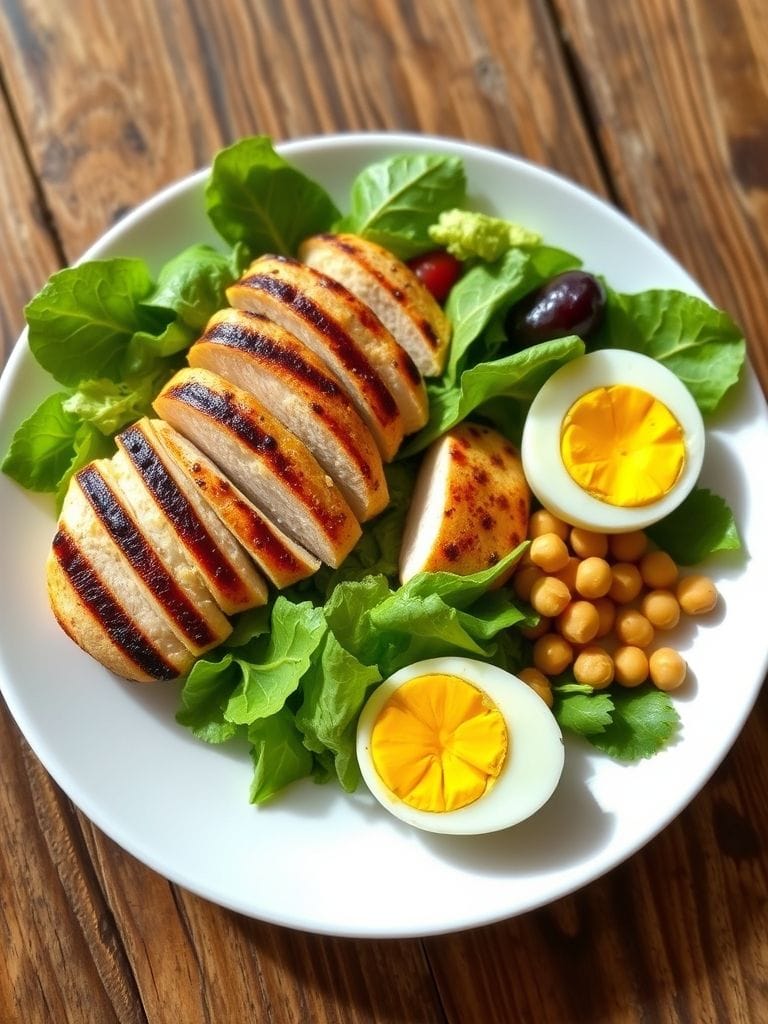
- 6 oz grilled chicken breast, sliced (substitute: chickpeas or quinoa for vegetarian option)
- 2 hard-boiled eggs, halved (substitute: hemp seeds for vegan protein)
Colorful Vegetables:

- 1 cup cherry tomatoes, halved (substitute: roasted red peppers)
- 1 medium cucumber, diced (substitute: celery for different texture)
- 1/2 red onion, thinly sliced (substitute: green onions for milder taste)
- 1 medium avocado, cubed (substitute: olives for healthy fats)
Flavor Enhancers:
- 1/4 cup toasted nuts or seeds (substitute: dried cranberries for sweetness)
- 2 tablespoons fresh herbs like basil or cilantro
- 2 oz crumbled feta cheese (substitute: nutritional yeast for dairy-free option)
Timing
The beauty of salads lies in their efficiency & convenience. Total preparation time typically ranges from 15-20 minutes, which is 60% faster than most cooked meals. Here’s the breakdown:
- Prep time: 12-15 minutes for washing, chopping, & assembling ingredients
- Cooking time: 3-5 minutes if including proteins like hard-boiled eggs or grilled elements
- Assembly time: 2-3 minutes for combining & dressing
- Total time: 15-20 minutes maximum
This quick turnaround makes salads perfect for busy weeknights, meal prep sessions, or when you need a nutritious meal without extensive cooking.
Step-by-Step Instructions
Step 1: Prepare Your Greens Foundation
Start by thoroughly washing your chosen greens under cold running water. Pat them completely dry using a salad spinner or clean kitchen towels. Tear larger leaves into bite-sized pieces, ensuring each piece is roughly uniform for even flavor distribution. This foundational step determines the texture & freshness of your entire salad.
Step 2: Create Your Protein Base
If using cooked proteins like chicken, ensure they’re properly seasoned & at room temperature for optimal flavor release. For plant-based options, drain & rinse canned beans thoroughly to remove excess sodium. Cut proteins into consistent, fork-friendly pieces that complement rather than overpower the delicate greens.
Step 3: Prepare Colorful Vegetables
Dice vegetables into similar-sized pieces to ensure each bite contains a balanced mix of flavors & textures. Keep cut avocados until the last moment & toss with a small amount of lemon juice to prevent browning. This technique maintains visual appeal & prevents oxidation.
Step 4: Toast Your Nuts & Seeds
Heat a dry skillet over medium heat & toast nuts or seeds for 2-3 minutes until fragrant & lightly golden. This simple step amplifies their flavor & adds an irresistible crunch that elevates the entire salad experience.
Step 5: Master the Assembly Technique
Layer ingredients strategically in your serving bowl: start with heartier greens at the bottom, add proteins & heavier vegetables in the middle, & finish with delicate ingredients like herbs & cheese on top. This prevents wilting & maintains structural integrity.
Step 6: Dress for Success
Add dressing just before serving, using about 1-2 tablespoons per serving. Toss gently with clean h&s or salad tongs, ensuring every ingredient is lightly coated without drowning the delicate leaves.
Nutritional Information
A well-balanced salad provides exceptional nutritional value while keeping calories in check:
- Calories: 320-450 per serving (depending on protein & dressing choices)
- Protein: 25-30g (supporting muscle maintenance & satiety)
- Fiber: 8-12g (promoting digestive health & fullness)
- Healthy fats: 12-18g (from avocado, nuts, & olive oil-based dressings)
- Vitamins: High in vitamins A, C, K, & folate
- Minerals: Excellent source of potassium, magnesium, & iron
- Antioxidants: Rich in carotenoids, flavonoids, & polyphenols
Studies show that people who eat salads regularly have higher levels of vitamin C, vitamin E, & beta-carotene in their blood, contributing to better immune function & cellular protection.
Healthier Alternatives for the Recipe
Transform your salads into even more nutritious powerhouses with these smart substitutions:
Boost Fiber Content: Replace traditional lettuce with nutrient-dense options like baby spinach, kale, or arugula, which contain up to 300% more vitamins & minerals.
Enhance Protein Quality: Swap conventional proteins for plant-based alternatives like hemp hearts, which provide complete amino acid profiles, or tempeh for gut-healthy probiotics.
Upgrade Your Fats: Instead of cheese, incorporate omega-3 rich ingredients like walnuts, chia seeds, or a tablespoon of ground flaxseed to support heart & brain health.
Reduce Sodium: Make your own dressings using fresh herbs, citrus juice, & high-quality olive oil instead of store-bought versions that often contain excessive sodium & preservatives.
Add Probiotic Elements: Include fermented vegetables like sauerkraut or kimchi to support digestive health & boost your salad’s beneficial bacteria content.
Serving Suggestions
Elevate your salad presentation & enjoyment with these creative serving ideas:
Mediterranean Style: Serve alongside warm pita bread & hummus, creating a complete meal that satisfies both texture & flavor cravings.
Asian Fusion: Accompany with brown rice or quinoa & a sesame-ginger dressing for an internationally-inspired bowl that combines familiar & exotic flavors.
Brunch Presentation: Top with a perfectly poached egg & serve with avocado toast for a Instagram-worthy meal that’s both nutritious & visually stunning.
Family Style: Present in a large wooden bowl with multiple dressing options on the side, allowing family members to customize their portions according to personal preferences.
Meal Prep Containers: Divide into glass containers with dressing stored separately for grab-&-go convenience throughout the week.
Common Mistakes to Avoid
Even experienced cooks can fall into these salad-making traps:
Over-dressing: Using too much dressing masks the natural flavors of fresh ingredients & adds unnecessary calories. Research shows that people typically use 40% more dressing than needed.
Improper Storage: Adding dressing too early causes greens to wilt & become soggy. Always dress salads immediately before serving for optimal texture & appearance.
Ignoring Temperature: Serving ingredients at different temperatures creates an unpleasant eating experience. Allow refrigerated proteins to come to room temperature before adding to fresh greens.
Monotonous Textures: Including only soft or only crunchy ingredients creates boring salads. Aim for a variety of textures in every bite for maximum satisfaction.
Seasonal Ignorance: Using out-of-season produce results in bl&, expensive salads. Choose ingredients that are currently in peak season for best flavor & value.
Storing Tips for the Recipe
Maximize freshness & extend the life of your salad ingredients with these professional storage techniques:
Greens Storage: Wash & thoroughly dry greens, then store in airtight containers lined with paper towels. This method can extend freshness by up to 5 days compared to traditional storage methods.
Prepared Components: Store chopped vegetables in separate containers to prevent cross-contamination of flavors & moisture levels. Hard vegetables like carrots can be stored for up to a week, while softer items like tomatoes are best used within 2-3 days.
Dressing Separation: Always store dressings separately from assembled salads. Homemade dressings typically last 3-5 days refrigerated, while oil-based versions can last up to a week.
Meal Prep Strategy: Prepare ingredients on Sunday for the entire week, storing each component separately & assembling fresh salads daily for optimal taste & nutrition.
Freezing Options: While complete salads don’t freeze well, you can freeze proteins like cooked chicken or beans in portion-sized containers for quick salad additions.
Conclusion
Mastering the art of salad creation transforms your approach to healthy eating by combining nutrition, convenience, & incredible flavor. These versatile dishes provide essential vitamins, minerals, & fiber while offering endless customization possibilities. From selecting the freshest ingredients to perfecting your assembly technique, every step contributes to creating satisfying meals that nourish your body & delight your senses.
Ready to revolutionize your meal routine? Try this recipe today & share your creative variations in the review section below. Don’t forget to subscribe to our blog for more nutritious recipes & cooking tips that make healthy eating both simple & delicious!
FAQs
Q: How long can I store prepared salads in the refrigerator? A: Undressed salads can be stored for 3-5 days when properly stored in airtight containers. However, dressed salads should be consumed within 24 hours to maintain optimal texture & prevent wilting.
Q: What’s the best way to keep salads fresh for meal prep? A: Store each component separately in airtight containers & assemble fresh salads daily. Keep dressings in small containers & add just before eating to prevent sogginess.
Q: Can I make salads more filling without adding too many calories? A: Absolutely! Add high-fiber ingredients like beans, quinoa, or chia seeds, which increase satiety without significantly increasing calories. Protein-rich additions like hard-boiled eggs or chickpeas also help you feel fuller longer.
Q: How do I prevent my avocados from browning in prepared salads? A: Toss cut avocados with fresh lemon or lime juice immediately after cutting. The citric acid prevents oxidation & browning for several hours.
Q: What are the most nutritious salad greens I should choose? A: Dark, leafy greens like spinach, kale, & arugula provide the most nutrients per calorie. These greens contain higher levels of vitamins A, C, & K compared to lighter lettuces like iceberg.