Cilantro, also known as cori&er leaves in many parts of the world, is a fragrant herb widely used in global cuisines. From Mexican salsas to Vietnamese soups, cilantro brings a zesty, citrusy brightness that transforms dishes. But what exactly is cilantro, & why is it so beloved—or, controversially, disliked?
Originating from the Mediterranean & Middle Eastern regions, el cilantro has a long & flavorful history. Its use dates back thous&s of years to ancient Egypt & Rome, & today, it’s a staple in cuisines across Asia, the Americas, & Europe. Interestingly, the love-hate relationship people have with cilantro may be genetic—some people perceive its flavor as fresh, while others find it soapy due to a specific olfactory receptor gene.
Whether you’re a lifelong fan or just getting started, there’s much to explore about this versatile herb.
Table of Contents
Nutritional & Health Benefits
Cilantro is more than just a garnish. It’s a nutrient-dense herb packed with essential vitamins & minerals. Just a h&ful of fresh cilantro can offer:
- Vitamin A – supports eye health & immune function
- Vitamin K – essential for blood clotting & bone health
- Vitamin C – a powerful antioxidant that boosts immunity
- Potassium, calcium, & magnesium – contribute to heart health & muscle function
Scientific studies have shown that cilantro possesses anti-inflammatory, antibacterial, & digestive-supporting properties. Its natural oils have been linked to reduced anxiety & improved sleep. Additionally, cilantro seeds—often known as cori&er seeds—have been used traditionally to aid in digestion & control blood sugar levels.
Culinary Uses & Recipes
Cilantro is used differently across cultures & cuisines. Its fresh leaves, stems, seeds, & even roots play a role in cooking.
Global Culinary Applications
- In Mexican cuisine, cilantro is a must-have in guacamole, salsa, & cilantro lime sauce—a creamy blend that pairs perfectly with tacos, grilled chicken, & rice bowls.
- In Southeast Asia, particularly in Vietnamese & Thai dishes, Vietnamese cilantro (also known as rau răm) is used to flavor soups, salads, & spring rolls. It has a spicier, more peppery profile than st&ard cilantro.
- In Indian cooking, cilantro leaves garnish curries & dals, while cilantro seeds (cori&er) are roasted & ground into spice blends like garam masala.
Popular Recipes
Cilantro Lime Sauce
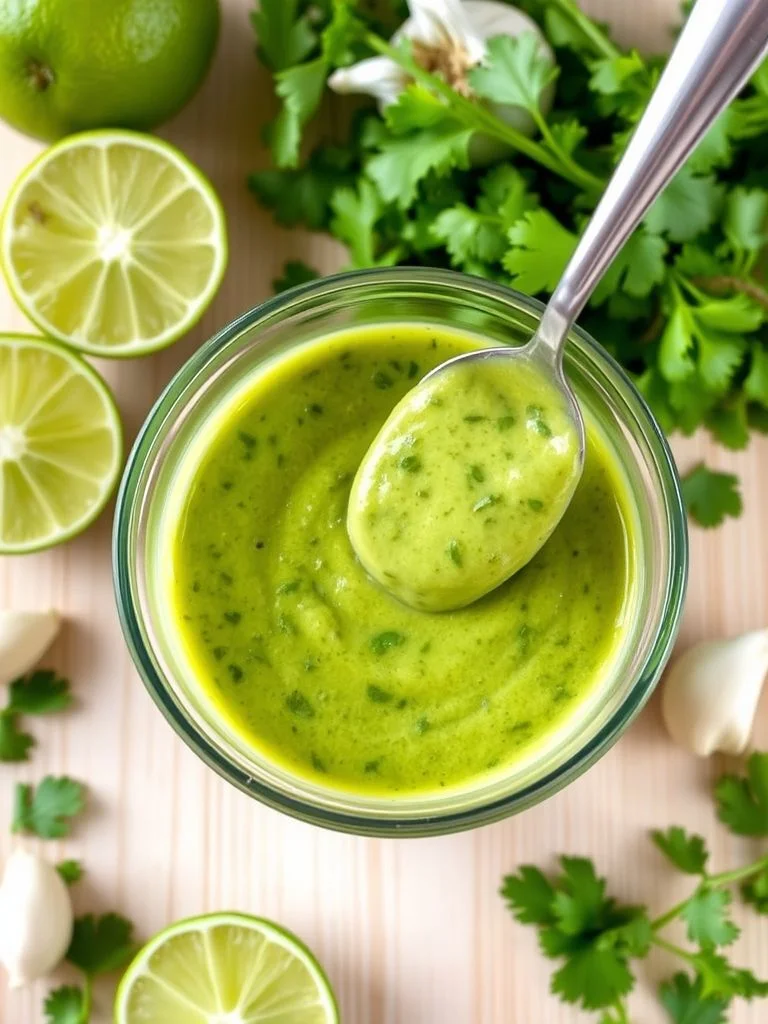
Blend together Greek yogurt, garlic, lime juice, olive oil, & chopped cilantro. This vibrant sauce is excellent as a dip, salad dressing, or topping for grilled meats.
Spicy Vietnamese Noodle Salad with Vietnamese Cilantro
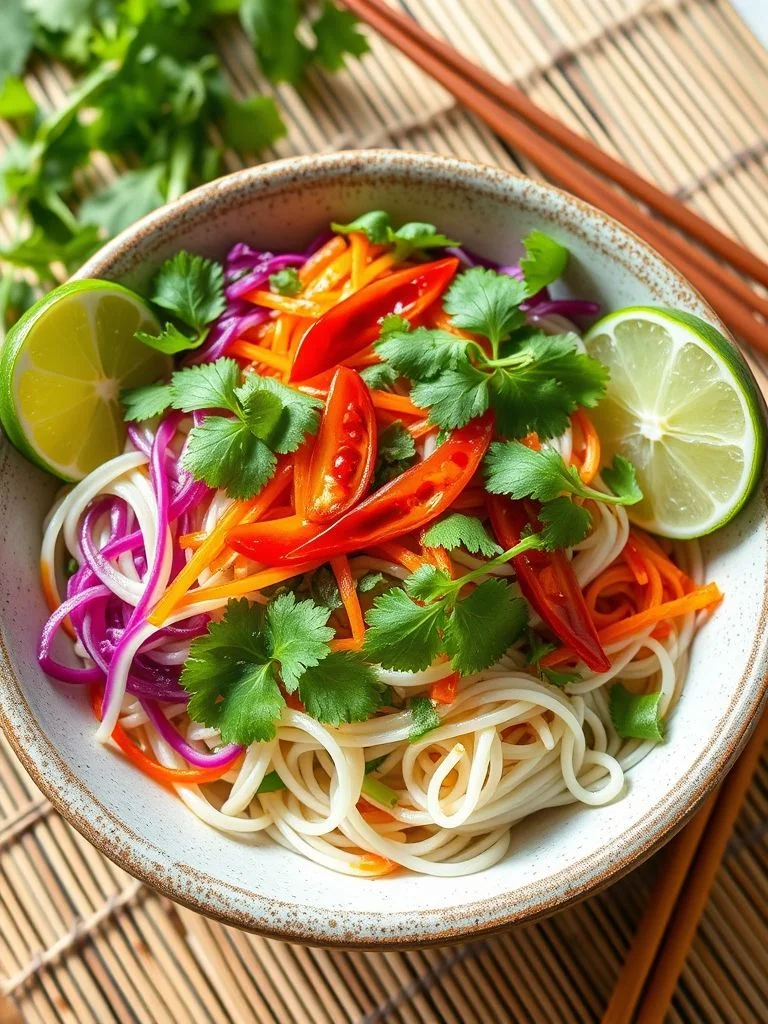
Toss rice noodles with shredded vegetables, fresh herbs including Vietnamese cilantro, fish sauce, lime, & chilies for a refreshing & complex flavor.
Cori&er Chicken Curry
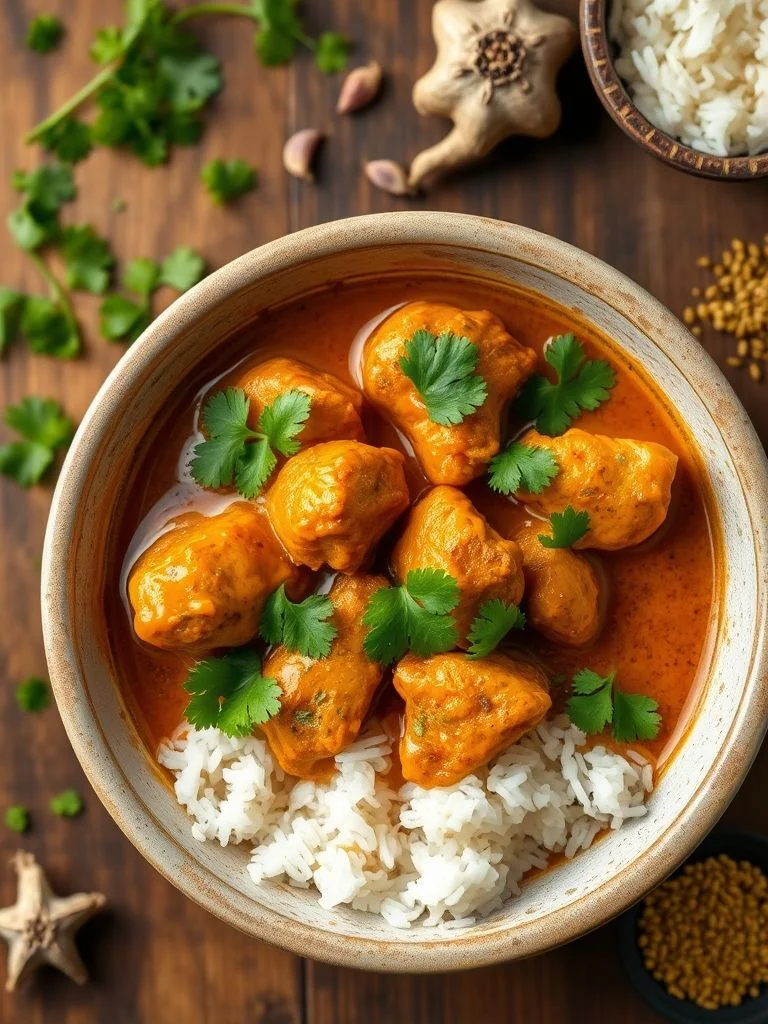
Marinate chicken in a paste of ground cilantro seeds, garlic, ginger, & yogurt. Cook with onions, tomatoes, & spices for a rich & aromatic curry
Flavor-Boosting Tips
- Add fresh cilantro at the end of cooking to preserve its delicate flavor.
- Use dried cilantro for subtle background notes in stews & broths.
- Pair cilantro with citrus, garlic, & chili for a bold flavor combination.
Substitutes & Alternatives
Can’t find cilantro? Here are a few common alternatives:
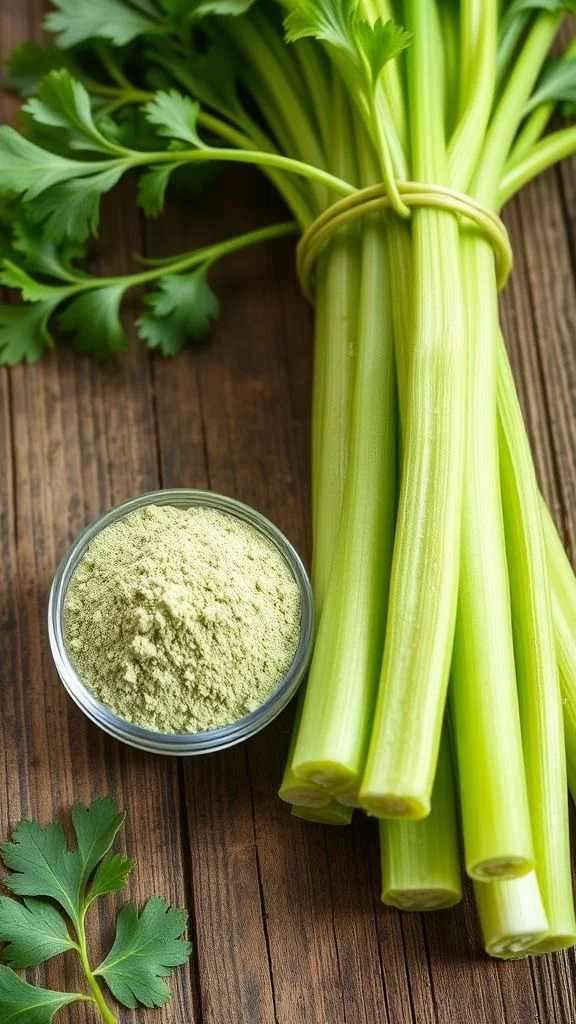
- Flat-leaf parsley – Mild & fresh, though less citrusy. Great in salads & sauces.
- Thai basil or mint – Excellent in Asian recipes for a similar herbal kick.
- Culantro – A cousin of cilantro with a stronger flavor; popular in Caribbean & Latin cuisines.
Flavor Profile Comparison
| Herb | Flavor Profile | Best Use |
|---|---|---|
| Cilantro | Bright, citrusy | Tacos, salsa, salads |
| Culantro | Earthy, pungent | Stews, soups, rice dishes |
| Parsley | Mild, slightly peppery | Garnishes, sauces |
| Vietnamese cilantro | Spicy, slightly bitter | Vietnamese & Thai dishes |
Substitution Tips
When using substitutes, start with smaller amounts & adjust to taste. For instance, culantro is more pungent, so use half the quantity.
How to Dry & Store
If you have an abundance of fresh cilantro, drying & storing it properly can ensure you enjoy it year-round.
Drying Methods
- Air Drying
Tie cilantro stems in small bunches & hang upside-down in a dry, well-ventilated area away from direct sunlight. - Oven Drying
Spread leaves on a baking sheet & dry at the lowest oven setting (around 170°F / 75°C) for 1-2 hours, checking frequently. - Dehydrator
Use a food dehydrator for best results. Dry until leaves crumble easily.
Storage Tips
- Store dried cilantro in airtight glass jars, away from heat & sunlight.
- Label with the drying date; it typically stays potent for up to 1 year.
- Fresh cilantro should be stored with stems in a glass of water in the fridge, covered loosely with a plastic bag.
Conclusion & Summary
Cilantro is much more than just a topping—it’s a culinary powerhouse with deep cultural roots & impressive health benefits. From cilantro lime sauce to fragrant curries, its unique flavor elevates dishes across the globe. Whether you’re working with fresh leaves, dried cilantro, or experimenting with cilantro seeds, this herb deserves a permanent spot in your kitchen.
Don’t be afraid to try Vietnamese cilantro or explore new recipes. You might just discover your new favorite ingredient.
FAQs
1. Can I use cilantro both fresh & dried?
Yes, but note that fresh cilantro has a stronger, brighter flavor. Dried cilantro works well in long-simmering dishes like soups or stews.
2. How long does fresh cilantro last in the fridge?
If stored properly with stems in water & loosely covered, it can last up to 10 days.
3. Are cilantro seeds the same as cori&er?
Yes, cilantro seeds are also known as cori&er seeds. They have a warm, nutty flavor & are commonly used in spice blends.
4. Is there a difference between cilantro & Vietnamese cilantro?
Yes. While both are herbs, Vietnamese cilantro (rau răm) has a spicier & more peppery taste. It’s technically a different plant species.
5. Are there any side effects of eating too much cilantro?
Cilantro is generally safe, but in rare cases, excessive amounts may cause digestive upset or allergic reactions. Moderation is key.
For more information & to explore the world of herbs, you can visit the following links:
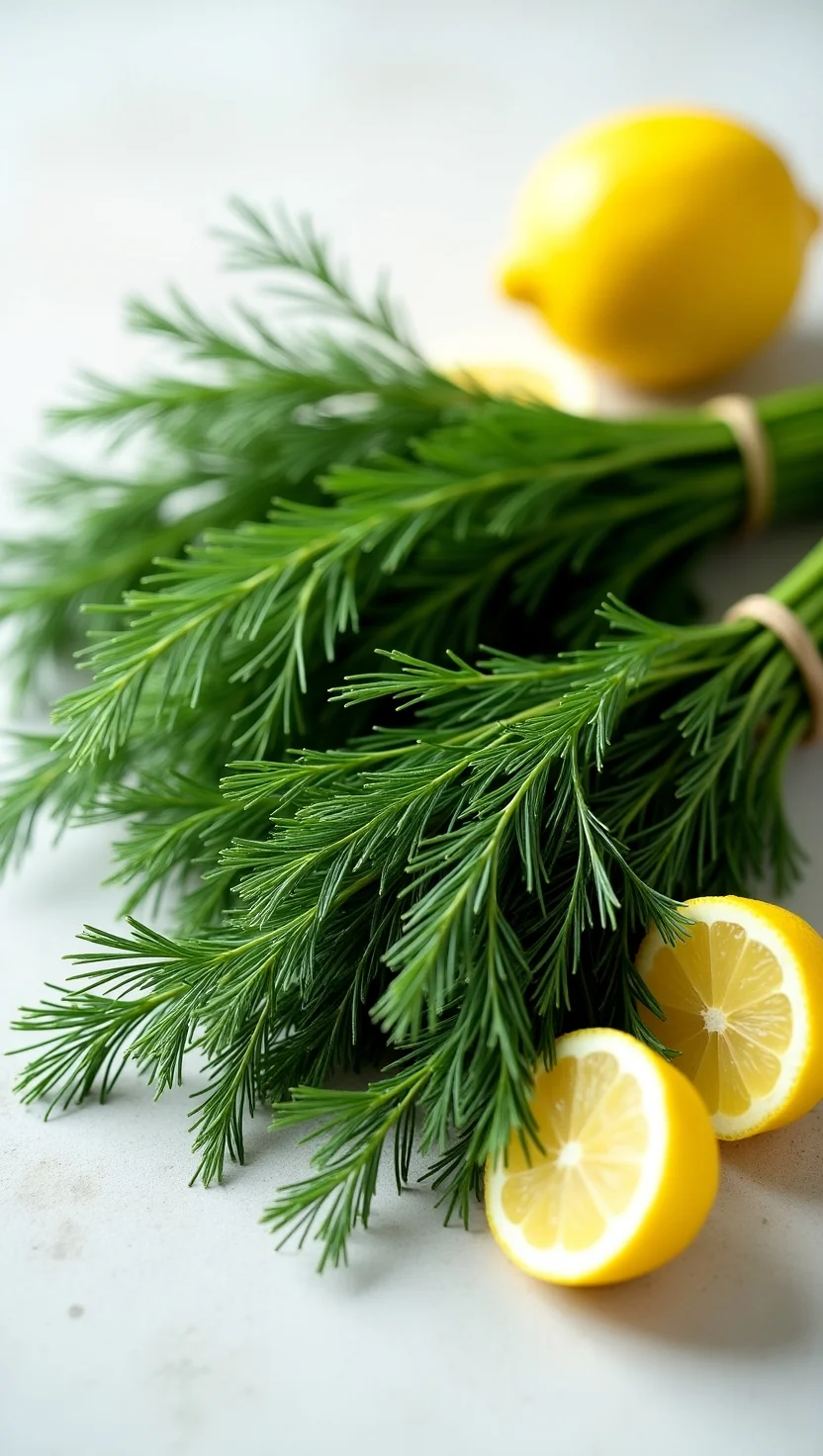
Dill: 5 Culinary Powers That Will Make You Love This Herb
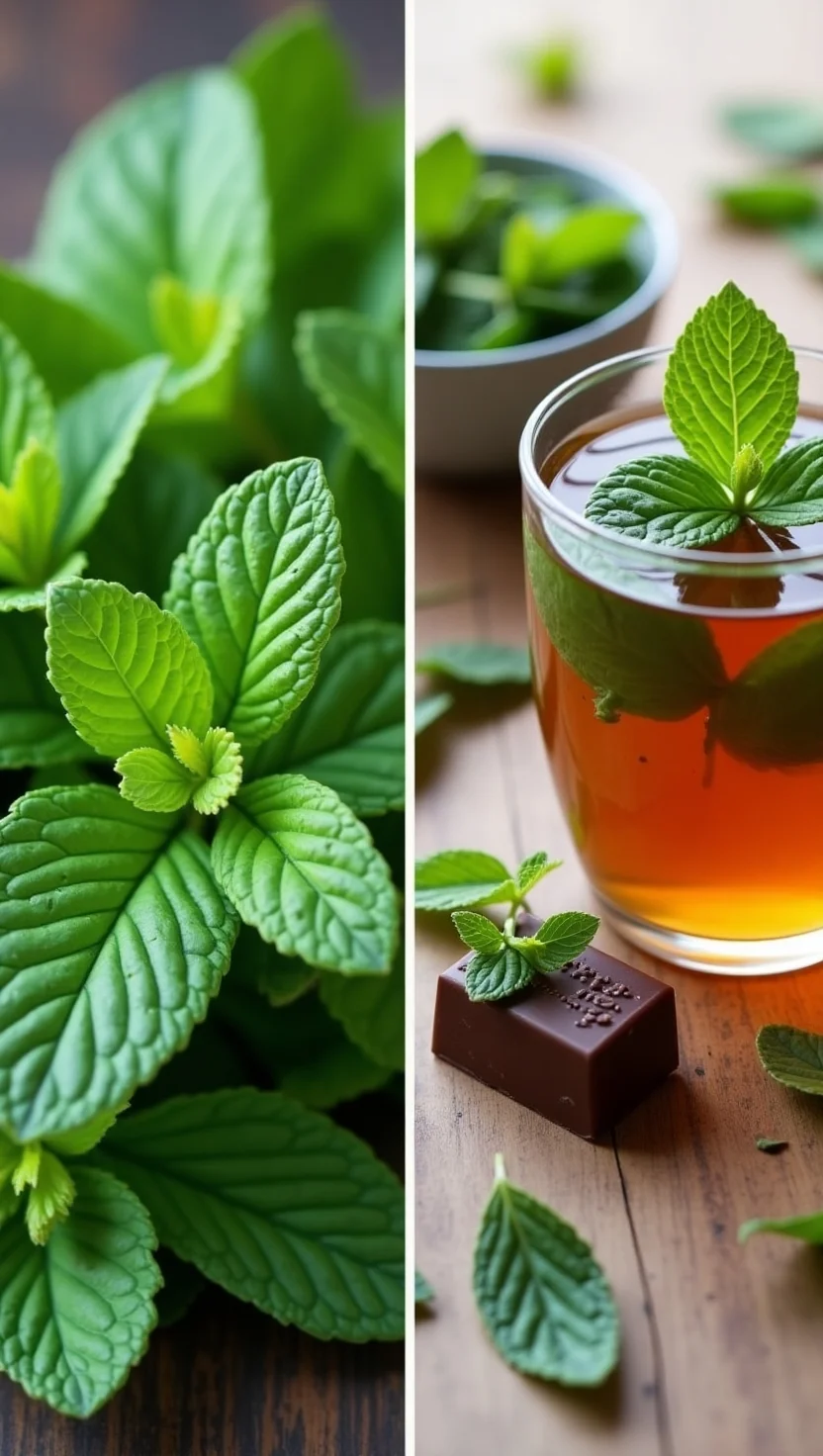
Top 5 Amazing Mints Benefits, Uses & Recipes
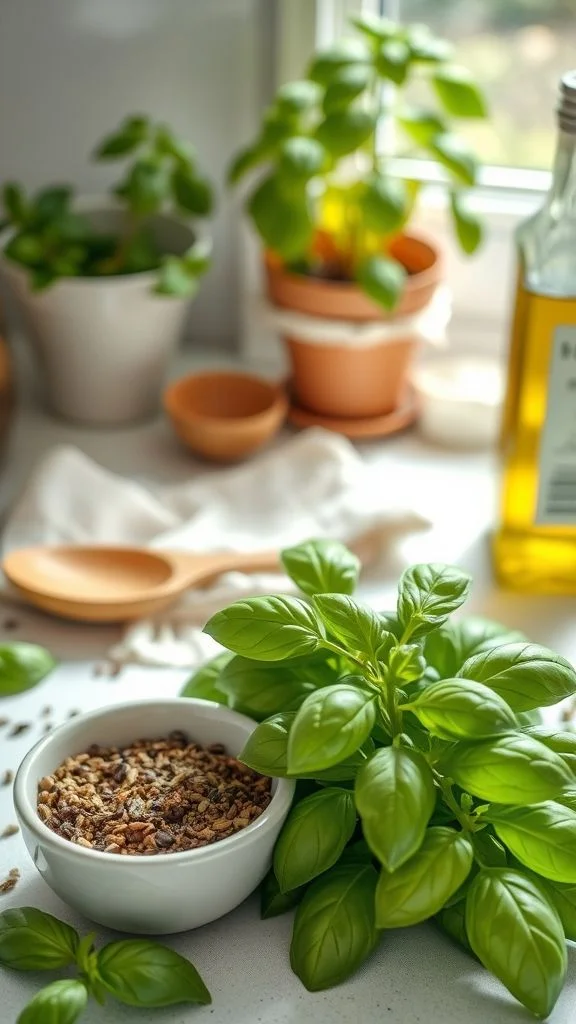
Dried Basil Benefits for Kitchen & Garden