There’s something almost magical about the moment you walk through the door on a bitter cold evening, cheeks stung pink by winter air, and the first thing that hits you isn’t the mail on the table or the dog demanding attention—it’s the smell. That deep, savory, beefy aroma wrapping around you like a blanket your grandmother knitted. For me, that smell takes me straight back to my grandma’s tiny kitchen, where a massive pot of what she called “Poor Man’s Stew” would bubble away on the stove for hours. She’d ladle it into chipped ceramic bowls, and somehow, in that moment, nothing in the world felt broken or difficult anymore.
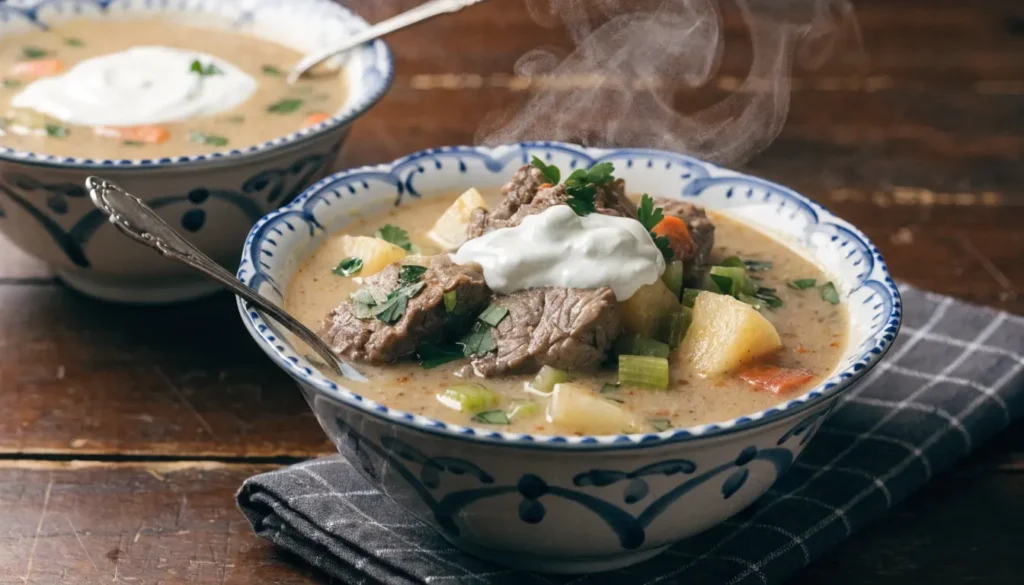
That’s the power of truly great soup. Not the watery, sad stuff from a can, but the kind that sticks to your ribs and settles deep into your bones with warmth. This steak and potato soup recipe is exactly that kind of meal. It takes the classic steakhouse duo—perfectly seared beef and buttery potatoes—and transforms them into something even more comforting. Something you can make on a Tuesday night that tastes like you spent all day tending to it.
Let me walk you through everything you need to know to create a bowl so good, you’ll catch yourself daydreaming about it later.
Why This Steak and Potato Soup Recipe Actually Works
You’ve probably tried beef soups before that left you disappointed. The meat turns out chewy and gray. The broth tastes thin, like someone forgot to add the flavor. The potatoes either turn to mush or stay rock-hard. It’s frustrating, right?
This recipe sidesteps all those pitfalls by borrowing techniques from professional kitchens while keeping things simple enough for a weeknight dinner. Here’s why it delivers every single time:
It captures the steakhouse experience in a bowl. Think about what makes a steak dinner so satisfying—the rich, caramelized crust on the meat, the creamy interior of a baked potato loaded with butter, the savory depth that lingers on your tongue. This soup replicates all of that, just in spoonable form.
The flavors build in layers instead of falling flat. There’s no shortcut for this. By searing the meat first, sweating the vegetables properly, and deglazing the pan, you create complexity that tastes like it simmered all day—even when you’re pressed for time.
Texture stays exactly where you want it. Nobody wants mushy potatoes or tough beef in their soup. You’ll learn exactly when to add each ingredient so everything reaches perfection at the same moment.
Cleanup won’t ruin your evening. Everything happens in one single pot. No mountain of dishes waiting for you after dinner.
Essential Ingredients Worth Your Money
Before you start chopping anything, let’s talk about what goes into the pot. The difference between good soup and unforgettable soup starts at the grocery store.
Choosing the Right Cut of Steak
This decision matters more than almost anything else. Pick the wrong cut, and you’ll be chewing on disappointment. Here’s what works:
Sirloin steak hits the sweet spot between flavor, tenderness, and affordability. It holds up well to simmering without turning into leather, especially if you follow the timing I’ll share later. Look for one with decent marbling—those thin white lines of fat running through the meat mean flavor.
Chuck steak offers even more richness thanks to its higher fat content. As it simmers, that fat renders into the broth, creating a silky, beefy liquid that tastes incredibly luxurious. The meat itself becomes fall-apart tender if you give it enough time.
Steer clear of tenderloin or filet mignon. I know it sounds counterintuitive—shouldn’t the most tender cut make the best soup? Actually, no. These lean cuts lack the fat and connective tissue that break down during cooking, so they turn dry and grainy in liquid. Save those for the grill.
The Potato Question
Potatoes seem straightforward until you use the wrong type and end up with soup that’s either watery or gluey.
Russet potatoes bring high starch content to the table. As they cook, some of that starch releases into the broth, naturally thickening everything without needing flour or cornstarch. They break down slightly at the edges while keeping their shape in the center—exactly what you want.
Yukon Gold potatoes deserve serious consideration too. Their naturally buttery flavor enhances the whole dish, and their medium-starch composition gives you creaminess without disintegration. Plus, that golden color looks beautiful against the dark broth.
Skip red potatoes or new potatoes entirely. Their waxy texture means they hold their shape stubbornly, never contributing to that velvety broth texture you’re after.
Building a Flavor Foundation That Delivers
Aromatics form the backbone of any great soup. You’ll need:
- One large yellow onion, diced
- Three or four garlic cloves, minced
- Two ribs of celery, chopped small
These three ingredients, gently cooked until translucent, create a savory base that supports everything else.
For the liquid, choose a high-quality beef broth. Read labels carefully—many commercial broths taste mostly of salt and water. Look for one with beef listed as the first ingredient, or better yet, use beef bone broth for extra richness and body.
Heavy cream or half-and-half provides that luxurious finish. Heavy cream gives you restaurant-level richness, while half-and-half keeps things slightly lighter while still feeling indulgent.
Two secret weapons elevate this soup from good to unforgettable:
- Worcestershire sauce adds deep umami complexity
- A tiny splash of balsamic vinegar brightens everything at the end, cutting through the richness so each spoonful leaves you wanting another
Step-by-Step: Making Soup You’ll Remember
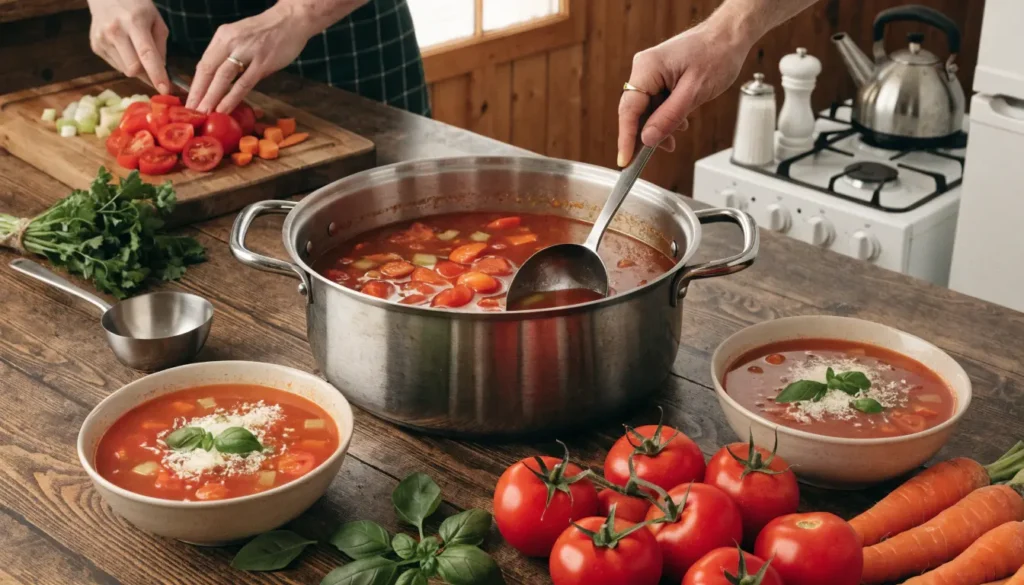
Professional chefs prep everything before they turn on the heat, and you should too. Once cooking starts, things move quickly.
Start with the steak. Cut it into roughly one-inch cubes, then pat every single piece completely dry with paper towels. This step matters enormously—wet meat won’t brown properly, and browning equals flavor.
Dice your onion and celery into similarly sized pieces so they cook evenly. Peel and cube your potatoes into bite-sized chunks, about an inch across. Mince that garlic finely. Having everything within reach makes the process smooth and actually enjoyable.
Why You Absolutely Cannot Skip Searing
This is where most home cooks take a shortcut, and it’s always a mistake.
Heat a tablespoon of olive oil or butter in a heavy Dutch oven or pot over medium-high heat. While that warms up, season your beef cubes generously with salt, pepper, and maybe a little garlic powder. Don’t be shy—most of that seasoning stays on the meat where it belongs.
Here’s the crucial part: work in batches. If you dump all the beef in at once, the pan temperature crashes instantly, and your meat steams instead of searing. You want those pieces to have breathing room, with space between them so they develop a deep brown crust.
Sear each batch for a couple of minutes per side until beautifully browned. The meat doesn’t need to cook through—that happens later. Remove each batch with a slotted spoon and set it aside.
Look at the bottom of your pot. See those dark brown bits stuck there? That’s concentrated beef flavor, liquid gold that costs nothing but pays enormous dividends.
Building the Soup Itself
With the beef resting and those flavorful bits waiting in the pot, add your onions and celery. If the pan looks dry, add another splash of oil. Cook them for four or five minutes, stirring occasionally, until they soften and turn translucent. Add the garlic and cook just until fragrant—about a minute, maybe less. Burnt garlic ruins everything.
Now pour in a splash of that beef broth and scrape the bottom firmly with a wooden spoon. Those browned bits release instantly, dissolving into the liquid and distributing their flavor throughout your soup.
Add the remaining broth, the Worcestershire sauce, and your cubed potatoes. Bring everything to a boil, then reduce the heat, cover the pot, and let it simmer peacefully for fifteen to twenty minutes. Test a potato with a fork—it should slide in easily but not meet zero resistance. You want tender, not falling apart.
Here’s where that beef comes back in. Return the seared meat to the pot and let everything simmer together for another five to ten minutes. This brief finish cooks the beef through while keeping it remarkably tender. Unlike stews that cook for hours, this method prevents the meat from turning stringy and dry.
Finally, reduce the heat to low and stir in your heavy cream and that splash of balsamic vinegar. Heat everything through gently, but whatever you do, don’t let it boil. Boiling dairy leads to curdling, which turns your beautiful soup into a grainy mess.
Texture Tricks Worth Knowing
Sometimes you want soup even thicker than this recipe naturally provides. Here are two foolproof methods:
Mash some potatoes right in the pot. Take a fork or potato masher and gently press a few of the cooked potatoes against the side. Their starch releases into the liquid, thickening everything naturally without any added ingredients.
Make a quick cornstarch slurry. Whisk one tablespoon of cornstarch with two tablespoons of cold water until smooth. Stir it into the simmering soup and watch it thicken within a minute. This gives you precise control over the final consistency.
Ways to Make This Recipe Your Own
The beauty of a solid base recipe is how easily it adapts to your preferences.
Loaded Baked Potato Style
Transform your bowl into something even more decadent by adding classic baked potato toppings. Shred some sharp cheddar cheese, crisp up a few strips of bacon until crunchy, chop some fresh green onions, and add a dollop of sour cream. Each spoonful becomes a celebration of textures and flavors.
Turn Up the Heat
If you like things spicy, dice a jalapeño and add it along with the onions. For even more kick, stir in a pinch of red pepper flakes or a dash of your favorite hot sauce at the end. The heat cuts through the richness beautifully.
Earthy and Herby
Sauté eight ounces of sliced cremini mushrooms with your onions for an earthy depth that complements the beef perfectly. Add a teaspoon each of fresh thyme and rosemary during the final simmer—their woodsy aroma takes this soup in a completely different direction.
Slow Cooker Adaptation
Busy day? Here’s how to adapt this for your Crockpot:
- Sear the beef exactly as described—don’t skip this even for the slow cooker
- Transfer the seared beef, onions, garlic, broth, Worcestershire, and potatoes to your slow cooker
- Cook on low for six to eight hours or high for three to four
- In the final thirty minutes, stir in the cream and let it heat through
What to Serve Alongside
This soup stands wonderfully on its own, but the right accompaniments elevate it to something special.
For serious dipping: A crusty French baguette with plenty of chew, warm buttermilk biscuits that practically beg to be torn apart and dunked, or even grilled cheese sandwiches cut into strips for the ultimate comfort food pairing.
For contrast: A simple green salad with sharp vinaigrette cuts through the richness and wakes up your palate between spoonfuls.
For topping: Keep passing bowls of shredded cheddar, crispy fried onions, fresh chives, or parsley so everyone can customize their bowl.
Storing and Reheating Like a Pro
This soup actually tastes better the next day after the flavors have mingled overnight in the fridge.
Refrigerator: Cool completely, then transfer to airtight containers. It keeps beautifully for up to four days.
Freezer notes: Because of the cream and potatoes, texture can change during freezing. Potatoes sometimes turn slightly grainy upon thawing. If you plan to freeze, consider stopping before adding the cream. When you reheat, add fresh cream and maybe some quick-cooked fresh potatoes for best results.
Reheating: Warm gently on the stovetop over medium-low heat, stirring occasionally. If it thickened too much in the fridge, add a splash of beef broth or milk to restore the consistency.
Frequently Asked Questions
Can I use leftover steak for steak and potato soup?
Absolutely, and it’s a brilliant way to stretch leftovers. Because your steak is already cooked, add it at the very end. Prepare the soup base completely, and during the final five minutes, stir in your diced leftover steak just to warm through.
How do I make this dairy-free?
Easier than you might think. Swap butter for olive oil or dairy-free butter. For creaminess, use full-fat coconut milk or a thick, unsweetened cashew creamer. The coconut version adds a subtle sweetness that pairs surprisingly well with the beef.
Can I make this in an Instant Pot?
Yes, and it’s fast. Use the sauté function to brown your beef and aromatics exactly as described. Add broth, Worcestershire, and potatoes. Pressure cook on high for ten minutes, quick release, then stir in cream and balsamic using the sauté function until heated through.
What’s the best thickener without flour?
Mashing some of the cooked potatoes against the pot works perfectly. Their natural starch binds with the liquid, creating body without altering flavor or adding empty calories.
A Bowl of Comfort, Made Your Way
2This steak and potato soup represents something increasingly rare in our rushed world—a meal that demands nothing from you except presence. It fills your kitchen with aromas that draw people in. It gives you something to stir and watch and adjust. It rewards patience with depth and care with richness.
Whether you follow the recipe exactly or make it your own with loaded toppings and spicy additions, what matters most is the moment you sit down with that bowl. The first spoonful that warms you from the inside out. The quiet contentment of something made well, shared with people you love.
So grab your heaviest pot, take your time with each step, and create something worth remembering. And when someone inevitably asks for the recipe, send them here—or better yet, invite them over and show them yourself.
Have you made this soup? I’d love to hear how it turned out. Drop a comment below with your favorite variation, or tag me in your photos so I can see your creation. And if you know someone who needs a good bowl of comfort right now, share this recipe with them. Some things are better when they’re shared.