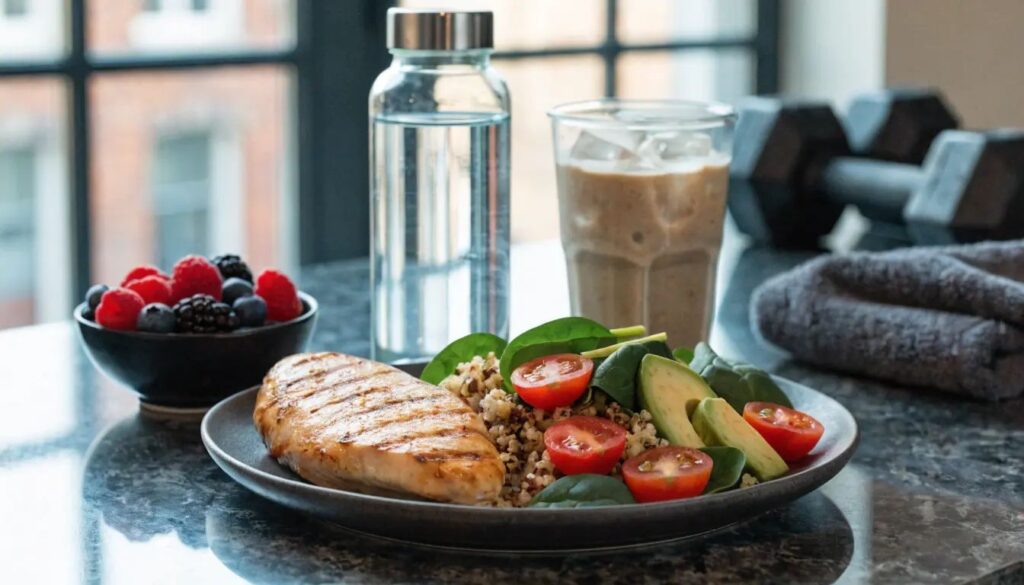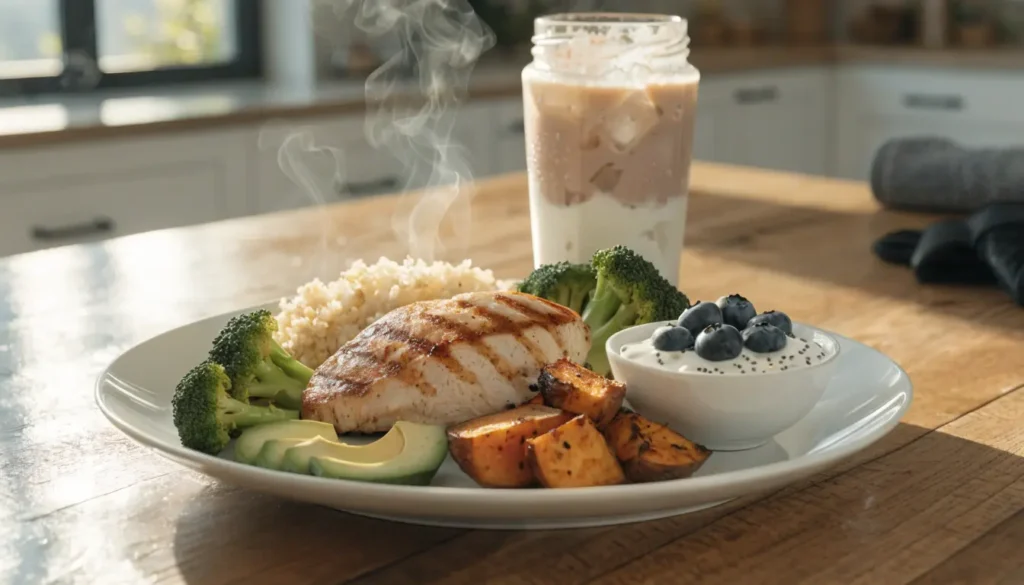
You just did it. You showed up for yourself when the couch was calling your name, when your energy was flagging, and when a thousand other obligations were competing for your attention. You pushed through the last rep, ran that extra mile, or held that pose until your muscles trembled with the effort. As you finally catch your breath and feel that satisfying mix of exhaustion and accomplishment, there’s a quiet hum beneath your skin—a vibration of broken-down fibers and depleted energy stores that’s impossible to ignore once you tune into it.

I remember finishing a particularly brutal leg day years ago, before I understood how this whole fitness thing actually worked. I was young, eager, and convinced that skipping the kitchen because I wasn’t “hungry” was somehow virtuous. I’d grab my bag, head home, and crash on the couch thinking I’d done everything right. Then came the morning after—waking up feeling like I had been hit by a truck, groggy and irritable, my progress feeling completely stalled. It took me far too long to realize that the workout doesn’t end when you leave the gym; it ends when you put the right fuel in your body.
The next 30 minutes are the most critical of your entire day. This is the “Golden Window,” and what you do right now determines whether your hard work translates into visible results or simply fades away into soreness and frustration.
Why “Quick” Matters: The Science of the Anabolic Window
You’ve just put your body through significant stress—the good kind, the kind that builds character and muscle. Your glycogen stores are depleted, your muscle proteins are damaged, and your entire system is running on empty. To repair and grow stronger, your body needs raw materials immediately. This isn’t optional; it’s biological necessity.
The 30-Minute Window Explained
Think of your muscles right now as sponges that have been wrung completely dry. In their dehydrated, depleted state, they’re primed to absorb glucose and amino acids at a much higher rate than usual. This heightened state of absorption doesn’t last forever—it gradually declines as time passes.
Research consistently shows that delaying nutrient intake by even two hours can result in up to 50 percent less glycogen synthesis. That’s half the energy restoration you could have achieved, simply because you waited. Your muscles are literally begging for replenishment, and the longer you make them wait, the less efficient that replenishment becomes.
Cortisol and Catabolism
Here’s something fitness magazines rarely tell you: intense exercise raises cortisol, your body’s primary stress hormone. Cortisol isn’t inherently evil—it helps mobilize energy during your workout and keeps you going when your tank is empty. But elevated cortisol without intervention leads directly to muscle breakdown, a process called catabolism.
Without food, cortisol remains stubbornly high, signaling your body that resources are scarce and it needs to start breaking down tissue for energy. That tissue is your hard-earned muscle. A quick meal acts as the biological signal that switches your body from “breakdown mode” to “repair mode.” It tells your endocrine system that the stress is over and it’s safe to start building again.
The Golden Ratio: What Your Quick Post Workout Meal Must Include
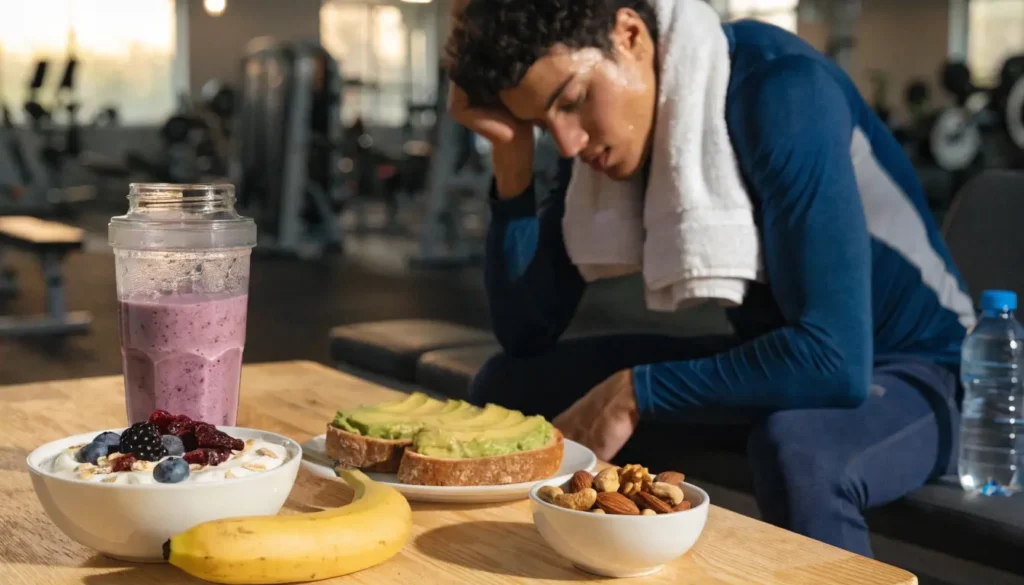
Not all food is created equal in the recovery phase. You need a specific combination to maximize results, and understanding this formula transforms how you approach post-exercise nutrition. Think of this as the mathematical equation for recovery—get the numbers right, and your body responds accordingly.
High-Quality Protein: The Repair Crew
Protein provides the amino acids necessary to repair the micro-tears in muscle tissue that occur during exercise. Without adequate protein, those tears remain unrepaired, and growth simply doesn’t happen.
You’re looking for 20 to 40 grams of fast-digesting protein. Fast-digesting matters here because slow-digesting options like casein take hours to break down, missing that critical window when your muscles are most receptive. Whey protein is the gold standard for speed, but lean meats, chicken breast, and Greek yogurt also work well when consumed promptly.
The research is clear: consuming protein post-workout stimulates Muscle Protein Synthesis at rates significantly higher than training alone. You’re essentially doubling the effectiveness of your workout by providing the building blocks your muscles need to respond to the stimulus you just provided.
Simple Carbohydrates: The Energy Replenishers
Carbohydrates post-workup replenish glycogen and spike insulin—and insulin, despite its bad reputation in diet culture, is actually your friend right now. Insulin helps push nutrients into muscle cells, acting like a key that unlocks the door and lets the protein and carbs inside where they’re needed.
Unlike other times of day when complex carbs are preferable, post-workout is the time for simple carbohydrates. White rice, potatoes, fruit, and even white bread are excellent choices because they digest rapidly and get to work immediately.
A standard guideline suggests a 2:1 ratio of carbs to protein for endurance athletes, while a 1:1 ratio works well for strength training. If you’re doing mixed workouts, splitting the difference serves you well. The exact numbers matter less than ensuring you get both macronutrients in meaningful amounts.
A Note on Fats
Healthy fats are essential for overall health, hormone production, and long-term wellness. But for the immediate quick post workout meal, it’s best to keep fat content low to ensure rapid absorption. Fats slow down gastric emptying, meaning food sits in your stomach longer before nutrients enter your bloodstream. Save the avocado and nuts for your next meal; right now, speed is the priority.
10 Quick Post Workout Meals Ready in Under Five Minutes
You don’t always have time to cook a steak and bake a sweet potato. Life happens—meetings run long, kids need attention, and sometimes you just want to shower and collapse. Here are actionable, fast solutions for when hunger and fatigue hit simultaneously.
The No-Cook Options
The Classic Shake
Combine one scoop of whey protein with one banana and eight ounces of chocolate milk. Blend and go. This combination delivers fast protein, simple carbohydrates, and fluids all in one portable package. The chocolate milk adds a small amount of sugar and fat that actually improves taste and provides additional electrolytes.
Greek Yogurt Power Bowl
Take one cup of Greek yogurt, add half a cup of granola, and toss in a handful of berries. The yogurt provides fast-digesting dairy protein, the granola adds carbohydrates and crunch, and the berries contribute antioxidants that may help reduce exercise-induced inflammation.
Tuna and Crackers
One can of tuna packed in water, mixed with a spoonful of relish or light mayo, served with whole-wheat crackers. This option travels well and requires absolutely no cooking. Keep a can of tuna and a box of crackers in your gym bag for emergencies.
Cottage Cheese and Pineapple
One cup of cottage cheese paired with half a cup of pineapple chunks. Cottage cheese contains both fast and slow-digesting proteins, while pineapple provides carbohydrates and bromelain—an enzyme that may help reduce inflammation and aid recovery.
Chocolate Milk
Sometimes the simplest option is the best. Low-fat chocolate milk has an ideal 4:1 carb-to-protein ratio, making it one of the most effective and cheapest recovery drinks available. Multiple studies have shown chocolate milk to be equally or more effective than commercial recovery beverages for post-exercise repletion.
The Minimal Effort Options
Rice Cakes With Toppings
Spread two or three rice cakes with one tablespoon of peanut butter and top with sliced banana. Rice cakes digest quickly, peanut butter provides protein and healthy fats, and bananas deliver potassium and quick carbs. It’s crunchy, satisfying, and takes sixty seconds to assemble.
The Deli Roll-Up
Lay out a tortilla, place three or four slices of turkey or chicken breast on top, add a slice of cheese, roll it up, and eat. No cooking, no plates, no cleanup. Keep deli meat and tortillas in your refrigerator, and this meal is always available.
Eggs and Toast
If you prepped hard-boiled eggs ahead of time, you have instant protein ready to go. Pair two eggs with a piece of fruit or a slice of toast, and you’ve covered your bases. Hard-boiled eggs keep in the refrigerator for up to a week, making them perfect for grab-and-go situations.
Instant Oats With Protein
Prepare one packet of instant oats according to package directions, then stir in one scoop of vanilla or unflavored protein powder. The oats provide sustained energy while the protein powder boosts the amino acid profile significantly. If your workplace has hot water and a microwave, this meal is always possible.
Fruit and Nut Butter
An apple, banana, or pear paired with two tablespoons of almond butter or peanut butter. This combination travels anywhere, requires no refrigeration, and delivers carbohydrates plus protein in a whole-food format that satisfies sweet cravings while supporting recovery.
Hydration: The Missing Piece of the Puzzle
You focus so much on solids that it’s easy to forget about liquids. But rehydration is the fastest way to feel human again after intense exercise. Water participates in every metabolic process involved in recovery, and without adequate fluids, those processes slow to a crawl.
Water Versus Electrolytes
If you sweat heavily during your workout—and most people do more than they realize—water alone isn’t enough. You need sodium and potassium to restore fluid balance and maintain proper cellular function. Plain water actually dilutes your remaining electrolytes if you’re severely depleted.
Even a 2 percent loss in body water from sweating can lead to a significant drop in performance and cognitive function. That mental fog you feel after hard exercise? Dehydration contributes to it substantially. Replacing both fluids and electrolytes clears that fog faster than water alone.
Sports drinks work, but they often contain unnecessary additives and excessive sugar. Coconut water provides potassium naturally, while adding a pinch of salt to your water bottle accomplishes the same goal more cheaply. Listen to your body—if you’re craving salt after exercise, that craving reflects genuine physiological need.
When to Drink
Sip throughout your recovery period rather than chugging everything at once. Your kidneys can only process so much fluid per hour, and drinking too much too quickly leads to frequent bathroom trips rather than optimal hydration. Aim to replace fluids gradually over the hour following your workout.
Mistakes to Avoid When Eating After a Workout
Don’t sabotage your sweat session with well-intentioned but misguided choices. These pitfalls trap even experienced exercisers, and avoiding them separates those who make progress from those who spin their wheels.
Mistake One: Eating a Diet Meal
Now is not the time for a small salad with fat-free dressing and a sprinkle of grilled chicken. You need calories and nutrients—substantial amounts of both. Undereating post-workout can stall your metabolism and leave your body in conservation mode rather than growth mode.
The “I just worked out, so I should eat something light” mentality undermines everything you just accomplished. Your body expended significant energy; replenishing that energy requires adequate fuel. Eat enough to feel satisfied and restored.
Mistake Two: Waiting Too Long
If you wait more than two hours after exercise to eat, you miss the optimal window for glycogen storage. Your muscles become less receptive to insulin, and more of what you eat gets stored as fat rather than being directed toward muscle repair.
Set a timer if you need to. Make eating immediately post-workout as non-negotiable as the workout itself. Treat it as part of the exercise session rather than something optional you’ll get to eventually.
Mistake Three: Relying on Bars Alone
Protein bars are convenient, and convenience matters. But many protein bars are essentially candy bars in disguise, containing high sugar alcohols, low-quality proteins, and minimal actual nutrition. If you use bars, read labels carefully and ensure each bar provides at least 20 grams of protein with minimal added sugars.
Even quality bars shouldn’t replace whole foods regularly. They’re backup options, not primary strategies. Use them when circumstances require portability, but default to real food whenever possible.
Frequently Asked Questions About the Quick Post Workout Meal
What happens if I don’t eat a quick post workout meal?
Skipping this meal leads to prolonged soreness, increased injury risk, and a weakened immune system. Your body cannot repair itself without raw materials, so recovery takes longer and remains incomplete. You’ll likely feel mentally foggy and physically drained for the rest of the day as your body struggles to recover without fuel. Over time, repeated post-workool undereating leads to plateaued progress and increased injury susceptibility.
Can I eat a full meal instead of a quick snack?
Absolutely. If you have access to a full meal like grilled chicken, rice, and vegetables within an hour of working out, that’s perfect. The term “quick” refers to timing and ease of digestion, not portion size. A balanced whole-food meal always surpasses a shake if you have the time and stomach capacity for it. Your body processes real food beautifully, and whole meals often provide additional micronutrients that support recovery beyond basic macronutrients.
Is it bad to drink a protein shake immediately after working out?
No, it’s actually one of the best things you can do. A liquid quick post workout meal absorbs very rapidly, making it ideal for the golden window, especially if solid food doesn’t appeal to you immediately after exercise. Many people find shakes easier to tolerate than food right after intense workouts, and that tolerability matters—the best post-workout nutrition is whatever you’ll actually consume consistently.
Should I eat differently after a morning workout versus an evening workout?
The nutritional needs—protein and carbohydrates—remain identical regardless of workout time. However, if you’re exercising late at night, consider slightly slower-digesting proteins like casein found in cottage cheese or Greek yogurt. These proteins release amino acids gradually throughout the night, continuing to feed your muscles while you sleep. Morning exercisers benefit from faster options that jumpstart recovery for the day ahead.
Can I do cardio on an empty stomach and eat afterward?
This depends entirely on your goals and how your body responds. Fasted cardio works for some people seeking fat adaptation, but it still requires post-exercise nutrition. If you exercise without eating first, your post-workout meal becomes even more critical because your body operated without fuel during the session. Prioritize protein and carbs afterward regardless of when you last ate.
How do I calculate my exact protein needs?
A general guideline suggests 0.14 to 0.23 grams of protein per pound of body weight post-workout. For a 150-pound person, that’s roughly 20 to 35 grams. Individual needs vary based on workout intensity, duration, and overall goals, but this range serves most people well. Experiment within these parameters and adjust based on how your body responds and recovers.
Putting It All Together
Your workout was the spark, but the quick post workout meal is the fuel that turns that spark into a fire of visible results. By honoring the 30-minute window and giving your body the precise combination of protein and carbohydrates it craves, you aren’t just recovering—you’re building. You’re telling your body that the effort mattered and that resources are available to respond to the demands you placed on it.
Next time you rack the weights or finish that run, remember that your work isn’t done. Listen to your body. It just carried you through something tough. The fatigue you feel, the hunger that’s starting to emerge, the slight shakiness in your hands—these aren’t weaknesses to ignore. They’re signals requesting exactly what you now know how to provide.
Keep a few of these meal options ready at all times. Stock your kitchen with yogurt, fruit, deli meat, and rice cakes. Keep protein powder in your cabinet and chocolate milk in your refrigerator. Remove the barriers between finishing your workout and eating properly, because when fatigue hits, convenience determines outcomes.
Now it’s your turn. What’s your go-to post-workout meal when you’re exhausted and hungry? Have you tried any of these options, or do you have a favorite combination that works for you? Share your thoughts in the comments below—your strategy might be exactly what someone else needs to hear. And if you found this helpful, pass it along to someone who’s working hard but might be missing this critical piece of the puzzle. They’ll thank you when they wake up tomorrow feeling recovered instead of wrecked.