Do you remember those mornings when your reflection stares back at you from the kitchen window, and you feel like your own body is working against you? I certainly do. There was a period in my life when breakfast felt like navigating a minefield. You stand there with the refrigerator door open, hoping something inside will magically transform into a meal that won’t send your hormones into a tailspin before noon.
The frustration runs deeper than simple hunger. It’s the disappointment of trying so hard only to feel sluggish by 10 a.m. It’s the irritation of watching the scale refuse to budge despite your best efforts. It’s the confusion of following generic nutrition advice that leaves you more inflamed than when you started.

If you live with polycystic ovary syndrome, you understand this intimate struggle. Breakfast isn’t merely about breaking an overnight fast. It represents your first daily opportunity to communicate with your endocrine system. You get to choose whether that message promotes stability or chaos.
The right PCOS breakfast ideas do more than fill your stomach. They stabilize your blood sugar, reduce those relentless cravings, and provide the nutritional foundation your body desperately needs to function optimally. Let’s walk through this together and transform your mornings from a source of stress into a powerful tool for hormone balance.
Why Breakfast Is Non-Negotiable for PCOS Management
Many women with PCOS have heard conflicting advice about morning meals. Some sources suggest intermittent fasting. Others emphasize eating immediately upon waking. The truth depends on understanding your body’s unique physiology.
The Blood Sugar Rollercoaster
Insulin resistance affects approximately 50 to 70 percent of women with PCOS. This statistic isn’t just a number—it represents the daily experience of countless women fighting their metabolism. When you’re insulin resistant, your cells don’t respond adequately to insulin’s signal to absorb glucose from your bloodstream.
Picture your cells wearing earplugs. Insulin knocks louder and louder, but the message barely gets through. Your pancreas responds by producing even more insulin, creating a cycle that promotes weight gain, triggers inflammation, and encourages your ovaries to produce excess testosterone.
Skipping breakfast throws gasoline on this fire. Without morning nourishment, your blood sugar can dip too low, triggering a stress response. Your adrenal glands release cortisol, which signals your liver to dump stored glucose into your bloodstream. Now you’re riding a wave of reactive high blood sugar followed by another insulin surge.
Research published in clinical nutrition journals demonstrates that women with PCOS who consume a larger breakfast and smaller dinner show improved ovulation rates and reduced insulin resistance compared to those eating the reverse pattern. The timing matters as much as the food itself.
Curbing Cortisol and Cravings
Your adrenal glands produce cortisol in response to stress—whether that stress comes from an overdue deadline, relationship tension, or the metabolic stress of unstable blood sugar. Elevated cortisol encourages your body to store fat, particularly around your midsection.
When you provide your body with balanced nutrition within a reasonable timeframe after waking, you signal safety to your nervous system. Your adrenals receive the message that resources are available, reducing the need for emergency hormone releases.
The psychological benefit proves equally valuable. A protein-rich, fiber-dense breakfast fundamentally alters your relationship with food throughout the day. You’ll notice that the afternoon vending machine visit loses its appeal. The 3 p.m. cookie craving diminishes. You’re no longer fighting constant urges because your body isn’t desperately seeking quick energy.
The Golden Formula: Building the Perfect PCOS Plate
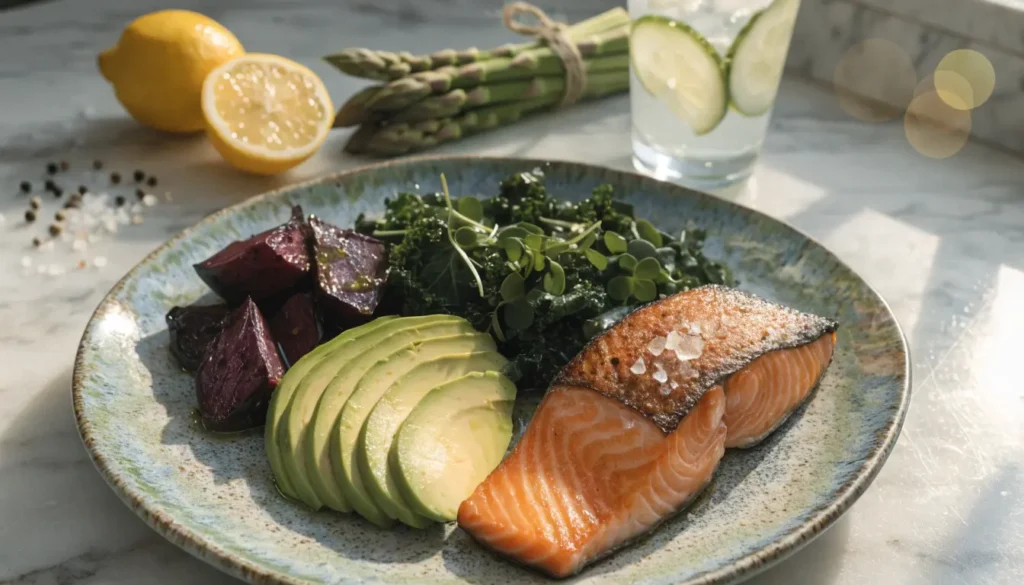
Creating effective PCOS breakfast ideas doesn’t require memorizing complicated recipes. Once you understand the structural components, you can assemble countless variations that support your hormones.
Protein Power
Protein serves as your metabolic anchor. Unlike carbohydrates, protein minimally impacts blood sugar while maximally affecting satiety. When you consume adequate protein at breakfast, you activate hormones that signal fullness to your brain for hours afterward.
Your body also requires amino acids from protein to produce neurotransmitters that regulate mood and focus. Starting your day with sufficient protein helps you think more clearly and feel more emotionally balanced.
Quality protein sources for breakfast include:
- Pasture-raised eggs, which provide choline for liver function and vitamin D for hormone production
- Plain Greek yogurt or Skyr, offering approximately fifteen to twenty grams of protein per serving
- Cottage cheese, delivering casein protein that digests slowly for sustained energy
- Unflavored collagen peptides, which dissolve invisibly into hot beverages
- Smoked salmon or sardines, providing anti-inflammatory omega-3 fatty acids
- Clean chicken or turkey sausage without added sugars or nitrates
Fiber-Rich Carbs
Carbohydrates aren’t the enemy—poorly chosen carbohydrates deserve that reputation. Fiber fundamentally changes how your body processes carbohydrates. Think of fiber as a traffic controller, slowing the entrance of sugar molecules into your bloodstream.
Soluble fiber forms a gel-like substance in your digestive tract that physically traps carbohydrates, delaying their absorption. Insoluble fiber adds bulk to stools and supports regular elimination, which matters because excess estrogen is eliminated through bowel movements.
Breakfast sources of fiber include:
- Leafy greens like spinach and kale, which add volume without significant calories
- Berries, particularly raspberries and blackberries, offering the highest fiber-to-sugar ratio among fruits
- Chia seeds and ground flaxseed, which provide both fiber and anti-inflammatory omega-3s
- Rolled or steel-cut oats, chosen over instant varieties for slower digestion
- Avocado, delivering fiber alongside monounsaturated fats
- Vegetables like bell peppers, mushrooms, and zucchini incorporated into egg dishes
Healthy Fats
Your hormones require fat for production. Every steroid hormone in your body—estrogen, progesterone, testosterone, cortisol—is synthesized from cholesterol. Severely restricting fat starves your endocrine system of necessary building blocks.
Fat also slows gastric emptying, keeping you fuller longer and further blunting blood sugar spikes. Additionally, many crucial vitamins (A, D, E, and K) require fat for absorption.
Healthy fat sources for breakfast include:
- Extra virgin olive oil drizzled over eggs or vegetables
- Coconut oil or unsweetened coconut flakes
- Whole eggs, with yolks containing most of the fat-soluble vitamins
- Raw nuts and nut butters, particularly walnuts which contain anti-inflammatory omega-3s
- Avocado in any form
- Seeds including pumpkin, sunflower, and sesame
Quick and Easy PCOS Breakfast Ideas
Mornings rarely accommodate elaborate cooking sessions. These options deliver complete nutrition without demanding significant time or effort.
Savory Scramble on the Go
Savory breakfasts often satisfy more deeply than sweet alternatives because they don’t trigger the same sugar-seeking response. This scramble comes together in the time it takes your coffee to brew.
Heat olive oil in a small skillet over medium heat. Add a generous handful of fresh spinach and cook until wilted, about sixty seconds. Whisk two eggs with salt, pepper, and perhaps a pinch of turmeric for its anti-inflammatory properties. Pour over the spinach and stir gently until eggs reach your preferred doneness.
Serve with half an avocado sprinkled with red pepper flakes if you enjoy heat. The combination provides approximately twenty grams of protein and twelve grams of fiber, creating lasting fullness that carries you comfortably to lunch.
The No-Spike Smoothie
Smoothies present a common pitfall for women with PCOS. Many recipes read like dessert in disguise, packing forty or more grams of sugar from fruit juice, sweetened yogurt, and honey. You need a different approach.
The foundation starts with unsweetened almond milk or coconut milk. Add a generous scoop of high-quality protein powder—collagen, pea protein, or clean whey all work well. Include a handful of fresh or frozen spinach, which contributes iron and magnesium while remaining flavorless.
For healthy fat, add one tablespoon of almond butter or two tablespoons of chia seeds. Chia seeds absorb liquid and create a thicker consistency while providing impressive fiber content. Limit fruit to one-quarter cup of berries, which offer antioxidants with minimal sugar impact.
This version keeps your blood sugar steady while delivering nutrients that support hormone metabolism and liver function.
High-Protein Yogurt Bowl
Greek yogurt and its Icelandic cousin Skyr contain approximately twice the protein of regular yogurt because of the straining process that removes liquid whey. This concentrated protein makes them ideal breakfast foundations.
Choose plain varieties exclusively. Flavored yogurts contain added sugars that defeat your purpose. If you need sweetness, add your own using cinnamon, which research suggests may improve insulin sensitivity, or a tiny sprinkle of stevia.
Top your yogurt with a small handful of walnuts, which provide magnesium—a mineral many women with PCOS lack. Magnesium deficiency correlates with worse insulin resistance and more severe PMS symptoms. Add a few raspberries or blackberries for color, texture, and additional fiber.
Make-Ahead PCOS Breakfast Ideas
Preparation eliminates morning decision fatigue. Investing an hour on Sunday sets you up for successful mornings all week.
Egg Muffin Cups
These portable protein packages adapt to whatever vegetables you have available. Start with eight to ten eggs whisked thoroughly with salt, pepper, and perhaps a splash of unsweetened almond milk for fluffiness.
Chop whatever vegetables appeal to you—bell peppers, onions, mushrooms, broccoli, spinach all work beautifully. Distribute vegetables evenly among generously greased muffin tins, then pour egg mixture over them until each cup is about three-quarters full.
Bake at 375 degrees Fahrenheit for eighteen to twenty-two minutes, until eggs are set and edges begin browning. Cool completely before storing in an airtight container in your refrigerator.
Reheat two muffins for approximately forty-five seconds in the microwave for a complete breakfast containing around fifteen grams of protein. They also work cold, making them ideal for mornings when you eat at your desk.
Overnight Oats
Traditional oatmeal can challenge blood sugar stability, but overnight oats prepared strategically offer better control. The soaking process partially breaks down starches while the added fat and protein buffer carbohydrate absorption.
Combine one-half cup rolled oats with one scoop collagen peptides in a jar or container with a lid. Add one tablespoon of chia seeds, which expand overnight to create pudding-like texture. Pour in three-quarters cup of unsweetened almond milk and stir thoroughly to prevent clumping.
Refrigerate overnight. In the morning, top with a few fresh raspberries and a generous sprinkle of cinnamon. The cinnamon adds flavor while potentially improving your cells’ insulin sensitivity.
The combination provides sustained energy without the blood sugar spike that instant oatmeal packets typically cause.
Indulgent Weekend Breakfasts
Weekends allow time for more elaborate preparation without compromising your hormone health. These options feel decadent while remaining nutritionally sound.
The Ultimate PCOS-Friendly Pancakes
Standard pancakes combine refined flour with sugar and are typically topped with syrup—a triple threat of blood sugar disruption. These alternatives satisfy the craving without the crash.
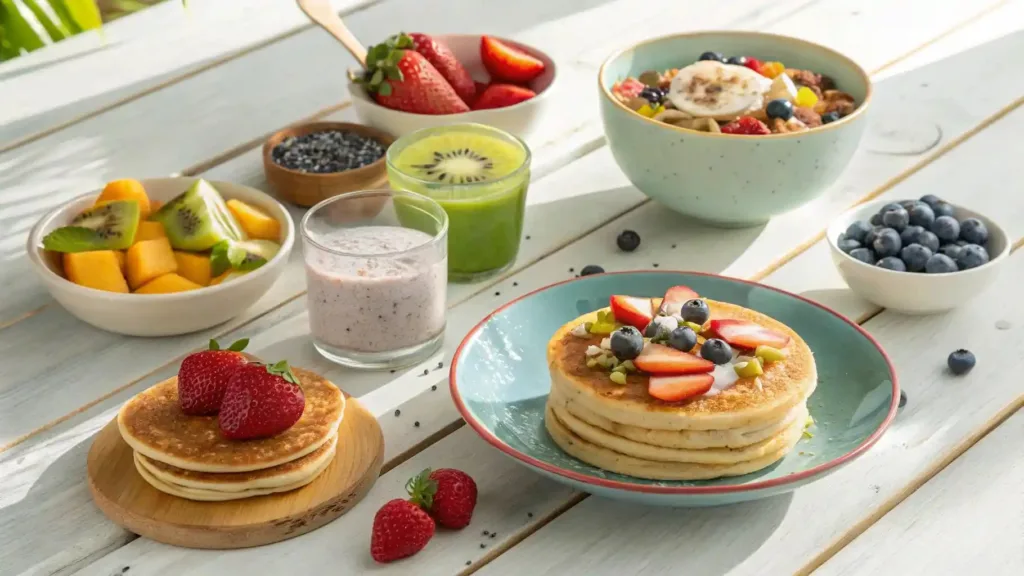
Combine three-quarters cup almond flour with one-quarter cup coconut flour, two teaspoons baking powder, and a pinch of salt. In a separate bowl, whisk three eggs with one-quarter cup unsweetened almond milk and one teaspoon vanilla extract. Combine wet and dry ingredients until smooth.
Cook on a lightly greased griddle over medium heat until bubbles form on the surface, then flip and cook until golden. The almond flour provides healthy fat and protein while the coconut flour adds fiber.
Top with a dollop of plain Greek yogurt instead of syrup. Add a handful of fresh berries for natural sweetness and additional fiber. You’ll feel satisfied rather than stuffed and sluggish.
Loaded Avocado Toast
Bread choice determines whether this breakfast supports or sabotages your hormones. Skip white bread and even many whole wheat options, which can spike blood sugar similarly to table sugar.
Choose sprouted grain bread or authentic sourdough. Sprouting grains reduces their carbohydrate density and increases available nutrients. Traditional sourdough fermentation creates organic acids that slow starch digestion.
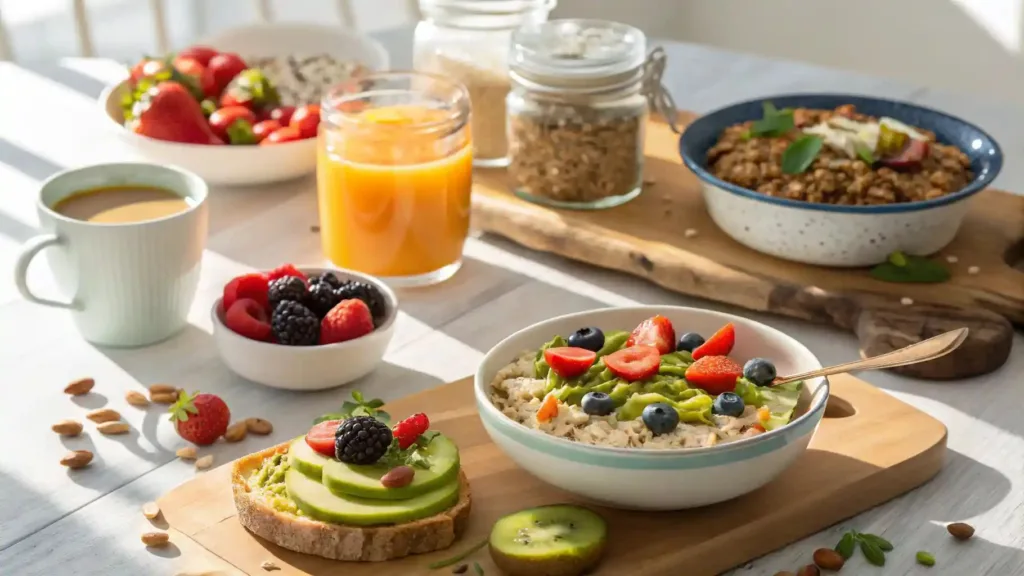
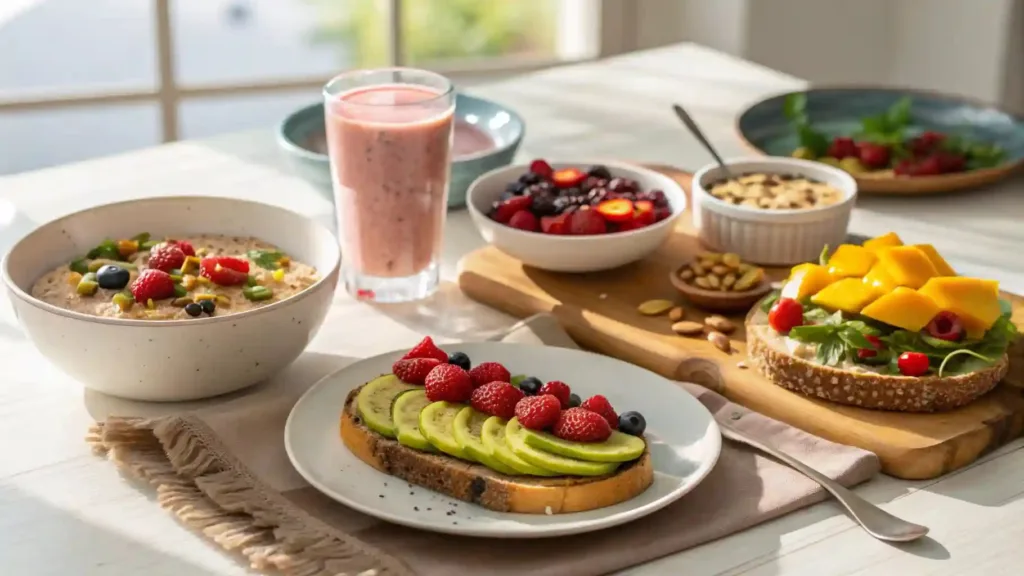
Toast your bread thoroughly, then mash half an avocado over the surface. Top with a poached or fried egg, which adds protein and satiating fat. Sprinkle with pumpkin seeds for additional magnesium, red pepper flakes for metabolism support, and sea salt.
This breakfast combines satisfying textures and flavors while maintaining the protein-fat-fiber balance your body requires.
Foods to Avoid at Breakfast
Knowing what to avoid prevents wasted effort and protects your progress. Certain breakfast foods commonly marketed as healthy actively undermine hormone balance.
Flavored oatmeal packets represent one of the most deceptive options. Despite health claims on packaging, these products typically contain added sugars, artificial flavors, and minimal fiber. The processing renders oats quickly digestible, causing rapid blood sugar elevation.
Store-bought granola deserves scrutiny as well. While granola contains nutritious ingredients like oats and nuts, commercial versions are typically coated in honey, maple syrup, or cane sugar. Serving sizes are unrealistically small—most people consume two to three times the listed portion without realizing it.
Fruit juice, even cold-pressed varieties, concentrates sugar without the mitigating fiber of whole fruit. Drinking juice delivers a rapid sugar hit that provokes insulin release without providing fullness. Whole fruit requires chewing and digestion, processes that naturally slow sugar absorption.
Conventional dairy affects some women with PCOS negatively. While fermented options like Greek yogurt often prove tolerable, liquid milk and soft cheeses can trigger inflammatory responses in sensitive individuals. Pay attention to how your body responds and adjust accordingly.
Frequently Asked Questions About PCOS Breakfast Ideas
Can I skip breakfast if I’m not hungry in the morning?
Some women genuinely feel better delaying their first meal. However, if you experience fatigue, brain fog, or intense cravings later in the day, skipping breakfast may worsen these symptoms. Experiment with eating within ninety minutes of waking for two weeks and notice how you feel. Many women discover improved energy and reduced cravings with this approach.
Are these PCOS breakfast ideas suitable for weight loss?
These meals naturally support weight management through their effects on appetite regulation. Protein and fiber increase satiety hormones while decreasing ghrelin, the hormone that stimulates hunger. You’ll likely eat less throughout the day without feeling deprived. Weight loss becomes a natural byproduct of hormone balance rather than a constant struggle.
Is coffee acceptable with PCOS?
Coffee itself provides antioxidants and may support metabolic health. However, coffee shops have transformed this beverage into dessert. Avoid sugary syrups, flavored creamers, and whipped toppings. Better options include black coffee, coffee with unsweetened almond milk, or coffee blended with collagen peptides for added protein. Cinnamon sprinkled into grounds before brewing adds flavor and potential blood sugar benefits.
How long until I notice changes from changing my breakfast?
Many women report reduced cravings and improved mental clarity within the first week. Your brain notices stable fuel availability immediately. Hormonal changes take longer—expect three to six months for menstrual cycle improvements, reduced acne, or hair changes. Consistency matters more than perfection. Keep showing up for yourself.
Conclusion
Living with PCOS asks much of you. It demands attention to details others never consider. It requires strength when your body feels like an opponent rather than an ally. But your breakfast plate offers a place to start reclaiming your power.
You don’t need a flawless diet. You need sustainable patterns that respect your body’s unique requirements. Each morning presents a fresh opportunity to stabilize your insulin, balance your hormones, and nourish yourself completely.
Tomorrow morning, try one of these approaches. Notice how you feel at 10 a.m., at lunchtime, throughout the afternoon. Your body will communicate its appreciation through steady energy, manageable cravings, and gradually improving symptoms.
Which of these breakfast ideas will you try first? Have you discovered a PCOS-friendly morning meal that works wonders for you? Share your experience in the comments below—your insight might be exactly what another woman needs to hear today.