If you’ve ever woken up with your stomach already churning before you’ve even taken a single bite of food, you know the unique dread that mornings can bring. Maybe you’ve spent years skipping breakfast entirely just to avoid the fallout, or perhaps you’ve resigned yourself to bland rice cakes while everyone else enjoys fluffy pancakes and sizzling bacon. That hollow feeling isn’t just physical hunger—it’s the frustration of watching others enjoy food without a second thought while you mentally scan every ingredient for potential consequences.
I remember those mornings well. Standing in front of the refrigerator, stomach growling but also clenching with anxiety. Toast? Wheat. Yogurt? Dairy. Orange juice? Too acidic and loaded with sugar. Smoothie? Those berries might betray me before noon. The breakfast table had become a minefield, and I was tired of tiptoeing.
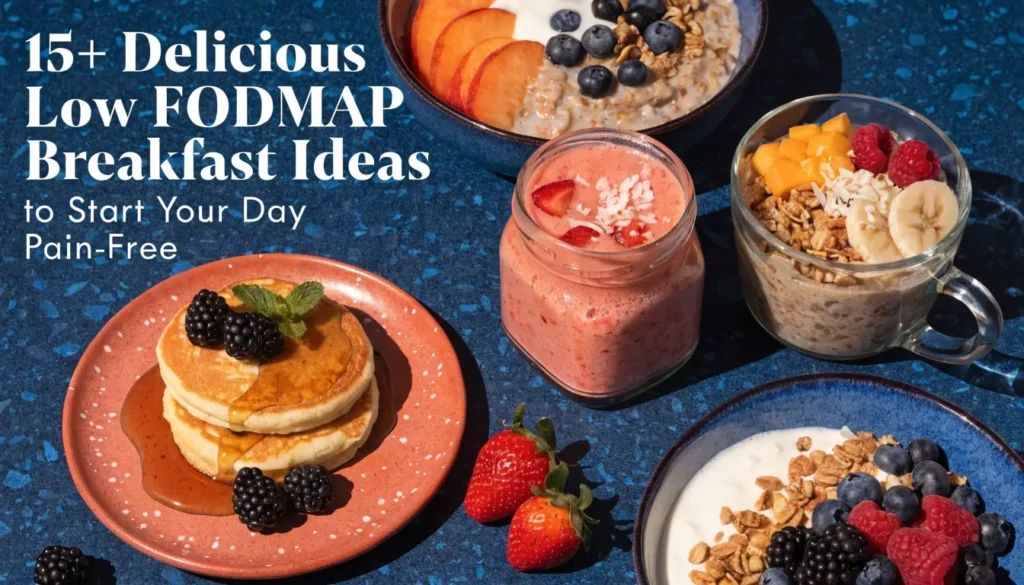
Here’s what took me years to discover: a Low FODMAP breakfast doesn’t have to mean deprivation. In fact, with the right knowledge and a few simple swaps, you can build morning meals that actually satisfy you while keeping your digestive system calm. The key isn’t finding a magic bullet food—it’s understanding how to combine ingredients that work with your body rather than against it.
Whether you’re newly diagnosed with IBS, navigating the elimination phase, or simply curious about how different foods affect your digestion, this guide walks you through everything you need to know about building breakfasts that fuel your day without fueling your symptoms.
What Does “Low FODMAP” Actually Mean for Your Breakfast Plate?
Before diving into recipes and meal ideas, let’s get clear on what we’re actually talking about. FODMAP stands for Fermentable Oligo-, Di-, Mono-saccharides And Polyols. That’s quite a mouthful, but the concept is simpler than the name suggests.
These are short-chain carbohydrates that some people’s small intestines don’t absorb well. When they travel to the large intestine, gut bacteria ferment them rapidly, producing gas and drawing in water. For sensitive digestive systems, this process triggers bloating, pain, constipation, or diarrhea—sometimes all four in rotation.
The Low FODMAP diet, developed by researchers at Monash University in Australia, isn’t a permanent elimination diet. It’s a structured approach where you temporarily remove high-FODMAP foods, then systematically reintroduce them to identify your personal triggers. Research from Monash shows that approximately 75% of people with IBS experience significant symptom relief when following this protocol.
For breakfast specifically, this means rethinking some traditional morning favorites. Wheat-based cereals, certain fruits like apples and pears, dairy products containing lactose, and even some “healthy” additions like honey or agave syrup can trigger symptoms. But here’s the encouraging part: for every breakfast food you might need to set aside, there’s usually a delicious alternative waiting to take its place.
The Golden Rules of a Low FODMAP Breakfast
Portion size determines safety. This might be the most misunderstood aspect of the entire diet. Many foods aren’t strictly “allowed” or “forbidden”—they’re safe in specific amounts and problematic in larger ones. Oats, for example, work beautifully for most people at a half-cup serving dry, but doubling that can push you into symptom territory. Think of it as a volume knob rather than an on-off switch.
Labels reveal everything. Food manufacturers love adding concentrated fruit juices, chicory root fiber, and high-fructose corn syrup to breakfast products marketed as “healthy.” Those “natural” granola bars? Often packed with triggers. That “digestive health” cereal? Frequently contains inulin, which is pure FODMAP chaos for sensitive systems. Reading ingredients becomes less optional and more essential.
Whole foods provide the safest foundation. When you build breakfasts around single-ingredient foods—eggs, potatoes, safe fruits, plain meats—you maintain complete control. The moment you reach for packaged convenience foods, you’re trusting someone else’s formulation decisions. Sometimes that trust pays off; often it doesn’t.
The Ultimate Low FODMAP Breakfast Pantry Staples
Success with Low FODMAP eating starts before you ever turn on the stove. When your pantry contains safe, versatile ingredients, throwing together a satisfying breakfast takes minutes rather than mental energy. Here’s what belongs in your kitchen.
Grains and Cereals That Work
Rolled oats and quick oats form the backbone of countless breakfast options. They’re warming, filling, and versatile. Just respect that half-cup dry serving size—it’s plenty when combined with other ingredients.
Puffed rice and rice cereals provide that familiar crunch without wheat. Look for versions without added barley malt syrup or fruit juices. Plain rice Krispies-style cereal works beautifully with lactose-free milk and a sprinkle of safe berries.
White quinoa deserves more breakfast attention than it gets. It cooks similarly to oats but delivers complete protein, making it especially valuable if you’re limiting eggs. Try it cooked in almond milk with cinnamon and maple syrup.
Sourdough bread becomes your toast salvation. Traditional fermentation breaks down fructans in wheat, making genuine sourdough from spelt or white flour tolerable for many people. The key word is genuine—many commercial “sourdough” loaves are just regular bread with flavoring added. Seek out bakery bread where fermentation happens slowly.
Fruits That Bring Flavor Without Fire
Blueberries rank among the safest berry options, though even they have limits. Stick to around 20-25 small berries per serving.
Strawberries work well at about five medium berries. Slice them over oatmeal or yogurt for natural sweetness.
Oranges and clementines provide vitamin C and bright flavor with minimal FODMAP content. A whole orange causes no issues for most people.
Firm bananas differ significantly from spotted ones. As bananas ripen and develop brown spots, their oligofructan content increases. Choose yellow with green tips for safety.
Kiwi fruit deserves special mention—research suggests it may actually help with constipation while being naturally low FODMAP. One whole kiwi makes an easy, portable breakfast addition.
Raspberries require careful portioning. Ten berries hit the sweet spot between flavor and safety. Frozen raspberries work well in smoothies where you can precisely control quantity.
Proteins and Dairy Alternatives
Eggs remain completely FODMAP-free regardless of preparation. Scrambled, fried, hard-boiled, poached, baked into frittatas—they’re the ultimate breakfast protein source. If you tolerate eggs well, they’re your morning anchor.
Lactose-free dairy opens up countless options. Lactose-free milk, yogurt, and cottage cheese taste nearly identical to traditional versions but lack the lactose that triggers symptoms for many. Hard cheeses like cheddar, parmesan, and Swiss contain negligible lactose naturally, so they’re generally safe even without “lactose-free” labeling.
Almond milk leads the plant-based options for versatility. Choose unsweetened varieties to avoid added sugars and check that almonds are the primary ingredient rather than a blend with high-FODMAP thickeners.
Hemp milk provides creaminess plus omega-3 fatty acids. It’s naturally low FODMAP and works beautifully in smoothies or over cereal.
Peanut butter brings protein, healthy fats, and satisfaction. Stick to two tablespoons of natural peanut butter without added honey or high-fructose sweeteners.
15+ Quick and Easy Low FODMAP Breakfast Ideas

Now for the practical part—actual meals that work with your schedule, your taste preferences, and your digestive reality. I’ve organized these by preparation time and complexity so you can find options whether you’re racing out the door or lingering over a weekend coffee.
5-Minute Meals for the Snooze-Button Crowd
Lactose-Free Yogurt with Berries and Maple Syrup
Scoop a cup of plain lactose-free Greek yogurt into a bowl. Top with five sliced strawberries and a tablespoon of pure maple syrup. Stir and eat. The protein keeps you full for hours, while the natural sweetness satisfies that morning sugar craving without triggering symptoms. Greek-style yogurt provides more protein than regular, making it especially valuable for sustained energy.
Peanut Butter and Banana Rice Cakes
Spread two brown rice cakes with natural peanut butter. Slice half a firm banana and arrange the rounds on top. Sprinkle with a pinch of salt if you’re feeling fancy—it balances the sweetness beautifully. This combination delivers carbohydrates for quick energy plus fat and protein for staying power. Keep rice cakes in your desk drawer at work for emergency breakfast situations.
Hard-Boiled Eggs with a Side of Oranges
Boil half a dozen eggs at the start of your week. Each morning, grab two, peel them, and pair with one small orange or two clementines. Salty and sweet, protein and carbohydrate—this combination covers all bases with zero morning preparation. If you’re tired of plain eggs, sprinkle them with smoked paprika or everything bagel seasoning.
Simple Low FODMAP Smoothie
Combine one cup almond milk, a handful of fresh spinach, ten frozen raspberries, one tablespoon peanut butter, and one tablespoon maple syrup in a blender. Whirl until smooth and pour into a travel cup. The spinach disappears completely flavor-wise while adding nutrients and color. This takes exactly ninety seconds to prepare and cleans up with a quick rinse.
Make-Ahead Wonders for Batch Cooking Sanity
Low FODMAP Overnight Oats
In a small jar, combine half a cup rolled oats, two-thirds cup almond milk, one tablespoon maple syrup, one tablespoon peanut butter, and a handful of blueberries. Stir, cover, and refrigerate overnight. Morning arrives with breakfast already waiting—creamy, satisfying, and perfectly portable. Make four or five jars on Sunday evening for effortless weekday mornings.
Quinoa Porridge with Strawberries and Pecans
Rinse half a cup of white quinoa thoroughly to remove bitter coating. Combine with one cup lactose-free milk in a small saucepan, bring to a boil, then reduce to a simmer. Cook fifteen minutes until quinoa is tender and milk is absorbed. Stir in one tablespoon maple syrup. Divide into meal-prep containers and refrigerate. Reheat individual portions with a splash of extra milk, topping with sliced strawberries and crushed pecans before serving.
Frittata Muffins for Protein-Packed Mornings
Whisk eight eggs in a large bowl with salt, pepper, and chopped fresh chives. Dice half a red bell pepper (green bells are higher FODMAP, so stick to red or orange). Grate half a cup of cheddar cheese. Stir vegetables and cheese into eggs. Divide mixture among greased muffin tins, filling each about three-quarters full. Bake at 375°F for eighteen to twenty minutes until set and golden. These keep refrigerated for five days and reheat in thirty seconds. Grab two on your way out the door for a hot, protein-rich breakfast with zero morning effort.
Breakfast Potatoes with Rosemary
Dice three medium red potatoes into half-inch cubes—no need to peel. Toss with olive oil, chopped fresh rosemary, salt, and pepper. Spread on a baking sheet and roast at 400°F for twenty-five to thirty minutes, flipping halfway through. These reheat beautifully and pair with eggs or stand alone when you’re craving something savory and substantial.
The Weekend Brunch Spread Worth Waking For
Classic Eggs Benedict Without the Worry
Toast a slice of genuine sourdough bread. Top with two slices of crispy bacon or Canadian bacon. Add poached eggs—if you’ve never poached eggs before, swirling the water before adding them helps the whites wrap neatly around the yolks. For hollandaise, whisk three egg yolks with one tablespoon lemon juice in a heatproof bowl over simmering water. Slowly drizzle in half a cup of melted butter while whisking constantly until thickened. Pour over your eggs and enjoy one of life’s great breakfast experiences without digestive regret.
French Toast with Caramelized Bananas
Slice two thick pieces of sourdough bread. In a shallow dish, whisk two eggs with a quarter cup lactose-free milk, half teaspoon vanilla extract, and a sprinkle of cinnamon. Dip bread slices briefly on each side—don’t soak or they’ll become soggy. Cook on a buttered griddle until golden brown on both sides. Meanwhile, slice one firm banana and sauté in butter with one tablespoon brown sugar until caramelized. Pile bananas over French toast and drizzle with maple syrup.
Loaded Hash Browns with Avocado and Eggs
Shred two large potatoes on a box grater. Squeeze handfuls over the sink to remove as much moisture as possible—this is the secret to crispy hash browns. Mix shredded potatoes with salt, pepper, and chopped chives. Heat oil in a cast-iron skillet, add potatoes in an even layer, and cook without moving for eight to ten minutes until bottom is deeply golden. Flip carefully and cook another five to seven minutes. While potatoes finish, fry two eggs sunny-side up. Top hash browns with eggs and one-eighth of a sliced avocado. Runny yolk mixing with crispy potatoes creates breakfast magic.
Smoked Salmon and Scrambled Egg Toast
Toast sourdough bread generously. Whisk three eggs with a tablespoon of lactose-free milk, salt, and pepper. Scramble in butter over medium-low heat, stirring constantly for soft, creamy curds. Pile eggs onto toast, drape with smoked salmon slices, and sprinkle with fresh dill and capers if you tolerate them. This feels indulgent but comes together in under ten minutes.
Common Breakfast Pitfalls Worth Avoiding
Even with the best intentions, certain breakfast traps catch people off guard. Here’s what to watch for when shopping and ordering.
Granola hides surprising triggers. That wholesome-looking bag often contains honey, dried dates, raisins, or cashews—all high-FODMAP ingredients. Even when individual ingredients seem safe, the concentrated nature of dried fruit means small servings exceed FODMAP thresholds. If you love granola’s crunch, try making your own with oats, maple syrup, coconut oil, and pecans.
Smoothie bowls can stack FODMAPs dangerously. A handful of this, a splash of that, some sliced fruit on top—suddenly you’ve consumed four different FODMAP groups in one meal. Keep smoothies simple with one fruit serving plus safe liquid and protein.
Breakfast sausages frequently contain wheat fillers. Many commercial sausages use breadcrumbs as binders. Check labels carefully or buy sausages from companies specializing in gluten-free products. Better yet, cook bulk breakfast sausage crumbles and portion them out—you control exactly what goes in.
“Healthy” cereals often add chicory root. Manufacturers love adding inulin (chicory root fiber) to boost fiber content on nutrition labels. For sensitive digestions, this ingredient causes massive gas and bloating. Scan ingredients for any form of chicory, inulin, or oligofructose.
Fruit juices concentrate FODMAPs. Juicing removes fiber and concentrates sugars, including fructose. Even safe fruits in juice form can trigger symptoms when you’d tolerate the whole fruit fine. Stick to whole fruits or limit juice to a four-ounce serving.
Frequently Asked Questions About Low FODMAP Breakfast Ideas
Can I eat oatmeal every day on a low FODMAP diet?
Yes, daily oatmeal works well for most people during elimination and beyond. Just measure that half-cup dry serving consistently—eyeballing tends toward overpouring. Switch up your toppings to maintain variety and nutrient balance. Some days berries, other days banana and peanut butter, maybe maple syrup and pecans another morning.
Is coffee allowed on a low FODMAP diet?
Coffee itself contains no FODMAPs, so it’s technically allowed. However, caffeine stimulates gut motility, which can be problematic if you experience diarrhea-predominant IBS. Some people find they tolerate coffee better with food, while others need to switch to low-acid options or limit to one cup. Pay attention to how your body responds rather than following blanket rules.
What fast-food breakfast options work for low FODMAP eating?
Fast food presents challenges because you can’t control preparation methods. Generally, plain eggs, bacon, and hash browns at places like McDonald’s provide safe building blocks. Order a breakfast platter without the biscuit or with gluten-free bread if available. Avoid breakfast sandwiches on biscuits or English muffins, and skip any sausage patties that likely contain wheat fillers.
Can I have pancakes or waffles?
Absolutely, with the right flour blend. Many grocery stores now carry gluten-free pancake mixes that use rice flour, potato starch, and tapioca starch—all low FODMAP in standard serving sizes. Check that mixes don’t contain high-FODMAP ingredients like apple fiber or chicory root. Top with maple syrup, fresh strawberries, and a side of bacon for a complete breakfast.
What sweeteners work best for low FODMAP breakfasts?
Pure maple syrup ranks as the top choice—it’s naturally low FODMAP and adds rich flavor. Table sugar (sucrose) works fine in small amounts. Glucose syrup and stevia are safe options. Avoid honey, agave nectar, and high-fructose corn syrup, as their high fructose content triggers symptoms for many people. Sugar alcohols like sorbitol and mannitol appear in some “sugar-free” syrups and should be avoided entirely.
Reclaiming the Joy of Breakfast
Living with digestive sensitivity often means approaching food with caution, even suspicion. You’ve learned through uncomfortable experience that not everything labeled “food” actually nourishes you. That protective instinct serves you well, but it shouldn’t steal the simple pleasure of starting your day with something delicious.
The meals and strategies shared here represent possibilities rather than prescriptions. Some mornings you’ll want the five-minute smoothie. Others call for leisurely French toast with all the trimmings. Both approaches work within Low FODMAP parameters because you now understand which ingredients to reach for and which to set aside.
This journey involves experimentation—discovering your personal thresholds, noticing how different foods land, gradually expanding your safe repertoire. The Monash University app provides reliable, updated guidance as new research emerges. Your own experience provides equally valuable data. Trust both.
What breakfast creation are you most excited to try? Have you discovered a Low FODMAP morning meal that deserves wider recognition? Share your questions and victories in the comments below—this path feels less lonely when we walk it together, and your insights might become exactly what someone else needs to hear today.