Remember that summer when your neighbor’s garden basically declared war on your kitchen? You show up to work with a grocery bag full of zucchinis sitting on your desk because someone left them there overnight. Your counter starts looking like a green logistics problem you never signed up for.

I lived that reality. For weeks, I stared at these cylindrical vegetables wondering if I was supposed to feel grateful or mildly resentful. Then something clicked. Those endless zucchinis became my entry point into cooking that actually made me feel lighter, more energetic, and surprisingly satisfied. What started as an obligation turned into a genuine love affair with food that works with your body instead of against it.
If you’ve ever believed that eating for weight loss means choking down tasteless rice cakes while everyone else enjoys actual food, you’re in for a genuine surprise. These low calorie zucchini recipes will shift your entire perspective on what “diet food” can taste like.
Why Zucchini Deserves a Permanent Spot in Your Kitchen
Before we start spiralizing and sautéing, let’s talk about why this particular squash has earned cult status among nutritionists, personal trainers, and anyone serious about managing their weight without feeling deprived.
The volume eating principle changes everything. You know that hollow feeling after eating a tiny portion of something calorie-dense? Zucchini eliminates that problem entirely. Because it contains roughly 95 percent water, you can eat an enormous portion—we’re talking bowlfuls here—for minimal caloric impact. Your stomach registers the volume, your brain gets the fullness signals, and your daily calorie count barely budges.
The numbers tell a compelling story. A medium zucchini runs you about 30 to 35 calories. It delivers two grams of protein, two grams of fiber, and significant amounts of vitamin C and potassium. For context, you’d need to eat eight cups of chopped zucchini to match the calories in a single slice of pepperoni pizza. Eight cups. That’s a lot of chewing.
Its chameleon-like nature makes it practical. Zucchini doesn’t taste like much on its own, and that’s precisely its superpower. It absorbs whatever flavors surround it. Toss it in marinara, and it tastes Italian. Sauté it with ginger and soy sauce, and it suddenly reads Asian. Grate it into baked goods, and it virtually disappears while adding moisture and nutrients. You’re essentially sneaking vegetables into your own meals without triggering your inner food critic.
Essential Tools for Zucchini Success
You don’t need a professional kitchen setup to nail these low calorie zucchini recipes, but having the right equipment saves you from frustration and soggy disappointment.
A spiralizer opens up possibilities. This tool transforms firm zucchini into long, spaghetti-like strands that behave like pasta without the carbohydrate load. Countertop models cost around twenty bucks and handle larger squash easily. If you’re testing the waters, a handheld spiralizer works fine and stores in a drawer.
A sharp knife matters more than you think. Dull blades crush zucchini’s cell structure, releasing excess water and creating mushy results. A properly sharpened chef’s knife glides through cleanly, keeping those slices intact for lasagnas and rolls.
Your box grater pulls double duty. The coarse shredding side creates perfect zucchini for fritters, meatballs, and baked goods. Just remember that grated zucchini holds enough water to flood your recipe if you skip one crucial step we’ll cover later.
Clean kitchen towels become your secret weapon. Not paper towels—they disintegrate. Actual flour sack towels or sturdy kitchen linens handle the serious water extraction required for crispy results. You’ll understand why in about three paragraphs.
Breakfast Recipes That Start Your Day Light
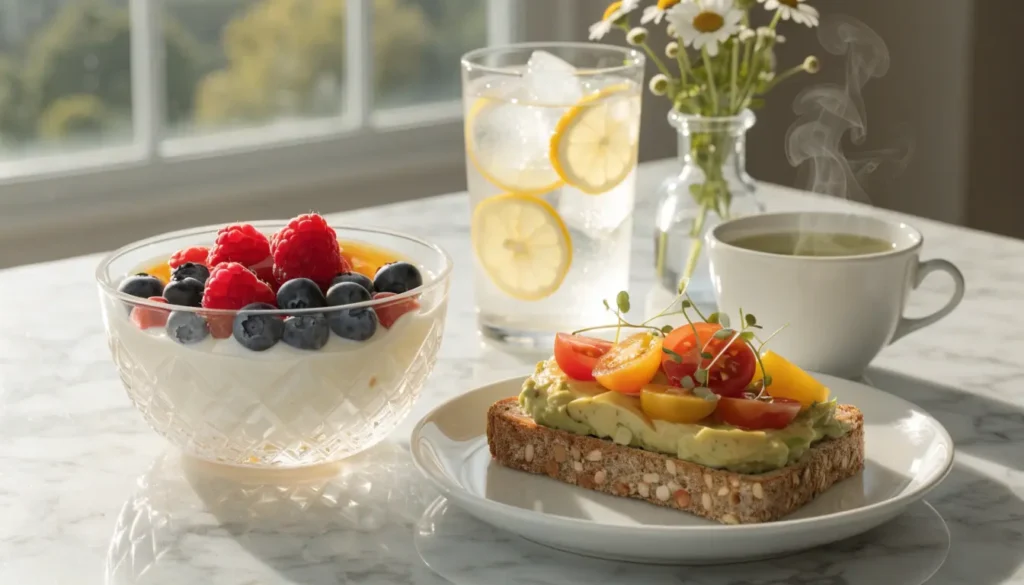
Mornings set the tone for your entire eating day. These breakfast options keep you satisfied until lunch without weighing you down.
The Cloud Zucchini and Feta Frittata
Eggs provide the protein foundation that stabilizes your blood sugar and prevents mid-morning energy crashes. Adding zucchini dramatically increases the portion size without piling on calories.
Start by grating one medium zucchini using that box grater we discussed. Sprinkle it lightly with salt and let it rest in a colander for ten minutes. You’ll notice water beading on the surface—that’s excess moisture saying goodbye. Wrap the grated zucchini in your kitchen towel and twist firmly over the sink. The amount of green-tinted water that releases might shock you, but your future frittata will thank you.
Whisk six eggs with a quarter cup of milk, add the squeezed zucchini, two ounces of crumbled feta, and fresh dill if you have it. Pour into an oven-safe skillet and cook on the stovetop until the edges set, then transfer to a broiler for two to three minutes until the top browns and puffs.
The feta delivers salty intensity with fewer calories than aged cheeses, and the zucchini creates those fluffy, cloud-like pockets that make every bite interesting.
Clean-Eating Zucchini Breakfast Muffins
Traditional muffins rank among breakfast’s biggest calorie traps. One coffee shop muffin can pack 500 calories and more sugar than a candy bar. These versions flip that equation completely.
Combine one and a half cups of almond flour with baking powder, cinnamon, and a pinch of salt. In a separate bowl, mix one cup of finely shredded and thoroughly squeezed zucchini, two eggs, a quarter cup of honey or maple syrup, and a teaspoon of vanilla. Fold everything together gently—overmixing makes muffins tough.
Divide the batter into a muffin tin and bake at 350 degrees for about twenty minutes. What emerges are tender, moist muffins that taste indulgent but deliver fiber, protein, and actual nutrients. Swapping butter for zucchini puree in baking saves roughly 100 calories per serving compared to traditional recipes, and you genuinely cannot taste the vegetable.
Lunch Options That Refuel Without Regret
Afternoon slumps often result from heavy lunches that divert blood flow to your digestive system. These lighter options keep you energized and focused.
Classic Zoodles with Avocado Pesto
Replacing traditional pasta with spiralized zucchini saves approximately 200 calories per cup while adding vitamins and hydration. The trick lies in handling those zoodles correctly.
Never boil zucchini noodles. Ever. Heat breaks down their structure, and waterlogged zoodles become unappetizing mush. Instead, heat your sauce separately, then toss the raw zoodles in the warm pan for sixty to ninety seconds. They’ll soften slightly while retaining their pleasant bite.
For the pesto, combine one ripe avocado with a large handful of fresh basil, a clove of garlic, lemon juice, and a tablespoon of olive oil in your food processor. Pulse until smooth, adding small amounts of water if needed for consistency. The avocado creates creaminess that typically requires heavy cream or excessive cheese, but here you’re getting healthy monounsaturated fats that actually support weight management.
Toss the warmed zoodles in this vibrant green sauce and top with cherry tomatoes halved and a sprinkle of pine nuts if you’re feeling fancy. The entire dish comes together in the time it takes to boil water for conventional pasta.
Mediterranean Stuffed Zucchini Boats
This recipe turns zucchini into a vessel for bold Mediterranean flavors while keeping everything light and satisfying.
Halve three medium zucchinis lengthwise and scoop out the seeds with a spoon, creating a canoe-like channel. Don’t discard the scooped flesh—chop it finely and set aside. Brush the hollowed boats with olive oil, season with salt and pepper, and bake for ten minutes while you prepare the filling.
Sauté half a diced onion in a skillet until translucent, add eight ounces of lean ground turkey, and cook until browned. Stir in the reserved chopped zucchini, diced tomatoes, minced garlic, and a generous sprinkle of oregano and cumin. Let this mixture simmer until most liquid evaporates.
Spoon the filling into your pre-baked zucchini boats, top with crumbled feta cheese, and return to the oven for another fifteen minutes. Each boat delivers the satisfaction of a Mediterranean platter while staying under 250 calories. The zucchini softens enough to eat easily but maintains enough structure to hold everything together.
Dinner Recipes That Reinvent Comfort Food
Evening meals often carry emotional weight—they’re when families gather and when you crave something substantial. These dinners deliver comfort without compromise.
Skinny Zucchini Lasagna
Traditional lasagna leaves many people feeling bloated and sluggish thanks to heavy pasta sheets and excessive cheese. This version captures everything wonderful about lasagna while transforming it into something your body handles gracefully.
Using a mandoline or sharp knife, slice three large zucchinis lengthwise into thin strips about an eighth-inch thick. Lay these strips on paper towels, sprinkle lightly with salt, and let them release moisture for fifteen minutes. Pat them dry thoroughly—this step prevents your lasagna from swimming in watery vegetable juice.
For the filling, combine sixteen ounces of part-skim ricotta with one egg, fresh parsley, and a pinch of nutmeg. Brown one pound of lean ground beef or turkey with onion and garlic, then stir in your favorite marinara sauce.
Assembly follows the usual lasagna pattern: spread a thin sauce layer on your baking dish bottom, arrange zucchini strips to cover, dollop ricotta mixture, sprinkle part-skim mozzarella, and repeat. Finish with a final zucchini layer, sauce, and cheese.
Bake covered at 375 degrees for forty minutes, then uncover and bake ten minutes more until bubbly and golden. Let it rest fifteen minutes before slicing—this waiting period proves essential for clean portions. By eliminating pasta sheets, you’ve dramatically reduced carbohydrates while doubling your vegetable intake for the day.
Crispy Baked Zucchini Fries
Potato fries rank among the most requested comfort foods, but their calorie density makes regular indulgence impractical. These zucchini fries scratch that itch for a fraction of the calories.
Cut firm zucchini into fry-shaped sticks about three inches long and half an inch thick. Set up a breading station with three shallow bowls: one with flour seasoned with salt and paprika, one with beaten eggs, and one with a mixture of almond flour or whole wheat panko combined with grated Parmesan cheese and Italian seasoning.
Dredge each zucchini stick first in flour, shaking off excess, then dip in egg, then coat thoroughly with the breadcrumb mixture. Place them on a baking sheet lined with parchment paper, ensuring they don’t touch each other. Spray lightly with olive oil spray.
Bake at 425 degrees for twelve minutes, flip carefully, and bake another ten to twelve minutes until golden brown and crisp. The high heat creates exterior crunch while the interior stays tender.
Consider the numbers here: a medium order of fast-food fries averages 350 calories. An entire batch of these zucchini fries, enough to share or satisfy the hungriest snack attack, runs about 150 calories. You’re eating more food for fewer calories while getting fiber and nutrients instead of empty starch.
One-Pan Lemon Garlic Shrimp and Zucchini
Weeknights demand efficiency. This complete meal comes together in about fifteen minutes with minimal cleanup, making it ideal for those evenings when cooking feels like the last thing you want to do.
Heat a large skillet over medium-high heat with a teaspoon of olive oil. Add one pound of peeled shrimp seasoned with salt and pepper, cooking just until they turn pink and opaque—about two minutes per side. Remove shrimp to a plate.
Add sliced zucchini rounds and minced garlic to the same skillet. The fond left from cooking shrimp adds tremendous flavor to the vegetables. Sauté for three to four minutes until zucchini softens slightly and develops golden spots.
Return shrimp to the pan, add the juice of one lemon and a handful of fresh parsley, and toss everything together for one minute. Serve immediately with lemon wedges on the side. The zucchini absorbs the garlic-lemon-shrimp essence so completely that you won’t miss heavy sauces or complicated preparations.
Snacks and Sides for Between-Meal Satisfaction
Snacking often derails healthy eating plans, but these options work with your goals rather than against them.
Grilled Zucchini with Balsamic Glaze
High-heat grilling caramelizes zucchini’s natural sugars, creating complex flavor without added fat. Slice zucchini lengthwise into half-inch planks, brush lightly with oil, and season with salt and pepper. Grill over medium-high heat for three to four minutes per side until distinct grill marks appear and the squash softens slightly.
Arrange on a platter and drizzle with good balsamic glaze—the thick, syrupy kind that clings to vegetables rather than running off. A sprinkle of flaky sea salt finishes the dish. This preparation tastes so satisfying that you’ll forget you’re eating a vegetable side dish.
Zucchini Hummus
Traditional hummus packs healthy ingredients but also significant calories from tahini and olive oil. Extending it with zucchini maintains the flavor while lowering the calorie density.
Steam one chopped zucchini until very tender, about eight minutes. Drain thoroughly and let cool slightly. Combine in your food processor with one can of drained chickpeas, two tablespoons of tahini, lemon juice, garlic, and cumin. Process until completely smooth, adding small amounts of water or reserved chickpea liquid until the consistency pleases you.
The zucchini adds volume and creaminess without diluting flavor. You’ve essentially created more hummus to enjoy for roughly the same calorie investment. Serve with raw vegetables for dipping, and you’ve built a snack that delivers protein, fiber, and satisfaction.
Refrigerator Zucchini Pickles
Fermented or quick-pickled vegetables satisfy that primal craving for something salty, sour, and crunchy with virtually zero calories.
Slice zucchini into thin rounds or spears and pack them into a clean jar with garlic cloves, fresh dill sprigs, and a pinch of red pepper flakes if you enjoy heat. Heat one cup of vinegar—white or apple cider works—with one cup of water, a tablespoon of salt, and a teaspoon of sugar until dissolved. Pour this brine over the zucchini, covering completely.
Refrigerate for at least 24 hours before eating. These pickles keep for weeks and provide instant access to a crunchy, flavorful snack that won’t derail your progress. When late-night cravings strike, you’ll have something ready that actually helps rather than hurts.
The Golden Rule: Avoiding Soggy Zucchini
One complaint surfaces consistently with low calorie zucchini recipes: everything turns watery and unappetizing. This happens because zucchini contains so much water that cooking releases it directly into your dish unless you take preventive measures.
Salting transforms texture. After cutting zucchini however your recipe requires, toss it with salt and let it rest in a colander for ten to fifteen minutes. You’ll watch water droplets form on the surface—that’s the excess leaving. Rinse briefly if you’re sodium-conscious, then pat dry.
Squeezing proves essential for grated zucchini. Wrap handfuls of shredded squash in your kitchen towel and twist with real force over the sink. The green water that releases might alarm you initially, but your baked goods and fritters will emerge properly textured rather than steaming inside a puddle.
High heat prevents steaming. When sautéing zucchini, ensure your pan is genuinely hot and avoid crowding. Overloaded pans trap steam, which softens zucchini instead of browning it. Work in batches if necessary, giving each piece space to develop golden edges rather than turning gray and limp.
Frequently Asked Questions
Can I freeze dishes made with zucchini?
Cooked applications like lasagna, soups, and casseroles freeze acceptably. The texture shifts slightly upon thawing but remains pleasant in saucy preparations. Raw zucchini and unprepared zoodles don’t freeze well—their cell structure collapses during thawing, producing mush. Prepare zoodles fresh whenever possible for the best experience.
Do I need to peel zucchini for these recipes?
Leave the skin intact. It contains most of the fiber and nutrients, plus it helps vegetables hold their shape during cooking. The thin skin softens sufficiently during cooking that you won’t notice textural issues, and the color adds visual appeal to finished dishes.
How should I store zoodles for maximum freshness?
Keep them unwashed in an airtight container lined with paper towels. The towels absorb excess moisture that would otherwise accelerate spoilage. Properly stored zoodles remain crisp for two to three days. Waiting to wash until just before use also extends their life.
Are these recipes suitable for keto or other low-carb approaches?
Absolutely. Zucchini naturally contains minimal carbohydrates, making it ideal for low-carb lifestyles. Most recipes here require minimal modifications for ketogenic eating—just verify that any added ingredients like flours or sweeteners align with your specific approach.
What causes bitter zucchini, and how can I fix it?
Environmental stress—particularly inconsistent watering or extreme heat—can trigger cucurbitacin production, creating bitterness. Salting zucchini before cooking helps draw out some of these compounds. If bitterness persists despite this treatment, the zucchini likely came from a stressed plant, and you’re better off using it in heavily seasoned dishes where other flavors mask the unpleasant notes.
Your Kitchen Adventure Awaits
Zucchini has transformed from that annoying neighbor-gift vegetable into one of the most versatile tools in your healthy cooking arsenal. Whether you’re twirling zoodles around your fork, biting into a crispy fry with satisfying crunch, or scooping the last bits of zucchini hummus with a bell pepper wedge, you’re discovering that eating well doesn’t require sacrifice.
These recipes give you a starting point, but your kitchen invites experimentation. Try swapping zucchini into your favorite dishes that currently rely on heavy starches. Add extra handfuls to sauces and soups. Grate it into meatloaf and meatballs. The more you work with this humble squash, the more possibilities you’ll discover.
Now it’s your turn. Which of these recipes calls your name most urgently? Have you tried cooking with zucchini in ways that surprised you? Drop your questions and discoveries in the comments below—your experience might spark inspiration for someone else just starting their journey. And if you transform one of these recipes into something uniquely yours, share that too. The best cooking happens when we learn from each other.
Grab a few zucchinis on your next grocery run. Your taste buds and your body will thank you.