You know that moment when you’re scrolling through your food delivery app for the third time this week, and something clicks? For me, it happened on a Tuesday. I’d just polished off a container of something labeled “Thai curry” that tasted suspiciously like coconut cream with a hint of spice. My stomach felt heavy, my energy tanked, and I couldn’t shake the nagging feeling that I’d just spent fifteen dollars on a meal that left me worse off than when I started.
Sound familiar?
Here’s the thing about Asian cuisine that nobody tells you when you’re trying to eat well: the versions you get from restaurants bear almost no resemblance to what people actually cook in their homes across Asia. Those glossy, sauce-heavy dishes? They’re Americanized adaptations designed to please crowds, not nourish bodies. The real magic happens when you strip things back to basics and let the ingredients speak for themselves.
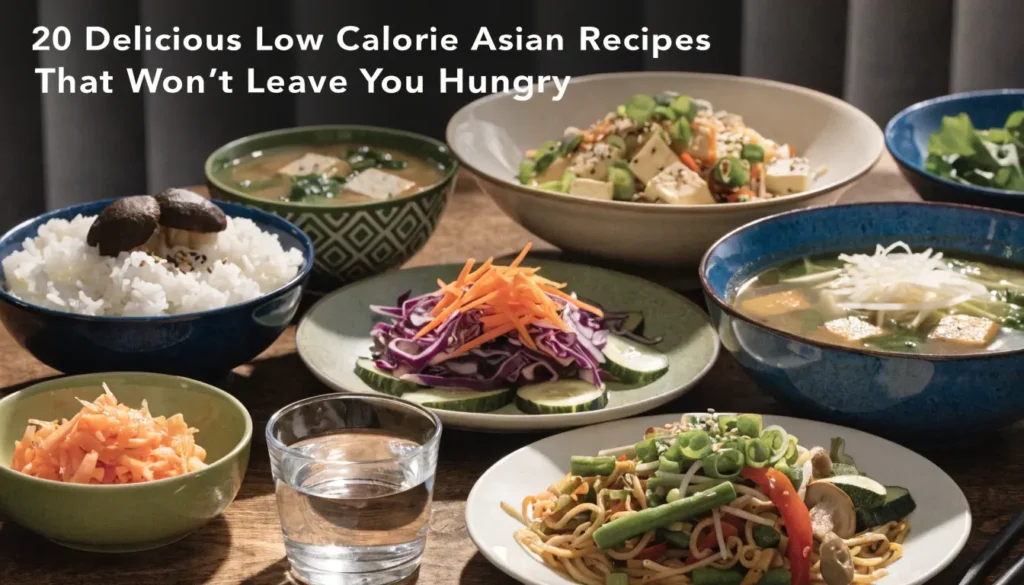
I spent the better part of two years figuring this out through trial and error—burned stir-fries, overseasoned soups, and one particularly memorable incident involving konjac noodles that I’d rather not discuss. But along the way, I stumbled onto something beautiful. Low calorie Asian recipes aren’t about deprivation. They’re about working smarter, not harder, in the kitchen. They’re about understanding that a splash of rice vinegar does more for a dish than a quarter cup of oil ever could.
By the time you finish reading this, you’ll have a complete toolkit for creating Asian-inspired meals that satisfy every craving while keeping your calorie count where you want it. No weird ingredients you’ll never use again. No techniques that require a culinary degree. Just honest food that happens to be good for you.
Why Asian Cuisine Naturally Lends Itself to Low Calorie Cooking
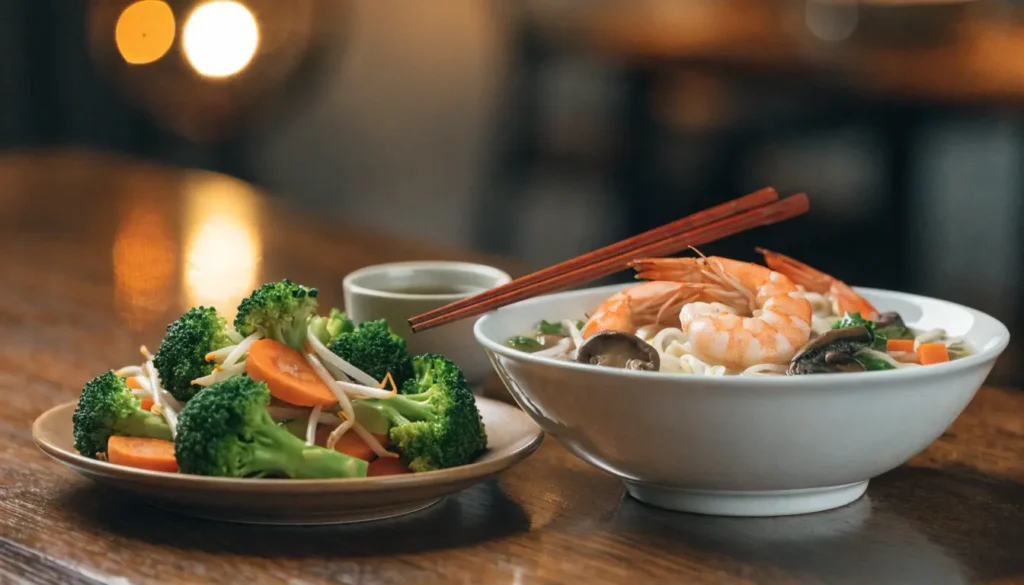
Let’s clear something up right away: traditional Asian cooking wasn’t built around heavy creams, butter, or excessive oils. Those elements crept in later, mostly through Western interpretations designed to appeal to palates accustomed to richness. The original foundations tell a different story entirely.
The Philosophical Foundation of Balance
Walk through any market in Tokyo, Seoul, or Bangkok and you’ll notice something striking. People aren’t loading their baskets with processed convenience foods. They’re selecting precise combinations of vegetables, fermented items, and modest portions of protein. This isn’t accidental—it’s cultural programming that’s been refined over centuries.
The Japanese practice of hara hachi bu translates roughly to “eat until you’re 80% full.” Think about how different your relationship with food would look if you stopped eating when you were no longer hungry, rather than when you were stuffed. That single mental shift changes everything about portion sizes and satisfaction levels.
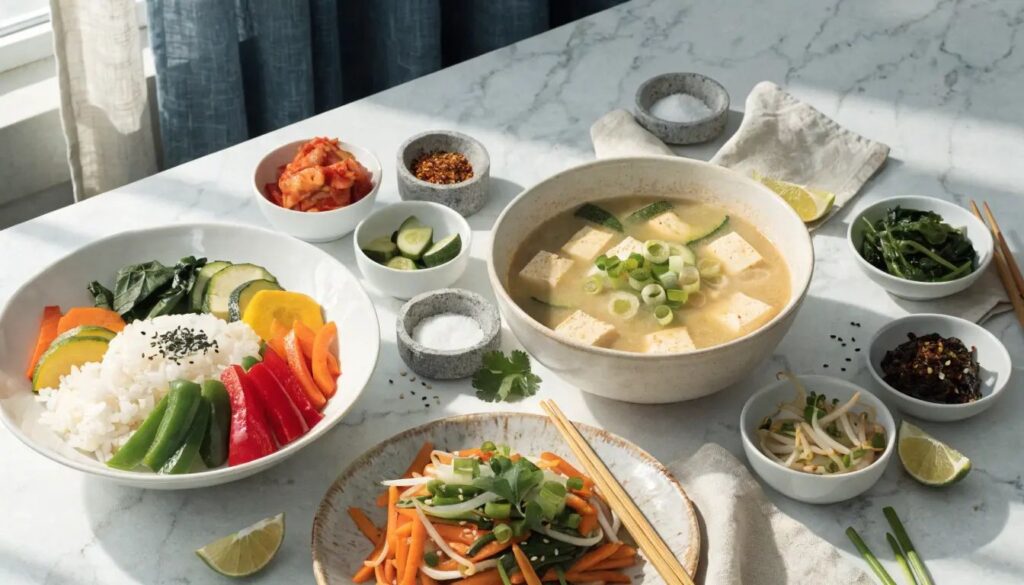
Korean dining incorporates banchan—those endless small dishes of vegetables that accompany every meal. You’re encouraged to eat a variety of foods in small quantities rather than one massive portion of a heavy main dish. This approach naturally limits calorie intake while maximizing nutrient diversity.
Key Ingredients That Keep Calories in Check
Your pantry is about to become your best friend. Here’s what you’ll reach for repeatedly when building low calorie Asian meals:
- Rice vinegar and citrus – These provide acidity that brightens everything they touch. A splash of lime juice on a finished dish creates the illusion of richness without adding a single calorie. Your brain interprets that brightness as satisfaction, even when fat content is minimal.
- Ginger and garlic in ridiculous quantities – Most recipes call for one or two cloves of garlic. Triple it. Seriously. These aromatics add depth that compensates for reduced oil and sugar. Plus, ginger has documented thermogenic properties—your body burns slightly more calories digesting it.
- Fermented pastes and sauces – Miso, gochujang, and fish sauce deliver concentrated umami in tiny portions. A teaspoon of miso contains around 15 calories but provides more flavor complexity than a tablespoon of oil. You’re getting maximum impact for minimum caloric investment.
- Light versus dark soy sauce – This distinction matters more than you think. Dark soy sauce contains molasses and sugar, clocking in at around 15 calories per tablespoon versus light soy sauce at 10 calories. Over a meal, that difference adds up.
The Steaming Advantage
Here’s a statistic that changed how I cook: according to research published in the Journal of Food Science, steaming preserves up to 90% of the antioxidants in vegetables compared to boiling, which can leach up to 50% of these compounds into the cooking water. You’re not just saving calories by avoiding oil—you’re actually getting more nutrition from your ingredients.
Steaming requires zero added fats, maintains texture better than boiling, and works for everything from dumplings to fish to vegetables. A bamboo steamer costs about fifteen dollars and will outlive your nonstick pans by decades.
Essential Pantry Staples for Low Calorie Asian Cooking
Before you cook a single meal, let’s get your kitchen properly equipped. The difference between successful low calorie cooking and frustrating failures often comes down to having the right ingredients on hand when inspiration strikes.
The Flavor Foundation (Under 20 Calories Per Serving)
Shelf-stable items you’ll use constantly:
- Rice wine vinegar – Zero calories, infinite uses. It pickles vegetables instantly, brightens sauces, and cuts through richness when you need balance.
- Low-sodium tamari or coconut aminos – Standard soy sauce contains around 10 calories per tablespoon, but coconut aminos offer a slightly sweeter profile with similar calorie counts. Tamari provides deeper umami if you can tolerate gluten.
- Toasted sesame oil – Here’s where you need discipline. A teaspoon contains 40 calories, but that’s enough to flavor an entire stir-fry for four people. Buy the best quality you can find—it’s so potent that a few drops go further than you’d expect.
- Five-spice powder and white pepper – These spices cost virtually nothing calorie-wise but transform simple dishes into something complex. White pepper provides the distinctive heat you recognize from hot and sour soup without the visual distraction of black specks.
Refrigerated heroes that do heavy lifting:
- Fresh ginger and garlic – Keep ginger in your freezer wrapped in paper towel; it grates easily while frozen and never goes bad. Garlic stored at room temperature works fine, but pre-minced jars save time if you cook frequently.
- Miso paste – A tablespoon contains around 35 calories, but you’ll dilute it in broth or sauces. The fermented flavor compensates for reduced salt and fat elsewhere in your cooking.
- Sambal oelek or sriracha – Chili pastes add heat with minimal calories. Read labels carefully—some brands add sugar. The purest versions contain just chilies, vinegar, and salt.
Noodle and Grain Swaps That Save Hundreds of Calories
Let’s talk numbers, because this is where most people unknowingly sabotage their efforts. A standard serving of restaurant pad thai contains around 1,000 calories, and noodles account for most of that. Here’s how to reclaim those calories without feeling deprived:
| Traditional Option | Calories (per cup cooked) | Lighter Swap | Calories Saved |
|---|---|---|---|
| White rice | 205 | Cauliflower rice | 175 |
| Pad Thai noodles | 320 | Shirataki noodles | 300 |
| Ramen noodles | 435 | Zucchini noodles | 415 |
| Lo mein noodles | 250 | Spaghetti squash | 210 |
Source: USDA FoodData Central
Notice something interesting? The lighter swaps save you hundreds of calories while actually increasing your vegetable intake. You’re not removing food—you’re replacing empty starch with nutrient-dense alternatives. Your stomach still feels full because volume remains similar, but your body processes the calories completely differently.
Breakfast: Light Asian-Inspired Morning Meals
Morning meals set the tone for your entire day. Starting with something that feels satisfying but doesn’t weigh you down creates momentum that carries through lunch and dinner.
Japanese-Inspired Miso Soup with Tofu
You can make this soup in less time than it takes to brew coffee. Traditional dashi broth combines kombu (dried kelp) and bonito flakes (dried fish) in water that’s never allowed to boil. The result tastes briny and deeply savory without a drop of fat.
Here’s the method:
- Soak a 4-inch piece of kombu in 4 cups water for 30 minutes (or skip to step 2 if you’re rushed)
- Bring water with kombu to just below boiling, then remove kelp
- Add a handful of bonito flakes, turn off heat, let steep 5 minutes
- Strain broth, return to pot, whisk in 3 tablespoons miso paste
- Add diced silken tofu and wakame seaweed, heat through without boiling
The entire bowl costs you around 85 calories. You get protein from tofu, iodine from seaweed, and enough warmth to feel genuinely nourished. Green onions on top add freshness and zero meaningful calories.
Chinese Steamed Egg Custard (Zheng Shui Dan)
This technique produces eggs with the texture of silken pudding—rich without any cream whatsoever. The secret lies in gentle cooking and proper liquid ratio.
Beat three eggs with 1.5 cups low-sodium chicken broth until completely homogeneous. Strain through a fine-mesh sieve into heatproof bowls (this removes the protein strands that create tough texture). Cover each bowl with foil and steam over gently simmering water for 12-15 minutes.
The eggs set into a custard that trembles slightly when you shake the bowl. Top with a few drops of light soy sauce, scallions, and maybe a sprinkle of white pepper. At 110 calories per serving, you’ve got a protein-packed breakfast that keeps you full until lunch.
Korean-Style Rice Bowl Lite
Traditional bibimbap can clock in at 600+ calories thanks to generous sesame oil and white rice portions. Your lighter version keeps the soul while shedding the weight.
Start with half a cup of cooked brown rice mixed with half a cup riced cauliflower. Top with seasoned spinach (blanched then tossed with garlic and minimal sesame oil), bean sprouts, and shredded carrots. Add a soft-boiled egg—the runny yolk creates sauce without requiring actual sauce. For heat, mix gochujang with rice vinegar until thin enough to drizzle.
The vegetables provide bulk, the egg provides richness, and the reduced rice keeps calories around 275 for a bowl that would satisfy anyone.
Lunch: Satisfying Soups, Salads, and Rolls
Midday meals need to hit that sweet spot between light enough to avoid afternoon slumps and substantial enough to prevent 3 PM snack attacks.
Vietnamese Summer Rolls with Peanut-Free Dip
Summer rolls get a bad reputation because people drown them in heavy peanut-hoisin sauce. Skip that entirely and discover how bright these rolls actually taste.
Rice paper wrappers cost 35-40 calories each. Fill them with cooked shrimp (about 60 calories for 3 ounces), plenty of fresh herbs—mint, cilantro, Thai basil if you can find it—plus lettuce and cucumber for crunch. The key lies in not overstuffing; thin, even layers roll more easily and taste better.
For dipping, mix together:
- 3 tablespoons fish sauce
- 2 tablespoons lime juice
- 1 clove garlic, minced
- 1 Thai chili, sliced
- 1 teaspoon monk fruit sweetener or a pinch of sugar
This sauce contains about 15 calories per tablespoon and tastes brighter than anything from a bottle. Your summer rolls clock in around 200 calories for four pieces, which constitutes a generous lunch portion.
Thai Larb Gai (Chicken Salad)
Larb exemplifies everything right about low calorie cooking. It’s essentially warm chicken salad dressed with lime juice and fish sauce, loaded with herbs, and designed to be eaten with lettuce leaves.
Cook ground chicken breast in a nonstick pan with minimal oil—just enough to prevent sticking. Once cooked through, remove from heat and toss with:
- Juice of two limes
- 2 tablespoons fish sauce
- 1 tablespoon toasted rice powder (grind raw rice in a spice grinder then toast in dry pan)
- Chopped mint, cilantro, and red onion
- Sliced Thai chilies to taste
Serve with lettuce cups instead of sticky rice. The herbs provide freshness, the toasted rice powder adds nutty complexity without calories, and the entire generous portion runs about 220 calories. You’ll feel satisfied but not sluggish afterward.
Hot and Sour Soup (Chinese Restaurant Style)
Restaurant versions often thicken this soup with cornstarch and add significant oil for richness. Your homemade version tastes cleaner while maintaining the signature heat and tang.
Bring 6 cups low-sodium chicken broth to a simmer with sliced shiitake mushrooms, bamboo shoots, and firm tofu strips. Season with rice vinegar (start with 1/4 cup and adjust up), white pepper (be generous—it should make you sneeze a little), and light soy sauce. Thicken slightly with cornstarch slurry if desired—one tablespoon cornstarch mixed with two tablespoons water.
Slowly drizzle in two beaten eggs while stirring the soup in a circular motion. The eggs form delicate ribbons that add protein without cream. A bowl contains around 90 calories, compared to 300+ for cream-based soups. Keep a batch in your fridge for quick lunches all week.
Dinner: Low Calorie Asian Recipes That Feel Indulgent
Evening meals need to satisfy deeper cravings. These recipes deliver restaurant-quality flavor with home-cooked calorie counts.
Vegetable Stir-Fry with Ginger and Garlic
Stir-fry technique matters more than any ingredient list. Follow this formula and you’ll produce consistently excellent results without recipe dependence.
The Stir-Fry Formula for Under 300 Calories
- Heat your pan until nearly smoking, then add exactly one teaspoon of oil. Swirl to coat.
- Add aromatics first: minced garlic, grated ginger, white parts of scallions. Stir constantly for 30 seconds.
- Add hearty vegetables that need longer cooking: broccoli florets, sliced carrots, snap peas. Cook 2-3 minutes.
- Add quick-cooking vegetables: bok choy, mushrooms, bean sprouts. Cook 1-2 minutes.
- Push everything to the side, add your sauce to the empty space, let it bubble and thicken.
- Toss everything together, add protein if using, finish with scallion greens.
For sauce, combine 2 tablespoons low-sodium soy sauce, 1 tablespoon rice vinegar, 1 teaspoon sesame oil, and chili paste to taste. This creates deeply flavored vegetables without drowning them.
Common Mistakes That Add Hidden Calories
- Bottled stir-fry sauces contain corn syrup and preservatives. Making your own takes two minutes.
- “Just a drizzle” of oil from the bottle typically adds 100+ calories. Measure one teaspoon and commit.
- Adding nuts for crunch without measuring. Portion them out—a tablespoon of crushed peanuts adds flavor without derailing your meal.
Healthy Chicken Teriyaki (No Bottled Sauce)
Bottled teriyaki sauce exists primarily to sell you sugar and preservatives. Homemade version tastes better and contains a fraction of the calories.
For the sauce:
- 1/2 cup low-sodium soy sauce
- 1/4 cup mirin (sweet rice wine)
- 2 tablespoons sake or dry white wine
- 1 tablespoon brown sugar or equivalent sweetener
- 1 teaspoon grated ginger
- 1 clove garlic, minced
Simmer until slightly reduced, then thicken with cornstarch slurry if desired. This makes enough for four servings at about 40 calories per serving versus 150+ for bottled versions.
Grill or pan-sear 4-ounce chicken breast portions with minimal oil. Slice and serve over broccoli and carrots with sauce drizzled on top. The vegetables bulk up the plate while the sauce provides the sticky-sweet satisfaction you crave.
Sashimi Bowl with Cauliflower Rice
Sometimes the best cooking requires no cooking at all. This bowl comes together in minutes and feels like a splurge while remaining incredibly light.
Start with a base of cauliflower rice (raw or lightly steamed). Arrange assorted sashimi-grade fish—salmon, tuna, yellowtail work well—in pleasing sections. Add cucumber slices, a measured portion of avocado (about 1/4 of a fruit), and seaweed salad if you enjoy it.
Serve with pickled ginger, wasabi, and coconut aminos for dipping. The fish provides lean protein and omega-3s, the vegetables add freshness and crunch, and the absence of rice keeps calories around 350 for a generous bowl. This makes an impressive dinner for guests who’ll never guess how light it actually is.
Low Calorie Asian Noodle and Rice Dishes
Noodle cravings hit hard and don’t quit. These recipes satisfy them completely while keeping your calorie count reasonable.
Shirataki Noodle Pad Thai
Shirataki noodles scare people initially, and I understand why. They come packaged in liquid that smells faintly of… well, it’s not great. But properly prepared, these noodles become a vehicle for all the flavors you love without the starch crash afterward.
Why These Noodles Are a Game-Changer
Made from konjac yam, shirataki noodles consist primarily of water and glucomannan fiber. An entire package contains around 15 calories versus 400+ for rice noodles. The fiber feeds your gut bacteria and promotes satiety without being digested for calories.
Proper preparation makes all the difference:
- Rinse noodles thoroughly under cold water for two minutes
- Boil for 2-3 minutes, then drain well
- Dry-fry in a hot nonstick pan for 5-8 minutes until they squeak against the pan
- Remove from pan, then proceed with your stir-fry
Building Authentic Flavor Without Calories
For pad Thai sauce, combine:
- 2 tablespoons tamarind paste (provides signature sourness at 15 calories)
- 1 tablespoon fish sauce
- 1 tablespoon rice vinegar
- 1 teaspoon palm sugar or sweetener of choice
- Chili powder to taste
Stir-fry shrimp or tofu with garlic, add beaten egg and scramble, then add your prepared noodles and sauce. Toss with bean sprouts and scallions. Top with a measured teaspoon of crushed peanuts per serving. The entire generous portion runs under 250 calories.
Cauliflower Fried Rice Three Ways
Cauliflower rice has graduated from trend to staple for good reason. It takes on whatever flavors you add while providing vegetable nutrition instead of empty starch.
Base Recipe
- Pulse cauliflower florets in food processor until rice-sized (don’t overprocess into mush)
- Heat pan with 1 teaspoon oil, add garlic and ginger
- Add cauliflower rice, stir-fry 3-4 minutes until tender but not soggy
- Push to side, scramble one egg in same pan
- Add frozen peas and carrots, green onions, and soy sauce to taste
Variations (All Under 250 Calories)
- Thai-style: Add Thai basil, sliced chili, and squeeze of lime at the end
- Kimchi fried rice: Add chopped kimchi and a dab of gochujang with the vegetables
- Pineapple fried rice: Add fresh pineapple chunks and a few measured cashews
The beauty lies in customization. Whatever vegetables need using go into the pan. Whatever protein you have becomes the centerpiece. The cauliflower provides structure without dictating flavor.
Lightened-Up Asian Desserts
Yes, you can end your meal on a sweet note without undoing all your good work. These desserts satisfy cravings while keeping portions reasonable.
Mango Sticky Rice (Deconstructed)
Traditional mango sticky rice packs 400+ calories from glutinous rice soaked in coconut cream. Your version captures the same flavors through smarter assembly.
Start with fresh, perfectly ripe mango—the quality matters tremendously here. Prepare just 2 tablespoons of sweet sticky rice per serving (soak glutinous rice, steam, then lightly sweeten). For the sauce, dilute light coconut milk with water until pourable, sweeten minimally, and thicken slightly with a cornstarch slurry if desired.
Assemble by placing mango slices alongside the small rice portion, drizzle with sauce, and sprinkle with toasted sesame seeds. You experience all the textural contrast and tropical flavors at under 150 calories.
Matcha Chia Seed Pudding
Chia pudding has become ubiquitous for good reason—it’s easy, nutritious, and endlessly customizable. The matcha version adds antioxidants and a subtle bitterness that balances sweetness.
Whisk together:
- 1 cup unsweetened almond milk
- 3 tablespoons chia seeds
- 1 teaspoon matcha powder (culinary grade works fine)
- Sweetener to taste (maple syrup, honey, or monk fruit)
Refrigerate overnight, stirring once after 30 minutes to prevent clumping. Top with fresh berries before serving. Each serving contains around 120 calories plus fiber and omega-3s from chia seeds.
Fresh Lychee and Mint “Sorbet”
This technique produces something that tastes like splurging but contains almost nothing but fruit.
Drain canned lychees packed in juice (not syrup), rinse well, and freeze on a parchment-lined tray. Once frozen solid, blend with fresh mint leaves and a squeeze of lime until smooth. The natural pectin in lychees creates creamy texture without any dairy or added sugar.
A half-cup serving contains about 80 calories. The flavor tastes intensely tropical, and the texture rivals any store-bought sorbet.
Meal Prep Tips for Low Calorie Asian Cooking
Consistency separates those who dabble in healthy eating from those who make it sustainable. These strategies keep you prepared without turning your kitchen into a meal prep factory.
Weekly Prep Checklist
Sunday afternoon investment (about 90 minutes):
- Cook a batch of brown rice or prepare cauliflower rice (keep separate)
- Make quick-pickled vegetables: slice cucumber, daikon, or carrots, pack in jars with rice vinegar, water, salt, and optional chili
- Prepare two versatile sauces: ginger-sesame dressing and chili-lime fish sauce
- Wash and portion all vegetables into containers lined with paper towels
Daily five-minute tasks:
- Quick-steam fresh vegetables in microwave with a splash of water
- Portion proteins into 4-ounce servings before cooking (this prevents overeating)
- Check herb supply and refresh as needed
Storage Solutions That Preserve Flavor
- Store sauces separately from proteins and vegetables to prevent sogginess
- Keep herbs in containers lined with damp paper towels, changing paper every few days
- Pre-portion rice into single servings wrapped in plastic or in small containers
- Label everything with dates using masking tape and marker—trust me, you won’t remember later
The goal isn’t perfection. It’s removing barriers between you and a good meal. When your vegetables are already washed and your sauce is already mixed, choosing the healthy option becomes easier than ordering takeout.
Frequently Asked Questions About Low Calorie Asian Recipes
Can I make low calorie Asian recipes if I’m gluten-free?
You absolutely can. Most Asian dishes adapt with simple substitutions. Replace soy sauce with tamari or coconut aminos (both gluten-free). Check that your rice vinegar doesn’t contain “seasoned” varieties that sometimes include wheat. Rice noodles, glass noodles, and shirataki noodles all work perfectly. Many Thai and Vietnamese recipes rely on fish sauce and rice rather than wheat products, making them naturally gluten-free or requiring minimal adjustment.
What are the best low calorie Asian recipes for beginners?
Start with the vegetable stir-fry formula—it forgives mistakes and adapts to whatever you have available. Summer rolls require zero cooking, just assembly practice. Miso soup comes together in ten minutes. Save ramen and curry dishes until you’ve built confidence with lighter techniques, as they require more precision to taste satisfying without traditional richness.
How do I keep these recipes authentic while reducing calories?
Authenticity lives in balance, not specific ingredients. Traditional Asian cooking emphasizes harmony between flavors—sour, salty, sweet, spicy, and umami working together. Use real tamarind, fish sauce, and fermented pastes. Reduce oil and sugar deliberately while amplifying aromatics. Your palate will adjust within two weeks, and you’ll start noticing how heavy restaurant versions actually taste.
Are frozen vegetables acceptable for low calorie Asian recipes?
Frozen vegetables often outperform fresh produce that’s traveled long distances. Flash-freezing preserves vitamins at their peak, and frozen vegetables require no prep work. Add them directly to stir-fries frozen, extending cooking time by about a minute. This convenience makes healthy eating sustainable when you’re tired or rushed.
What’s the biggest mistake people make with low calorie Asian recipes?
Under-seasoning consistently tops the list. When you remove fat and sugar, you must amplify other flavors. Use more garlic, ginger, herbs, and acid than recipes call for. Don’t skip fish sauce in Thai dishes—a tiny amount provides depth that salt cannot replicate. Taste as you cook and adjust aggressively. Bland diet food comes from timid seasoning, not reduced calories.
Your Journey to Lighter, Flavorful Eating Starts Tonight
Here’s what I’ve learned after years of experimenting in my kitchen: the barrier between you and satisfying low calorie Asian cooking isn’t skill or time or access to ingredients. It’s the belief that “light” food can’t taste as good as the versions you’re used to.
That belief is wrong, and you’re about to prove it to yourself.
Start with one recipe this week. Maybe the summer rolls with that bright dipping sauce that costs pennies to make. Or the cauliflower fried rice that surprises everyone who tries it, including you. Build your pantry slowly, one ingredient at a time. Before long, you’ll have a repertoire of dishes that prove healthy eating isn’t about subtraction—it’s about discovery.
The flavors of Asia developed over centuries through people who understood that food should energize, not exhaust. Those traditions belong in your kitchen, adapted to your life and your goals. The recipes you’ve just read represent thousands of tiny adjustments learned through trial and error, so you don’t have to make the same mistakes I did.
Which recipe calls to you most? Maybe the larb with its explosion of herbs, or the teriyaki that beats anything from a bottle. Whatever catches your interest, make it this week. Taste the difference for yourself. Then come back and tell me about it.
Drop a comment below and let me know which recipe you tried first—I read every single one and would love to hear about your kitchen adventures. And if you’ve got a favorite light Asian dish that didn’t make this list, share it with the rest of us. We’re all learning together here.