You know that moment. You’re standing in the grocery aisle, probably hungry, definitely tired, and you just want a damn sandwich. Your hand reaches for that familiar jar—the one with the smiling logo you grew up with—and then it happens. That pause. That little flicker of doubt in the back of your mind. You pull your hand back, pick up the jar, and start scanning the label like you’re deciphering ancient hieroglyphics.
I’ve been there. More times than I can count.
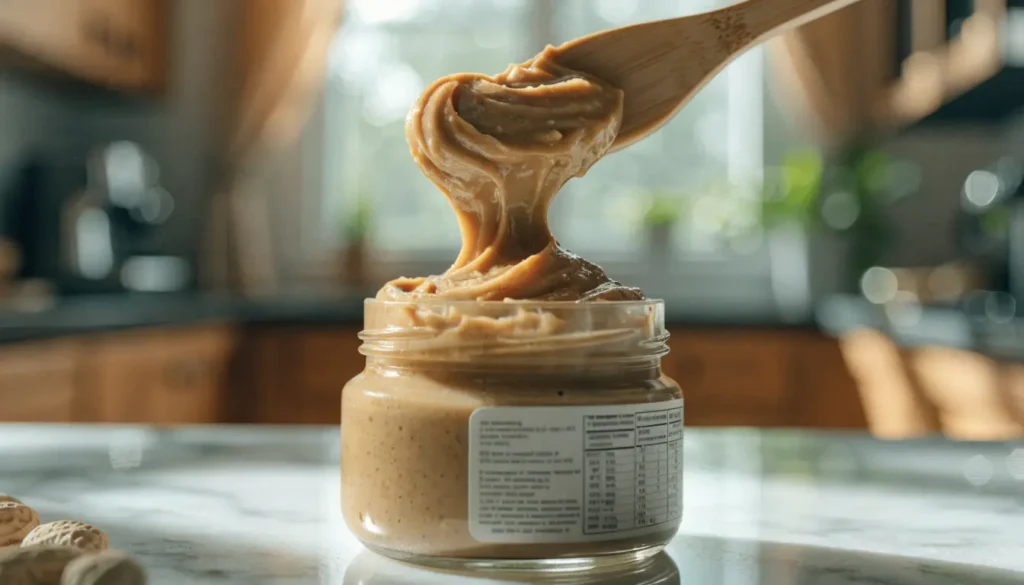
There’s something about peanut butter that feels like home. It’s the taste of childhood lunches, of after-school snacks, of late-night study sessions. When you’re living gluten-free, those comfort foods become landmines. What should be simple turns complicated. What should be safe feels risky.
So let’s cut through the confusion right now. Is peanut butter gluten free?
The answer isn’t quite as straightforward as you’d hope, but once you understand what you’re looking for, you’ll never have to stand in that aisle feeling anxious again.
The Simple Answer: Is Natural Peanut Butter Gluten Free?
Let’s start with the basics, because sometimes we overcomplicate things when the foundation is actually pretty solid.
The “Single Ingredient” Rule
Here’s the truth you can hold onto: peanuts themselves contain zero gluten. None. Nada. They’re just little legumes that grow underground, minding their own business, completely free from wheat, barley, and rye.
If you take peanuts, grind them up, and put them in a jar, what you’ve got is naturally gluten-free peanut butter. Period.
This is why so many people assume all peanut butter is safe. And technically, they’re right about the ingredient itself. But here’s where it gets tricky—most of us aren’t grinding our own peanuts at home. We’re buying products made by companies that manufacture dozens of other foods, some of which definitely contain gluten.
What “Naturally Gluten-Free” Really Means
You’ve probably seen that phrase on packages: “naturally gluten-free.” It sounds reassuring, doesn’t it? But here’s what you need to understand about that term.
When the FDA says a food can be labeled “gluten-free,” they mean it contains less than 20 parts per million of gluten. That’s the threshold—below that amount, most people with celiac disease won’t react. But here’s the thing: “naturally gluten-free” isn’t the same as “tested and certified gluten-free.” It just means the ingredients themselves don’t contain gluten. It doesn’t guarantee that somewhere along the production line, your peanuts haven’t rubbed shoulders with wheat flour.
Think of it like this: a glass of water is naturally gluten-free. But if you pour that water into a cup that just held wheat juice, you’re not drinking plain water anymore, are you?
The Hidden Dangers: When Peanut Butter Isn’t Safe
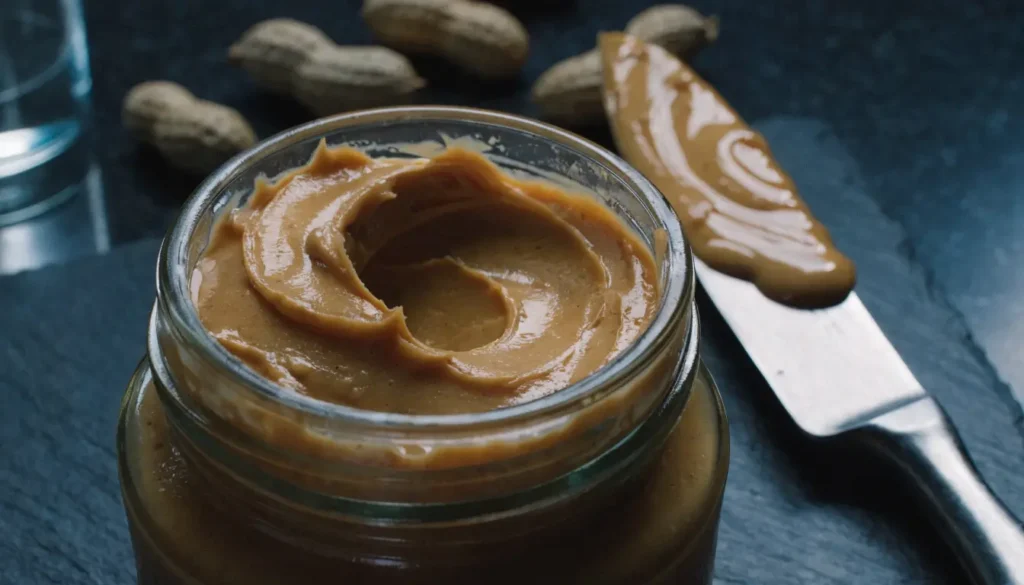
Now we need to talk about the stuff that keeps you up at night. The invisible threats. The things you can’t see but your body will absolutely notice.
Cross-Contamination: The Shared Facility Concern
Remember that anxiety I mentioned earlier? This is where it comes from.
Imagine a factory. On Monday, they’re running wheat crackers through the equipment—thousands of pounds of them. On Tuesday, they flush the lines and switch to peanut butter. They clean everything, sure. But “clean enough” for a manufacturing facility isn’t always “clean enough” for someone with celiac disease or severe gluten sensitivity.
Those microscopic particles of wheat dust? They don’t always come off completely.
This is why you’ll sometimes see statements on jars that say things like “Manufactured in a facility that also processes wheat.” That warning isn’t there by accident. It’s there because the company knows there’s a real risk of trace amounts ending up in your peanut butter.
Where cross-contamination typically happens:
- Manufacturing plants with shared production lines and equipment
- Packaging facilities where products are handled and sorted together
- Bulk bins at health food stores, where scoops get moved between containers
- Warehouses where products are stored in close quarters
- Transportation where trucks carry multiple products without full cleaning between loads
Added Ingredients: The “Flavor” Trap
Here’s another curveball. Some peanut butter manufacturers get creative. They decide plain peanuts aren’t exciting enough, so they start adding things. And some of those added things? They contain gluten.
You’d think it would be obvious—like seeing “wheat flour” on the label. But gluten hides under different names. It’s sneaky. It disguises itself.
Ingredients you should watch out for:
- Malt vinegar or malt flavoring – This one gets people all the time. Malt comes from barley, and barley contains gluten. If you see “malt” anywhere on the label, put the jar back.
- Hydrolyzed wheat protein – Sometimes added to savory peanut butters or “protein-enhanced” versions to boost the nutritional profile. Sounds healthy, right? Not if you’re avoiding gluten.
- Modified food starch – Usually derived from corn in the United States, but occasionally from wheat. If the label doesn’t specify the source, proceed with caution.
- Natural flavors – This is a vague term that can hide almost anything. Most natural flavors are safe, but without certification, you’re taking a gamble.
- Textured vegetable protein – Sometimes added to low-fat or diet peanut butters. Can be wheat-based.
The safest bet? Look for jars with short ingredient lists. “Peanuts, salt.” That’s it. Maybe oil if it’s the natural kind that separates. The fewer ingredients, the fewer places gluten can hide.
Decoding the Label: A Shopper’s Guide to Gluten-Free Peanut Butter
Okay, so you’re in the store. You’ve got your reading glasses on. Let’s walk through exactly what you should be looking for.
The “Certified Gluten-Free” Seal: What It Means
You know those little symbols on packages? The ones with the crossed-out grain or the “GF” inside a circle? They actually mean something important.
When you see a certified gluten-free seal, especially from organizations like the Gluten-Free Certification Organization (GFCO), you’re looking at a product that’s been tested. Not just “we think this is probably safe,” but actually tested by a third party to verify gluten levels are below 10 parts per million—even stricter than the FDA requires.
For someone with celiac disease, this seal is gold. It’s peace of mind you can hold in your hands. For someone with mild sensitivity, it might be less critical, but it’s still the surest bet.
Here’s the thing about certification: it costs manufacturers money. They have to pay for testing, for audits, for the right to use that seal. So when a company bothers to get certified, it usually means they take gluten-free seriously. They’re not just slapping “gluten-free” on the label because they think they can get away with it.
Reading Between the Lines of Ingredient Lists
Not every safe product carries a certification seal. Sometimes you have to be your own detective. Here’s how to do it systematically.
How to scan a label like a pro:
- Start with the “Contains” statement – This is usually at the bottom of the ingredient list, in bold. It will clearly state if the product contains wheat. If you see wheat here, game over.
- Check for voluntary warnings – Look for phrases like “May contain wheat,” “Manufactured in a facility that processes wheat,” or “Shared equipment.” These aren’t required by law, so if a company includes them, they’re trying to warn you about real cross-contamination risks.
- Scan the actual ingredients – Look for those sneaky words: malt, hydrolyzed, starch (unless specified), and any vague “flavors” or “seasonings.”
- Look for the “gluten-free” claim – Even without certification, a “gluten-free” label on a mainstream product means the company is legally responsible for ensuring it meets FDA standards. That’s not nothing.
- Count the ingredients – If you see more than three or four items listed, ask yourself why. What’s all that other stuff doing in your peanut butter?
Popular Brands: Which Ones Make the Cut?
Let’s get practical. You’re not going to stand in the store forever analyzing every jar. You want to know which brands you can trust. Here’s the breakdown.
Widely Available Safe Options
Skippy – Most Skippy varieties now carry a gluten-free label. Their regular creamy, crunchy, and natural versions are generally safe. Just check the specific jar, especially if you’re grabbing one of their flavored options.
Jif – The classic. Most Jif products are labeled gluten-free, including their creamy, crunchy, and natural lines. They’ve done a good job over the years of cleaning up their manufacturing processes. Again, flavored varieties require more scrutiny.
Peter Pan – This is a mixed bag. Some Peter Pan products are gluten-free, but they’ve had more inconsistency in their labeling over the years. If you’re highly sensitive, you might want to stick with brands that have clearer track records.
Justin’s – These are certified gluten-free. The little squeeze packs are perfect for travel, lunches, or just having a safe option when you’re away from home. Their honey peanut butter and maple almond butter are also certified.
Smucker’s Natural – Their natural line is typically labeled gluten-free. It’s just peanuts and a little salt, and it separates like natural peanut butter should. Stir well and enjoy.
Teddie – This brand is a favorite in the gluten-free community. They’re transparent about their practices, and their products are labeled gluten-free. Plus, they’ve been around forever.
The “Natural” vs. “Processed” Debate
You might think natural peanut butter is automatically safer. It’s not that simple.
Natural peanut butter that’s just peanuts and salt is indeed free from gluten-containing ingredients. But here’s the catch: those natural brands are often made in smaller facilities that might also process other things. Some health food stores even grind their own peanut butter on equipment that’s also used for grinding other nuts and seeds—some of which may have been processed with gluten-containing grains.
The safest approach? Look for certification, regardless of whether the peanut butter is natural or commercial. A certified jar of Jif is safer than an uncertified jar of fancy organic natural peanut butter made in a shared facility.
Beyond the Jar: Surprising Ways Gluten Hides in Your PB&J
You’ve found your safe peanut butter. Congratulations. But you’re not done yet, because peanut butter rarely travels alone.
The Bread Issue
This one’s obvious, but it needs saying: your bread needs to be gluten-free. That’s the easy part. The harder part is keeping your safe peanut butter away from that bread.
The Jelly and Jam Risk
Here’s something people don’t think about: jelly. Most jellies and jams are gluten-free—they’re just fruit and sugar, after all. But some commercial varieties use thickeners or are processed in shared facilities. Fruit preserves are generally your safest bet. If you’re buying something fancy with added flavors, check the label.
The “Double-Dip” Danger
This is the real enemy. The family kitchen.
Picture this: your spouse makes a sandwich with regular wheat bread. They use a knife to spread the peanut butter, then dip that same knife back into the jar for more. Crumbs fall in. Gluten transfers. Suddenly, your safe jar of certified peanut butter is contaminated.
It happens all the time. It happens accidentally. It happens because people who don’t live with gluten every day don’t think about these things.
How to protect your peanut butter at home:
- Use squeeze bottles – This is the nuclear option, but it works. Squeeze bottles mean no knives ever enter the jar.
- Establish a “one jar, one knife” rule – Have one jar that’s exclusively for the gluten-free eater. Everyone else uses a different jar.
- Color-code your knives – Use a specific color of knife handle for gluten-free spreads so everyone knows which is which.
- Spread on a plate first – Take out the amount you need and spread it on your bread from the plate, never dipping directly from the jar with bread or a used knife.
Frequently Asked Questions About Peanut Butter and Gluten
Is all peanut butter gluten free?
No, not all peanut butter is gluten-free. While peanuts themselves don’t contain gluten, cross-contamination during manufacturing or added ingredients like malt flavoring can introduce gluten. Always check the label rather than assuming.
Is Jif peanut butter gluten free?
Most Jif peanut butter products are labeled gluten-free, including their creamy, crunchy, and natural varieties. However, you should still check the specific jar you’re buying, as formulations can change and flavored versions may have different ingredients.
Can celiacs eat peanut butter?
Yes, people with celiac disease can eat peanut butter, but they should choose brands that are either certified gluten-free or clearly labeled gluten-free to avoid cross-contamination risks. For those with high sensitivity, certification provides the strongest assurance.
Is peanut butter gluten free in the UK?
Generally yes, plain peanut butter in the UK is typically gluten-free. However, you should avoid products containing barley malt extract or barley malt syrup, which are sometimes used as sweeteners. UK labeling laws require clear allergen declarations, making it easier to identify safe products.
What brands of peanut butter are gluten-free?
Popular gluten-free options in the US include Skippy (most varieties), Jif (most varieties), Justin’s (certified), Smucker’s Natural, Teddie, and Crazy Richard’s. Always verify current labels, as manufacturing practices can change.
Does natural peanut butter contain gluten?
Natural peanut butter made with only peanuts and salt contains no gluten ingredients. However, it may still be at risk for cross-contamination depending on where and how it was processed. Check for gluten-free labeling or certification for complete confidence.
Can cross-contamination happen after I bring peanut butter home?
Absolutely. Shared knives, crumb-filled counters, and double-dipping can all introduce gluten into a previously safe jar. Practice good kitchen hygiene and establish clear rules for your gluten-free foods.
Finding Your Safe Space in a Spread
Here’s what I want you to take away from all of this.
Living gluten-free means becoming a detective. It means reading labels when you’re tired and hungry and just want to eat. It means asking questions in restaurants and explaining yourself to friends and family. It means carrying safe snacks everywhere because you never know when you’ll need them.
But it also means reclaiming the foods you love.
That jar of peanut butter in your hand? It can be safe. It can be the comfort food you remember, the familiar taste of childhood, the simple pleasure of a sandwich made without fear.
You just have to know what to look for.
Look for the certification seals. Read the ingredient lists. Understand the risks of cross-contamination—both in the factory and in your own kitchen. And when you find a brand you trust, stick with it.
The next time you’re standing in that grocery aisle, you won’t feel that familiar knot of anxiety. You’ll know exactly what to look for. You’ll pick up your jar, check the label with confidence, and move on with your day.
And when you get home and make that sandwich—your safe, gluten-free sandwich—you’ll taste more than just peanut butter and jelly. You’ll taste the freedom that comes from knowing you’re in control.
Have you found a brand of peanut butter you trust? Or do you have a story about a close call with gluten contamination? Share your experience in the comments below—your story might help someone else navigate their own gluten-free journey.