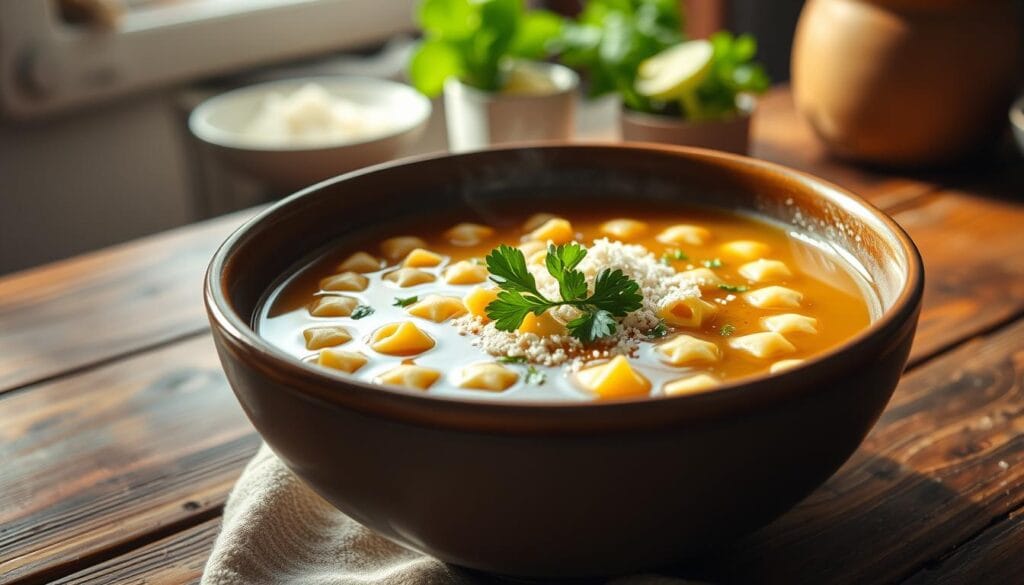
There’s this moment that happens right around late October when the light shifts. You notice it when you’re driving home from work—the sun sits lower, the shadows stretch longer, and suddenly the idea of a cold salad for dinner feels almost insulting. You want something that wraps around you. Something that warms you from the inside out.
I remember standing in my kitchen a few years ago, staring at a box of stock on the counter and a bag of dried beans on the other side. I had about forty-five minutes before I needed to leave for an evening meeting. The kind of soup I was craving—the kind with depth, with broth that tasted like someone spent time on it—felt completely out of reach. I almost reached for the can opener instead.
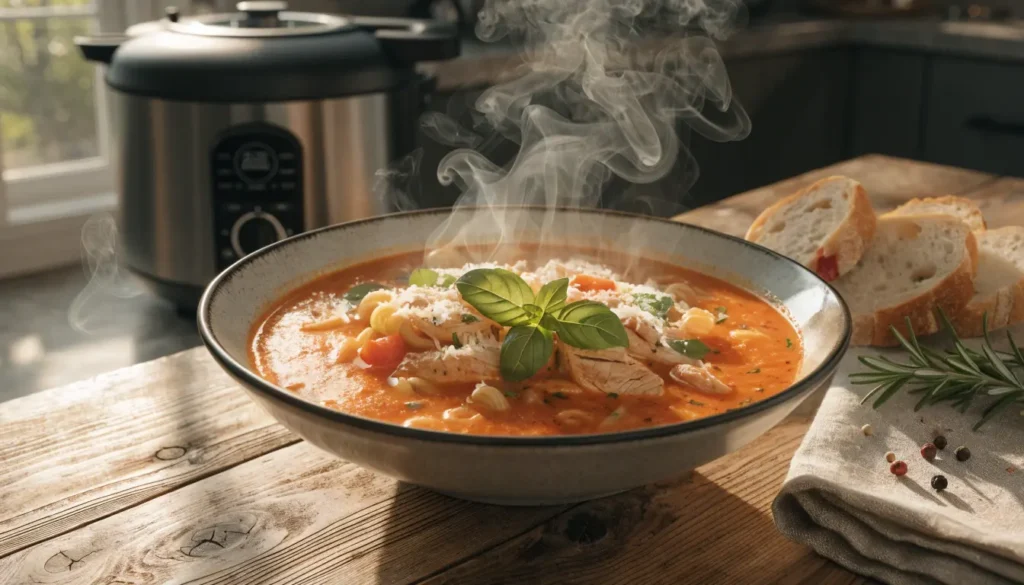
But that dusty Instant Pot sitting in the corner of my counter caught my eye. The one I’d bought during a pandemic-fueled shopping spree and mostly used for hard-boiled eggs. I figured I had nothing to lose.
That night changed how I think about cooking forever.
The soup that came out of that pot tasted like it had been simmering since breakfast. The beans were tender but not falling apart. The broth had this richness that usually requires hours of gentle bubbling. My grandmother, who believed real soup required at least three hours of babysitting, would have called it magic. I call it understanding how pressure changes everything.
If you’ve been craving that same feeling—the comfort of a bowl that warms your hands and your stomach, made on a Tuesday night when you’re already tired—you’re in the right place. Let’s talk about Instant Pot soups and how they can rescue your dinner rotation.
Why the Instant Pot Deserves a Permanent Spot on Your Counter During Soup Season
Here’s the thing about traditional soup making that nobody tells you: it’s kind of a lie. Sure, you can throw ingredients in a pot and let them simmer for hours. But most of us don’t have hours. Most of us have soccer practice, late emails, and a mounting pile of laundry that’s been judging us for three days.
The Instant Pot solves for this in ways that feel almost unfair.
Time compression works differently under pressure. When you seal that lid and lock in steam, you’re essentially forcing flavors to mingle at warp speed. Those connective tissues in a tough cut of beef? They break down in thirty minutes instead of three hours. Dried beans that normally require overnight soaking and afternoon simmering? Ready in under an hour, no pre-soak required.
But speed isn’t actually the best part.
The best part is what happens to flavor inside a sealed environment. On your stovetop, those volatile aromatic compounds—the ones that make your kitchen smell amazing—are literally escaping into the air. That’s why your house smells like soup by dinnertime. In an Instant Pot, those compounds have nowhere to go except back into your ingredients. The result is a depth of flavor that punches way above its weight class.
Then there’s the cleanup math. One pot. That’s it. You sauté in it. You pressure cook in it. You can even blend in it with an immersion blender and serve directly from it. When you’re making soup, the difference between one dirty pot and a sink full of pans is the difference between a relaxed evening and a resentful one.
Building Instant Pot Soups That Actually Taste Like Something

Here’s where most people go wrong with pressure cooker soups. They treat the Instant Pot like a magic box—throw stuff in, press a button, expect magic. And then they’re disappointed when dinner tastes flat.
The machine is smart. But it can’t read your mind.
That Sauté Button Isn’t Optional
I know. You bought an Instant Pot because you wanted to dump ingredients and walk away. I get it completely. But skipping the sauté step is the number one reason Instant Pot soups taste like boiled ingredients instead of crafted meals.
When you take five minutes to sauté onions in butter or oil until they turn translucent and start browning around the edges, you’re doing chemistry. When you let tomato paste cook for a minute until it darkens and sticks slightly to the bottom, you’re concentrating flavor. When you brown meat in batches instead of steaming it, you’re building what chefs call the “fond”—those browned bits stuck to the bottom that contain more flavor than any spice jar in your cabinet.
Here’s the critical move: after you sauté, pour in a splash of broth or wine and scrape that bottom with a wooden spoon. Get every last bit of brown off the metal. If you don’t, your Instant Pot might throw a “burn” warning mid-cook, and you’ll lose all that flavor you worked for.
The Order of Operations Changes Everything
Pressure cooking is different from simmering because everything happens at once. There’s no gentle hierarchy of doneness. That means you have to think strategically about what goes in when.
First layer: the slow stuff. Meat that needs tenderizing, root vegetables that can handle extended heat, dried beans that need to soften. These go in at the beginning, suspended in your liquid.
Second layer: the aromatics that can handle it. Whole garlic cloves, halved onions, bay leaves, hardy herbs like rosemary or thyme. They’ll infuse the broth without disintegrating.
Third layer: the post-pressure additions. This is where most people mess up. Delicate vegetables like zucchini or spinach, pasta that would turn to mush, dairy that would curdle, fresh herbs that would lose their brightness—these all go in after the pressure cooking completes. Use the residual heat or a quick sauté to finish them.
Liquid Math That Actually Matters
Your Instant Pot needs a certain amount of liquid to build pressure. Generally speaking, you need at least one and a half cups of thin liquid—broth, water, wine—in the pot. But here’s the counterintuitive part: because the lid stays sealed, almost none of that liquid evaporates during cooking.
If you’re used to stovetop soups where you start with eight cups of broth and end with six, pressure cooking will feel different. Your soup will come out of pressure with roughly the same volume of liquid it went in with. If that liquid seems thin at the end, hit that sauté button again and let it bubble uncovered for ten to fifteen minutes. That’s where evaporation finally happens, concentrating flavors and thickening texture naturally.
Five Instant Pot Soup Recipes Worth Building Your Week Around
Rather than giving you a laundry list of recipes you’ll never make, let me walk you through five soups that serve different purposes. Each one solves a specific problem you actually have.
Hearty and Healthy: Lentil Soup That Doesn’t Taste Like Punishment
Lentil soup has a reputation problem. People associate it with deprivation, with bland health food that exists only to make you feel virtuous. That’s a shame, because properly made lentil soup is one of the most satisfying things you can eat.
The Instant Pot handles lentils beautifully because you don’t need to soak them first. Brown or green lentils hold their shape under pressure, giving you tender but distinct pieces that add texture to every spoonful. Red lentils break down more, which works if you’re going for a thicker, almost dal-like consistency.
The flavor move: add a Parmesan rind to the pot while it cooks. You know those hard ends of Parmesan you usually throw away? Toss one in. It won’t melt completely, but it will release enough umami to make people ask what your secret ingredient is. Fish it out before serving.
Cream Comfort Without the Curdle: Tomato Basil Soup
Tomato soup from a can served childhood purposes. As an adult, you deserve better. The Instant Pot transforms canned tomatoes into something接近 silky and complex because pressure intensifies their natural sweetness.
Start by sautéing onions in butter until they’re soft. Add a ridiculous amount of fresh garlic—don’t be shy here. Tomato paste goes next, and you let it cook until it darkens slightly and starts sticking. That’s the flavor foundation.
Then add your canned whole tomatoes, breaking them up with your spoon, plus broth and maybe a pinch of sugar if your tomatoes need balancing. Pressure cook for fifteen minutes, release quickly, and grab your immersion blender.
Here’s the dairy trick: blend the soup until smooth, then stir in your cream or coconut milk after blending, off the heat. If you add dairy before blending or before the pressure releases, you risk curdling. Warm cream stirred in at the end gives you velvety texture without the risk.
Beef Stew That Tastes Like Sunday Afternoon
There’s something about beef stew that feels like a hug from the inside. The Instant Pot version delivers that comfort in about an hour instead of all day.
The key here is the meat. Choose chuck roast or another tough cut with good marbling. Cut it into chunks, pat it dry (wet meat won’t brown), and sear it in batches. Don’t crowd the pot—give each piece room to make contact with the hot surface. That browning is where deep flavor lives.
After you’ve browned the meat and sautéed your onions and carrots, deglaze thoroughly. Then add your broth, herbs, and the meat back in. Pressure cook for about thirty-five minutes, let it release naturally for another fifteen, and open the pot to meat so tender it falls apart when you look at it.
Thickening without flour: if you want a thicker broth without the flour taste, mash some of the cooked potatoes against the side of the pot and stir them in. Their starch will thicken things naturally.
Thirty-Minute Chicken Tortilla Soup
This is the recipe that saves takeout nights. From frozen chicken breasts to finished soup in under thirty minutes, with minimal active work.
Start by sautéing onions and peppers in a little oil. Add your spices—cumin, chili powder, smoked paprika—and let them toast for a minute until they smell incredible. Pour in crushed tomatoes and broth, then add your frozen chicken breasts right on top.
Pressure cook for about fifteen minutes, let it release naturally for ten, then open the pot and shred the chicken with two forks right there in the broth. The chicken absorbs the spicy broth as it shreds, giving you flavor in every bite.
The topping situation matters more than you think. Crunchy tortilla strips or chips, diced avocado, a squeeze of lime, maybe some crumbled cotija cheese. These aren’t optional garnishes—they’re textural counterpoints that make the soup sing.
Thai Coconut Curry That Tastes Like Restaurant Quality
This one feels fancy but requires almost no effort. The flavor profile comes from aromatic paste and coconut milk, both of which do heavy lifting for you.
Sauté your curry paste in a little oil until it becomes fragrant—this wakes up the spices. Add chicken or vegetables, broth, and maybe some lemongrass or kaffir lime leaves if you have them. Pressure cook briefly, just until the protein cooks through.
Coconut milk goes in after pressure releases. If you cook coconut milk under pressure, it can separate and look grainy. Stir it in at the end, off the heat, and you’ll get that silky, luxurious texture you’re after. Finish with lime juice and fresh cilantro, and serve over rice.
Small Moves That Make a Big Difference
You can follow a recipe exactly and end up with good soup. These tweaks will move you from good to “you need to write this down for me.”
The pot-in-pot method changes how you think about complete meals. If you want rice or quinoa with your soup, put them in a heat-safe bowl with the appropriate amount of water, place that bowl on a trivet above your soup, and cook everything at once. The rice steams perfectly while your soup pressure cooks below.
Natural release matters for meat. When the cooking cycle finishes, you have a choice: quick release the steam immediately, or let the pressure come down naturally over ten to twenty minutes. For meat-based soups, always choose natural release for at least part of the time. That gradual pressure drop lets muscle fibers relax gradually, resulting in more tender meat. Quick release can shock the meat and make it tough.
Acid at the end brightens everything. Before you serve any soup, especially rich ones, stir in a splash of vinegar or a squeeze of fresh citrus. It doesn’t make the soup taste sour—it just lifts all the heavy flavors and makes them more distinct. Red wine vinegar in beef soup, lime in tortilla soup, lemon in chicken soup. Try it once and you’ll never skip it.
Make it a meal with last-minute additions. Tortellini cooks in about three minutes in simmering broth. Dumplings need about ten. If you want to turn soup into a heartier meal, drop these in after pressure cooking and use the sauté function to simmer until they’re done. You get fresh pasta texture without the mushiness that would happen under pressure.
Common Questions About Instant Pot Soups
Can you really cook soup from frozen ingredients?
Absolutely. This is one of the Instant Pot’s superpowers. Frozen chicken breasts, frozen vegetables, even frozen blocks of stock—all work fine. You’ll need to add about five to ten minutes to your cooking time depending on what you’re using. The pot will take longer to come to pressure because it has to thaw everything first, but it handles the transition automatically.
Why does my Instant Pot keep giving me the burn notice?
The burn warning is frustrating, but it’s trying to protect your dinner. It usually means one of two things. Either you didn’t deglaze properly after sautéing, leaving browned bits that scorched when the pot heated up, or you used a thick liquid (like tomato sauce or coconut milk) that sank to the bottom and burned. The fix: deglaze thoroughly every time, and add dairy or tomato products after pressure cooking when possible.
How do you thicken soup that’s too thin?
Several options exist, and they all work. A cornstarch slurry (one tablespoon cornstarch mixed with two tablespoons cold water) stirred in and simmered will thicken quickly. You can also mash some of the solid ingredients against the pot side—beans and potatoes work especially well for this. Or pull out your immersion blender and puree a cup or two of the soup, then stir it back in. That last method actually improves flavor too, because it releases starch from the vegetables.
What’s the minimum liquid requirement?
For a standard six-quart Instant Pot, you need at least one and a half cups of thin liquid to build pressure safely. That said, if your recipe includes ingredients that release significant water—zucchini, tomatoes, onions, mushrooms—you can sometimes use less added liquid. The pot cares about total liquid in the vessel, not just what you pour in.
Your Soup Season Starts Now
Here’s what I want you to take away from all of this. The Instant Pot didn’t invent soup, and it didn’t invent comfort. What it did was take something that felt reserved for people with more time, more patience, more space in their lives, and made it accessible to the rest of us.
You don’t need to spend your Sunday afternoon hovering over a pot to eat well on Tuesday. You don’t need to choose between convenience and depth, between speed and flavor, between easy and memorable. The technology exists to give you both.
The soups I’ve outlined here are starting points, not rigid formulas. Swap beans based on what’s in your pantry. Use whatever vegetables are languishing in your crisper drawer. Adjust spices up or down based on your mood. The Instant Pot handles flexibility beautifully—it doesn’t care about precision the way baking does.
So dig that machine out of the cabinet if it’s been gathering dust. Or pull up a recipe on your phone and give it a try if you’ve been nervous about pressure cooking. Start with something simple, something you already know you like. Let yourself be surprised by what comes out of that pot.
And when someone asks how you made soup that tastes like it simmered all day when you only started cooking forty minutes ago? Smile. Tell them it’s a secret. Then maybe share it, because good food deserves to be shared.
The weather’s turning. The days are getting shorter. Your kitchen is waiting.