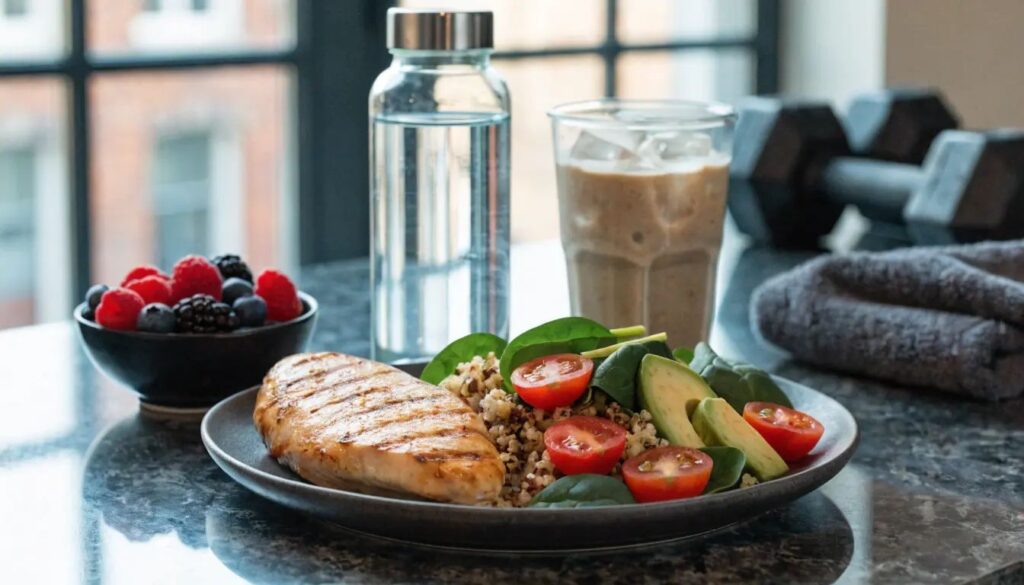
There’s a moment that happens about twenty minutes after you rack the weights or hit stop on your running watch. Your heart rate settles. The flush in your cheeks begins to fade. And then it hits you—that specific kind of tired that tells you you’ve actually done something worthwhile.
For the longest time, I treated that feeling as the finish line. Workout complete. Time to go about my day. I’d stretch, shower, and get back to answering emails, secretly proud of myself for checking that box. But here’s what took me years to understand: that post-workout high is actually just halftime. The real game happens later, in your kitchen, with a fork in your hand.
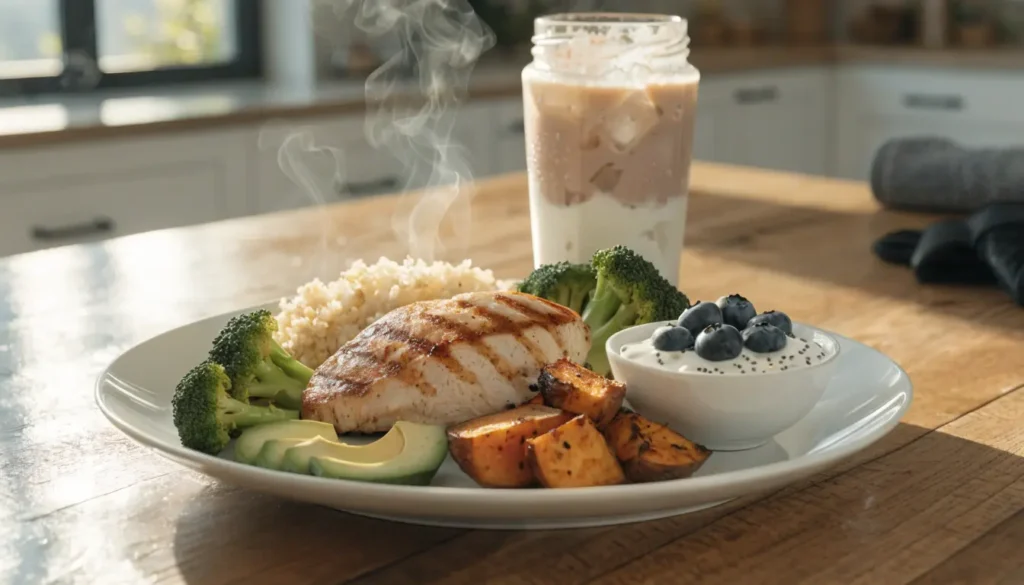
You see, your muscles aren’t built in the gym. They’re built in the hours that follow, when you give your body the raw materials it’s desperately asking for. That rumbling in your stomach isn’t just hunger—it’s a million tiny repair crews signaling for supplies. And what you choose to hand them makes all the difference between spinning your wheels and actually moving forward.
Let’s walk through why that high protein post workout meal matters more than you might think, and exactly how to get it right without turning your life into a meal-prep nightmare.
Why Timing Matters: The Golden Hour of Nutrition
Think of your muscles as a construction site. During your workout, you’ve effectively torn down some walls and created a lot of work that needs doing. Immediately afterward, your body mobilizes all its resources toward cleanup and rebuilding. This is where timing becomes your secret weapon.
For about thirty to sixty minutes after exercise, your muscle cells are unusually receptive to nutrients. Scientists call this the “anabolic window,” though you might prefer the simpler nickname: the golden hour. During this window, two critical things happen when you eat the right foods.
First, your body desperately needs to replenish the glycogen stores you just emptied. Glycogen is basically stored carbohydrates in your muscles, and you’ve burned through a significant chunk of it. Second, the micro-tears in your muscle fibers require amino acids—the building blocks of protein—to begin repairing and growing back stronger.
Here’s what’s fascinating: eating a high protein post workout meal during this window doesn’t just feed your muscles. It actually changes your hormonal environment. Intense exercise raises cortisol, that stress hormone that, when elevated for too long, encourages fat storage and muscle breakdown. Proper nutrition signals your body that the stressful period is over, allowing cortisol to drop and growth hormones to take over.
The research backs this up pretty convincingly. Multiple studies have shown that people who consume protein within two hours of exercise gain significantly more muscle mass over time compared to those who wait longer. We’re talking about a measurable difference in results from the exact same workout routine, just because of when you ate.
Deconstructing the Perfect High Protein Post Workout Meal
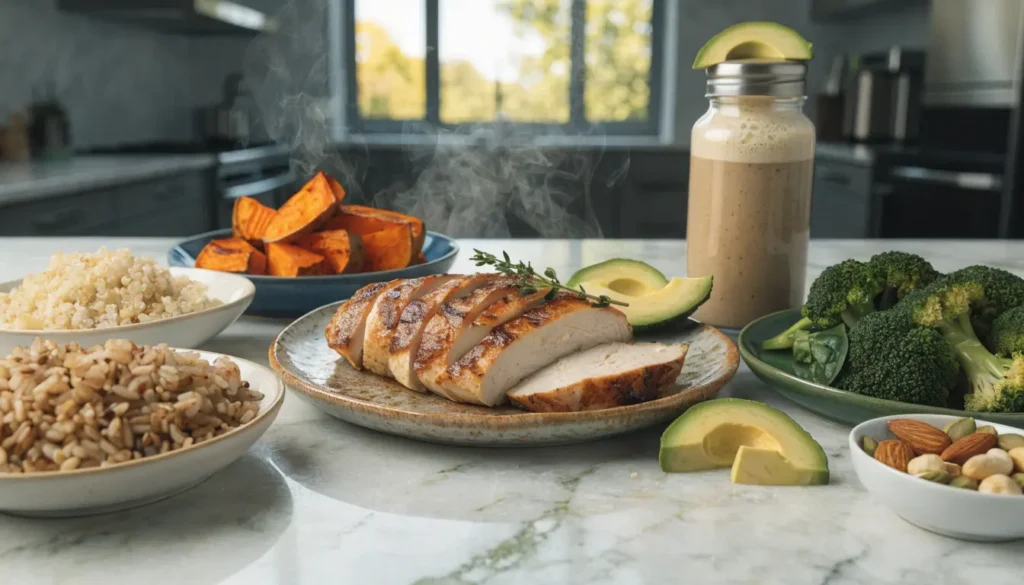
Okay, so you know timing matters. But what actually goes on that plate? Building the ideal recovery meal isn’t complicated, but it does require thinking beyond just “eat some chicken” and calling it a day.
The Protein Foundation
Protein is non-negotiable here. You need it, and you need enough of it. The magic number for most people falls somewhere between twenty and forty grams per meal, depending on how hard you trained and how much muscle you’re carrying.
But not all protein sources are created equal in this context. You’re looking for what nutritionists call “complete proteins”—those containing all nine essential amino acids your body can’t produce on its own. Within that group, pay special attention to leucine. This particular amino acid acts like a master switch, directly triggering muscle protein synthesis. Without enough leucine, your body doesn’t get the full memo that it’s time to build.
Your options here are plentiful:
- Lean meats: Grilled chicken breast, turkey, lean cuts of steak
- Fish: Salmon brings the bonus of omega-3s, which help control inflammation
- Eggs: Particularly the whites, though the yolk contains valuable nutrients too
- Dairy: Greek yogurt is a heavyweight champion here, packing serious protein per serving
- Plant options: Tofu, edamame, lentils, and quinoa (one of the few plant-based complete proteins)
The Carbohydrate Component
Here’s where many people make a crucial mistake. If you’re watching your weight, you might instinctively avoid carbs after a workout. But this is actually the worst time to skip them.
Carbohydrates serve as the delivery system for protein. When you eat carbs, your body releases insulin. And insulin, despite its bad reputation in diet culture, acts like a key that unlocks your muscle cells, allowing amino acids to enter. Without that key, much of the protein you eat gets directed elsewhere instead of going to the muscles that need it.
The type of carbs matters too. Post-workout is one of the few times you actually want faster-digesting carbohydrates. White rice, potatoes, white bread, or fruit like bananas and pineapple work beautifully here. They spike insulin just enough to do their job without causing problems, and they rapidly replenish those depleted glycogen stores.
The Micronutrient Boost
Protein and carbs get all the attention, but the supporting cast matters too. Vitamins and minerals act as coenzymes in thousands of metabolic processes, including muscle recovery.
Magnesium, for instance, helps with muscle relaxation and reducing cramps. Zinc supports protein synthesis. Vitamin C is necessary for collagen production, which repairs connective tissue. Throwing in some colorful vegetables doesn’t just make your plate look better—it ensures these behind-the-scenes workers show up for their shifts.
7 Quick and Delicious High Protein Post Workout Meal Ideas
Knowing what to eat is one thing. Actually making it happen when you’re tired and hungry is another challenge entirely. Here are seven meals that require minimal effort but deliver maximum results.
The Classic Bodybuilder Plate
Six ounces of grilled chicken breast seasoned with whatever spices you have handy. One cup of roasted sweet potatoes, cubed and tossed in olive oil before hitting the oven. A generous portion of steamed broccoli. This is the gold standard for a reason—it works, it tastes good, and it travels well.
The Speedy Recovery Shake
Sometimes chewing feels like too much effort. Drop two scoops of quality protein powder into a blender with one frozen banana, a tablespoon of almond butter, and enough unsweetened almond milk to get the consistency right. Thirty seconds later, you have a complete meal you can drink on the way to your next obligation.
The Breakfast for Dinner Move
Three whole eggs plus one additional egg white, scrambled with a handful of fresh spinach until the greens wilt. Crumble some feta on top and serve with a slice of sourdough toast. Breakfast foods work anytime, and this combination hits every mark you need.
The Tuna Avocado Bowl
One can of tuna packed in water, drained and mixed with half a mashed avocado instead of mayonnaise. Serve it over mixed greens with a scoop of quinoa if you have it ready. The healthy fats from the avocado help reduce the inflammation your workout just created.
The Greek Yogurt Power Parfait
A single-serving container of plain Greek yogurt delivers around twenty grams of protein right out of the gate. Top it with fresh mixed berries and a quarter-cup of low-sugar granola. This works especially well after morning workouts when you want something that feels light but actually satisfies.
The Post-Swim Sushi Fix
Order a brown rice salmon avocado roll and specifically ask for extra salmon. Add a side of edamame for additional protein and fiber. Sushi works surprisingly well here because the vinegared rice digests quickly and the fish provides high-quality protein.
The Vegetarian Power Bowl
One cup of cooked lentils over half a cup of brown rice, topped with roasted vegetables like bell peppers and zucchini. Drizzle with tahini mixed with lemon juice and a little water to thin it out. Lentils don’t get enough credit—they’re packed with protein and fiber, and they’re cheap enough to eat regularly.
Common Mistakes That Sabotage Your Post-Workout Nutrition
Even with good intentions, it’s easy to undermine your own efforts. Here are the traps people fall into most often, along with how to avoid them.
The “I Earned It” Mindset
This one is insidious because it feels so justified. You worked hard. You burned calories. Surely that means you can eat whatever you want, right?
The math doesn’t work that way. A thirty-minute jog might burn two to three hundred calories, depending on your pace and size. A fast-food meal after can easily pack twelve hundred calories. You’re not refueling at that point—you’re overcompensating. The key is viewing your high protein post workout meal as fuel for the next workout, not as a reward for finishing this one.
Ignoring Hydration
Water does more than keep you from feeling thirsty. Protein metabolism actually requires significant amounts of water to process efficiently. If you’re dehydrated, those amino acids you just consumed move through your system more slowly, and some may never reach the muscles that need them.
Think of it this way: you’ve just spent an hour losing water through sweat. Your blood volume has dropped slightly. Eating protein without drinking enough water is like trying to ship packages through a system with clogged roads. Drink consistently throughout the day, and pay special attention to fluid intake around your meals.
Relying Only on Bars and Shakes
Convenience products have their place. A protein bar in your gym bag saves you when you’re stuck in traffic and starving. But making them your primary source of post-workout nutrition means missing out on everything whole foods provide.
Real food contains fiber, which bars often lack. It provides phytonutrients—compounds in plants that reduce inflammation and support health in ways scientists are still discovering. And honestly, eating real food trains your palate to appreciate it, making healthy eating feel less like a chore and more like a normal part of life.
Meal Prep Strategies for the Busy Athlete
Here’s the honest truth: if you’re exhausted after workouts, you won’t cook. You’ll order takeout or eat whatever processed thing requires the least effort. Preparation is the only reliable workaround.
Dedicate a block of time on Sunday. Two hours while you listen to a podcast or catch up on shows. Grill several chicken breasts at once. Hard-boil a dozen eggs. Cook a big batch of quinoa or brown rice. Wash and chop vegetables so they’re ready to grab.
Invest in good containers. Glass ones last longer and don’t stain, but plastic is lighter if you’re carrying meals to work. Either way, having portion-sized containers ready means you can assemble meals in minutes rather than starting from scratch each time.
Cook once, eat twice. When you make dinner, intentionally cook extra. Tonight’s grilled salmon becomes tomorrow’s post-workout salad topping. Tonight’s roasted vegetables show up in tomorrow’s grain bowl. This habit alone cuts your kitchen time in half.
Use your freezer strategically. Soups, chilis, and stews freeze beautifully. Make a big pot on a weekend, portion it out, and freeze most of it. On days when you’re too tired to function, you have homemade food ready in the time it takes to microwave.
Frequently Asked Questions About the High Protein Post Workout Meal
What happens if I don’t eat a high protein post workout meal?
Your body stays in breakdown mode longer than necessary. Without incoming nutrients, it continues pulling from its own stores to fuel basic functions. You’ll likely feel more sore the next day, and over weeks and months, you may struggle to build muscle despite working hard in the gym. It’s like hiring construction workers but never ordering materials—they show up, but nothing gets built.
Can I eat a high protein meal if I work out at night?
Absolutely. Late workouts don’t cancel your body’s need for recovery. Eating protein before bed actually supports overnight muscle repair, since you go several hours without food while sleeping. Just keep portions moderate and avoid extremely spicy or heavy meals that might interfere with sleep quality.
How much protein is too much in one meal?
The old belief that your body can only use thirty grams per meal has been largely debunked. Current research suggests active individuals can effectively utilize forty to fifty grams, particularly after intense training. That said, spreading protein across multiple meals throughout the day tends to work better for most people than loading up all at once. Your body prefers a steady supply.
Is chocolate milk really a good post-workout drink?
Surprisingly, yes. Chocolate milk contains a natural carb-to-protein ratio around four to one, which aligns well with what research recommends for recovery. It provides both fast-digesting whey and slower casein, and it replenishes glycogen effectively. Just be mindful if weight loss is your primary goal—the calories add up, and the sugar content is real.
Do I need a protein shake immediately after working out?
Not necessarily. Whole food works perfectly well if you can eat within a reasonable window. Shakes offer convenience when you’re on the go or when chewing feels unappealing. They’re a tool, not a requirement. Choose based on your circumstances rather than feeling pressured either way.
Conclusion: Consistency Over Perfection
Here’s what I want you to take away from all of this. You don’t need to be a nutrition scientist. You don’t need a kitchen full of fancy equipment or a grocery budget that makes your wallet wince. You just need to show up for yourself consistently—both in the gym and afterward.
The perfect high protein post workout meal isn’t some Instagram-worthy creation with ingredients you can’t pronounce. It’s the meal you actually prepare and eat, the one that fits your life and your schedule and your tastes. Maybe that’s grilled chicken and sweet potatoes. Maybe it’s a tuna sandwich on whole wheat. Maybe it’s Greek yogurt with berries because that’s what you have available.
What matters is the pattern. Eating with intention after your workouts, most of the time, builds results that sporadic perfection never will.
So here’s your call to action: this week, pick one of the meal ideas above and actually make it happen after your next workout. Notice how you feel the next day. Notice your energy levels and your recovery. Pay attention to whether that meal makes a difference in how your body responds to the next training session.
Because once you feel that difference—once you experience what proper fueling actually does for your performance and your progress—you won’t need anyone to convince you. Your own results will do all the talking.
Now go eat something that builds you up. You’ve earned that much.