There’s something almost magical about those weekend mornings when the kitchen slowly fills with the scent of eggs, cheese, and something savory baking in the oven. For years after my own celiac diagnosis, I convinced myself those moments were part of my past. Every time I scrolled past a beautiful breakfast strata photo on social media, that familiar pang of longing would hit. You know the feeling—that sense of being left out of a simple pleasure everyone else seems to enjoy without a second thought.
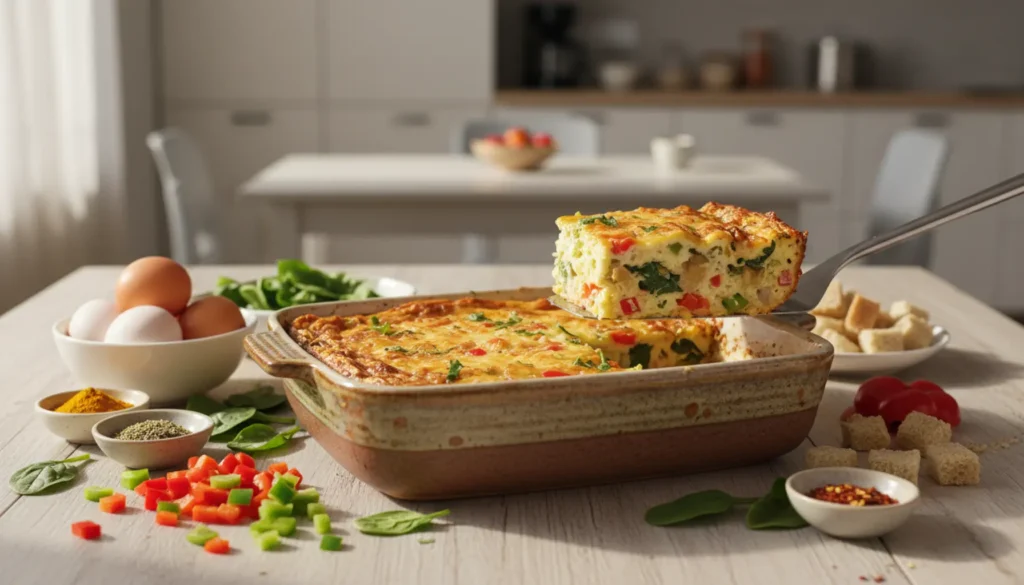
The first time I attempted a gluten-free breakfast casserole, it was honestly a disaster. The bread disintegrated into a weird, gummy paste, and the whole thing had the texture of seasoned wallpaper glue. I almost gave up right there. But here’s what I’ve learned after countless experiments and more than a few kitchen flops: gluten-free breakfast casseroles aren’t just possible—they can actually outperform their wheat-based cousins in flavor and texture when you understand a few basic principles.
This guide walks you through everything I wish someone had told me back then. By the time you finish reading, you’ll have the confidence to throw together a crowd-pleasing breakfast casserole that even your gluten-eating relatives will ask for by name.
Why Choose a Gluten Free Breakfast Casserole?
Let’s be honest about what mornings actually look like in most households. You’re rushing to get kids ready, pack lunches, find matching socks, and somehow still make it out the door on time. Breakfast often becomes an afterthought—a granola bar eaten in the car or a skipped meal altogether.
The Perfect Solution for Meal Prep and Busy Mornings
Here’s where breakfast casseroles change the game entirely. You do the work once, and you eat well for days. Recent time-use studies show the average person spends less than seven minutes on breakfast preparation during weekdays. Seven minutes isn’t enough time to scramble eggs, let alone create something memorable.
A gluten-free breakfast casserole flips that equation. You can assemble everything on Sunday evening while you’re already puttering around the kitchen. Pop it in the fridge overnight, and the next morning, all that stands between you and a hot, satisfying breakfast is about 45 minutes in the oven. During that time, you can shower, help with homework, or honestly just sit with your coffee and breathe for a few minutes before the day takes off.
Holiday mornings deserve special mention here. When you’ve got houseguests sleeping in and everyone eventually wanders to the kitchen at different times, having a casserole ready to pull out of the oven creates this effortless hospitality. You’re not stuck at the stove flipping individual pancakes. You’re actually present, sitting at the table with everyone else.
Safe, Satisfying, and Surprisingly Easy
The beauty of making breakfast casseroles from scratch is the complete control you regain over ingredients. Most packaged breakfast foods hide gluten in unexpected places—sausage links often contain wheat fillers, and those convenient frozen breakfast bowls usually have thickeners you don’t want anyway.
When you build a casserole yourself, you’re working with whole ingredients. Eggs, milk, cheese, vegetables, and carefully selected gluten-free bread. You’re removing processed fillers without even trying. That naturally leads to a more nutrient-dense meal that keeps you full until lunch without the mid-morning energy crash.
Essential Ingredients for the Best Gluten Free Breakfast Casseroles
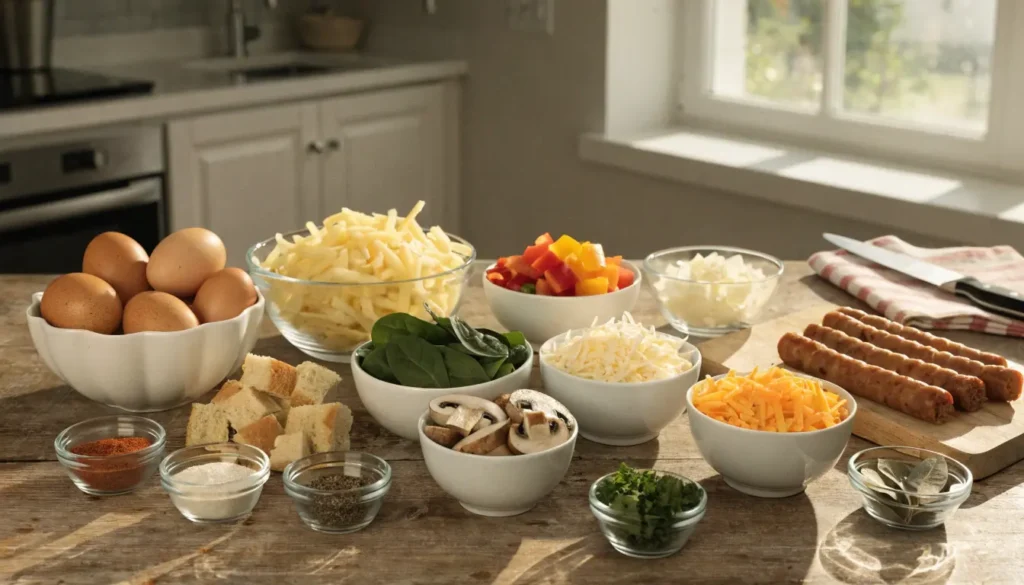
Building a successful gluten-free breakfast casserole starts at the grocery store. The choices you make before you ever turn on the oven determine whether you end up with something memorable or something that gets pushed around the plate.
Choosing the Right Gluten Free Bread
This decision matters more than any other. Walk down the gluten-free bread aisle, and you’ll notice dramatic differences between loaves. Some are light and airy, practically dissolving at the touch. Others have heft and structure that can stand up to a liquid custard bath.
For breakfast casseroles, you want the sturdy ones. Think about what happens to regular bread in a traditional bread pudding or strata. It softens, yes, but it maintains some integrity. The same principle applies here with stricter parameters.
Here’s what works consistently:
- Sturdy sandwich loaves like Schar or Canyon Bakehouse hold their shape remarkably well. They absorb the egg mixture at a steady pace without turning to mush.
- Artisan-style loaves from local bakeries or brands like Three Bakers add a more complex texture with their thicker crusts and denser crumbs.
- Gluten-free sourdough brings a tangy depth that pairs beautifully with savory ingredients like sausage and sharp cheese.
- Day-old bread genuinely works better. Slightly stale bread acts like a sponge, drawing in the custard rather than just sitting in it. If your bread is fresh, try cutting it into cubes and leaving it on a baking sheet for a couple of hours.
For special occasions, consider splurging on gluten-free croissants or bagels. Sliced and cubed, they transform a basic casserole into something that feels genuinely indulgent.
The Custard Base: Eggs and Dairy
The liquid mixture that soaks into your bread determines the final texture more than any other factor. Too little egg, and you’ll have dry, separate cubes of bread. Too much liquid, and you’re eating breakfast soup.
After testing various combinations, a reliable ratio emerged: six large eggs to one and a half cups of milk creates the ideal consistency for a standard nine by thirteen baking dish. This gives you enough custard to saturate the bread fully without leaving pools of unset liquid at the bottom.
If dairy doesn’t work for your system, you have excellent alternatives:
- Unsweetened almond milk works perfectly, though it produces a slightly lighter texture.
- Oat milk creates an almost creamy richness that mimics whole milk beautifully. Just ensure you’re using certified gluten-free oat milk, as regular oats often face cross-contamination.
- Canned coconut milk (the full-fat kind, not the carton) stands in for heavy cream when you want extra richness. It adds a subtle sweetness that works surprisingly well with breakfast flavors.
- Plain unsweetened cashew milk offers the closest neutral flavor profile to dairy milk.
Mix-Ins and Toppings for Maximum Flavor
This is where your casserole becomes yours. The basic formula stays the same, but the additions reflect what you love and what’s already in your refrigerator.
Proteins worth considering:
- Breakfast sausage links or patties, crumbled after cooking. Read labels carefully—many sausages contain wheat as a binder.
- Bacon, cooked until just crispy then chopped. The fat renders during baking and flavors the entire dish.
- Ham steak, diced into small cubes.
- Cooked chorizo for a spicy kick.
- Black beans or pinto beans for a vegetarian protein boost.
Vegetables that work well:
- Onions and bell peppers, sautéed until soft before adding.
- Fresh spinach, which wilts beautifully into the custard.
- Mushrooms, sliced and browned first to release their moisture.
- Roasted sweet potatoes or butternut squash cubes.
- Diced zucchini, salted and drained to remove excess water.
- Chopped broccoli florets, lightly steamed.
Cheese options:
- Sharp cheddar provides reliable flavor and melts consistently.
- Pepper jack adds heat without extra effort.
- Gruyere brings nutty sophistication to vegetable-forward casseroles.
- Goat cheese crumbles create creamy pockets throughout.
- Dairy-free shreds from brands like Violife or Miyoko’s melt surprisingly well.
3 Crowd-Pleasing Gluten Free Breakfast Casserole Recipes
Theory matters, but recipes make everything real. Here are three completely different approaches, each suited to different moods and occasions.
Recipe 1: Classic Sausage and Herb Strata
This is the holiday morning centerpiece, the dish everyone gathers around. It feels familiar and comforting while being completely gluten-free.
Start with one pound of gluten-free breakfast sausage, removed from casings if necessary. Brown it in a skillet over medium heat, breaking it into small pieces as it cooks. While that happens, cube a loaf of sturdy gluten-free bread—about eight cups of cubes total.
In a separate bowl, whisk together eight large eggs, two cups of whole milk, a teaspoon of salt, half a teaspoon of black pepper, and two tablespoons of fresh chopped herbs. Sage, thyme, and rosemary work beautifully here.
Layer half the bread cubes in a buttered baking dish. Top with half the cooked sausage and half a cup of shredded sharp cheddar. Repeat the layers. Pour the egg mixture evenly over everything, pressing down gently on the bread to help it absorb.
Here’s the secret step: cover and refrigerate for at least four hours, or overnight. This rest period transforms the dish completely. The bread fully absorbs the custard, creating that signature strata texture that’s soft inside with a golden top.
When you’re ready to bake, let the dish sit on the counter while the oven preheats to 350 degrees. Bake uncovered for 45 to 55 minutes until puffed and golden. A knife inserted near the center should come out clean.
Recipe 2: Loaded Southwestern Sweet Potato and Black Bean Casserole
This version leans hearty and vegetable-forward. It works for breakfast, but honestly, it makes a satisfying dinner too. You can easily make it dairy-free or even vegan with a few adjustments.
Start with two large sweet potatoes, peeled and diced into half-inch cubes. Toss them with olive oil, salt, cumin, and chili powder, then roast at 400 degrees for about 20 minutes until just tender. They’ll continue cooking in the casserole, so slightly underdone is fine.
While the potatoes roast, sauté one diced onion and one diced bell pepper in a skillet until soft. Add a can of drained and rinsed black beans, plus a can of diced green chiles if you like heat.
In a large bowl, whisk eight eggs with one and a half cups of milk (dairy or unsweetened almond). Stir in a teaspoon of cumin, half a teaspoon of smoked paprika, and plenty of salt and pepper.
Spread half the roasted sweet potatoes in your baking dish. Top with half the bean and pepper mixture, then half a cup of shredded pepper jack or dairy-free cheese. Repeat the layers. Pour the egg mixture over everything, tilting the dish to distribute evenly.
Bake at 375 degrees for 40 to 45 minutes until set and lightly browned on top. Let it rest for ten minutes before serving with fresh avocado, cilantro, and a squeeze of lime.
Recipe 3: Savory Spinach, Mushroom, and Goat Cheese Crustless Quiche
Sometimes you want the egg custard experience without the bread altogether. This version works for paleo, keto, or anyone watching their carbohydrate intake. It’s essentially a baked frittata scaled up to casserole size.
Start with eight ounces of mushrooms, sliced. Sauté them in butter or olive oil over medium-high heat until they release their liquid and start to brown. This takes about eight minutes and makes all the difference—skipping this step guarantees a watery casserole.
Add five ounces of fresh spinach to the pan and cook just until wilted, about two minutes. Scrape everything into a greased baking dish and spread evenly.
In a bowl, whisk ten large eggs with one cup of heavy cream or full-fat coconut milk. Add half a teaspoon of salt, plenty of black pepper, and a pinch of nutmeg if you’re feeling fancy. Pour the egg mixture over the vegetables.
Drop four ounces of soft goat cheese by teaspoonfuls over the top, pushing some slightly below the surface. Sprinkle with fresh thyme leaves if you have them.
Bake at 350 degrees for 35 to 40 minutes until the center is just set and the edges are golden. Let it rest for at least ten minutes before slicing. The texture improves as it cools slightly.
Tips and Tricks for Casserole Success
After more trial and error than I care to admit, these are the non-negotiable practices that separate good casseroles from great ones.
Don’t skip the sauté step. Raw vegetables release water as they bake. That water ends up in the bottom of your dish, creating a sad, soggy layer. Taking five extra minutes to cook vegetables first concentrates their flavor and removes excess moisture before it becomes a problem.
Trust the toothpick test. About five minutes before your recipe’s suggested baking time ends, insert a knife or toothpick near the center. If it comes out wet with uncooked egg, give it more time. If it comes out clean or with just a few moist crumbs, it’s done.
Resting isn’t optional. That ten to fifteen minute wait after the casserole comes out of the oven serves a purpose. The eggs need time to set fully, and the whole dish needs to firm up for clean slices. Cutting too early releases steam and causes the texture to become watery.
Frequently Asked Questions About Gluten Free Breakfast Casseroles
Can I make gluten free breakfast casseroles ahead of time?
Absolutely. This is one of their greatest strengths. Assemble the entire casserole, cover it tightly, and refrigerate for up to 24 hours. When you’re ready to bake, add about 10 to 15 minutes to the baking time since you’re starting from a cold dish. The overnight rest actually improves texture as the bread fully absorbs the custard.
What is the best gluten free bread to use in a breakfast casserole?
Look for sturdy sandwich loaves from brands like Schar, Canyon Bakehouse, or Three Bakers. The bread should feel substantial in your hand, not light and airy. If your bread is fresh, cube it and let it sit out for a few hours to dry slightly. This prevents the dreaded mushy texture.
How do I prevent my gluten free casserole from getting soggy?
Start with day-old or lightly toasted bread cubes. Sauté any high-moisture vegetables like mushrooms, zucchini, or tomatoes before adding them. Stick to the proper egg-to-milk ratio—too much liquid guarantees sogginess. And always let the baked casserole rest before serving.
Can I freeze a gluten free breakfast casserole?
Yes, and it reheats beautifully. Bake the casserole completely, then cool it to room temperature. Wrap tightly in plastic wrap followed by foil, or store in an airtight container. It keeps for up to three months. To serve, thaw overnight in the refrigerator and reheat in a 325 degree oven until warmed through, about 20 to 30 minutes.
Conclusion
Living gluten-free asks you to rethink foods you once took for granted, and breakfast casseroles definitely fall into that category. But here’s what I’ve come to believe after years in my own kitchen: these adaptations aren’t compromises. They’re opportunities to build something from scratch with ingredients you trust, tailored exactly to what you and your family love.
The recipes and principles here give you a foundation, but don’t be afraid to experiment. Swap sausage for bacon, replace spinach with kale, try different cheese combinations. Every attempt teaches you something new about how gluten-free ingredients behave.
Eventually, you’ll develop an intuitive sense for what works. You’ll glance at what’s in your refrigerator and know immediately whether it would work in a casserole. And on those mornings when you pull a golden, bubbling dish from the oven and watch everyone around the table dig in without a single comment about it being gluten-free, you’ll know you’ve truly mastered it.
Now it’s your turn. What combination of ingredients sounds best to you? Have you tried making a gluten-free breakfast casserole before? Drop a comment below and share your experience—your insights might help someone else just starting their gluten-free journey.