Do you remember that first time you tasted something so profoundly delicious it changed how you thought about food? For me, it was a long time ago, in a small, bustling Indian restaurant.
The air was filled with the intoxicating aromas of spices—cardamom, cumin, & cori&er. And then it arrived: a vibrant, creamy, orange-hued dish with succulent pieces of chicken.
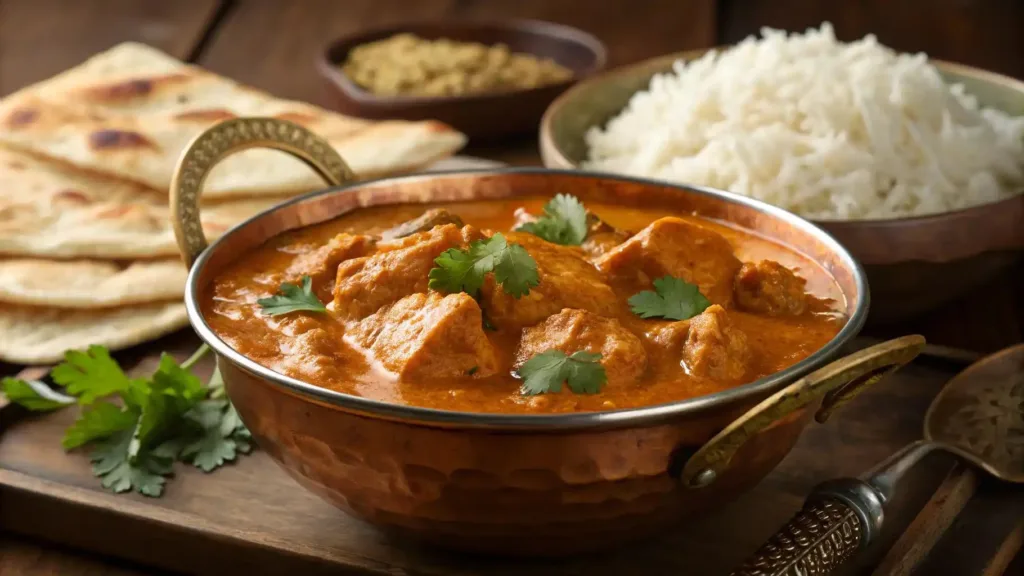
One spoonful of that Chicken Tikka Masala, & I was hooked. It wasn’t just a meal; it was an experience—a warm, comforting hug in a bowl that told a story of rich history & incredible flavor.
This article is a tribute to that unforgettable flavor & a guide to underst&ing the magic behind Chicken Tikka Masala, a dish that has since become a staple in my life & the lives of millions worldwide.
What is Chicken Tikka Masala?
Before we delve into the secrets of this culinary marvel, let’s establish what exactly we’re discussing. What is Chicken Tikka Masala, you ask? It’s a dish of tender, roasted chunks of chicken enveloped in a creamy, spiced, orange-colored sauce.
Think of it as two distinct, yet perfectly complementary, parts. The first is “Chicken Tikka,” which refers to the boneless pieces of chicken that have been marinated in a blend of yogurt & spices. These pieces are then traditionally roasted in a t&oor, a cylindrical clay oven, which imparts a wonderful smoky char & seals in their moisture.
The genius of Chicken Tikka Masala lies in the harmony of these two components. You have the smoky, slightly charred chicken providing a robust foundation, while the masala sauce delivers a symphony of flavors—a hint of tanginess from the tomatoes, warmth from the ginger & garlic, & a complex aroma from spices like garam masala & fenugreek. It’s a dish that soothes the soul & delights the senses, making it a true global comfort food.
The Fascinating History of Chicken Tikka Masala
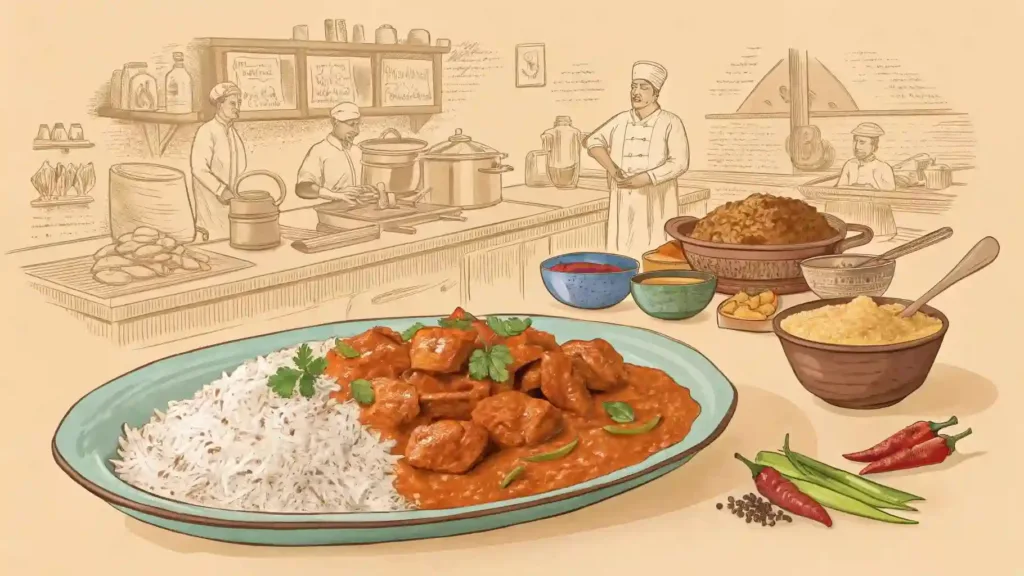
To truly appreciate this incredible curry, you must journey into its past. The history of Chicken Tikka Masala is as rich & debated as its flavor. You might be surprised to learn that its origins are not as straightforward as you might assume.
The British Origin Story: A Culinary Accident?
The most popular & widely accepted story attributes the creation of Chicken Tikka Masala to the United Kingdom, specifically to a Bangladeshi chef in Glasgow, Scotl&, during the 1970s.
The tale goes that a customer, finding his chicken tikka a bit too dry, requested some sauce to go with it. In a stroke of ingenuity, the chef, Ali Ahmed Aslam, supposedly whipped up a sauce using canned tomato soup, cream, & a blend of spices. The result was an instant hit, & the dish soon found its way onto menus across the country, captivating the British palate.
This narrative holds significant weight, especially considering that the dish is not a traditional part of Indian cuisine & is far more prevalent in British Indian restaurants. It speaks to a moment of brilliant improvisation that led to a global phenomenon.
The Indian Counter-Argument: An Evolution from Tradition?
While the Glasgow story is compelling, many people in India argue that Chicken Tikka Masala is simply a natural evolution of a similar dish from the Indian subcontinent. They point to Murgh Makhani, or Butter Chicken, as a likely predecessor.
Murgh Makhani, a creation of the Moti Mahal restaurant in Delhi, uses a tomato & cream-based sauce that is remarkably similar in flavor profile to the masala sauce.
The argument is that the dish was already in development within the culinary traditions of the Indian subcontinent & that its “British” origin is simply when it gained a distinct name & widespread popularity in the Western world.
You can find countless variations of creamy, spiced tomato sauces with roasted meats throughout North India, & it’s plausible that Chicken Tikka Masala is a slightly adapted version of these classic recipes.
A Fusion of Cultures: The Truth in the Middle
Perhaps the most accurate way to underst& the history of Chicken Tikka Masala is to see it as a beautiful example of culinary fusion. It’s a dish that embodies the meeting of two cultures. It takes the beloved “tikka” technique from India & pairs it with a sauce that appeals to the Western palate’s love for creamy, rich textures.
It’s a testament to the dynamic nature of food, how it travels across borders, adapts, & evolves into something entirely new & wonderful. So, while you’re enjoying your next bowl of this marvelous curry, you can appreciate the rich, complex history that comes with every single bite.
The Secret to the Perfect Chicken Tikka Masala
Now that you know its history, you’re ready to unlock the secrets to creating this masterpiece yourself. The secret to a truly outst&ing Chicken Tikka Masala lies in two distinct phases: the chicken & the sauce. Let’s break down the essential steps & ingredients.
The Chicken Marinade (Tikka)
The foundation of the dish is the chicken itself. If you’ve ever had a dry or bl& version, you know the importance of a good marinade. This step is crucial for both flavor & texture.
Ingredients you will need:
- Plain yogurt (full-fat works best)
- Ginger-garlic paste
- Garam masala, turmeric, & cumin
- Red chili powder (adjust to your heat preference)
- Fresh lemon juice
- Salt
The Process:
- Cut boneless, skinless chicken into one-inch cubes.
- In a bowl, combine the yogurt, ginger-garlic paste, spices, & lemon juice. Mix well to form a thick marinade.
- Add the chicken pieces & ensure each one is thoroughly coated.
- Cover the bowl & refrigerate for a minimum of four hours, but preferably overnight. This long marination time allows the acids in the yogurt to tenderize the chicken & the spices to penetrate deep into the meat, ensuring a flavorful result.
- Once marinated, you can cook the chicken in a few ways:
- Grilling: Skewer the chicken & grill over medium-high heat until they develop a beautiful char.
- Broiling: Arrange the chicken on a baking sheet & broil for 8-12 minutes, turning once, until they are cooked through & have a slight char.
- Pan-Searing: For a quicker method, you can simply pan-fry the chicken in a little oil until golden & cooked. While this won’t give you the smoky flavor of a t&oor, it still works beautifully.
The Rich & Creamy Masala Sauce
This is where the magic truly happens. A great masala sauce is all about layers of flavor, built slowly & carefully.
Key Ingredients:
- Butter or ghee for richness
- Onions, ginger, & garlic
- Canned crushed tomatoes (or fresh tomatoes, blended)
- Aromatic spices: cori&er, cumin, garam masala, & fenugreek leaves (kasoori methi)
- Sugar (a pinch to balance the acidity of the tomatoes)
- Heavy cream or coconut cream
- Salt
The Process:
- Start by melting butter or ghee in a large pot or Dutch oven over medium heat.
- Add finely chopped onions & sauté until they are soft & translucent. This step is essential; don’t rush it.
- Stir in the ginger-garlic paste & cook for another minute until fragrant.
- Add your dry spices & cook for about 30 seconds. This step, known as “blooming the spices,” releases their aromatic oils & enhances their flavor.
- Pour in the crushed tomatoes & bring the mixture to a simmer. Add a pinch of sugar & salt.
- Reduce the heat to low & let the sauce simmer for at least 15-20 minutes. This allows the flavors to meld & the raw taste of the tomatoes to disappear.
- Once the sauce has thickened, stir in the heavy cream or coconut cream until it’s a smooth, rich consistency. At this point, you can use an immersion blender to make the sauce even silkier if you desire.
- Finally, stir in the cooked chicken tikka pieces & let the whole dish simmer for another 5-10 minutes. This allows the chicken to absorb the beautiful sauce & finish cooking.
Serving Suggestions & Pairings for Chicken Tikka Masala
You’ve successfully created a masterpiece, & now it’s time to enjoy the fruits of your labor. The right accompaniments can elevate your Chicken Tikka Masala from a great meal to a truly unforgettable dining experience.
What to Serve with Chicken Tikka Masala: The Classics
- Basmati Rice: The long, fragrant grains of Basmati rice are the perfect canvas for the rich & creamy sauce. The rice soaks up all the beautiful flavors, ensuring you don’t miss a single drop.
- Naan Bread: There’s nothing quite like a piece of warm, fluffy naan bread. Use it to scoop up the luscious sauce, & you’ll find yourself reaching for “just one more piece.” You can also serve it with roti, paratha, or even pita bread.
- Raita: A cooling, yogurt-based side dish with cucumber & mint is a wonderful counterpoint to the warmth & spices of the curry. It provides a refreshing break that cleanses the palate.
Drink Pairings to Complement the Flavors
- Indian Lager Beer: A crisp, cold Indian lager like Kingfisher or Taj Mahal is a classic pairing. Its light, effervescent nature cuts through the richness of the cream & spices.
- Lassi: This traditional Indian yogurt drink is a fantastic choice. The sweet or savory lassi helps to cool the palate & balance the flavors of the curry.
- Wine: If you’re a wine lover, consider a light-bodied, slightly acidic white wine like a Sauvignon Blanc or a Riesling. Their fruitiness & acidity can help to balance the richness of the dish.
FAQs About Chicken Tikka Masala
You likely have more questions about this beloved dish, & we’re here to answer them.
Is Chicken Tikka Masala a spicy dish?
This is a common question, & the answer is that it’s generally not considered very spicy. Its flavor profile is more aromatic & savory than hot. However, the spice level is entirely in your control. You can add more red chili powder or even a bit of cayenne pepper to the masala sauce if you prefer a fiery kick.
What is the difference between Butter Chicken & Chicken Tikka Masala?
While they are often confused due to their similar appearance & creamy texture, there are key distinctions:
- Butter Chicken (Murgh Makhani): This dish is typically milder & sweeter. The sauce is richer due to the liberal use of butter & cream, & it often includes a touch of honey or sugar. The chicken is not necessarily grilled beforeh&, making it less smoky.
- Chicken Tikka Masala: The sauce in this dish has a more pronounced tomato base & is often spicier & more complex due to the addition of spices like fenugreek. The pre-grilled chicken imparts a distinct smoky flavor that is a hallmark of the dish.
Can I make Chicken Tikka Masala at home?
Absolutely! While it may seem intimidating, making a delicious Chicken Tikka Masala at home is completely within your reach. The recipe can be simplified for a weeknight meal while still delivering a satisfying & flavorful result. Don’t be afraid to experiment with the spices & ingredients to tailor the recipe to your personal taste.
Conclusion
From its debated origins to its status as a global culinary icon, Chicken Tikka Masala is more than just a dish; it’s a testament to the power of food to connect cultures & create unforgettable memories. It’s a dish that has captured hearts & taste buds worldwide, & for good reason. Its rich, creamy, & deeply flavorful nature makes it a true crowd-pleaser.
Whether you’re a seasoned chef or a home cook looking for a new adventure, I hope this guide inspires you to create your own delicious Chicken Tikka Masala & share it with someone you love. Enjoy the journey, one creamy, flavorful spoonful at a time.
If you’ve enjoyed this article, share your favorite Chicken Tikka Masala memories or ask any questions in the comments below! We love hearing from you.