There’s something almost magical about the way a simple pot of soup can transport you through time. I still remember walking into my grandmother’s kitchen on those blustery autumn afternoons when the wind rattled the windows and sent colorful leaves skittering across the porch. The glass would be completely fogged with steam, and before you even pushed open the swinging door, that unmistakable aroma would hit you—her famous chicken and bean soup simmering away on the back burner.
She’d be standing there in her flour-dusted apron, that old wooden spoon with the worn-down edge moving in slow, patient circles. “Come here,” she’d say, holding out a spoonful for you to taste. “Tell me if it needs anything.” Of course, it never needed anything. It was always perfect.
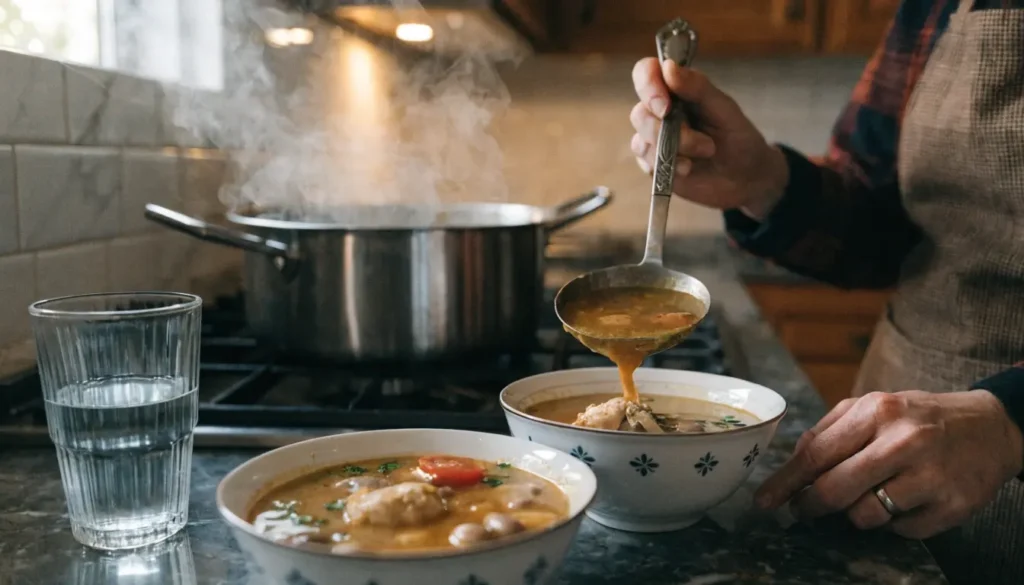
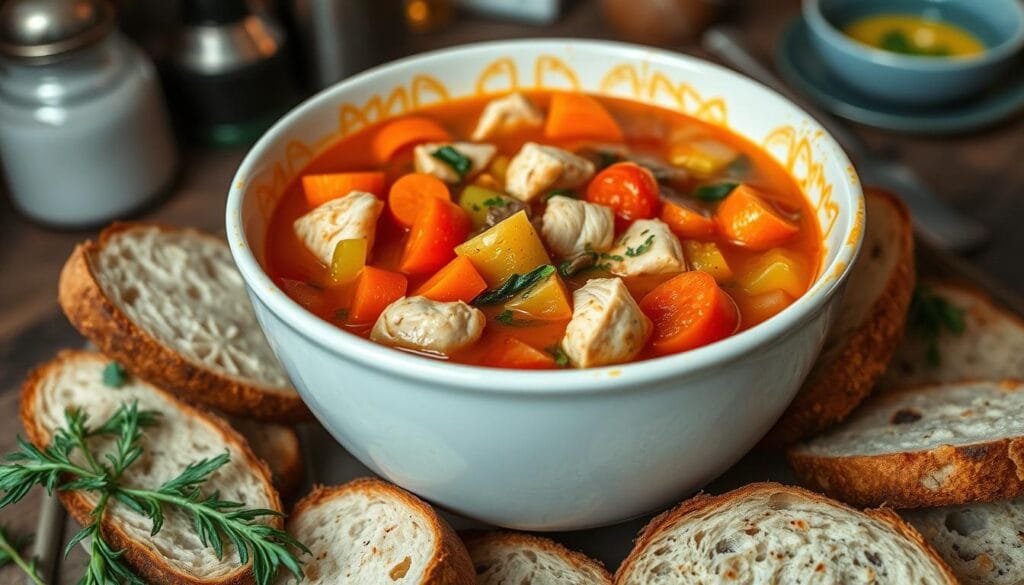
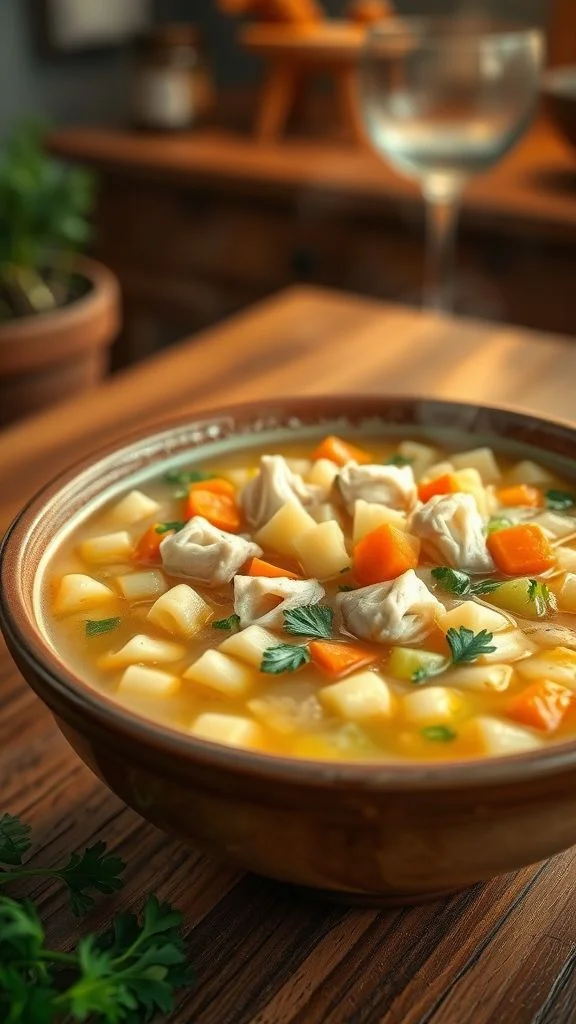
I can still picture how the golden broth caught the afternoon light streaming through the kitchen window. The way the tender shreds of chicken mingled with creamy beans and vegetables that had softened to that ideal point where they still held their shape but yielded effortlessly to your spoon. That first bite wasn’t just food—it was warmth wrapped in security, comfort folded into love, all waiting for you in a ceramic bowl.
This piece isn’t simply another recipe you’ll bookmark and forget. It’s about recreating that exact feeling in your own kitchen—that moment when you lift the lid and the steam rushes up to meet your face, carrying with it the promise of something that will make everything feel a little more right with the world. Whether you’re feeding a hungry family on a freezing evening, stocking your freezer for busy weeks ahead, or just craving something that feels like a hug in edible form, chicken and bean soup is your answer.
Why Chicken and Bean Soup Deserves a Place in Your Regular Rotation
The Perfect Balance of Nutrition and Comfort
You might think of chicken and bean soup as just another meal, but it’s genuinely one of the most nutritionally complete dishes you can put on your table. The science backs up what grandmas have known for generations.
You’re getting serious protein power:
When you sit down to a bowl of this soup, you’re consuming a complete protein profile that rivals much more expensive meals. The chicken provides lean animal protein packed with all the essential amino acids your body needs for muscle maintenance and repair. Meanwhile, the beans bring their own plant-based protein to the party, creating a complementary amino acid profile that maximizes what your body can actually use.
Here’s what a typical serving delivers:
- Approximately 25-35 grams of total protein, which covers nearly half your daily needs
- Leucine and other branched-chain amino acids that support muscle recovery
- Sustained energy release without the crash you get from simple carbohydrates
The fiber content might surprise you:
Most people don’t get nearly enough fiber in their daily diet. The average American consumes only about half the recommended amount. Your chicken and bean soup can help close that gap significantly.
Consider these numbers:
- A single cup of cooked beans delivers 10-15 grams of fiber
- That’s 40-60% of your daily recommended intake right there
- The soluble fiber in beans helps stabilize blood sugar levels, preventing those afternoon energy dips
- Regular consumption of bean-based soups has been linked to lower cholesterol and better heart health in multiple studies published in the Journal of Nutrition
Beyond protein and fiber, you’re getting a wealth of vitamins and minerals from the vegetables and broth. The long, slow simmering process extracts collagen from the chicken bones, giving you gelatin that supports joint health and digestion. The carrots flood your system with beta-carotene. The celery provides vitamin K. It’s essentially a multivitamin you can eat with a spoon.
Budget-Friendly Without Sacrificing Flavor
Let’s talk honestly about money for a moment. Grocery bills have climbed steadily, and feeding a family well without breaking the bank has become a genuine challenge for many households. Chicken and bean soup represents one of the smartest economic choices you can make in the kitchen.
The cost breakdown tells a compelling story:
A whole chicken typically runs $1.50 to $2.00 per pound, depending on where you shop and whether you catch a sale. That three-to-four-pound bird might cost you $6 to $8, and it gives you both meat for the soup and bones for the richest possible broth. Compare that to buying pre-cut boneless breasts at nearly $5 per pound, and you’re already ahead.
The beans are where you really save. Dried beans cost approximately $1.50 per pound, and that pound will expand to about six cups of cooked beans after soaking and simmering. That’s roughly $0.15 per serving. Even canned beans, which offer convenience at a premium, run about $1.50 per can for about three servings—still far cheaper than most protein sources.
When you add it all up:
- Chicken: approximately $1.00 per serving
- Beans: $0.15 to $0.50 per serving depending on dried vs. canned
- Vegetables and aromatics: maybe $0.30 per serving spread across the whole pot
- Total cost per generous bowl: $1.50 to $2.00
Try finding a meal that satisfying for that price anywhere else.
Beyond the immediate savings, consider the hidden value:
That single pot yields six to eight generous servings. You’ve got dinner tonight, lunch for the next couple days, and probably two or three portions to stash in the freezer for those nights when cooking feels impossible. The leftovers are often better than the original, giving you multiple meals from one cooking session.
The Ultimate Make-Ahead Meal
Here’s something you might not know about chicken and bean soup: it actually improves with time. This isn’t true of all foods, but this particular combination benefits from what chefs call “melding” or “marrying” of flavors.
Why day-old soup tastes better:
When you make a big pot of soup on Sunday and eat it on Tuesday, you’re experiencing something the initial day couldn’t deliver. The flavors have had time to penetrate every ingredient fully. The starches from the beans have continued to thicken the broth naturally. The herbs have released their essential oils completely throughout the liquid.
The practical advantages are substantial:
- Refrigerate for up to five days with continued flavor development
- Freeze for three months without significant quality loss
- Portion control becomes effortless when you can defrost exactly what you need
- The soup acts as its own gravy, requiring no additional sauces or sides
This isn’t just convenient—it’s strategic. By spending two hours on a weekend afternoon, you can set yourself up for multiple easy meals during the busy week ahead. The soup waits for you, not the other way around.
Selecting Your Ingredients: The Foundation of Great Soup
Choosing the Right Chicken
The chicken you select isn’t just another ingredient—it’s the backbone of everything. The right choice builds flavor from the ground up.
Your best options for maximum depth:
A whole chicken in the three-to-four-pound range gives you everything you need in one package. The meat provides the bulk of your soup, while the bones, skin, and connective tissue create a broth with body and richness that canned versions simply cannot match. When you simmer a whole bird, you’re extracting collagen that turns to gelatin, giving your soup that luxurious mouthfeel and causing it to thicken slightly as it cools.
Bone-in chicken thighs offer a practical alternative if you’re not ready to tackle a whole chicken. They contain more fat and connective tissue than breasts, which means they stay moist and tender through long cooking times. The bones contribute to the broth, and the meat shreds beautifully when done.
What genuinely doesn’t work well:
Boneless, skinless chicken breasts alone will leave you disappointed. They lack the fat and connective tissue needed for flavor development. You’ll end up with bland broth and dry, stringy meat. If breasts are what you have, add some chicken backs or necks purchased separately for just a dollar or two to build real flavor.
Rotisserie chickens from the grocery store can work, but you need to approach them strategically. Use the meat for adding at the end, but don’t expect the carcass to produce a deeply flavorful broth with just a quick simmer. You’re better off making your broth separately with raw bones.
Bean Varieties and Preparation
The beans you choose fundamentally change the character of your soup. Each variety brings something different to the bowl.
Here’s how the most common options compare:
| Bean Variety | Texture When Cooked | Flavor Notes | Approximate Cooking Time |
| Cannellini | Creamy interior, holds shape well | Mild, slightly buttery | 45-60 minutes |
| Great Northern | Tender but firm | Delicate, subtly nutty | 45-60 minutes |
| Navy | Soft, almost creamy | Very mild, absorbs surrounding flavors | 50-70 minutes |
| Chickpeas | Firm, hearty | Distinctively nutty | 60-90 minutes |
Cannellini beans represent the classic choice for chicken and bean soup. They maintain their shape through cooking while developing an almost luxurious creaminess inside. When you bite into one, it should offer slight resistance before yielding completely.
Great Northern beans work beautifully if you prefer a firmer texture. They hold up well to longer cooking and provide a slightly different mouthfeel that some people strongly prefer.
Navy beans break down more during cooking, contributing to a thicker, almost creamy broth. If you’re the type who loves soup that coats the back of a spoon, these might become your go-to.
The dried versus canned decision deserves honest consideration:
Dried beans reward you with superior texture and lower cost, but they demand planning. You need to think about dinner the night before, or at least several hours ahead. The process isn’t difficult—sorting, rinsing, soaking, draining—but it requires foresight.
Canned beans offer convenience at a price, both monetary and textural. They’re already cooked, so you can add them at the last minute. However, they tend to be softer and more prone to breaking down with extended simmering. The canning liquid contains starch that can thicken your soup, but it also adds sodium and sometimes a slightly metallic undertone.
If you choose canned, always rinse them thoroughly under cold water. This removes about forty percent of the added sodium and improves the flavor noticeably.
The Aromatics That Build Flavor
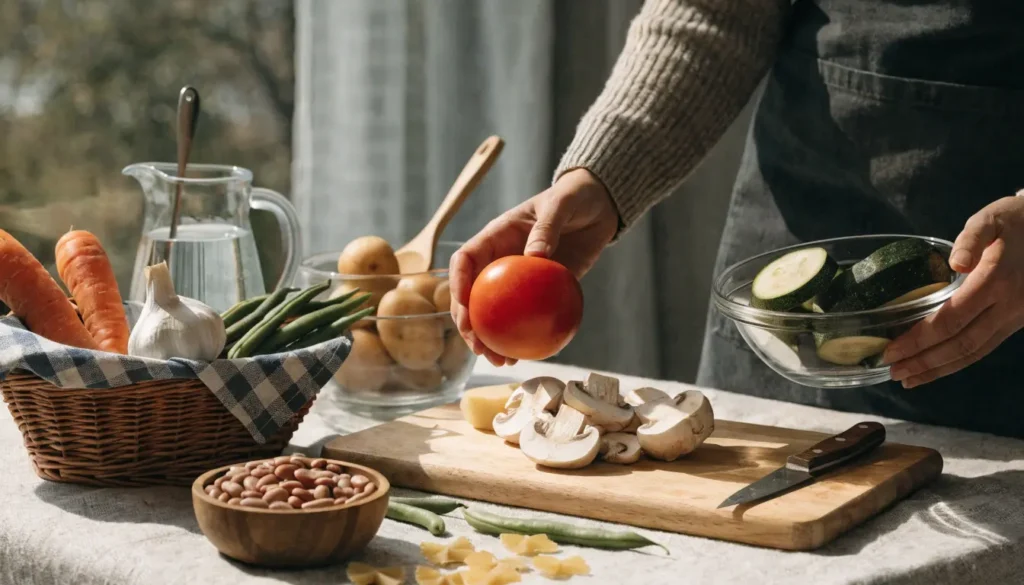
You’ve probably heard of mirepoix—that French combination of onions, carrots, and celery that forms the foundation of countless soups and stews. It’s not optional here. These three vegetables create a base note that supports everything else.
Your essential foundation requires:
- Two medium yellow onions, diced to about half-inch pieces
- Three or four carrots, peeled and cut into similar-sized chunks
- Three or four celery stalks, chopped
But don’t stop there. These flavor amplifiers make the difference between good and unforgettable:
Garlic forms the second layer. Use six to eight cloves, smashed with the side of your knife and then minced fine. The smashing releases more of the essential oils than slicing alone.
Fresh thyme adds an earthy, slightly floral note that dried thyme simply cannot replicate. Six to eight sprigs tied together with kitchen twine makes them easy to remove later, or you can strip the leaves and add them directly.
Bay leaves contribute a subtle background complexity. You won’t taste them specifically, but you’ll notice their absence if you forget them. Use two or three.
Fresh parsley stirred in at the very end brings brightness and a clean finish that cuts through the richness. Half a cup, chopped, transforms the final flavor.
Here’s a tip that might change your soup forever:
Save your Parmesan rinds. You know those hard ends you usually throw away after grating through a wedge of cheese? Drop one into your soup during the last hour of simmering. It won’t make the soup taste like cheese. Instead, it adds umami depth—that savory quality that makes broth taste more substantial and satisfying. Fish it out before serving.
Step-by-Step Method for Soul-Warming Chicken and Bean Soup
Building the Broth from Scratch
The difference between soup made with boxed broth and soup made from your own pot is immediately obvious to anyone paying attention. Your version will have depth, complexity, and body that manufactured products can’t achieve.
Start with cold water and don’t rush this:
Place your whole chicken in a pot large enough to hold it comfortably. Add cold water until the chicken is covered by about two inches. Starting with cold water matters—it allows impurities to rise gradually rather than being sealed into the meat and bones by a sudden blast of heat.
Add aromatics to the broth pot before cooking:
Throw in one of your onions, halved but not peeled (the skins add color). Add a carrot broken into chunks, some celery tops if you have them, a few bay leaves, and a teaspoon of whole peppercorns. These will flavor the broth without competing with the vegetables you’ll add later.
Watch for the scum and deal with it properly:
As the water heats toward a boil, you’ll notice foam rising to the surface. This isn’t harmful, but it contains impurities that will make your broth taste muddy if you leave them. Use a shallow spoon or ladle to skim it off. The key is to do this before the broth boils—once it’s boiling vigorously, the foam breaks apart and becomes much harder to remove.
Maintain a gentle simmer, never a rolling boil:
When people say “boil” broth, they usually mean “simmer.” True boiling agitates the liquid violently, which can make broth cloudy and cause proteins to tighten up, resulting in tougher meat. You want small bubbles breaking the surface occasionally, not a roiling cauldron.
Time your cooking appropriately:
A whole chicken needs about ninety minutes to two hours at a gentle simmer. The meat should be tender enough that it pulls easily from the bone, but not so cooked that it’s falling apart into shreds while still in the pot.
Preparing Your Beans
If you’ve chosen dried beans, you need to rehydrate them before they’ll cook evenly. Skipping this step leads to beans that remain hard in the center while the outsides turn to mush.
The overnight soak requires minimal effort:
Sort through your beans on a plate or baking sheet, picking out any small stones or discolored beans you might find. This step feels unnecessary until you bite down on a pebble and crack a tooth. Rinse them thoroughly in a colander.
Place the beans in a large bowl and cover with cold water by at least three inches. They’ll expand as they absorb liquid, so give them room. Let them sit on the counter for eight to twelve hours. Drain and rinse before cooking.
The quick soak works when you forgot to plan ahead:
Put your sorted and rinsed beans in a pot. Cover with water by two inches. Bring to a rolling boil and let them boil for two minutes exactly. Remove from heat, cover the pot, and let them sit for one hour. Drain, rinse, and proceed.
One trick for older beans:
If your beans have been in the pantry for more than a year, they may resist softening. Add half a teaspoon of baking soda to the soaking water. This slightly alkaline environment helps break down the pectin in the bean skins. Always discard the soaking water and cook in fresh liquid.
The Perfect Cooking Timeline
Phase One: Make Your Broth
This should happen two to three hours before you plan to eat. Put your chicken in the pot with cold water and broth aromatics. Bring to a simmer, skim the foam, and let it cook gently until the chicken is tender. Remove the chicken to a cutting board or large plate. When it’s cool enough to handle, pull the meat off the bones, discarding skin and bones (or save bones for an even longer broth if you have time). Strain the broth through a fine-mesh sieve lined with cheesecloth if you want it perfectly clear, or just a regular sieve for everyday cooking.
Phase Two: Cook Your Beans
While the chicken cools, start your beans. If you’re using the same pot, wash it out first. Combine your soaked beans with fresh water or part of your strained chicken broth. Add a bay leaf and a clove of garlic. Simmer gently until the beans are tender but still holding their shape. This could take anywhere from forty-five minutes to ninety minutes depending on the bean variety and age.
Phase Three: Bring Everything Together
Now the magic happens. In a clean pot, heat a couple tablespoons of olive oil over medium heat. Add your fresh diced onion, carrot, and celery. Cook, stirring occasionally, until the vegetables have softened and the onion becomes translucent—about eight to ten minutes. Add your minced garlic and cook for one more minute, just until you can smell it.
Pour in your strained chicken broth. Add your cooked beans along with their cooking liquid. Bring to a simmer. Add your shredded chicken. Let everything cook together for about twenty minutes, allowing the flavors to combine.
Stir in your fresh parsley. Taste and adjust seasoning with salt and pepper. Remember that beans need more salt than you might expect, so be generous.
Variations to Make This Recipe Your Own
International Inspirations
Mediterranean White Bean and Chicken Soup
The sunny flavors of the Greek and Italian coasts transform this soup into something entirely different. Add one can of drained diced tomatoes along with your broth. Include a teaspoon each of dried oregano and dried rosemary, crushing them between your fingers as you add them to release their oils. When the soup is finished, stir in the juice of one lemon and the grated zest of half that lemon. Serve with excellent crusty bread and a final drizzle of fruity olive oil over each bowl.
Mexican-Style Chicken and Bean Soup
Black beans replace the white beans here, and the flavor profile shifts dramatically. When you sauté your vegetables, add one diced jalapeño (seeds and membranes removed if you want less heat). Include a tablespoon of ground cumin and a teaspoon of chili powder with the garlic. Top each bowl with fresh chopped cilantro, diced avocado, and a squeeze of lime. A dollop of crema or sour cream cools the heat beautifully.
Tuscan Chicken and Bean Soup
This version adds greens for both nutrition and color. Stir in two cups of chopped kale or spinach during the last ten minutes of cooking—just long enough to wilt without turning to mush. That Parmesan rind you saved should go in during this final simmer. Serve with extra grated Parmesan on top and plenty of cracked black pepper.
Dietary Adaptations
Low-Sodium Version
Start by using dried beans exclusively—canned varieties add significant sodium even after rinsing. Make your own broth or choose low-sodium commercial options. Add no salt until the very end, and even then, taste carefully before adding. Boost flavor with acid instead of salt—a splash of white wine vinegar or lemon juice at the end brightens everything. Mushrooms added to the broth contribute natural umami that makes up for reduced sodium.
Extra Vegetable-Packed
The basic recipe welcomes additions. Diced zucchini added in the last fifteen minutes retains some texture while softening. Fresh green beans, trimmed and cut into inch-long pieces, add color and crunch. Frozen peas stirred in at the very end provide sweetness and visual appeal. For deeper flavor, roast your carrots and onions before adding them to the soup.
Spicy Chicken and Bean Soup
Heat lovers have options. Sauté one diced chipotle pepper in adobo sauce along with your vegetables. Add a teaspoon of smoked paprika for warmth without overwhelming heat. Include half a teaspoon of cayenne and adjust upward from there based on your tolerance. Garnish with pickled jalapeños and serve with cooling crema on the side.
Expert Tips for Soup Success
Common Mistakes to Avoid
Adding salt too early ruins beans:
Salt can prevent beans from softening properly by interacting with their skins and creating a barrier to water absorption. Wait until beans are completely tender before adding significant salt. Season generously at the end.
Acidic ingredients have the same effect:
Tomatoes, vinegar, lemon juice, and wine should only enter the pot after your beans are fully cooked. If you add them earlier, the acid will keep beans firm no matter how long you cook them.
Overcooking vegetables creates mush:
If you want your carrots and celery to retain some texture, add them during the last thirty minutes rather than cooking them for hours. The ones you sautéed at the beginning will have softened considerably by the time the soup finishes.
Skipping the skim hurts flavor:
That foam contains water-soluble proteins and impurities that cloud your broth and create off-flavors. Take the two minutes to skim it off. Your patience will be rewarded.
Not tasting before serving guarantees disappointment:
Soup needs more salt than you think because the liquid volume dilutes flavors. Always taste and adjust at the very end. Add salt gradually, stirring and tasting between additions.
Storage and Reheating Guidelines
Refrigerator storage extends your enjoyment:
Cool your soup completely before refrigerating. Hot soup in a closed container raises the temperature of your entire refrigerator and can create food safety issues. Once cool, transfer to airtight containers. It will keep for four to five days, with flavors improving through day three.
Freezer storage gives you future meals:
Portion your soup into meal-sized containers, leaving about an inch of headspace for expansion during freezing. Label each container with the contents and date. Frozen soup maintains quality for up to three months.
Reheating requires gentle handling:
Thaw frozen soup overnight in the refrigerator when possible. Reheat gently on the stovetop over medium-low heat, stirring occasionally. Add a splash of water if the soup has thickened more than you like. Taste and adjust seasoning after reheating—freezing can dull flavors, so you may need a little more salt or acid.
Serving Suggestions and Pairings
What to Serve Alongside
Bread turns soup into a meal:
A crusty sourdough with a chewy interior and crackling crust provides the perfect vehicle for sopping up every last drop. Garlic bread brushed with olive oil and sprinkled with herbs adds another layer of flavor. Buttermilk cornbread offers a slightly sweet counterpoint to the savory soup. And honestly? A grilled cheese sandwich dipped into this soup might be the ultimate comfort food combination.
Salad adds freshness and contrast:
A simple salad of arugula tossed with lemon juice and good olive oil cuts through the richness of the soup with its peppery bite. Mixed greens with a sharp balsamic vinaigrette provide similar contrast. Shaved fennel and orange salad brings brightness and crunch that complements the soup beautifully.
Create a toppings bar for customization:
Set out small bowls with:
- Fresh chopped parsley or cilantro
- Grated Parmesan or Pecorino Romano cheese
- Cracked black pepper and a pepper grinder
- Red pepper flakes for those who want heat
- A cruet of good olive oil for drizzling
- Toasted breadcrumbs for crunch
Let everyone build their perfect bowl.
Frequently Asked Questions About Chicken and Bean Soup
Can I use leftover rotisserie chicken for chicken and bean soup?
Absolutely, and this approach saves significant time. Remove all the meat from the bones and set it aside. Take the carcass and any skin or bits you’ve saved and put them in a pot with water to cover, plus some onion, carrot, and celery if you have them. Simmer for forty-five minutes to an hour while you prepare everything else. This quick broth won’t have quite the depth of a long-simmered version, but it’s vastly better than canned. Add the shredded meat during the last fifteen minutes just to warm it through.
How can I thicken my chicken and bean soup naturally?
The beans themselves are your best thickening agent. Remove about a cup of beans and some broth from the pot. Mash them with a fork or puree them in a small blender, then stir the mixture back into the soup. This adds body without altering flavor. You can also smash some beans directly against the side of the pot with a wooden spoon. For even more thickness, add a small diced potato during cooking and mash it into the broth, or stir a tablespoon of tomato paste into your sautéed vegetables before adding liquid.
Why are my beans still hard after hours of cooking?
This frustrating problem usually traces to one of several causes. Your beans might be old—if they’ve been in the pantry for more than a year, they may never soften completely. You might have added acidic ingredients too early. Your water might be very hard, containing minerals that interfere with softening. For older beans, add a quarter teaspoon of baking soda to the cooking water. Always ensure beans stay fully submerged during cooking. And never add tomato, vinegar, or lemon juice until beans are completely tender.
Can I make chicken and bean soup in a slow cooker or Instant Pot?
Both work beautifully with slight adjustments. For slow cooker: sauté your aromatics first on the stovetop to develop flavor, then transfer to the slow cooker with everything except quick-cooking vegetables. Cook on low for six to eight hours. For Instant Pot: use the sauté function for aromatics, then add remaining ingredients and pressure cook on high for twenty-five to thirty minutes with natural release. Note that beans cook faster under pressure, so adjust liquid ratios to prevent burning.
How do I prevent my chicken and bean soup from becoming too salty?
Start with low-sodium broth or make your own. If using canned beans, rinse them thoroughly under cold running water for at least a minute—this removes up to forty percent of added sodium. Add salt gradually and taste between additions. If you accidentally oversalt, add a peeled whole potato and simmer for twenty minutes. The potato will absorb some excess salt; remove it before serving.
What are the best beans for chicken and bean soup?
Cannellini beans represent the classic choice because they hold their shape while becoming luxuriously creamy. Great Northern beans offer a slightly firmer texture if that appeals to you. Navy beans break down more, creating a thicker, almost creamy broth. Each gives a different experience, so experiment to find your preference. Many cooks keep two or three varieties on hand and choose based on their mood.
Can I add pasta or rice to my chicken and bean soup?
You can, but handle them strategically. Cook pasta or rice separately and add to individual bowls before ladling soup over them. If you add them to the pot, they’ll continue absorbing liquid and become mushy, and your leftovers will transform into more of a casserole than a soup. If you absolutely must cook them in the soup, add during the last ten minutes and plan to eat all of it that day—it won’t hold well.
How long does homemade chicken and bean soup last in the refrigerator?
Properly stored in airtight containers, your soup will keep for four to five days. The flavor typically peaks on days two and three as ingredients continue to meld. Always cool soup completely before refrigerating, and reheat only the portion you plan to eat. Repeated cooling and reheating of the whole pot degrades quality and creates food safety concerns.
Conclusion: Your Bowl of Comfort Awaits
As I write these final words, I have my own pot of chicken and bean soup simmering on the stove behind me. The aroma has filled my kitchen, and I can almost hear my grandmother’s voice offering encouragement from wherever she is now. “See?” she’d say. “You didn’t need me there. You knew what to do all along.”
And that’s the truth of it. This soup asks nothing from you except willingness to slow down, to let time work its gradual magic, to trust that simple ingredients handled with care become something far greater than the sum of their parts. Whether you’re cooking for a crowd or just for yourself on a quiet evening when the world feels a bit too much, the result remains the same: warmth that starts in the bowl and radiates outward until it touches every corner of your day.
The recipe I’ve shared is really just a starting point. Your grandmother’s chicken and bean soup probably looked different—maybe she added different vegetables, used a bean variety I haven’t mentioned, seasoned it with herbs from her garden that you can still smell when you close your eyes. That’s exactly as it should be. Take these techniques, this framework I’ve laid out, and make them your own. Add your memories to the pot right alongside the chicken and beans.
Because ultimately, the best chicken and bean soup isn’t about following instructions perfectly. It’s about creating something that nourishes more than just physical hunger. It’s about filling your home with aromas that promise comfort before anyone takes a single bite. It’s about filling your bowl with flavors that satisfy something deeper than taste buds. And it’s about filling your heart with the quiet satisfaction of having created something genuinely nourishing from the simplest possible ingredients.
So go ahead. Pull out your biggest pot. Gather your ingredients. Give yourself the gift of a few hours in the kitchen with nothing more urgent than stirring occasionally and tasting frequently. The soup will be ready when it’s ready, and you’ll be exactly where you need to be.
Now, if you’ll excuse me, my own bowl is waiting. And I have a feeling my grandmother would want me to enjoy it while it’s hot.