
When my dad was diagnosed with type two diabetes, he missed his afternoon tea cookies more than anything else. I spent weeks testing this sugar free cookie recipe for diabetics, focusing on a specific ratio of almond flour to erythritol to keep the texture from turning into a gritty, sandy disaster. You’ll finally get that buttery snap back in your routine. The kitchen fills with a warm, toasted scent that makes it hard to wait for them to cool.
Quick Answer: Sugar free cookie recipe for diabetics uses almond flour and erythritol to create a low-glycemic treat. By combining these ingredients with butter and egg, you achieve a soft, chewy texture that satisfies cravings without causing significant blood glucose spikes.
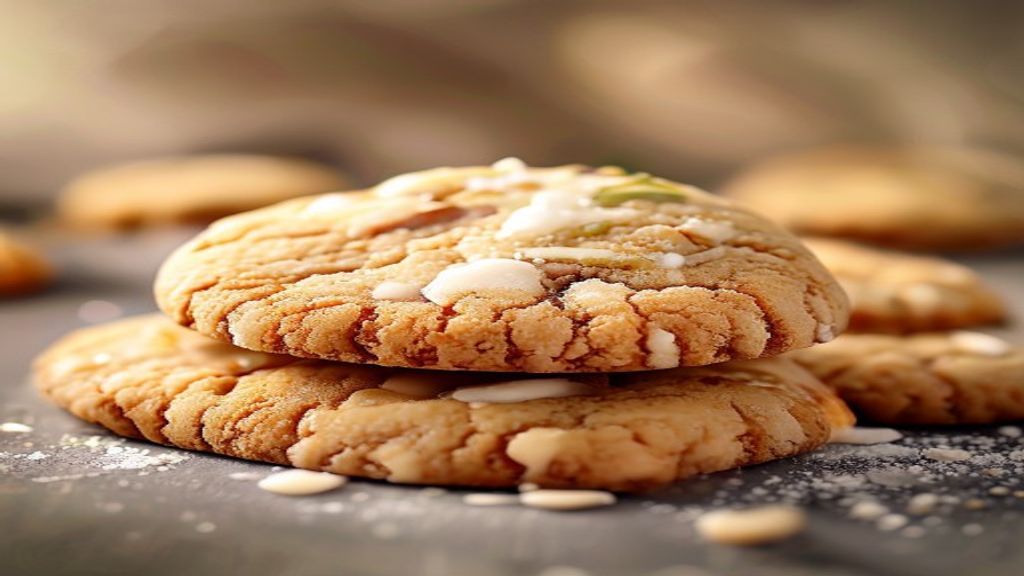
These cookies actually hold together because I figured out the right balance of fats to keep them from crumbling. You’ll find that baking with almond flour creates a rich, dense bite that feels indulgent. The final result features golden brown edges with a soft, slightly chewy center that holds its shape without crumbling when lifted.
Ingredients
I swear by Bob’s Red Mill for the almond flour because the grind is consistent enough that your cookies won’t turn into a grainy, oily puddle in the oven.
- 2 cups blanched almond flour
- 1/4 cup erythritol sweetener
- 1/4 cup softened unsalted butter
- 1 large egg
- 1/2 teaspoon vanilla extract
- 1/4 teaspoon baking soda
- 1/8 teaspoon sea salt
Before You Start
Make sure your butter is truly soft, not melted, or the dough will be impossible to handle. If you’re looking for more low-carb baking ideas, this base is a solid starting point for experimenting with different extracts. Don’t even think about using liquid stevia here. It leaves a sharp, metallic aftertaste that completely ruins the richness of the butter.
If you only have granulated monk fruit, you can swap it for the erythritol, but keep in mind that it might make the cookies slightly crunchier. I’ve tried using coconut oil instead of butter, but the texture becomes much more brittle and you lose that classic, buttery finish. Stick to the real butter if you can. It’s the only way to get that toasted almond scent that makes these feel like a real treat.
How to Bake These Low-Glycemic Treats
Prep: 10 mins · Cook: 12 mins · Total: 22 mins · Serves: 12 cookies
Step 1: Prepare the baking sheet
Grab a standard 13×18 inch rimmed baking sheet. Don’t try to crowd all twelve cookies onto a smaller pan, as they need space for air to circulate; otherwise, they’ll steam instead of baking through properly. Lining the tray with parchment paper makes cleanup a breeze and ensures the bottoms don’t catch.
Step 2: Cream the butter and sweetener
Use a sturdy fork or a whisk to mash the softened butter and erythritol together. You’re looking for a smooth, pale consistency where the sweetener is fully integrated into the fat. This step is vital because it creates the structure that holds the dough together, preventing the sandy texture I struggled with when I first started experimenting with these.
Step 3: Combine wet ingredients
Crack the egg into your bowl and pour in the vanilla. Whisk everything vigorously until the liquid is uniform and creamy. You’ll see the mixture thicken slightly as the egg emulsifies with the butter, which is exactly what you want for a stable, chewy base.
Step 4: Incorporate dry ingredients
Add your almond flour, baking soda, and sea salt to the wet mixture. Use a spatula to fold everything together until you have a cohesive, slightly tacky ball of dough. If you find the dough is too dry to hold together, keep working it with your hands for a moment; the warmth from your palms helps the butter soften just enough to bind the almond flour particles.
Step 5: Preheat the oven
While you let the dough rest for a moment, set your oven to 350°F. I always place my rack in the center position to ensure even heat distribution. If you want to learn more about choosing the right flour for low-carb baking, this is a great time to read up on how different nut flours behave in the oven.
Step 6: Shape and bake
Roll the dough into twelve equal balls and space them evenly on your prepared sheet. Press them down slightly with your palm so they don’t stay in tall mounds. Bake them for about 12 minutes. You’ll know they are ready when the edges turn a deep golden brown and the centers feel firm to a gentle touch. The kitchen will fill with a warm, toasted almond scent that lets you know they’re ready to come out.
Step 7: Cool completely
This is the hardest part, but don’t touch them yet! These cookies are delicate while hot and need time to set as they cool. If you try to move them too soon, they might crack. After 10 minutes, they’ll be sturdy enough to lift off the parchment without crumbling, maintaining that soft, chewy center you’re after.

Troubleshooting
| Problem | Cause | Solution |
|---|---|---|
| Cookies are spreading too thin | Butter was too warm | Chill the dough for 15 minutes before baking |
| Centers are still raw | Oven temperature is inaccurate | Use an oven thermometer to verify 350°F |
| Edges are burning | Pan is too thin or dark | Double-stack your baking sheets for insulation |
Tips for Getting It Right
If you find your dough feels a bit greasy while shaping, pop the bowl in the fridge for ten minutes. This firms up the butter, making it much easier to roll into uniform balls without them sticking to your hands. It’s a small step, but it keeps the structure stable so they don’t flatten out into puddles in the oven.
Don’t skip the cooling time on the pan. I know it’s tempting to grab one while they’re warm, but these treats rely on the butter re-solidifying as they sit. If you move them too early, they’ll crumble. Letting them rest for those ten minutes is the secret to getting that satisfying, chewy center that holds together perfectly.
Variations Worth Trying
For a little extra texture, try pulsing half of your almond flour in a blender until it’s super fine, then leaving the other half slightly coarser. This creates a really nice contrast in the bite. It’s a simple way to change the mouthfeel without needing any extra ingredients.
If you want a deeper, more complex flavor, you can brown your butter before mixing it with the sweetener. Just melt it in a pan until it smells nutty and turns a light amber color, then let it cool back to a soft, spreadable state. It adds a rich, toasted depth that makes these feel like a fancy bakery treat.
Frequently Asked Questions
What is the best sugar substitute for diabetic cookies?
I stick with erythritol because it doesn’t spike blood sugar and behaves well in baked goods. It provides the bulk needed for the dough to set properly without adding the moisture that can make almond flour turn mushy.
How do you make cookies without sugar or flour?
You swap traditional wheat flour for almond flour and use a granulated sweetener instead of sugar. The fat from the butter acts as the primary binder, which is why measuring your ingredients precisely is so important when you aren’t using gluten to hold things together.
Are almond flour cookies safe for diabetics?
They are generally a much better option than traditional versions because they are low-glycemic. Since almond flour is high in healthy fats and protein, it slows down digestion, which helps keep your blood sugar levels more stable after you eat.
Can diabetics eat homemade sugar free cookies?
Yes, they can, provided you keep an eye on your portion sizes. These are much lower in carbohydrates than standard cookies, but they are still a treat. I always suggest checking with your doctor about your specific dietary needs before adding new snacks to your routine.
This recipe focuses on the specific ratio of almond flour to erythritol to prevent the gritty texture often found in other sugar-free cookie attempts.
Main Ingredients
- 2 cups blanched almond flour
- 1/4 cup erythritol sweetener
- 1 large egg
- 1/4 teaspoon baking soda
Seasonings & Extras
- 1/4 cup softened unsalted butter
- 1/2 teaspoon vanilla extract
- 1/8 teaspoon sea salt
- Step 1: Line a large rimmed baking sheet with parchment paper to prevent sticking.
- Step 2: Whisk the softened butter and erythritol in a medium bowl until the mixture looks pale and fluffy.
- Step 3: Add the egg and vanilla extract to the butter mixture, whisking until fully incorporated.
- Step 4: Fold in the almond flour, baking soda, and salt until a soft dough forms.
- Step 5: Set your oven to 350°F while you portion the dough.
- Step 6: Scoop rounded tablespoons of dough onto the sheet and bake for 12 minutes.
- Step 7: Let the cookies rest on the baking sheet for 10 minutes before moving them.