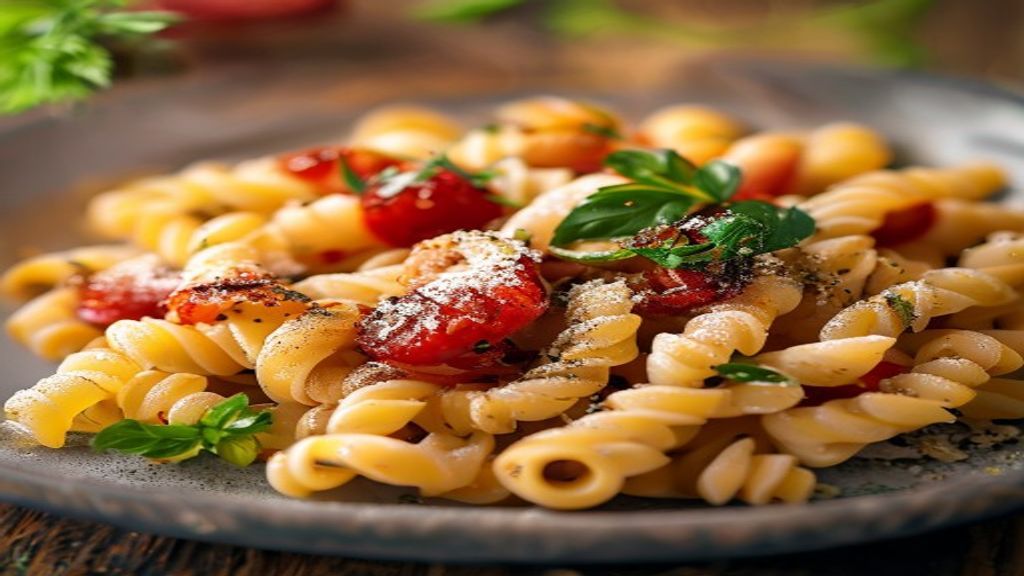
I spent months trying to satisfy a pasta craving without spiking my blood sugar, only to end up with a bowl of sad, wet ribbons. This diabetic friendly pasta recipe low carb uses a specific salting technique to ensure the zucchini maintains a firm, pasta-like bite. You’ll finally have a meal that feels like a real dinner instead of a compromise. The bright, acidic scent of fresh tomatoes hits the air as soon as the sauce hits the pan.
Quick Answer: This diabetic friendly pasta recipe uses spiralized zucchini noodles as a low carb base. By sautéing the noodles briefly and pairing them with a fresh tomato basil sauce, you create a satisfying, blood-sugar-conscious meal that mimics traditional pasta textures perfectly.
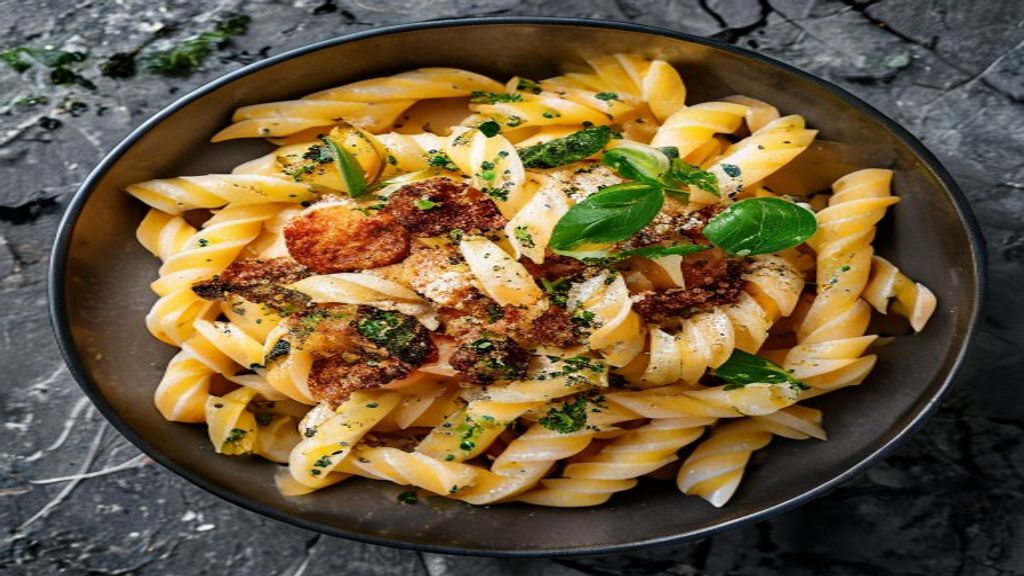
The noodles should be vibrant green and tender-crisp, not mushy, coated in a thick, fragrant tomato sauce that clings to the strands without pooling liquid at the bottom of the bowl. If you want to explore more vegetable-based sides, this approach keeps the texture snappy. It’s the only way to avoid that dreaded watery mess that ruins so many attempts at a diabetic friendly pasta recipe low carb.
Ingredients
I always grab the firmest, smallest zucchinis I can find at the market because the giant ones are usually full of seeds and turn into a watery mess.
- 4 medium zucchinis, ends trimmed
- 2 tablespoons extra virgin olive oil
- 3 cloves garlic, minced
- 1 can (14.5 oz) fire-roasted diced tomatoes, drained
- 1/4 cup fresh basil leaves, chiffonade
- 1/4 cup grated Parmesan cheese
- 1/2 teaspoon sea salt
- 1/4 teaspoon red pepper flakes
Before You Start
Don’t bother with those store-bought shirataki noodles; they have a rubbery, squeaky texture that makes me feel like I’m chewing on an eraser. This diabetic friendly pasta recipe low carb relies on fresh produce to provide that satisfying bite without the blood sugar spike. If you’re craving more protein, you can toss in some [grilled chicken breast → healthy protein additions] to make the meal feel a bit heartier.
If you can’t find fire-roasted tomatoes, regular diced ones work fine, but you’ll miss that subtle smoky depth. Just add a tiny pinch of smoked paprika to compensate. Also, make sure you use freshly grated Parmesan rather than the stuff in the green shaker can. The pre-grated kind has anti-caking agents that prevent it from melting into a smooth sauce, leaving you with a gritty texture instead.
How to Prepare Fresh Zucchini Strands
Prep: 15 mins · Cook: 10 mins · Total: 25 mins · Serves: 4
Step 1: Prepare the zucchini
Use a large, wide-bottomed skillet for this process to ensure the vegetables have enough room to cook evenly. If you crowd the pan, the noodles will steam in their own juices rather than searing, which is exactly how you end up with a soggy mess. Lay the spiralized strands out on a clean kitchen towel or paper towels while you prep the other ingredients, as this helps keep the final dish from becoming watery.
Step 2: Heat the skillet
You want the oil to be hot enough that it moves easily across the surface of the pan. When it starts to shimmer, you know it’s ready for the tomatoes. Avoid letting the oil reach its smoke point, as that will ruin the flavor of the base before you even begin.
Step 3: Cook the tomato base
Pour the tomatoes into the hot oil and listen for a steady, bubbling sound as they hit the pan. Stir them occasionally with a wooden spoon. You’ll see the tomatoes lose their raw edge and start to look slightly jammy as the liquid evaporates. This quick tomato sauce provides the foundation for the entire meal.
Step 4: Sauté the zucchini
Add the zucchini to the pan and use tongs to lift and turn the strands so they coat evenly in the sauce. Keep the heat high; you want the noodles to soften just enough to be pliable while maintaining a slight snap when you bite into them. Watch for the color to brighten to a vivid green, which usually happens after about two or three minutes of tossing.
Step 5: Finish with aromatics
Turn the heat down immediately before adding the garlic to prevent it from burning and turning bitter. As you stir the garlic and basil into the warm noodles, you’ll catch the bright, herbal scent of the greens hitting the heat. This final minute is all about melding the flavors without overcooking the delicate zucchini strands.
Step 6: Serve immediately
Transfer the noodles to plates right away, as they continue to release water if left sitting in the hot pan. Sprinkle the Parmesan over the top to add a salty, savory finish that rounds out the acidity of the tomatoes. Enjoy this while it’s still steaming and the texture is at its best.
Troubleshooting
| Problem | Cause | Solution |
|---|---|---|
| Noodles are limp | Overcooking | Remove from heat the moment they turn bright green. |
| Sauce is watery | Excess moisture | Drain the tomatoes thoroughly before adding to the pan. |
| Garlic tastes bitter | Burned in hot oil | Add garlic only after turning the heat down. |
Tips for Getting It Right
The secret to keeping these strands snappy is all about the timing of your salt. If you add the sea salt too early, it draws moisture out of the zucchini before you even hit the pan. Wait until you are tossing the noodles in the sauce to season them, which keeps the texture firm and prevents that dreaded puddle at the bottom of your bowl.
Important tip: Never add your minced garlic while the skillet is at high heat. Garlic burns in seconds, turning acrid and ruining the entire base. Always turn the heat down to low before tossing in your garlic and basil, giving them just enough time to release their aroma without scorching.
Variations Worth Trying
If you want a bit more heat, double the amount of red pepper flakes. Adding them to the oil at the very beginning of the process allows the spice to infuse the olive oil, creating a deeper, more consistent kick throughout the dish.
For a creamier finish, hold back half of the Parmesan cheese until the very last second. Stirring it in right as you take the pan off the heat creates a light, velvety coating that clings to the zucchini strands better than a simple sprinkle. You can find more ideas for simple vegetable side dishes to pair with this if you’re feeling adventurous.
Frequently Asked Questions
What is the best low carb substitute for pasta for diabetics?
Zucchini is a fantastic choice because it has a mild flavor and a texture that mimics noodles when spiralized. It doesn’t spike blood sugar levels like traditional wheat-based options, making it a reliable staple for your kitchen.
How do you make zucchini noodles without them getting watery?
The key is to avoid overcrowding the pan and to keep the heat high during the sauté. If you cook too many at once, they steam instead of searing, which releases all that trapped water and ruins the final texture.
Is whole wheat pasta diabetic friendly?
While it has more fiber than white pasta, it still contains a significant amount of carbohydrates that can impact glucose levels. Most people managing their blood sugar find that vegetable-based alternatives are a much safer bet for their daily meals.
Can diabetics eat pasta if it is low carb?
Yes, but you have to be careful with portion sizes and the type of flour used in the product. Many store-bought “low carb” pastas are still processed, so sticking to fresh, whole vegetables like zucchini is usually the most effective way to keep your numbers steady.
This recipe focuses on the ‘no-soggy-noodle’ technique, using a specific salting method to ensure the zucchini maintains a firm, pasta-like bite rather than becoming watery.
Main Ingredients
- 4 medium zucchinis, ends trimmed
- 1 can (14.5 oz) fire-roasted diced tomatoes, drained
- 1/4 cup grated Parmesan cheese
Seasonings & Extras
- 2 tablespoons extra virgin olive oil
- 3 cloves garlic, minced
- 1/4 cup fresh basil leaves, chiffonade
- 1/2 teaspoon sea salt
- 1/4 teaspoon red pepper flakes
- Step 1: Spiralize the zucchini into long strands and lay them out on paper towels to absorb excess surface moisture.
- Step 2: Heat the olive oil in your large skillet over medium-high heat until it shimmers.
- Step 3: Add the drained tomatoes and red pepper flakes to the skillet, cooking until the liquid reduces slightly.
- Step 4: Add the zucchini noodles to the skillet and toss gently with the tomato mixture until just tender.
- Step 5: Reduce the heat to low, then stir in the minced garlic, fresh basil, and sea salt.
- Step 6: Divide the mixture into bowls and top with grated Parmesan cheese.