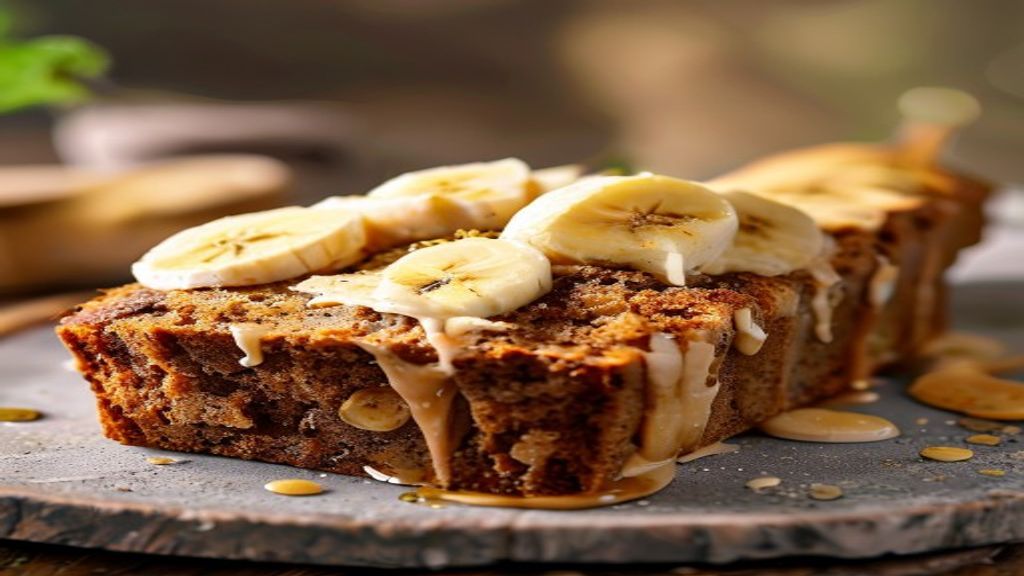
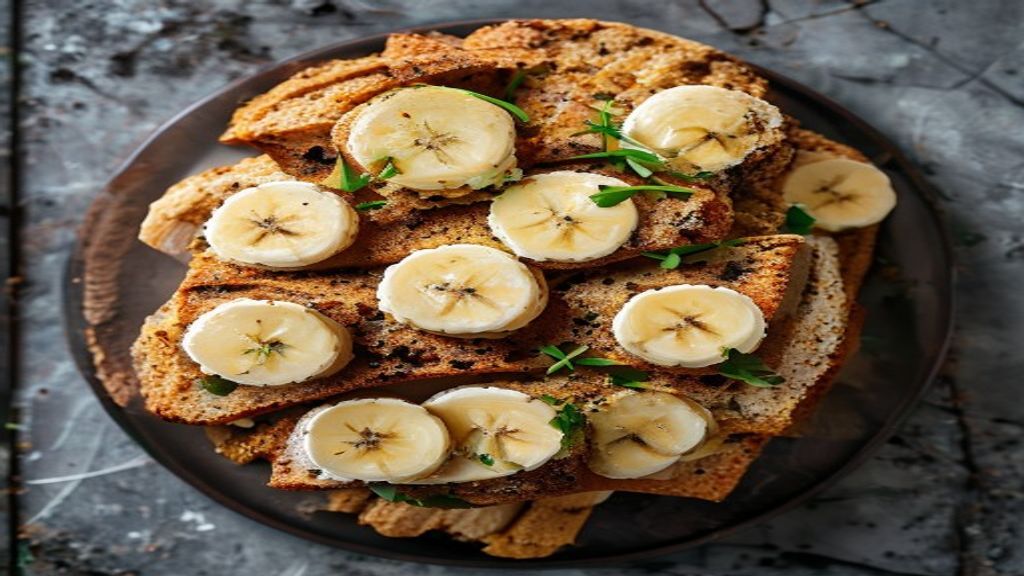
My dad was diagnosed with type 2 diabetes and swore off my kitchen until I figured out how to make a diabetic friendly banana bread recipe that didn’t send his monitor into a panic. I rely on almond flour here because the healthy fats slow down the digestion of fruit sugars, keeping those blood sugar spikes manageable. You’ll get a loaf that is a deep golden brown with a firm, domed top that springs back when pressed. It smells like warm, caramelized fruit and toasted nuts.
Quick Answer: Diabetic friendly banana bread is made by replacing refined flour with almond flour and white sugar with monk fruit sweetener. These swaps lower the glycemic impact while maintaining the moist, dense texture and natural sweetness of the ripe bananas.
This version works because the almond flour creates a rich, satisfying crumb that feels substantial without the heavy crash of refined wheat. It’s a [simple breakfast idea → healthy morning meals] that feels like a treat. When you pull it from the oven, a skewer inserted into the center should come out clean with no wet batter, confirming it’s ready to slice.
Ingredients
I always grab the Kirkland Signature almond flour from Costco because the grind is consistently fine, which keeps the crumb from feeling gritty.
- 3 large ripe bananas, mashed
- 2 cups blanched almond flour
- 1/3 cup monk fruit sweetener
- 3 large eggs, room temperature
- 1/4 cup melted coconut oil
- 1 teaspoon baking soda
- 1 teaspoon ground cinnamon
- 1/2 teaspoon vanilla extract
- 1/4 teaspoon sea salt
Before You Start
You really need to use room temperature eggs for this diabetic friendly banana bread recipe, or the coconut oil will seize up into little clumps the second it hits the cold liquid. If you’re in a rush, just drop the eggs into a bowl of warm water for five minutes.
Don’t bother with those sugar-free syrups; they leave a weird, metallic aftertaste that ruins the natural sweetness of the bananas. If you’re looking for a [different way to use up fruit → healthy breakfast ideas], you could swap the bananas for mashed roasted sweet potato, though it’ll be significantly less sweet and much denser. Make sure your baking soda is fresh, or the loaf won’t rise at all, leaving you with a flat, heavy mess that’s hard to slice.
How to Bake This Low-Sugar Banana Loaf
Prep: 15 mins · Cook: 50 mins · Inactive: 50 mins · Total: 1 hours 55 mins · Serves: 10
Step 1: Prepare the pan
Don’t skip the parchment paper here, as it acts as a safety net for the delicate almond flour structure. Make sure you use a standard 9×5-inch loaf pan; if you use a pan that’s too large, the batter will spread thin and dry out before the center sets. Avoid overcrowding the oven by keeping the pan centered on the middle rack, which allows for even heat circulation.
Step 2: Mash the bananas
Use a sturdy fork to crush the bananas until they reach a consistent, thick pulp. You want to avoid turning them into a completely liquid puree, as those small bits of fruit provide necessary texture. If you find the mixture looks too watery, drain off any excess liquid that pools at the bottom of the bowl before moving to the next step.
Step 3: Combine the wet ingredients
Whisk these together until the oil is fully emulsified into the banana mixture. You’ll see the color shift to a pale, uniform yellow as the eggs incorporate. Ensure your eggs are at room temperature so the coconut oil doesn’t seize up and create tiny, waxy clumps when it hits the cooler fruit.
Step 4: Mix the dry ingredients
Whisk the dry components thoroughly to ensure the baking soda and salt are evenly distributed throughout the almond flour. This prevents any bitter pockets of leavening agent. I always make sure the salt is fully integrated here, as it balances the natural sweetness of the fruit without overpowering the loaf.
Step 5: Preheat the oven
While the oven climbs to 350°F, let your batter sit for a few minutes. This resting period allows the almond flour to hydrate properly, which is essential for a stable crumb structure. You’ll know the oven is ready when you hear the steady hum of the fan and the air inside feels consistently hot.
Step 6: Fold and bake
Gently fold the dry ingredients into the wet until just combined; overmixing will make the loaf dense. Pour the batter into your prepared pan and smooth the top with a spatula. Bake until the loaf is a deep golden brown and the top springs back when pressed. A skewer inserted into the center should come out clean, confirming the eggs are fully set to 160°F.
Step 7: Cool the loaf
Patience is hard here, but letting the bread rest in the pan allows the structure to firm up as it loses heat. If you try to slice it while it’s piping hot, the almond flour will crumble apart. Listen for a faint, soft settling sound as the loaf cools, and the texture will become much easier to slice cleanly once it reaches room temperature.
Troubleshooting
| Problem | Cause | Solution |
|---|---|---|
| Loaf is greasy | Bananas were too watery | Drain excess liquid before mixing |
| Center is raw | Oven temperature fluctuated | Use an oven thermometer |
| Crumbles when sliced | Sliced while too hot | Cool completely in the pan |
Tips for Getting It Right
If your bananas are extremely ripe, they’ll release a lot of liquid that can ruin the texture. I always measure the mashed fruit to ensure I’m not adding too much moisture, which keeps the crumb structure from becoming soggy.
Don’t rush the cooling process. Almond flour lacks the gluten that holds traditional bread together, so it needs that time to firm up as it cools. If you cut into it too early, you’ll end up with a pile of crumbs instead of a slice.
Variations Worth Trying
You can fold in a handful of chopped walnuts if you want a bit of crunch, though I usually stick to the base recipe to keep the carb count low. If you’re feeling fancy, sprinkle a tiny bit of extra cinnamon on top before it goes into the oven. It creates a nice, fragrant crust that smells amazing while it bakes.
Frequently Asked Questions
Is banana bread okay for diabetics?
It depends entirely on the ingredients. Traditional versions use refined flour and sugar, which spike blood glucose levels. This version uses almond flour and monk fruit, which are much better choices for managing your intake.
How do you make banana bread with less sugar?
You swap out the refined white sugar for a sugar-free alternative like monk fruit. It provides the sweetness you expect without the impact on your blood sugar levels.
What is the best flour for diabetic friendly baking?
Almond flour is my go-to because it’s high in healthy fats and protein, which helps slow down the absorption of sugar. It creates a satisfying density that keeps you full longer than wheat-based alternatives.
Can you use monk fruit in banana bread?
Absolutely. It’s a direct swap for sugar in this type of baking. Just make sure you’re using a granulated version so it measures the same way as regular sugar would in the bowl.
This recipe focuses on using almond flour to provide healthy fats and protein, which significantly slows the glucose spike compared to traditional wheat-based recipes.
Main Ingredients
- 3 large ripe bananas, mashed
- 2 cups blanched almond flour
- 1/3 cup monk fruit sweetener
- 3 large eggs, room temperature
- 1 teaspoon baking soda
Seasonings & Extras
- 1/4 cup melted coconut oil
- 1 teaspoon ground cinnamon
- 1/2 teaspoon vanilla extract
- 1/4 teaspoon sea salt
- Step 1: Grease a 9×5-inch loaf pan with coconut oil and line the bottom with parchment paper.
- Step 2: Mash the bananas in a large bowl until mostly smooth with a few small chunks remaining.
- Step 3: Whisk the eggs, melted coconut oil, and vanilla extract into the mashed bananas.
- Step 4: Stir the almond flour, monk fruit sweetener, baking soda, cinnamon, and salt in a separate bowl.
- Step 5: Set your oven to 350°F and let it preheat while the batter rests.
- Step 6: Fold the dry mixture into the wet, pour into the pan, and bake for 50 minutes.
- Step 7: Let the bread cool in the pan for 20 minutes before transferring to a wire rack.

Sarah Johnson
Home Cook · Food Blogger · Family-Friendly Recipes
Hi, I’m Sarah — a passionate home cook who has spent over a decade in the kitchen, testing, tweaking,
and occasionally burning things in the name of finding the perfect version of every recipe. I believe that
real home cooking is built on honest mistakes, curious experiments, and the joy of finally
getting a dish exactly right. For this recipe, my early attempts taught me an important lesson: The first loaf turned into a dense, oily brick because I didn’t account for how much extra liquid the overripe bananas release. It was basically a banana-flavored pancake that refused to set in the middle.