Do you remember the moment you realized that your favorite creamy condiment was secretly working against you?
I was standing in my kitchen on a Tuesday afternoon, holding a jar of full-fat mayonnaise, my digital scale blinking at me. I had just finished making what I thought was a healthy chicken salad—grilled breast, crisp celery, red grapes—and then I added the mayo. By the time I calculated the calories, my “healthy lunch” was hovering near dinner territory. All because of a few spoonfuls of something I hadn’t given a second thought.
That moment of frustration stuck with me. It wasn’t just about the numbers. It was the feeling of being trapped between food that tasted good and food that made me feel good. I refused to accept that I had to settle for chalky, chemical-laden “diet” mayos that tasted nothing like the real thing. So I went to work.
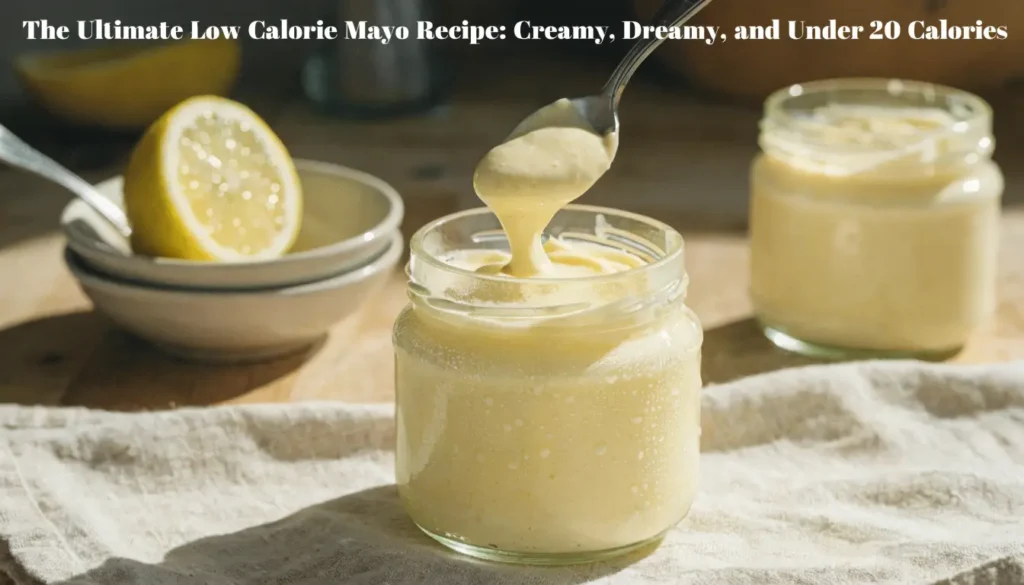
After months of testing, tweaking, and tasting, I finally cracked it. The low calorie mayo recipe I’m sharing with you today is the result of that journey. It’s velvety, tangy, and satisfying in every way that matters. And yes, it comes in at under twenty calories per tablespoon. No compromises. Just real food that actually tastes like something you want to eat.
Let’s rebuild your pantry staple from the ground up.
Why Ditch Store-Bought? The Hidden Costs of “Light” Mayo
You might be wondering: why bother making your own when the grocery store shelves are lined with “light” and “fat-free” options? It’s a fair question. But once you look past the bold lettering on those labels, a different picture emerges.
Most commercial low-fat mayonnaises aren’t actually made with fewer ingredients. They’re made with different ingredients—ones that often do more harm than good.
Here’s what you’re usually getting in that jar:
- Added sugars and starches. When manufacturers remove fat, they need something to replace the texture and mouthfeel. That something is often corn syrup, modified food starch, or maltodextrin. These ingredients spike your blood sugar and add empty calories that defeat the purpose of buying “light” in the first place.
- Industrial seed oils. Standard options rely on highly processed soybean oil or canola oil. These oils are cheap, but they’re also high in omega-6 fatty acids, which can promote inflammation when consumed in excess.
- Unnecessary preservatives. Calcium disodium EDTA, potassium sorbate—these are added to extend shelf life and maintain color. They have no place in a fresh, homemade product.
- A salt overload. To mask the chemical aftertaste of all those additives, manufacturers pile on the sodium. You end up with a condiment that tastes more like salt than creaminess.
When you make your own low calorie mayo recipe, you don’t have to worry about any of that. You control every single ingredient. You get real nutrition, real flavor, and a product that actually tastes like the mayonnaise you grew up loving.
The Science of Creaminess: How We Achieve Low Calories
To understand why this recipe works, you need to know a little about how traditional mayonnaise works. It’s not complicated, but it is clever.
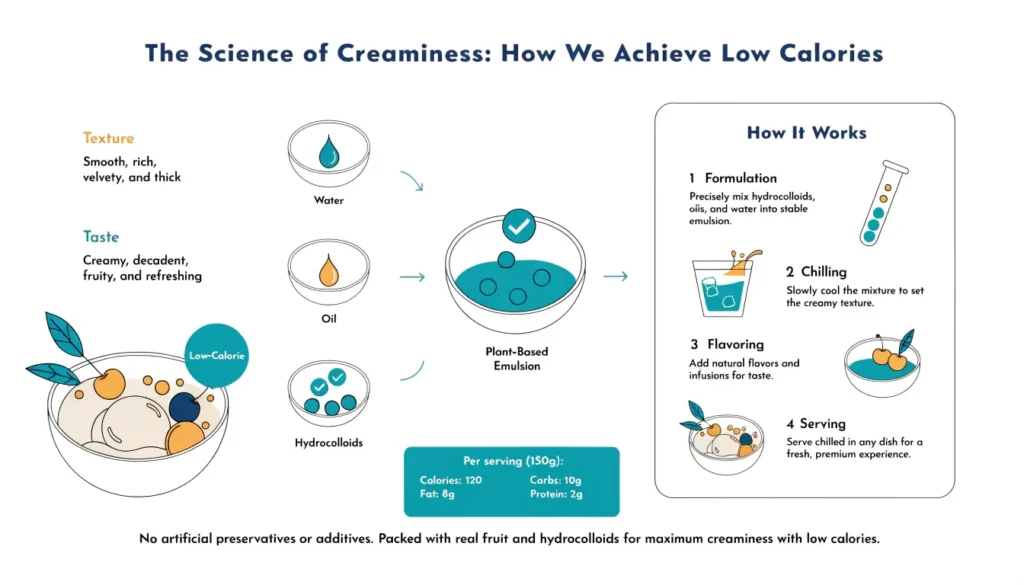
Mayonnaise is an emulsion. That means it’s a stable mixture of two things that don’t naturally want to mix: oil and water-based liquids like vinegar or lemon juice. The egg yolk acts as the bridge, thanks to a compound called lecithin. It binds everything together into that thick, creamy sauce we all recognize.
The problem is the oil. Traditional mayo is roughly 75 to 80 percent oil. And oil is pure fat. One tablespoon packs around 120 calories.
The Secret Ingredient Swap
To bring the calories down without losing the texture, I had to rethink the base entirely. Instead of relying on oil for volume, I swapped in ingredients that mimic the creaminess of fat without the caloric density.
Silken Tofu became my foundation. It’s smooth, neutral in flavor, and blends into a texture that feels remarkably similar to a thick emulsion. It also adds a small boost of plant-based protein, which you won’t find in any jar at the supermarket.
For those who prefer a dairy-based option, plain Greek yogurt works beautifully as well. It adds a tangy note and a dose of probiotics. Both options keep the calorie count low while delivering the satisfying mouthfeel you expect from a good mayo.
The Ratio for Success
I didn’t eliminate oil entirely—and here’s why. You need some fat to create a proper emulsion. Without it, you’d end up with a thin, watery sauce that separates in the fridge. By using just one tablespoon of high-quality avocado oil for the entire batch, I kept the fat content minimal while maintaining structural integrity.
Here’s how the numbers break down compared to traditional mayo:
| Ingredient | Traditional Mayo (Calories) | This Low Calorie Recipe (Calories) |
|---|---|---|
| Oil | 120 (per tbsp) | 30 (total for batch) |
| Egg Yolk | 55 | 55 |
| Silken Tofu | N/A | 40 (for ¼ block) |
| Total (per tbsp) | ~90-100 | ~15-20 |
That’s an 80 percent reduction in calories, achieved without any of the weird additives you’d find in a store-bought “light” version.
Step-by-Step: The Best Low Calorie Mayo Recipe
Now we get to the good part. This low calorie mayo recipe takes about five minutes from start to finish. No complicated techniques. No special equipment required, though an immersion blender makes it nearly foolproof.
Ingredients You’ll Need
Gather these before you start:
- ½ cup silken tofu, drained (soft variety works best)
- 1 large egg yolk (use pasteurized eggs if you prefer)
- 1 tablespoon avocado oil or light olive oil
- 1 tablespoon fresh lemon juice
- 1 teaspoon white wine vinegar
- ½ teaspoon Dijon mustard
- ¼ teaspoon fine salt
- 1 pinch cayenne pepper or paprika (optional)
The Immersion Blender Method (No-Fail)
This method is the one I use every time because it eliminates the risk of the emulsion breaking.
- Combine the ingredients. Place the silken tofu, egg yolk, mustard, lemon juice, vinegar, salt, and any spices into a tall, narrow jar. The jar should be just wide enough to fit the head of your immersion blender.
- Add the oil last. Pour the tablespoon of avocado oil directly on top of everything else. Do not stir. This allows the oil to layer on top, which helps the emulsification process.
- Blend from the bottom. Insert the immersion blender so it touches the bottom of the jar. Turn it on high and hold it steady for ten to fifteen seconds. You’ll see a white vortex forming at the bottom.
- Lift slowly. Without turning off the blender, tilt it slightly and slowly lift it toward the surface. The mixture will emulsify instantly into a thick, creamy consistency that looks and feels like traditional mayonnaise.
Whisk or Food Processor Method
If you don’t have an immersion blender, a whisk or food processor works just fine. It just requires a bit more patience.
- Whisk the egg yolk, mustard, salt, and acid together until the mixture thickens slightly and turns pale yellow.
- Slowly drizzle in the oil, drop by drop, while whisking constantly. If you add the oil too quickly, the emulsion can break.
- Once all the oil is incorporated and the mixture is thick, fold in the silken tofu and blend until smooth in a food processor.
Nutritional Breakdown & Health Benefits
This low calorie mayo recipe isn’t just about cutting numbers. It’s about making smarter choices with ingredients that actually support your health.
Nutritional Facts (Per 1 Tablespoon):
- Calories: 18
- Fat: 1.5g (primarily heart-healthy monounsaturated fat from avocado oil)
- Protein: 1.2g
- Carbohydrates: 0.4g
Why These Ingredients Matter
Let’s look beyond the numbers at what these ingredients are actually doing for you.
Silken tofu provides isoflavones, plant compounds that have been studied for their potential benefits to heart health and metabolic function. It also adds volume and creaminess without contributing saturated fat.
Avocado oil is one of the better choices for a recipe like this. Unlike highly refined vegetable oils, it’s rich in vitamin E and stable at room temperature, which means you won’t get any off-flavors developing in your jar.
Egg yolk often gets a bad reputation, but it’s actually a nutritional powerhouse. It’s one of the best natural sources of choline, a nutrient that plays a critical role in brain function, liver health, and metabolism.
5 Delicious Ways to Use Your Low Calorie Mayo
Once you have a jar of this in your fridge, you’ll find yourself reaching for it constantly. Because this low calorie mayo recipe is so neutral and stable, it works as a foundation for all kinds of meals.
1. Chicken salad that actually satisfies. Mix three tablespoons of this mayo with shredded rotisserie chicken, diced celery, red grapes, and toasted walnuts. You get the creamy richness of a classic deli salad without the calorie overload.
2. Spicy aioli for everything. Stir in a teaspoon of sriracha and a finely minced garlic clove. Use it on sushi bowls, breakfast sandwiches, or roasted sweet potato fries. It adds heat and creaminess in equal measure.
3. Homemade ranch dressing. Thin the mayo with a little unsweetened almond milk, then add dried dill, parsley, garlic powder, and onion powder. You now have a ranch dressing that works perfectly with raw vegetables or as a salad base.
4. Creamy coleslaw without the guilt. Toss shredded cabbage and carrots with two tablespoons of this mayo, a splash of apple cider vinegar, and a pinch of monk fruit sweetener. It’s tangy, crunchy, and light.
5. Fish tacos done right. Use this as the finishing sauce for air-fried or grilled fish tacos. The bright acidity cuts through the richness of the fish, and the creamy texture ties everything together.
Storage, Shelf Life, and Troubleshooting
Making your own condiments is rewarding, but it does come with a few practical considerations. Here’s what you need to know to keep your low calorie mayo recipe fresh and usable.
How to Store Your Mayo
- Use a glass container. Glass doesn’t absorb odors the way plastic does, and it won’t react with the acidity of the lemon juice and vinegar. A small mason jar works perfectly.
- Refrigerate immediately. Because this recipe contains fresh egg yolk and tofu, it needs to stay cold.
- Plan for a shorter shelf life. You’ll get about five to seven days of freshness. This is intentional—there are no preservatives here, just real ingredients.
- Do not freeze. Freezing will break the emulsion. When it thaws, you’ll end up with a grainy, separated mess that can’t be repaired.
Fixing Common Issues
Even with a simple recipe, things can sometimes go sideways. Here’s how to troubleshoot.
If your mayo is too thin: The emulsion didn’t fully form. To fix it, whisk a fresh egg yolk with a small amount of mustard in a clean bowl. Slowly drizzle your thin mixture into that new yolk while whisking constantly. The fresh yolk will help re-emulsify everything.
If it’s too tangy: The acidity from the lemon juice or vinegar can sometimes overpower the other flavors. Blend in an extra tablespoon of silken tofu to mellow it out. Add a pinch of salt as well—salt helps balance acidity.
If it tastes “beany”: Occasionally, the tofu flavor can come through more than you’d like. Add a splash of white wine vinegar and a pinch of salt. Both will help neutralize that flavor without altering the texture.
Frequently Asked Questions (FAQ)
Is this low calorie mayo recipe actually good for weight loss?
Yes, but only if you use it as part of a balanced approach. This low calorie mayo recipe allows you to enjoy the flavor and texture of traditional mayonnaise without the caloric density that often derails progress. By keeping the calorie count low, it helps you stay within your daily goals while still enjoying foods you love. That matters more than most people realize—feeling restricted often leads to falling off track entirely.
Can I make this low calorie mayo recipe vegan?
Absolutely. To make a vegan version, simply replace the egg yolk with one tablespoon of aquafaba. Aquafaba is the liquid from a can of chickpeas, and it acts as a surprisingly effective emulsifier. Follow the same immersion blender method, and you’ll get a creamy, vegan-friendly mayonnaise that holds up just as well as the original.
Why does this recipe still use oil if it’s low calorie?
Oil is the only ingredient that provides the structural integrity of a true emulsion. Without at least some fat, you’d end up with a thin, watery sauce that separates within hours. By using just one tablespoon of high-quality avocado oil for the entire batch, I’ve kept the fat content minimal while preserving the texture and mouthfeel that make mayonnaise enjoyable. It’s a small trade-off that makes a big difference in the final result.
Can I cook with this low calorie mayo?
This recipe works best as a cold condiment or finishing sauce. Because it contains silken tofu, it doesn’t hold up well to high heat. If you bake it or use it in a hot pan, the tofu can curdle and the texture will break. For grilling, searing, or baking, stick with traditional mayonnaise or butter. But for sandwiches, salads, dips, and cold preparations, this version is hard to beat.
Conclusion
Cooking healthier shouldn’t feel like a sacrifice. It should feel like a step toward something better—more energy, more confidence, and more enjoyment in the foods you eat every day.
When you make this low calorie mayo recipe, you’re doing more than just mixing a few ingredients in a jar. You’re taking control. You’re choosing real food over chemical additives. You’re proving to yourself that you don’t have to choose between what tastes good and what makes you feel good.
This recipe has saved me countless times—from boring salads, from dry sandwiches, from the frustration of feeling like I had to give up the foods I loved. I hope it does the same for you.
So grab your immersion blender, clear a spot in your fridge, and give yourself the permission to enjoy food again. One creamy, eighteen-calorie spoonful at a time.