Do you remember that specific scent? The one drifting through the mall food court—that sticky, sweet, tangy cloud of orange chicken wafting from the woks. For a lot of us, that smell is tangled up with memories of carefree meals, of grabbing a box with those little white cardboard tabs and a plastic fork, not thinking twice about what was in it.
Then came the diagnosis. Celiac. Gluten intolerance. Suddenly, that smell stopped being a craving and started feeling like a reminder of everything you couldn’t have anymore. I remember standing in line with a friend, staring at the glowing menu above the steam table, and feeling that familiar knot in my stomach.
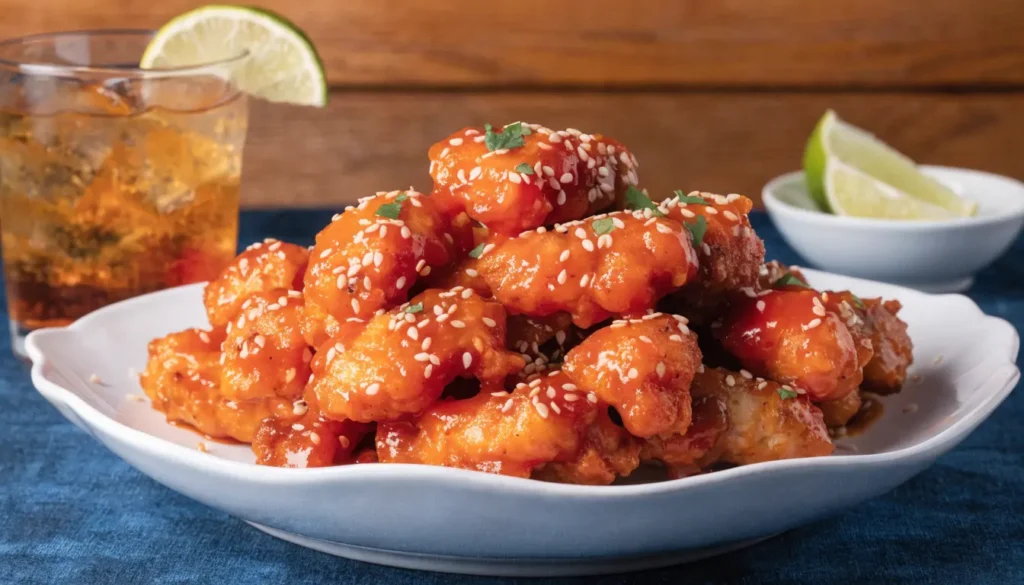
When she asked what I was getting, I just shrugged and said, “I can’t have that.” It was a small moment, but it stung. It felt like losing a simple pleasure you didn’t realize you’d miss until it was gone.
But here’s what I’ve learned since then, standing in my own kitchen with a bottle of tamari in one hand and fresh oranges in the other: you don’t have to live in that space of missing out. That comfort food isn’t off-limits just because you’re avoiding gluten. In fact, the version you make at home? It’s better. It’s crispier, it’s safer, and it doesn’t leave you with that heavy, bloated feeling you used to accept as the price of a good meal. This guide is about taking that dish back. It’s about showing you how to make gluten free orange chicken that doesn’t feel like a compromise, but an upgrade.
What is Gluten Free Orange Chicken? (And Why It’s Better Than Takeout)
Let’s break down what we’re actually talking about here. Gluten free orange chicken isn’t just a recipe swap; it’s a complete rethinking of a classic. The original dish—that American-Chinese staple—relies on three main components that are usually off-limits for anyone avoiding wheat. But when you rebuild it the right way, you’re not left with a lesser version. You end up with something that tastes cleaner, fresher, and honestly, more like the real thing than the takeout version ever did.
The Gluten Trap in Traditional Recipes
If you’ve ever wondered why you can’t just order the gluten-free option at a standard Chinese takeout spot, here’s the reality of what’s usually hiding in that orange chicken:
- Soy Sauce: This is the biggest culprit. Standard soy sauce is brewed with wheat. It’s in the marinade, it’s in the sauce, and it’s often used so liberally that cross-contamination is unavoidable. Even a dish that seems “safe” likely has this lurking in the background.
- Breading: To get that signature craggy, crispy coating, restaurants dredge the chicken in wheat flour. Sometimes it’s mixed with cornstarch, but the base is almost always gluten-based.
- Thickeners and Additives: The glossy, syrup-like texture of the sauce often comes from wheat-based starches or thickeners. Some places even use a pre-made sauce mix that contains hidden gluten in the form of maltodextrin or hydrolyzed wheat protein.
The “Upgrade” Factor
So why should you bother making this at home instead of hunting down a dedicated gluten-free restaurant? Because the homemade version genuinely outperforms the original in a few key ways.
- Cleaner Ingredients: When you control what goes into the pan, you’re eliminating the cheap fillers, preservatives, and industrial oils that usually come with takeout. Swapping to tamari (a wheat-free soy sauce) and using fresh orange juice instead of a concentrate means your body isn’t fighting off inflammation while you’re trying to enjoy a meal.
- Superior Crispiness: This might surprise you, but a coating made with a blend of cornstarch and sweet rice flour actually yields a lighter, airier crunch than traditional wheat flour. Because gluten-free batters don’t have that heavy, elastic quality, they get shatteringly crisp when fried correctly. That texture holds up better against the sauce, too. You know how takeout orange chicken often gets soggy ten minutes after it arrives? That happens far less with a well-made gluten-free version.
Key Ingredients for the Perfect Gluten Free Orange Chicken
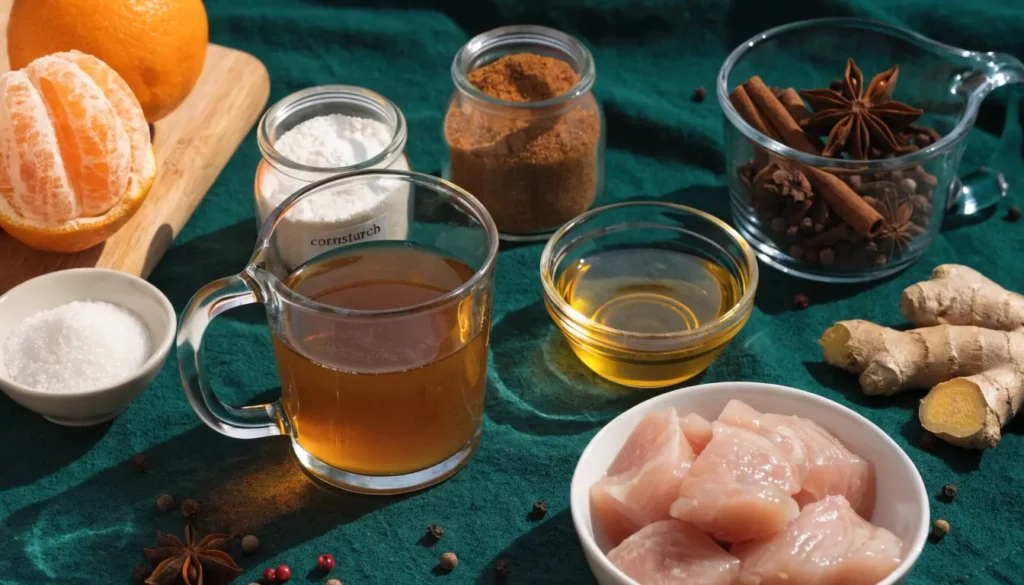
Getting the ingredient list right is the difference between a dish that feels like a sad substitute and one that has everyone at the table asking for seconds. You don’t need a pantry full of obscure items, but the choices you make here matter.
The Protein: Choosing the Right Chicken
You’ve got options, but if you want that juicy, tender texture that reminds you of your favorite takeout spot, there’s a clear winner.
- Boneless, Skinless Thighs: This is your best bet. Dark meat has a higher fat content, which means it stays moist even when subjected to high heat. Thighs are incredibly forgiving; you’d have to work hard to dry them out. When you cut them into bite-sized, one-inch pieces, you ensure that every chunk cooks evenly and gets the same ratio of crispy coating to sauce.
- Chicken Breast: You can use breasts if that’s what you have on hand. Just know they’re leaner, so they require a bit more precision. If you go this route, watch your frying time closely. The moment they hit 165°F internally, pull them out. Overcooked breast meat turns dry and stringy, which doesn’t hold up well against a sticky sauce.
The Breading Station (The Crunch Factor)
The coating is where a lot of people get nervous, but it’s simpler than it seems. The goal is to build a crust that’s craggy, crisp, and gives the sauce plenty of texture to cling to.
- The Flour Mix: You don’t need a complicated blend of five different flours. A 50/50 mix of cornstarch and sweet rice flour (sometimes labeled as glutinous rice flour, which is gluten-free despite the name) creates a beautiful, light crust. Cornstarch gives you that signature crunch, while the sweet rice flour adds a subtle chewiness and helps the coating adhere to the chicken.
- The Batter Trick: For an extra layer of crispiness, consider a light batter. Instead of just dredging the chicken in dry mix, dip it in a thin batter made from your flour blend and sparkling water or club soda. The carbonation creates tiny air bubbles in the batter, which expand when they hit the hot oil. The result is a coating that’s incredibly airy and shatteringly crisp.
The Sauce: Tamari vs. Coconut Aminos
The sauce is the heart of this dish. It needs to be sweet, tangy, savory, and glossy. Your choice of base liquid defines the entire flavor profile.
- Tamari: If you can tolerate soy (just not the wheat), tamari is the gold standard. It’s a Japanese-style soy sauce that’s traditionally brewed without wheat. It has a richer, more rounded umami flavor than standard soy sauce. It’s darker, deeper, and gives your orange chicken that savory backbone that balances the sweetness of the orange.
- Coconut Aminos: This is a fantastic alternative if you’re soy-free in addition to being gluten-free. Made from the sap of coconut blossoms, it has a naturally sweeter, slightly milder flavor. It’s also lower in sodium. While it won’t give you the exact same savory punch as tamari, it creates a delicious, allergy-friendly sauce that works beautifully with fresh orange zest.
The Cooking Method: Fried vs. Air Fryer vs. Baked
How you cook your gluten free orange chicken will determine its final texture. Each method has its strengths, and the right choice depends on what you value most: authenticity, convenience, or health.
The Classic Deep Fry (Restaurant Quality)
If you’re chasing that nostalgic, indulgent experience, this is the way to go. Deep frying creates the signature craggy crust that’s hard to replicate with other methods.
- Why it works: The high temperature of the oil (around 350°F) immediately sets the coating, creating a barrier that seals in moisture while allowing the exterior to crisp up rapidly.
- The Catch: You need to monitor your oil temperature. If you crowd the pot with too many pieces at once, the temperature drops. When that happens, the chicken ends up soaking up oil like a sponge instead of frying. Work in small batches, and use a thermometer to keep things consistent.
The Air Fryer Method (Health-Conscious)
The air fryer has become a kitchen hero for gluten-free cooking, and for good reason. It allows you to achieve a respectable crunch with a fraction of the oil.
- Why it works: A high-speed fan circulates hot air around the food, mimicking the effects of deep frying. You can achieve a crispy exterior using just a spray of oil.
- The Catch: The coating can be a bit more delicate. If you’re not careful, the strong airflow can blow some of the breading off. To prevent this, make sure your chicken pieces are well-coated and let them rest for about ten minutes after breading. This gives the coating time to hydrate and set. Also, give them a generous spray with avocado oil before they go into the basket; it helps the browning process significantly.
Pan-Frying (The Weeknight Compromise)
This method is ideal when you want deep-fried flavor without committing to a pot full of oil. A heavy-bottomed skillet or a wok works perfectly here.
- Why it works: You use just enough oil to come about a quarter of the way up the sides of the chicken. It’s less messy than deep frying, but you still get that direct heat contact that yields a golden, crispy crust.
- The Bonus: After you fry the chicken, you can pour off the excess oil, leaving just a tablespoon or so in the pan. When you add your sauce to that same pan, you’ll deglaze all those browned bits stuck to the bottom. Those bits are pure flavor, and they incorporate into your sauce, adding a depth you don’t get with the other methods.
Step-by-Step: How to Make Gluten Free Orange Chicken
Let’s get into the rhythm of the kitchen. Follow these steps, and you’ll have a dish that rivals any takeout spot.
Preparation
- Pat the Chicken Dry: This is non-negotiable. Take your boneless, skinless thighs and lay them on a paper towel. Press down to remove as much surface moisture as possible. Dry chicken sticks to coating. Wet chicken sheds coating.
- Make the Sauce: In a bowl, whisk together tamari, freshly squeezed orange juice (from about two oranges), the zest of one orange, rice vinegar, brown sugar, minced garlic, and grated fresh ginger. In a separate small bowl, make a slurry by mixing cornstarch with cold water. Set both aside.
- Dredge for Success: In a shallow dish, combine your cornstarch and sweet rice flour with salt and white pepper. In another dish, beat two eggs. Dip each piece of chicken into the egg, allowing the excess to drip off, then toss it in the flour mixture. For an extra-crispy crust, do this twice: egg, flour, egg, flour again.
Cooking and Assembly
- Fry to Golden Perfection: Heat your oil to 350°F. Carefully add the breaded chicken pieces in small batches. Fry for about 4-6 minutes, or until they’re golden brown and floating. Use a thermometer to ensure the internal temperature has reached 165°F. Drain on a wire rack (not paper towels, which can trap steam and soften the crust).
- Master the Sauce Technique: Pour your sauce mixture into a wok or large skillet over medium heat. Add the cornstarch slurry and stir constantly. You’ll see it transform from a thin liquid into a thick, glossy glaze. Here’s the crucial move: once it thickens, turn the heat off. If you add the chicken while the heat is still high, the sauce will scorch onto the chicken, turning gummy and dark. You want the residual heat to coat the chicken gently.
- Toss and Serve Immediately: Add your crispy fried chicken to the warm sauce. Gently toss until every piece is glistening. Serve right away. The magic of this dish is the contrast between the sticky sauce and the crackling crust, and that window of perfection is right after it hits the plate.
The Best Sides to Serve with Gluten Free Orange Chicken
A great main dish deserves great companions. Here’s how to build a full plate that keeps the entire meal gluten-free and satisfying.
Steamed White Rice
You can’t go wrong with the classic. Jasmine rice has a floral aroma that pairs beautifully with the citrus notes of the chicken. Calrose (sushi rice) is stickier and clumps nicely, making it easy to scoop up extra sauce.
Gluten Free Fried Rice
This is a fantastic way to round out the meal. Use day-old rice for the best texture. Sauté it with peas, carrots, and scrambled eggs, and season it with tamari and a dash of gluten-free oyster sauce (many brands now offer certified gluten-free versions).
Sautéed Bok Choy or Broccoli
You need something fresh and green to balance the richness. Blanch broccoli florets for two minutes in salted water, then shock them in ice water. When you’re ready to serve, toss them in a hot pan with a little garlic and a splash of tamari. The slight bitterness of the greens cuts through the sweetness of the orange chicken perfectly.
Common Mistakes to Avoid (Troubleshooting)
Even with a solid recipe, small missteps can happen. Here’s how to sidestep the most frequent issues so your gluten free orange chicken turns out perfect every time.
- Soggy Chicken: You’ve put in all this work to get a crispy crust, only to have it turn to mush.
- The Fix: Do not combine the chicken with the sauce until the absolute last minute. If you’re meal prepping, store the crispy chicken and the sauce in separate containers. When you’re ready to eat, reheat the sauce, then toss.
- Breading Falling Off: There’s nothing more frustrating than seeing your carefully applied coating float away in the fryer.
- The Fix: Gluten-free coatings lack the natural “glue” that gluten provides. After you dredge the chicken, place the pieces on a wire rack and let them sit for 10 to 15 minutes before frying. This resting period allows the starches to hydrate and form a bond with the chicken. It makes a massive difference.
- Bitter Orange Sauce: You wanted a bright, sweet tang, but your sauce tastes sharp or chemically.
- The Fix: Never use bottled orange juice for this dish. Bottled juice often contains preservatives and concentrates that turn acrid when reduced over heat. Always use freshly squeezed orange juice. Also, don’t skip the orange zest. The zest contains the natural oils that give the dish its authentic citrus aroma. A touch of honey or maple syrup in the sauce can also help balance the acidity.
Frequently Asked Questions (FAQ)
Is orange chicken typically gluten free?
No, in almost all standard restaurants, orange chicken is not gluten free. The chicken is coated in wheat flour, and the sauce is made with soy sauce that contains wheat. It’s one of the most common “hidden gluten” dishes on a Chinese takeout menu. However, it’s also one of the easiest to recreate safely at home.
Can I use pre-made gluten free orange chicken sauce?
Yes, you can. The market for gluten-free products has expanded significantly, and there are now several bottled orange sauces that carry a certified gluten-free label. If you go this route, always double-check the packaging for certification to ensure there’s no risk of cross-contamination. That said, making the sauce from scratch takes only about five minutes and yields a fresher, brighter flavor that’s hard to beat.
How do I store and reheat leftovers of gluten free orange chicken?
Leftovers can be stored in an airtight container in the refrigerator for up to three days. To reheat, avoid the microwave if you can. Microwaves steam the food, which will turn your crispy chicken into a chewy mess. Instead, reheat in a skillet over medium heat just until warmed through. If you have an air fryer, it’s even better—reheat at 375°F for about three to four minutes to bring back some of that original crunch.
Is Panda Express orange chicken gluten free?
No, Panda Express Orange Chicken is not gluten free. Their recipe contains wheat and soy, and the risk of cross-contamination in their open kitchens is extremely high. While some locations may offer a few gluten-sensitive options (like their steamed vegetables or white rice), the orange chicken itself is off-limits.
Conclusion
There’s something quietly empowering about taking a dish that used to represent “what you can’t have” and turning it into something you can make better than any takeout joint. Gluten free orange chicken is more than just a meal—it’s a reminder that living without gluten doesn’t mean living without the foods you love. It’s about reclaiming those moments of simple joy, one crispy, sticky bite at a time.
Whether you go all in with the deep fryer, keep it light in the air fryer, or find a happy middle ground with a skillet, you’re in control. You get to decide the quality of the ingredients, the crispiness of the coating, and the balance of sweet and tangy. You get to sit down to a meal that’s safe, satisfying, and genuinely delicious.
So the next time that craving hits—the one for that specific sweet-and-savory crunch—don’t just sigh and scroll past the delivery apps. Head to the kitchen. Zest an orange. Heat up your oil. You’ve got this.
Have you tried making gluten-free Chinese takeout at home? What’s your biggest struggle—getting the sauce right, or nailing that crispy coating? Drop a comment below and let me know. I’d love to hear what’s working in your kitchen, and if there’s a specific dish you want me to tackle next.