Let me paint you a picture of a morning I won’t soon forget. I was roughly twenty-eight weeks along, still riding that pregnancy high where everything feels slightly magical despite the constant heartburn and the fact that you haven’t seen your actual feet in weeks. The phone rang, and on the other end, a kind but clinical voice delivered news that stopped me cold: my glucose tolerance test results were back, and they pointed to gestational diabetes.
I remember hanging up and just standing there in my kitchen, one hand resting on my bump, the other clutching the phone like it might fall through the floor. Questions started flooding my mind faster than I could process them. Had I done something wrong?
Was that extra bowl of ice cream last week a terrible mistake? More pressingly, what was I supposed to feed myself now? Breakfast had always been my favorite meal—fluffy pancakes, sticky pastries, bowls of cereal that crunched just right. Was all of that gone forever?
If any part of this resonates with where you’re sitting right now, please hear me when I say this: you haven’t failed. Your body isn’t broken. Pregnancy hormones are simply throwing a very complicated party, and insulin—the hormone responsible for ushering sugar out of your bloodstream and into your cells—didn’t get the memo. This diagnosis isn’t a punishment. It’s information. It’s a roadmap that shows you exactly how to tweak your plate so both you and your baby thrive.
And breakfast? Breakfast becomes your secret weapon. Let’s dig into why.
Why Breakfast Matters So Much with Gestational Diabetes
Here’s something your doctor might not have explained in detail: while you slept, your body was running on autopilot, slowly releasing stored glucose to keep your vital organs functioning. Come morning, after eight or ten hours without food, your blood sugar levels are sitting at their most fragile state. Add to that the fact that pregnancy hormones—particularly human placental lactogen—actively work against insulin, and you’ve got a recipe for morning numbers that can climb faster than you’d like.
This early-morning vulnerability explains why many women with gestational diabetes find their blood sugar readings highest right after breakfast, even when they eat the exact same meal they’d enjoy later in the day without issue. Your system is simply more sensitive to carbohydrates during these early hours.
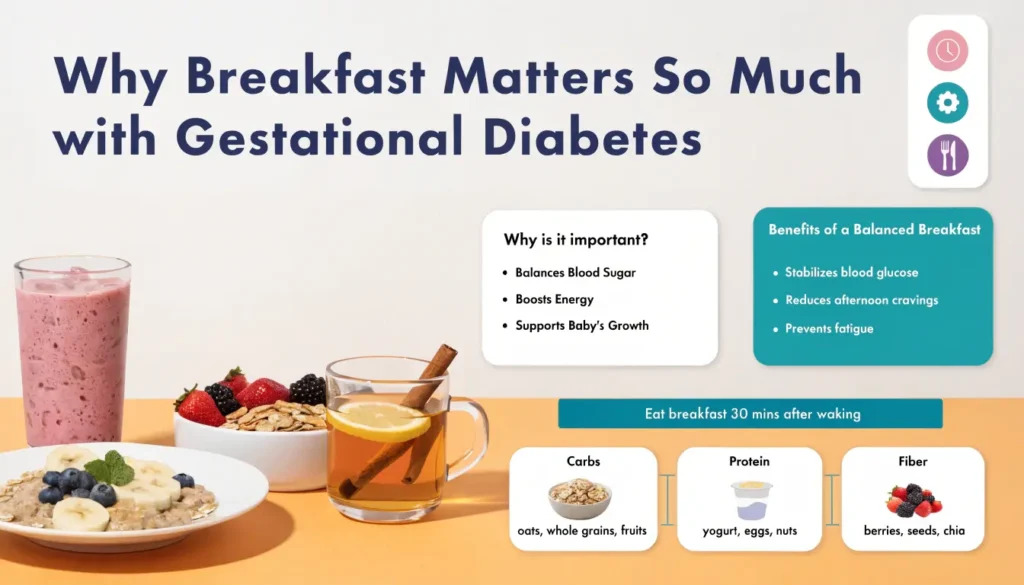
But here’s the encouraging part: you can work with this. The goal isn’t to starve yourself or eliminate entire food groups. Carbohydrates remain essential for your baby’s brain development and your own energy levels. The trick lies in pairing those carbs strategically with protein, fat, and fiber—the three amigos that slow down digestion and prevent sugar from dumping into your bloodstream all at once.
Think of it like this: simple carbs are kindling. They catch fire fast and burn out quickly. Complex carbs, when paired with protein and fat, are more like seasoned logs. They burn steady and last.
The Golden Rules for a GDM-Friendly Breakfast
Before we wander into specific breakfast ideas for gestational diabetes, let’s establish some ground rules that apply to pretty much any meal you’ll put together. These aren’t complicated dietary commandments. They’re simple guidelines you can carry with you whether you’re eating at home, grabbing something on the go, or staring down a restaurant menu.
The Plate Method Made Visual
Imagine your breakfast plate divided into three distinct sections. Half of that plate should hold non-starchy vegetables or low-glycemic fruits. Think spinach, bell peppers, mushrooms, berries, or a small apple. One quarter of the plate belongs to lean protein—eggs, Greek yogurt, cottage cheese, turkey, or tofu. The remaining quarter holds your high-fiber, complex carbohydrates, like whole-grain toast, steel-cut oats, or black beans.
You don’t need to measure everything with surgical precision. Just keep that visual in your head. Half veggies or fruit. Quarter protein. Quarter carbs.
The Power Trio: Protein, Fat, and Fiber
These three work together like a well-rehearsed team. Protein slows stomach emptying, which means carbohydrates take longer to reach your small intestine where absorption happens. Fat further delays this process. Fiber acts almost like a net, trapping some carbohydrates and reducing their overall impact on your blood sugar.
- Protein sources: Eggs, plain Greek yogurt, cottage cheese, lean meats, tofu, protein powders
- Healthy fat sources: Avocado, nuts, seeds, nut butters, olive oil, full-fat dairy in moderation
- Fiber sources: Vegetables, berries, chia seeds, flaxseed, beans, whole grains
Carbs Aren’t the Enemy
Let’s clear up a common misconception right now. You do not need to banish carbohydrates from your breakfast table. Your baby needs carbohydrates for proper neurological development. You need carbohydrates to function like a human being instead of a sluggish, irritable mess.
What you want to do is choose your carbohydrates wisely and control portions. Most women with gestational diabetes do well with thirty to forty-five grams of carbohydrates at breakfast, but your specific needs may differ. Your healthcare provider or a registered dietitian can help you nail down your personal target.
Simple carbohydrates—white bread, sugary cereals, pastries, fruit juice—enter your bloodstream rapidly and cause sharp spikes. Complex carbohydrates—whole grains, beans, vegetables, whole fruits—come packaged with fiber that slows their release. Always opt for the latter.
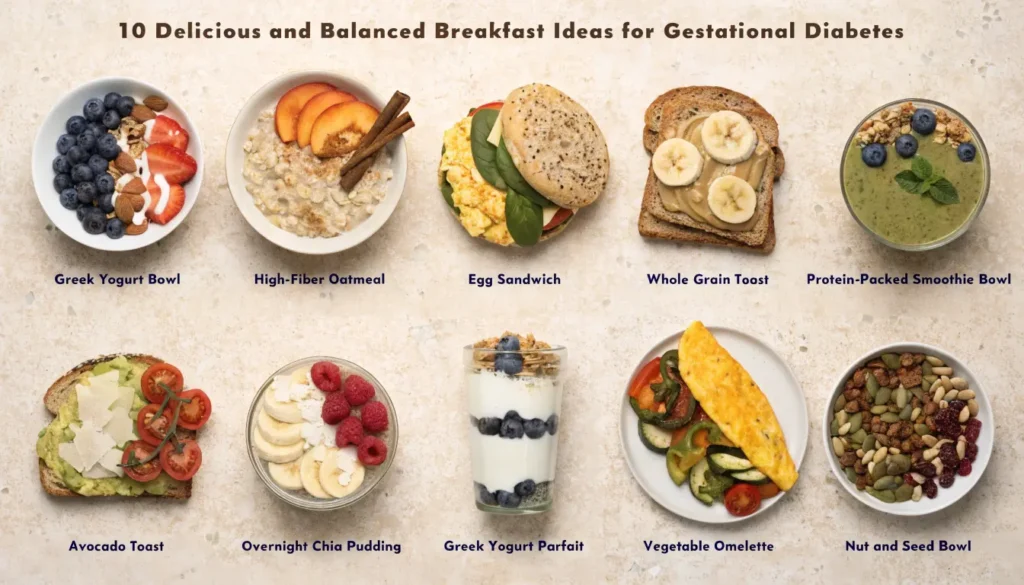
10 Balanced and Satisfying Breakfast Ideas for Gestational Diabetes
Now for the part you’ve been waiting for. These breakfast ideas come from real women who’ve navigated gestational diabetes, tweaked by dietitians and tested against glucose meters. Remember that your body may respond differently than someone else’s, so checking your blood sugar an hour or two after eating gives you personalized feedback no article can provide.
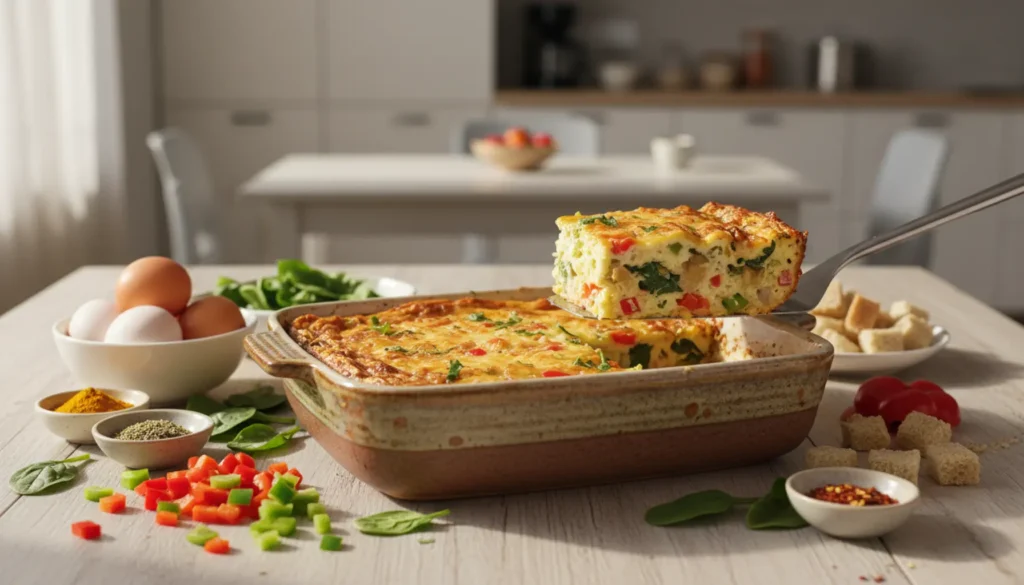
The Classic Veggie and Cheese Omelet
Eggs might be the most versatile tool in your gestational diabetes toolkit. They deliver high-quality protein and choline, a nutrient critical for your baby’s brain development that many pregnant women don’t get enough of.
Take two or three eggs and whisk them with a splash of water (this makes them fluffier than milk, by the way). Pour them into a heated, greased skillet. Before they set completely, scatter a generous handful of chopped vegetables across the surface—spinach, bell peppers, mushrooms, onions, whatever you have on hand. Sprinkle about a quarter cup of shredded cheese over one half, then fold the empty half over the filling.
Serve this with one slice of hearty whole-grain or sprouted grain toast, lightly buttered or topped with a few slices of avocado. The combination keeps you satisfied for hours.
High-Protein Greek Yogurt Power Bowl
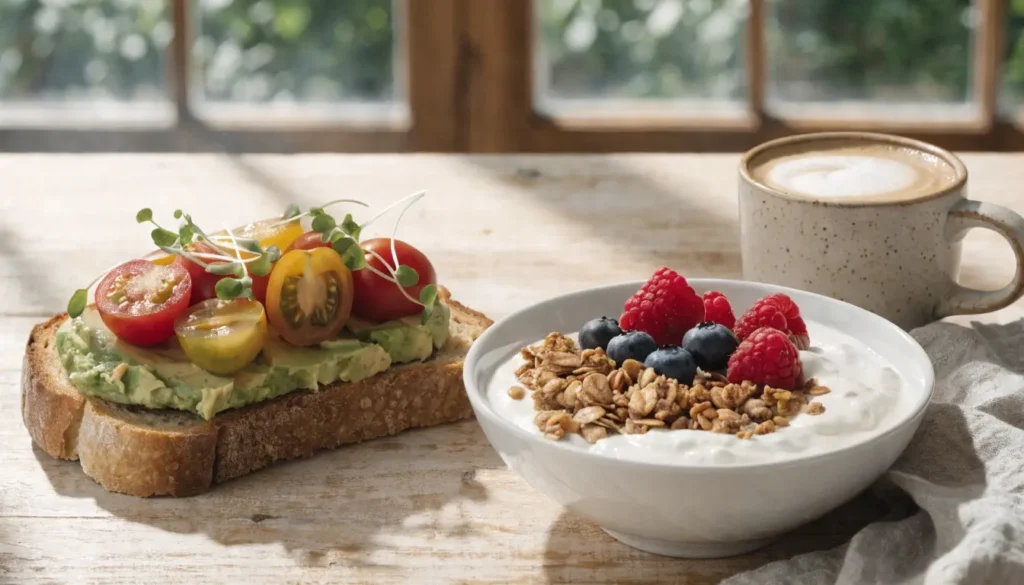
Here’s a breakfast that comes together in under two minutes but tastes like you put thought into it. Start with three-quarters of a cup of plain, full-fat Greek yogurt. Full-fat matters here because the fat helps stabilize blood sugar, and the tangy flavor beats the sugary stuff hands down.
Top your yogurt with half a cup of fresh berries. Strawberries, blueberries, and raspberries all sit lower on the glycemic index than tropical fruits like mangoes or pineapple. Sprinkle on a tablespoon or two of chopped nuts—almonds add crunch, walnuts bring omega-3s—or seeds like chia or hemp. A dusting of cinnamon doesn’t just taste good; some research suggests it may improve insulin sensitivity.
The “No-Spike” Green Smoothie
Smoothies can be tricky territory with gestational diabetes because drinking your calories often leads to faster absorption than chewing them. But with the right balance, a smoothie becomes a portable, nourishing option for rushed mornings.
Grab your blender and start with a liquid base of unsweetened almond milk, coconut milk, or Fairlife milk (which contains more protein and less sugar than regular milk). Add a scoop of unsweetened protein powder—whey, collagen, or plant-based all work—or half a cup of plain Greek yogurt. Toss in a tablespoon of almond butter or a quarter of an avocado for healthy fat. Ground flaxseed or chia seeds, about a tablespoon, boost fiber content. Pack in a huge handful of fresh spinach or kale—you genuinely won’t taste it over the other ingredients. Finally, add a quarter cup of berries or half a small green apple for fruit.
Blend until smooth. This combination delivers steady energy without the blood sugar spike that fruit-only smoothies often cause.
Savory Cottage Cheese Bowl
Cottage cheese deserves more respect than it gets. It’s packed with casein protein, which digests slowly and provides a steady stream of amino acids throughout the morning. One cup delivers around twenty-five grams of protein for roughly two hundred calories.
You can go two directions with this. For a savory bowl, top your cottage cheese with chopped cucumber, halved cherry tomatoes, a crack of black pepper, and a drizzle of olive oil. For something closer to traditional breakfast fare, add half a cup of sliced peaches—canned in juice, not syrup, or fresh when available—and a tablespoon of chopped pecans.
Avocado and Smoked Salmon on Whole-Grain Toast
This combination feels indulgent, almost like weekend brunch at a fancy café. But it’s actually one of the most balanced breakfasts you can assemble.
Start with one slice of dense, hearty whole-grain or rye toast. Mash about a quarter of a ripe avocado onto it, spreading evenly. Layer two ounces of smoked salmon over the avocado. Sprinkle with everything bagel seasoning or fresh dill if you have it.
The salmon delivers omega-3 fatty acids, which support your baby’s developing brain and eyes. The avocado provides creamy fat that slows digestion. The toast offers fiber-rich carbohydrates that release energy gradually.
Chia Seed Pudding (Prepped Overnight)
Chia seeds rank among the most blood-sugar-friendly foods you can eat. When they absorb liquid, they form a gel that dramatically slows down digestion. Plus they’re loaded with fiber, omega-3s, and minerals like calcium and phosphorus.
The night before, combine three tablespoons of chia seeds with one cup of unsweetened almond or coconut milk in a jar or bowl. Stir in half a scoop of vanilla protein powder or a dash of vanilla extract. Stir thoroughly, wait five minutes, then stir again to prevent clumps. Cover and refrigerate overnight.
Morning arrives with breakfast already made. Top your pudding with a quarter cup of fresh berries and a tablespoon of sliced almonds. It eats like dessert but fuels you like a champion.
Breakfast “Tacos” in Lettuce Wraps
If you crave something warm, satisfying, and slightly handheld, these lettuce-wrapped breakfast tacos deliver without the blood sugar spike of traditional tortillas.
Scramble two eggs in a skillet with a handful of black beans, diced onions, and chopped bell peppers. The beans add fiber; the eggs provide protein. Spoon the mixture into large, sturdy lettuce leaves—romaine works well, as does butter lettuce. Top with fresh salsa and a dollop of Greek yogurt or a sprinkle of cheese.
You get all the satisfaction of breakfast tacos with minimal impact on your blood sugar.
Almond Flour Pancakes
Let’s address the elephant in the room. Traditional pancakes, made with white or even whole-wheat flour, can send blood sugar soaring. But you don’t have to give up pancakes entirely.
Almond flour pancakes offer a lower-carb alternative that actually tastes good. A simple recipe calls for almond flour, eggs, a splash of milk, and baking powder. Mix, cook on a griddle, and top with real butter and a handful of berries. If you need sweetness, a tiny drizzle of sugar-free syrup works, or you can mash a few extra berries into a quick compote.
Almond flour contains more protein and healthy fat than wheat flour, which changes the way your body processes the meal entirely.
Hard-Boiled Eggs and Veggie Sticks
Some mornings demand speed and simplicity. This combination requires no cooking if you prepped ahead, no measuring, and no stress.
Keep a batch of hard-boiled eggs in your refrigerator at all times. Pair two or three of them with a generous portion of cut vegetables—bell pepper strips, cucumber rounds, celery sticks, snap peas. Add two tablespoons of hummus for dipping. Hummus brings additional protein, fiber, and healthy fat from chickpeas and tahini.
This breakfast travels well, eats quickly, and hits every macro you need.
Turkey and Cheese Roll-Ups with an Apple
Breakfast doesn’t have to look like breakfast. This combination proves that point beautifully.
Take two or three slices of lean turkey breast and wrap each around a stick of string cheese or a slice of your favorite cheese. Enjoy this with one small apple. The protein and fat from the turkey and cheese buffer the natural sugars in the apple, preventing the spike you might experience eating fruit alone.
Simple Breakfast Meal Prep for Busy Mornings
Mornings with gestational diabetes can feel overwhelming, especially when you’re already exhausted from growing a human and possibly chasing other children or heading to work. A small investment of time on Sunday transforms your week.
Prep-Ahead Ideas Worth Stealing:
- Boil a dozen eggs and keep them peeled in the refrigerator
- Portion nuts and seeds into small containers or baggies for easy grabbing
- Wash and chop vegetables, storing them in airtight containers with a paper towel to absorb moisture
- Make chia pudding in individual jars for three or four days at once
- Cook a batch of almond flour pancakes and freeze them with parchment paper between layers
- Mix your own power oatmeal by combining rolled oats with ground flaxseed, chia seeds, and chopped nuts
Foods to Approach with Caution at Breakfast
Every woman responds differently to various foods, but certain breakfast staples tend to cause trouble for most people with gestational diabetes. This isn’t about permanent restriction. It’s about awareness and sometimes about choosing smaller portions or different preparations.
Breakfast Foods That Often Spike Blood Sugar:
- Fruit juice in any form, even fresh-squeezed and even if you dilute it
- Sugary cereals marketed to children or adults who enjoy sweet breakfasts
- White bread, bagels, and croissants made from refined flour
- Flavored yogurts, which often contain as much sugar as dessert
- Pancakes, waffles, and French toast made from standard recipes
- Pastries, donuts, muffins, and scones from coffee shops
Frequently Asked Questions About Breakfast and Gestational Diabetes
Can I ever eat cereal for breakfast with gestational diabetes?
Yes, but you need to choose strategically. Look for high-fiber, low-sugar options like bran flakes, shredded wheat without frosting, or steel-cut oats. Measure your portion carefully—typically half to three-quarters of a cup. Pair your cereal with a substantial source of protein and fat, such as scrambled eggs on the side or Greek yogurt stirred in. Choose unsweetened almond milk or Fairlife milk instead of regular milk to reduce sugar content.
What if I’m not hungry in the morning?
Many pregnant women struggle with morning appetite, but skipping breakfast with gestational diabetes can lead to unstable blood sugar later in the day. Try a liquid option like the balanced smoothie recipe above. Alternatively, start with something small and simple, like a hard-boiled egg and a cheese stick. Some women find savory options more appealing than sweet ones first thing.
How do I know if a breakfast idea is working for me?
Testing provides answers no article can give. Your healthcare provider likely gave you a glucose meter and testing schedule for a reason. Test your blood sugar one to two hours after your first bite of breakfast. Keep a simple log noting what you ate and your resulting numbers. This personalized data tells you exactly how your body responds to different foods and combinations.
Is fruit completely off-limits at breakfast?
Absolutely not. Fruit provides essential vitamins, minerals, and fiber. The keys are portion control and pairing. Stick to half a cup of berries or one small piece of whole fruit like an apple or pear. Always pair fruit with protein and fat—berries with Greek yogurt, apple with cheese or peanut butter. Skip dried fruit and fruit juice entirely, as their sugars concentrate without the balancing fiber.
Can I have coffee or tea with my breakfast?
Yes, but watch what you add. Black coffee or unsweetened tea causes no issues. Sugary syrups, flavored creamers, and added sugar turn your beverage into a source of hidden carbohydrates. Opt for a splash of unsweetened almond milk, half-and-half, or a low-sugar creamer. Caffeine affects blood sugar differently in different people, so monitor your response if you drink significant amounts.
You’ve Got This, Mama
Finding the right breakfast ideas for gestational diabetes involves some trial and error. Some mornings your numbers will look beautiful, and you’ll feel like you’ve mastered this whole thing. Other mornings, despite your best efforts, your blood sugar might climb higher than you’d like.
Neither outcome defines you. High numbers aren’t moral failures. They’re simply information—feedback your body provides about what works and what doesn’t during this temporary season.
Be patient with yourself. Celebrate small victories, like discovering that you genuinely enjoy scrambled eggs with spinach or that chia pudding keeps you satisfied until lunch. Every balanced meal you prepare nourishes both you and your baby. Every thoughtful food choice represents an act of love.
Tomorrow morning, when you stand in your kitchen wondering what to eat, you’ll know exactly what to reach for. You’ll build your plate with intention and confidence. You’ll take that first bite knowing you’re doing something important for the tiny person growing inside you.
Now I’d love to hear from you. Which of these breakfast ideas are you most excited to try? Have you discovered any go-to meals that keep your blood sugar steady? Drop a comment below and share your experience—your insights might help another mama navigating the exact same journey.