You know that feeling when you’re standing in front of your freezer at nine o’clock at night, spoon already in hand, wrestling with the same internal debate you have every single evening? Part of you wants something cold and luxurious, something that melts on your tongue and makes the stress of the day melt away with it. The other part of you is keeping score—counting calories, tracking macros, wondering if tonight’s the night you throw caution to the wind and just dig into the premium stuff.
I spent years trapped in that cycle. The ice cream aisle became this weird emotional battleground where desire and discipline went to war every time I grocery shopped. Sure, there were “light” options, but let’s be honest with each other—most of them tasted like frozen disappointment dressed up in attractive packaging. They were either watery, artificially sweetened to the point of chemical aftertaste, or left you feeling like you’d just compromised rather than celebrated.
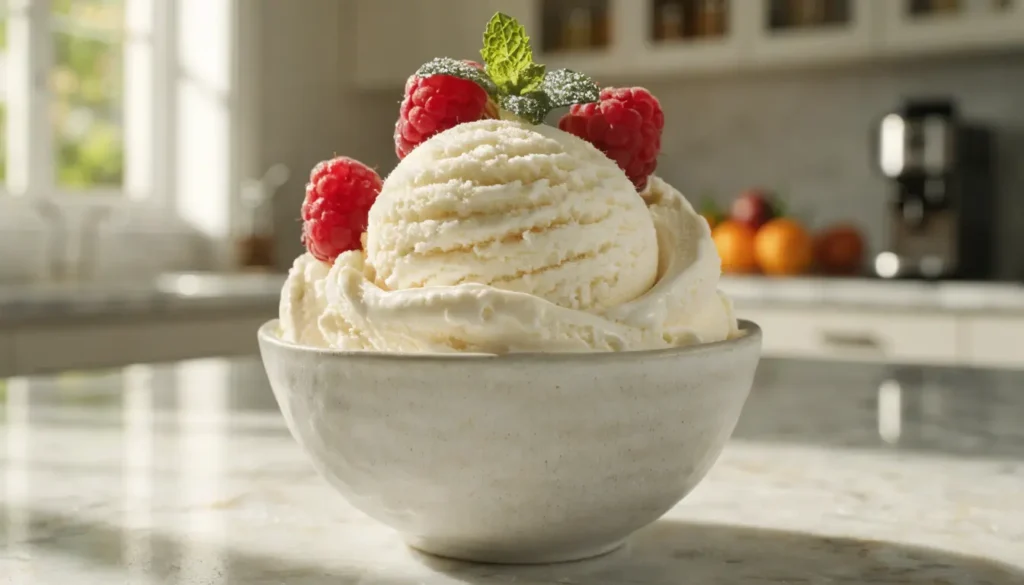
Then the Ninja Creami showed up in my kitchen, and I’m not exaggerating when I say it fundamentally changed my relationship with dessert. Finally, I could create that dense, scoopable, utterly satisfying texture I’d been chasing without surrendering to a sugar coma or blowing my entire daily calorie budget on a single pint.
This guide isn’t just about throwing ingredients into a machine and hoping for the best. It’s about understanding how to build low calorie creami recipes that genuinely satisfy—the kind that make you pause mid-bite, look at the container, and think, “Wait, this is actually good for me?” Whether you’re counting calories, watching your sugar intake, or just trying to make smarter choices without feeling deprived, you’re about to discover how to have your ice cream and eat it too.
Why the Ninja Creami Changes Everything for Dessert Lovers
Before we start blending and freezing, you need to understand why this particular machine succeeds where other “healthy ice cream” attempts have failed you in the past. Traditional ice cream makers work by churning a liquid base while gradually freezing it, incorporating air as they go. That’s why store-bought ice cream lists “air” as an ingredient—because technically, it is.
The Creami flips that entire process on its head. Instead of churning while freezing, it freezes your base into a solid block and then literally shaves it down with a blade that pulverizes the frozen crystals into something remarkably smooth. This mechanical approach means you’re not relying on heavy cream and egg yolks to achieve that luxurious mouthfeel. You’re relying on physics.
The Science Behind That Signature Texture
Think about shaved ice for a moment. Regular ice, when shaved finely enough, becomes soft and scoopable despite being nothing but frozen water. Now imagine applying that same principle to a thoughtfully crafted liquid base that contains protein, fiber, and just enough fat to carry flavor. The blade doesn’t just chop—it micro-pulverizes, breaking down ice crystals so thoroughly that your tongue perceives creaminess even when actual cream content is minimal.
This matters for your waistline more than you might realize. Because texture comes from the shaving process rather than heavy ingredients, you can build bases around:
- Ultra-filtered milk that packs protein without excess sugar
- Unsweetened nut milks hovering around 30 calories per cup
- Greek yogurt adding thickness and protein simultaneously
- Protein powders that provide structure while boosting nutritional value
The machine essentially lets you cheat the system. You get the sensory experience of premium ice cream while the actual ingredient list looks more like a respectable breakfast smoothie.
Portion Control Without the Struggle
Here’s another angle that makes these low calorie creami recipes genuinely sustainable: the pint container itself becomes your portion control. Each recipe makes exactly one pint, and you’re meant to eat the whole thing. No half servings, no measuring cups, no “I’ll just have two spoonfuls” that inevitably turns into half the container anyway.
When you build a pint that clocks in between 200 and 250 calories total, you can finish every last bite without guilt. That psychological freedom matters. Diet fatigue often comes from constant restriction, from always stopping short, from never feeling truly satisfied. With these recipes, satisfaction is literally the goal. You’re not depriving yourself—you’re upgrading your approach.
Building Your Low Calorie Creami Pantry
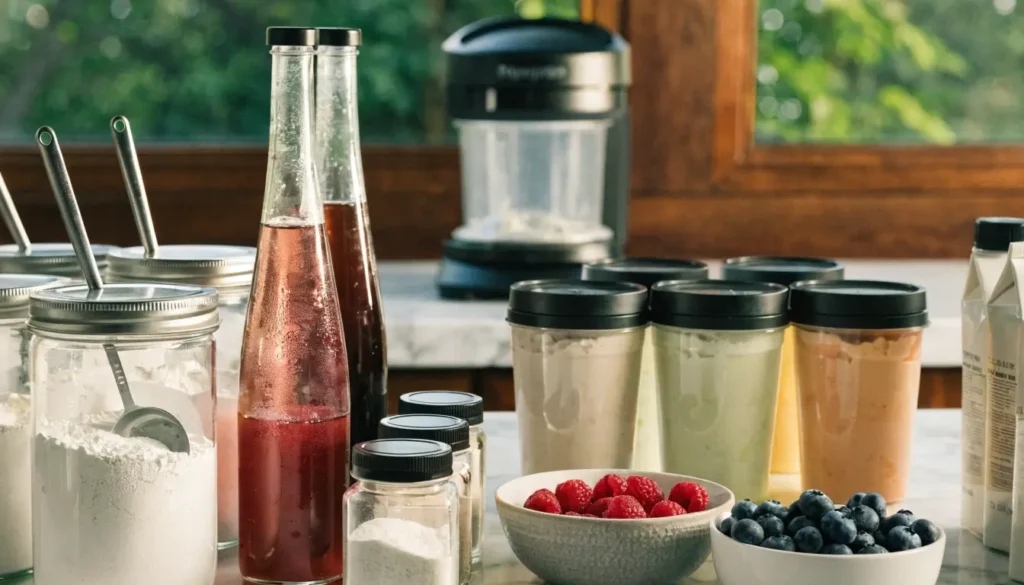
Successful low calorie creami recipes don’t happen by accident. They require a small arsenal of ingredients that work together to create volume, creaminess, and sweetness without the caloric weight of traditional ice cream components. Let me walk you through what you’ll want stocked and ready.
The Liquid Foundation
Your base liquid determines the overall calorie floor of your pint. Choose wisely based on your goals:
Ultra-filtered milk (like Fairlife) runs about 80 calories per cup but delivers 13 grams of protein. That protein contributes significantly to the final texture, helping your pint feel substantial rather than icy. If you can spare the calories, this option produces the most authentic dairy experience.
Unsweetened almond milk drops you down to 30-35 calories per cup but offers minimal protein. You’ll need to compensate with Greek yogurt or protein powder to maintain texture. The trade-off works well when you’re aiming for extremely low totals—think pints under 150 calories.
Unsweetened cashew milk sits somewhere in the middle, creamier than almond milk naturally but still around 25-40 calories per cup depending on the brand. The inherent richness helps replicate that full-fat mouthfeel.
Canned coconut milk (light version) adds tropical richness at about 150 calories per cup. Reserve this for specific flavor profiles where coconut enhances the experience, like chocolate or pineapple combinations.
The Protein and Thickness Components
You need structure. Without it, your pint shaves into snow rather than ice cream.
Non-fat Greek yogurt deserves a permanent spot in your refrigerator. It adds tang, creaminess, and protein density. A half cup contributes about 65 calories and 12 grams of protein while improving the overall body dramatically.
Cottage cheese sounds unconventional, I know, but blended until smooth, it becomes incredibly creamy with minimal calories. Four percent cottage cheese adds richness; non-fat keeps calories minimal. The key is blending it thoroughly with your liquid base before freezing.
Protein powder serves dual duty—flavor and structure. Whey protein blends smoothly but can create slightly airier results. Casein protein, often found in “slow digesting” blends, thickens more dramatically and produces results closer to soft serve. Vegan proteins vary widely; pea protein can work but may introduce grittiness if not balanced properly.
Sugar-free pudding mix remains one of the best shortcuts available. A small spoonful (maybe a quarter of the box) adds stabilizers and flavor without significant calories. Vanilla and cheesecake flavors work universally; chocolate enhances any chocolate-based pint.
Sweeteners That Actually Work When Frozen
Regular sugar crystallizes and can leave your pint gritty at these low calorie levels. You need alternatives that behave differently in frozen environments.
Allulose has become my personal favorite for good reason. It dissolves easily, doesn’t crystallize when frozen, and actually becomes slightly syrupy at cold temperatures—exactly what you want for scoopable texture. It measures cup-for-cup like sugar but contributes negligible calories.
Monk fruit sweetener blends well with allulose in many commercial products. On its own, it can be intensely sweet with a slight cooling aftertaste that some people notice more than others.
Erythritol provides bulk at zero calories but crystallizes more readily. If you use it alone, consider dissolving it in warm liquid first and adding a tiny pinch of gum to prevent graininess.
Ripe frozen bananas work as a whole-food sweetener and texture agent simultaneously. They add noticeable flavor, so reserve them for recipes where banana complements the profile—chocolate, peanut butter, or berry combinations work beautifully.
The Stabilizer Pinch
This tiny addition makes an enormous difference. Guar gum or xanthan gum, used in amounts so small you barely measure them (literally 1/8 to 1/4 teaspoon per pint), prevent ice crystal formation and give your ice cream that store-bought mouthfeel. Without stabilizers, your low calorie creami recipes will still taste good but may lean slightly icy, especially after a day or two in the freezer.
Your Master Recipe: The Adaptable Foundation
Before you start experimenting with elaborate combinations, build this basic base. Once you understand how it behaves, you can modify it endlessly.
The Foundation Recipe:
- 1½ cups unsweetened almond milk (about 45 calories)
- ½ cup non-fat Greek yogurt (about 65 calories)
- 1 scoop vanilla or unflavored protein powder (approximately 100-120 calories)
- 1 tablespoon allulose or preferred sweetener (0-10 calories depending on type)
- ⅛ teaspoon guar gum or xanthan gum
The Method:
Whisk everything together thoroughly. Actually, scratch that—use an immersion blender or small countertop blender. Dry ingredients like protein powder and gum need real agitation to incorporate fully. Lumps now mean gritty texture later, so take the extra sixty seconds to ensure complete blending.
Pour the mixture into your Creami pint container, leaving about half an inch of headspace. Freeze on a perfectly level surface for a full 24 hours. Don’t rush this. Twenty-four hours isn’t a suggestion; it’s the difference between perfect texture and icy disappointment.
When you’re ready to indulge, remove the pint from the freezer. Run the lid under hot water for about ten seconds to break the seal, then place the pint in the outer bowl. Select the “Lite Ice Cream” setting and let the machine work.
Here’s what you’ll likely notice: after the first spin, the mixture might look powdery or crumbly. This is normal for low-fat bases. Add one to two tablespoons of liquid—any liquid, even water works—and hit the “Re-spin” button. That second pass transforms powder into cream.
Five Recipes That Will Rotate Through Your Freezer Regularly
These five combinations represent different flavor profiles and calorie ranges. Each one has been tested repeatedly, tweaked, and perfected for maximum satisfaction.
Cookies and Cream Protein Pint
This one hits about 210 calories total and tastes remarkably close to the real thing.
You’ll need:
- 1 cup unsweetened vanilla almond milk
- ½ cup non-fat cottage cheese
- 1 scoop chocolate protein powder
- 2 chocolate wafer cookies (Oreo Thins or Catalina Crunch work perfectly)
The approach:
Blend the cottage cheese with the almond milk until absolutely smooth—no curds remaining. Cottage cheese haters, stay with me here. Once blended, you cannot detect it, and the protein boost is substantial. Add the chocolate protein powder and blend again.
Pour into your pint and freeze for 24 hours. Process on Lite Ice Cream, then re-spin with a tablespoon of milk if needed. Crush the cookies by hand—you want chunks, not dust—and stir them into the pint after the final spin. Adding mix-ins after processing keeps them crunchy rather than dissolving into the base.
Salted Caramel Brownie Dough
Rich, indulgent, and surprisingly only around 230 calories for the entire pint.
You’ll need:
- 1½ cups Fairlife 2% milk
- 1 tablespoon sugar-free caramel syrup
- ½ teaspoon caramel extract (this intensifies the flavor without calories)
- Generous pinch of sea salt
- 1 tablespoon high-protein brownie bites or crumbled low-calorie brownie
The approach:
The salt needs to integrate throughout the base, not just sit on top. Mix it thoroughly with the other liquids before freezing. That even distribution means every bite carries that sweet-salty contrast rather than just the first few.
Freeze, process, and re-spin as usual. The brownie pieces go in after processing to maintain their texture. If you’re feeling ambitious, warm half a teaspoon of actual peanut butter until drippy and drizzle it over the top after scooping into a bowl.
Strawberry Cheesecake Churn
This one tastes like summer in a pint and runs about 190 calories.
You’ll need:
- 1 cup unsalted almond milk
- ½ cup non-fat cream cheese, softened
- ½ cup fresh or frozen strawberries
- 1 scoop vanilla protein powder
- 1 full sheet graham cracker
The approach:
If strawberry seeds annoy you, cook the strawberries down into a quick compote first—five minutes in a small saucepan breaks down the fruit and minimizes seed presence. Let it cool completely before mixing.
Blend the softened cream cheese with the milk until completely smooth before adding other ingredients. Cream cheese doesn’t incorporate easily when cold, so letting it sit on the counter for twenty minutes makes a noticeable difference.
Freeze and process normally. Crush the graham cracker sheet finely and stir in after the final re-spin for that authentic cheesecake crust experience throughout.
Mint Chocolate Chip
This classic translates beautifully to low calorie form, coming in around 200 calories.
You’ll need:
- 1½ cups unsweetened coconut milk beverage (the carton kind, not canned)
- 1 scoop chocolate protein powder
- ¼ teaspoon peppermint extract
- Green food coloring if desired (completely optional)
- 1 tablespoon sugar-free chocolate chips
The approach:
Peppermint extract is potent. Start with ⅛ teaspoon, taste your base, and add more if needed. Too much creates an overwhelming experience that reads more like mouthwash than dessert.
The chocolate protein powder creates a subtle background cocoa note that complements the mint beautifully. If you prefer a truly white base, use vanilla protein and add cocoa powder separately.
Process normally, then stir in the chocolate chips after the final spin. Lily’s and ChocZero both make excellent sugar-free chocolate chips that melt appropriately on the tongue.
Peanut Butter Cup
At roughly 250 calories, this is the most indulgent of the group—and worth every single one.
You’ll need:
- 1 cup unsweetened almond milk
- ½ cup non-fat Greek yogurt
- 1 tablespoon PBFit powdered peanut butter
- 1 scoop chocolate or vanilla protein powder
- 1 square dark chocolate, chopped finely
The approach:
Powdered peanut butter delivers authentic flavor for minimal calories and almost no fat. Mix it thoroughly with the liquid components before adding protein powder.
For the full peanut butter cup experience, warm half a tablespoon of regular peanut butter until it becomes drizzle-consistency. After you’ve scooped the finished ice cream into a bowl, drizzle that warm peanut butter over the top. It hardens slightly on contact with the cold ice cream, creating those classic peanut butter shell pieces that shatter when you bite into them.
When Things Go Wrong: Troubleshooting Your Pints
Even with excellent low calorie creami recipes, sometimes results disappoint. Here’s how to diagnose and fix common issues.
The texture is powdery and dry: This happens constantly with low-fat bases. You simply need more liquid. Add two tablespoons of milk and run another re-spin cycle. The blade warms slightly during operation, which helps bind the particles together.
Ice crystals have formed throughout: You likely skimped on stabilizers or used a sweetener that crystallizes at low temperatures. Next time, increase your gum amount slightly—literally another ⅛ teaspoon makes a difference. Allulose also helps prevent crystallization better than erythritol alone.
The blade spins but won’t penetrate: There’s a frozen bump on top blocking the blade. Run the sealed pint under hot water for thirty to sixty seconds, rotating occasionally. That melts just enough surface ice to let the blade engage properly.
The flavor tastes faint or flat: Cold numbs your taste buds. Your base should taste slightly too sweet before freezing. If it tastes balanced at room temperature, it will taste bland frozen. Adjust by adding more extract, sweetener, or salt before freezing next time.
Frequently Asked Questions About Low Calorie Creami Recipes
Can I use water instead of milk for zero calories?
You can, but you genuinely won’t enjoy the result. Water freezes into ice, and even the Creami’s blade can’t transform ice into creamy dessert. You need some combination of protein, fat, or fiber to create the mouthfeel you’re craving. Water-based pints end up tasting like frozen juice bars at best and sad snow cones at worst.
Why do my low calorie recipes need re-spinning so often?
Low-fat, low-sugar bases lack the melting point depression that traditional fat and sugar provide. They freeze rock-solid and require mechanical intervention to become scoopable. The re-spin function isn’t a sign of failure—it’s an essential part of the process for anyone making lighter recipes. Embrace it.
How long do these pints keep in the freezer?
Ideally, you’ll eat them within one to two weeks. Without the preservatives and stabilizers found in commercial ice cream, homemade versions degrade faster. After about ten days, texture suffers noticeably. If you must store longer, press plastic wrap directly onto the ice cream surface before sealing the lid to minimize freezer burn.
What’s the absolute lowest calorie recipe possible?
A stripped-down version using 1½ cups unsweetened almond milk (45 calories) and one scoop of low-calorie protein powder (around 90-100 calories) with a pinch of guar gum yields approximately 135-145 calories for the entire pint. It won’t taste as luxurious as versions with Greek yogurt or cottage cheese, but it satisfies volume cravings and delivers a legitimate frozen dessert experience for minimal caloric investment.
Can I use this machine for sorbet or dairy-free options exclusively?
Absolutely. Many people use their Creami exclusively for dairy-free creations. Coconut milk, oat milk, and even fruit juice bases work beautifully. Just maintain the same principles—include something for structure (protein powder, banana, or gums) and sweeten appropriately for frozen temperatures.
Your Next Step Toward Guilt-Free Dessert
You now have everything you need to transform your freezer into the best ice cream shop in town—one that knows your preferences, respects your goals, and never judges your late-night cravings. The recipes here are starting points, not rigid formulas. Once you understand how the ingredients behave, you’ll start creating your own combinations based on whatever catches your attention at the grocery store.
Here’s what I want you to do tonight: pick one recipe from this guide, gather the ingredients tomorrow, and commit to making your first pint. Not next week, not when you have more time—tomorrow. Experience the process yourself. Feel that moment of disbelief when the blade finishes its second spin and you’re looking at a pint of genuine ice cream that aligns with everything you’re trying to accomplish.
Then come back and tell me about it. Drop a comment, share your creation, ask questions about variations you’re considering. This approach to dessert works best as a conversation, a shared exploration of how far we can push the boundaries between indulgence and wellness.
Your spoon is waiting. Your freezer is ready. And for the first time, you can have that creamy, dreamy experience without the guilt following you to bed. That’s not just a win for your taste buds—it’s a win for your whole relationship with food.