Remember the first time you had to question a food you’d eaten your entire life? That moment when something as simple as spreading butter on toast became a moment of hesitation? I’ve been exactly where you are right now—standing in the grocery aisle, butter in hand, turning the package over like it contains the secrets to the universe, wondering if this seemingly innocent ingredient could secretly sabotage your gluten-free journey.
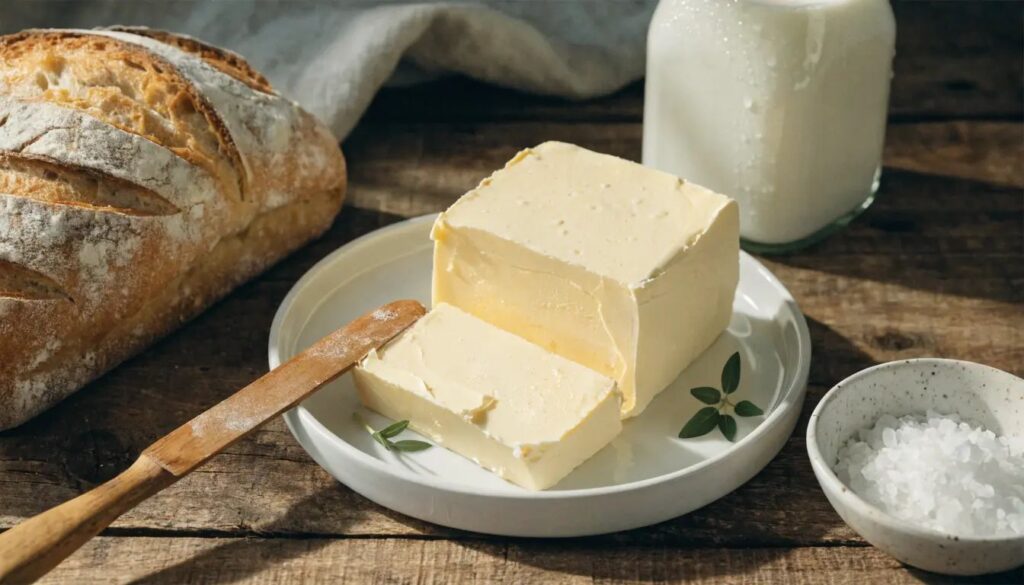
Let me walk you through everything I’ve learned about butter and gluten, so you can stop second-guessing and start enjoying your food again.
The Straight Answer: Is Butter Naturally Gluten Free?
Here’s the truth you’ve been waiting for: plain butter, in its most basic form, contains absolutely no gluten. None. Zero. Zilch.
When you strip butter down to its core components, you’re looking at a remarkably simple food. Cream gets churned until the fat separates from the liquid, sometimes salt gets added, and that’s really it. No wheat, no barley, no rye—just pure dairy fat that’s been pleasing humans for thousands of years.
What actually goes into traditional butter:
- Pasteurized cream (the only non-negotiable ingredient)
- Salt (in salted varieties, typically less than 2%)
- Starter cultures (in European-style cultured butters)
- Annatto (sometimes added for yellow color, derived from seeds)
The Celiac Disease Foundation backs this up—single-ingredient dairy products don’t contain gluten proteins. Those proteins simply don’t exist in cow’s milk. You’re dealing with completely different biological territory here.
But here’s where things get interesting, and where your vigilance still matters.
When Butter Becomes a Question Mark
You might be thinking, “Great, so I can relax.” Not so fast. The butter itself might be innocent, but how it reaches your plate introduces variables you need to understand.
The Shared Butter Dish Problem
Picture your average family breakfast scene. Someone makes wheat toast, it pops up golden brown, they grab a knife, spread butter, dip back in for more, and those tiny crumbs fall into the dish. You come along later, use that same butter, and suddenly you’ve consumed gluten without touching a single slice of bread.
This isn’t theoretical—it happens in kitchens everywhere. The butter acts like a trap, holding onto those microscopic crumbs that you can’t even see.
Ways to protect yourself:
- Claim your own butter dish and label it clearly
- Switch to spreadable butter in a squeeze bottle
- Use butter sticks and cut off a fresh pat each time
- Keep separate condiments if you share a kitchen
Restaurant Butter Traps
Eating out presents its own challenges. You order a baked potato with your steak, specifically request no bread, and feel safe. But that butter pat arriving on your plate? It might have spent time in a shared container next to the dinner rolls, with servers grabbing butter using the same knife they just used to cut garlic bread.
Always ask your server about how they store and serve their butter. Most establishments are happy to accommodate when they understand your needs.
Beyond Plain Butter: What About All Those Varieties?
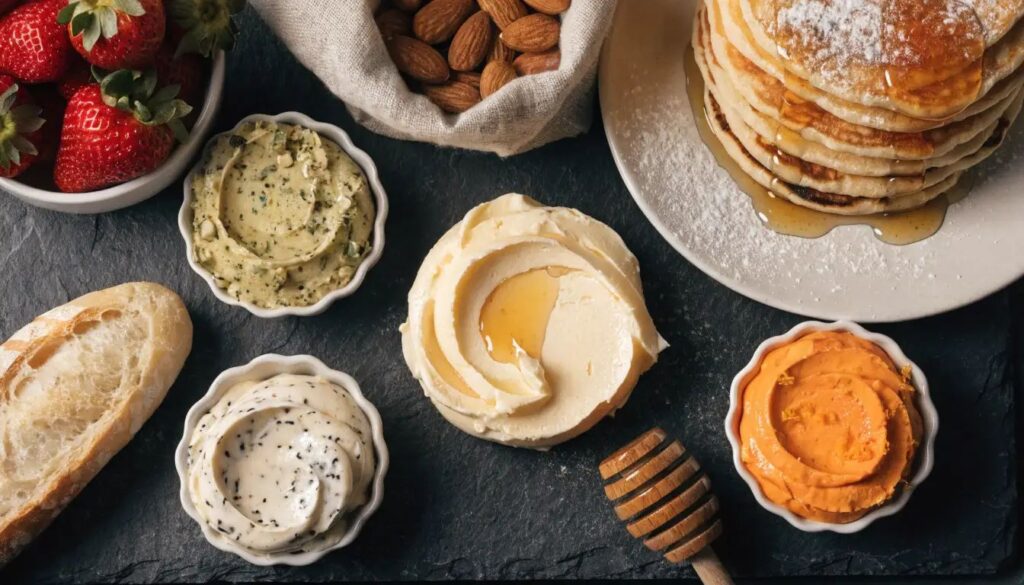
Walk through any dairy aisle today and you’ll find butter has expanded into dozens of varieties. Each one deserves a closer look.
Flavored Butters and Spreads
Garlic butter sounds harmless enough, right? Garlic doesn’t contain gluten. But commercial garlic butter often includes more than just garlic and butter. Manufacturers add spices, natural flavors, and sometimes thickeners to achieve that perfect spreadable consistency.
The same goes for:
- Honey butter (sometimes includes barley malt syrup)
- Herb butters (watch for spice blends with anti-caking agents)
- Cinnamon sugar butter (sugar is safe, but check the source)
- Truffle butter (truffle flavoring occasionally contains maltodextrin)
Maltodextrin deserves special mention here. This common additive comes from starch—corn, potato, rice, or wheat. In the United States, if manufacturers use wheat as the source, they must declare it on the label. You’ll see “wheat” in the allergen statement or ingredients list. If you only see “maltodextrin” without a source specified, it’s almost certainly corn-based and safe for your gluten-free lifestyle.
Whipped Butter and Light Butter
These products contain air or added water to create that fluffy, easy-spreading texture. The ingredients list grows longer here. You might find:
- Vegetable oils (canola, soybean, palm)
- Water
- Salt
- Natural flavors
- Mono and diglycerides (emulsifiers derived from fats)
- Potassium sorbate (preservative)
None of these ingredients inherently contain gluten. But the longer the ingredients list, the higher the chance that somewhere in that supply chain, cross-contamination could occur. Major brands understand this and typically label their products clearly. If you don’t see a gluten-free label, take an extra moment to check their website or contact customer service.
European Butter vs. American Butter
European butters contain higher butterfat content (typically 82% or more compared to America’s 80% minimum). They often include live cultures for that tangy flavor. These cultures come from bacteria grown on gluten-free mediums, so you’re safe here too.
Brands like Kerrygold, Plugrà, and Président all confirm their plain butters contain no gluten ingredients. Just stick to the unsalted and salted versions, and you’re golden.
The Plant-Based Revolution: Vegan Butters Under the Microscope
Maybe you’re avoiding dairy along with gluten. Maybe someone in your house follows a plant-based diet. Whatever your reason, the world of vegan butters has exploded, and these products require extra attention.
Common Plant-Based Butter Ingredients
Manufacturers get creative when replacing dairy fat. You’ll encounter bases like:
- Coconut oil
- Palm fruit oil
- Avocado oil
- Olive oil
- Shea butter (yes, the same stuff in moisturizers)
- Almond oil
- Cashew cream
Then come the emulsifiers and thickeners that help everything stay together:
- Sunflower lecithin
- Soy lecithin
- Modified food starch
- Vegetable glycerin
- Oat flour
That last one—oat flour—demands your attention. Regular oats face high cross-contamination risk during growing and processing. Unless the product specifically states “certified gluten-free oats,” you’re taking a gamble. Some people with celiac disease react to oats even when certified, due to avenin, a protein similar to gluten. Know your own tolerance level.
Popular Vegan Butter Brands and Their Status
Earth Balance: Most of their products carry gluten-free labeling. Their website maintains an updated list of which spreads meet the standard.
Miyoko’s Creamery: This brand builds everything around cultured cashew milk. Their website states all products contain no gluten ingredients, though they don’t test for cross-contamination in shared facilities.
Country Crock Plant Butter: The original Country Crock contains gluten-free labeling on their plant-based sticks and tubs. Check each variety, as recipes differ.
Smart Balance: Some varieties contain gluten-free labeling, others don’t. The buttery spreads with flax oil typically test safe, but verify before buying.
Reading Labels Like a Pro: Your Three-Step System
You don’t need to spend twenty minutes in every grocery aisle. Develop this simple system and you’ll scan packages in seconds.
Step One: Hunt for the Seal
The Gluten-Free Certification Organization (GFCO) seal means the product has undergone rigorous testing and contains less than 10 parts per million of gluten. This exceeds the FDA’s 20 ppm standard and provides maximum safety. Other reliable seals come from the Celiac Support Association and the National Celiac Association.
Step Two: Check the Contains Statement
Federal law requires labeling of major allergens, including wheat. Look for “Contains: Milk” on butter products. If wheat appears anywhere in that statement, put it back. If you see “May contain wheat” or “Manufactured in a facility that processes wheat,” you’ll need to decide based on your personal sensitivity level.
Step Three: Scan the Full Ingredients
Take thirty seconds to read everything. Watch for:
- Wheat, barley, rye, or malt in any form
- Hydrolyzed wheat protein
- Wheat starch
- Modified food starch (without a source listed)
- Natural flavors (vague, but wheat must be declared separately)
When in doubt, remember that manufacturers want you to buy their products. Most include clear labeling because they understand the gluten-free community shops carefully and remains loyal to trusted brands.
Cooking and Baking with Butter: What Works and What Doesn’t
Once you’ve confirmed your butter’s safety, you can put it to work in your kitchen. Gluten-free cooking actually benefits enormously from butter’s unique properties.
Why Butter Shines in Gluten-Free Baking
Gluten-free flours behave differently than wheat flour. They absorb more liquid, they lack elasticity, and they can turn dense and gummy without help. Butter steps in as your ally here.
The fat in butter coats the flour particles, interrupting gluten formation—not that you have gluten to worry about, but this same action prevents your baked goods from turning into hockey pucks. Butter also adds moisture that gluten-free flours desperately need.
Temperature matters more than you think:
- Cold butter creates flaky textures in pie crusts and biscuits
- Room temperature butter creams properly with sugar for cakes
- Melted butter adds density and chew to cookies
Experiment with these differences. Your gluten-free pie crust might actually turn out flakier than traditional versions when you handle the butter correctly.
The Magic of Brown Butter
Here’s a technique that transforms simple dishes into something special. Melt butter in a light-colored pan over medium heat. It’ll foam up, then subside, and you’ll see golden brown specks forming at the bottom. The aroma turns nutty and almost caramel-like.
Brown butter works wonders on:
- Gluten-free pasta with sage
- Roasted vegetables
- Gluten-free sugar cookies
- Mashed potatoes
- Popcorn
The milk solids toast during this process, but they don’t introduce any gluten concerns. You’re simply intensifying flavor through controlled browning.
Ghee: Butter’s Clarified Cousin
Ghee, or clarified butter, has milk solids removed, leaving pure butterfat. This makes it suitable for people avoiding lactose or casein, and it handles higher cooking temperatures without burning.
Traditional ghee contains no gluten ingredients. However, some commercial ghee producers add spices or flavorings, so check those labels. Pure ghee from reputable brands like Purity Farms or Tin Star Foods carries gluten-free certification.
Shopping Guide: Brands You Can Trust
After years of navigating this landscape, I’ve identified brands that consistently deliver safe products. Keep this list handy for your next shopping trip.
Mainstream Butter Brands:
- Land O’Lakes (plain sticks and tubs carry GF labeling)
- Challenge Butter (explicitly states all plain products are GF)
- Kerrygold (Irish butter with clear allergen statements)
- Tillamook (renowned for quality and transparency)
- Organic Valley (plain butters tested and confirmed safe)
Store Brands Worth Trying:
- Trader Joe’s (salted and unsalted butters labeled GF)
- Whole Foods 365 (clear labeling on all dairy products)
- Costco/Kirkland Signature (bulk butter with reliable sourcing)
- Aldi (check their specially selected brands)
Splurge-Worthy Artisan Butters:
- Vermont Creamery (cultured butters with GF labeling)
- Plugrà European Style (restaurant favorite, clearly labeled)
- Beurre D’Isigny (French AOP butter, pure and safe)
Living with Confidence: Your Kitchen, Your Rules
The anxiety you felt standing in that grocery aisle or staring at your butter dish—that fades with time and experience. You develop instincts. You learn which brands to trust. You build routines that protect you without dominating your thoughts.
But until that happens naturally, give yourself permission to be “that person.” The one who asks questions at restaurants. The one who reads labels in the store. The one who keeps separate butter in the fridge. Anyone who matters will understand, and anyone who doesn’t understand doesn’t matter.
Simple kitchen habits that protect you:
- Designate specific condiments as gluten-free only
- Use color-coded labels or different containers
- Squeeze bottles eliminate the double-dipping problem
- Keep butter wrapped or covered to prevent airborne crumbs
- Communicate clearly with family and roommates
Frequently Asked Questions About Butter and Gluten
Is all butter gluten free by law?
No, no law requires butter to be gluten free. The FDA sets standards for identity—butter must contain at least 80% milkfat—but doesn’t regulate gluten content specifically. Manufacturers must declare wheat as an allergen, but cross-contamination remains possible. Your best protection remains reading labels and choosing certified products when available.
Can I use the same butter for gluten-free baking that I use for regular baking?
This depends entirely on your kitchen setup and sensitivity level. If family members use the same butter for wheat-based recipes, cross-contamination can occur through utensils, crumbs, and airborne flour settling on open containers. Many households maintain separate butter for gluten-free cooking to eliminate this risk entirely.
What about butter in restaurants—how do I know it’s safe?
Restaurant butter often comes in individual wrapped portions, which provides the safest option. If butter arrives in a dish, ask whether it comes from a shared container. Request wrapped butter specifically, and don’t hesitate to explain your medical need. Reputable establishments accommodate these requests routinely.
Is whipped butter safer than stick butter?
Whipped butter isn’t inherently safer or riskier regarding gluten content. The whipping process introduces air, not gluten. Safety depends on ingredients and manufacturing practices, not texture. Some people prefer whipped butter in squeeze containers because they eliminate the knife contamination issue entirely.
Does clarified butter contain gluten?
Clarified butter and ghee contain no gluten ingredients when made from pure butter. The clarification process removes milk solids but doesn’t introduce any gluten-containing components. Commercial ghee sometimes includes added spices, so check those varieties carefully.
What about butter-flavored products like popcorn topping?
Butter-flavored toppings, popcorn oil, and butter substitutes often contain artificial flavors, colors, and preservatives that may include gluten-derived ingredients. These products require careful label reading and don’t follow the same safety patterns as real butter.
How do I know if butter contains hidden gluten ingredients?
Trust your eyes and the label. Real butter contains cream and maybe salt. If you see ingredients you don’t recognize, especially starches, flavorings, or thickeners, investigate further. When the label feels confusing, contact the manufacturer directly—most provide clear answers within 24-48 hours.
Moving Forward Without Fear
That hesitation you felt—the momentary pause before spreading butter on your toast—it served a purpose. It kept you safe while you learned. But you’ve done the work now. You understand what goes into butter, where risks actually hide, and how to protect yourself without letting gluten control your life.
Real butter, in its pure form, welcomes you back. It waits in the dairy case, unchanged by the gluten-free revolution, still made the same way your grandmother made it. You can use it freely in your cooking, your baking, your morning routine. Just keep your eyes open for those flavored varieties, maintain your separate dishes if you need them, and never stop trusting your instincts.
The gluten-free journey asks a lot from you. It demands constant attention in a world designed without your needs in mind. But butter—simple, honest butter—remains on your side. Spread it thick, cook with confidence, and remember that knowledge replaces fear every single time.
Have you discovered a trusted butter brand that works for your gluten-free lifestyle? Share your favorites in the comments below—our community grows stronger when we share what works.