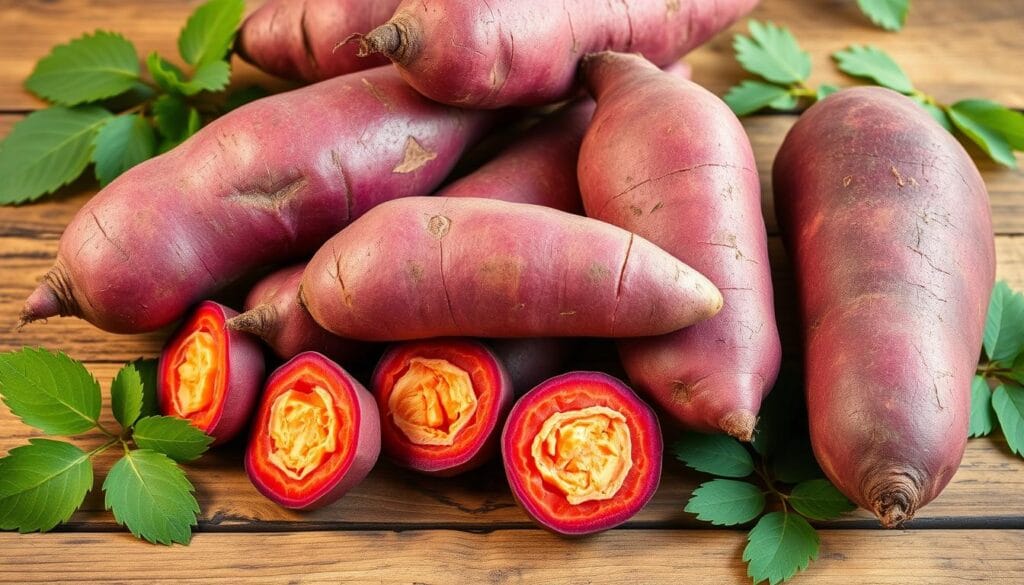
Winter nights are perfect for cozy, comforting meals. A steaming dish of vegan Chinese squash recipes with kabocha is just what you need. This Japanese pumpkin turns simple meals into special treats that feed both your body & soul.
Kabocha squash is a hidden treasure in vegan cooking. It adds a rich, sweet flavor to dishes, similar to butternut squash & sweet potato. It’s a favorite among those who love plant-based cooking.
Exploring these chinese squash recipes kabocha vegan opens up a world of flavors. You can make creamy curries or delicate stir-fries with kabocha. It’s a versatile ingredient that will change how you cook with plants.
Kabocha is not just tasty; it’s also full of nutrients. It’s rich in beta-carotene, making it a health powerhouse. Each recipe brings warmth, nutrition, & the true taste of East Asian cuisine, all plant-based.
Table of Contents
Underst&ing Kabocha: The Japanese Pumpkin’s Versatility
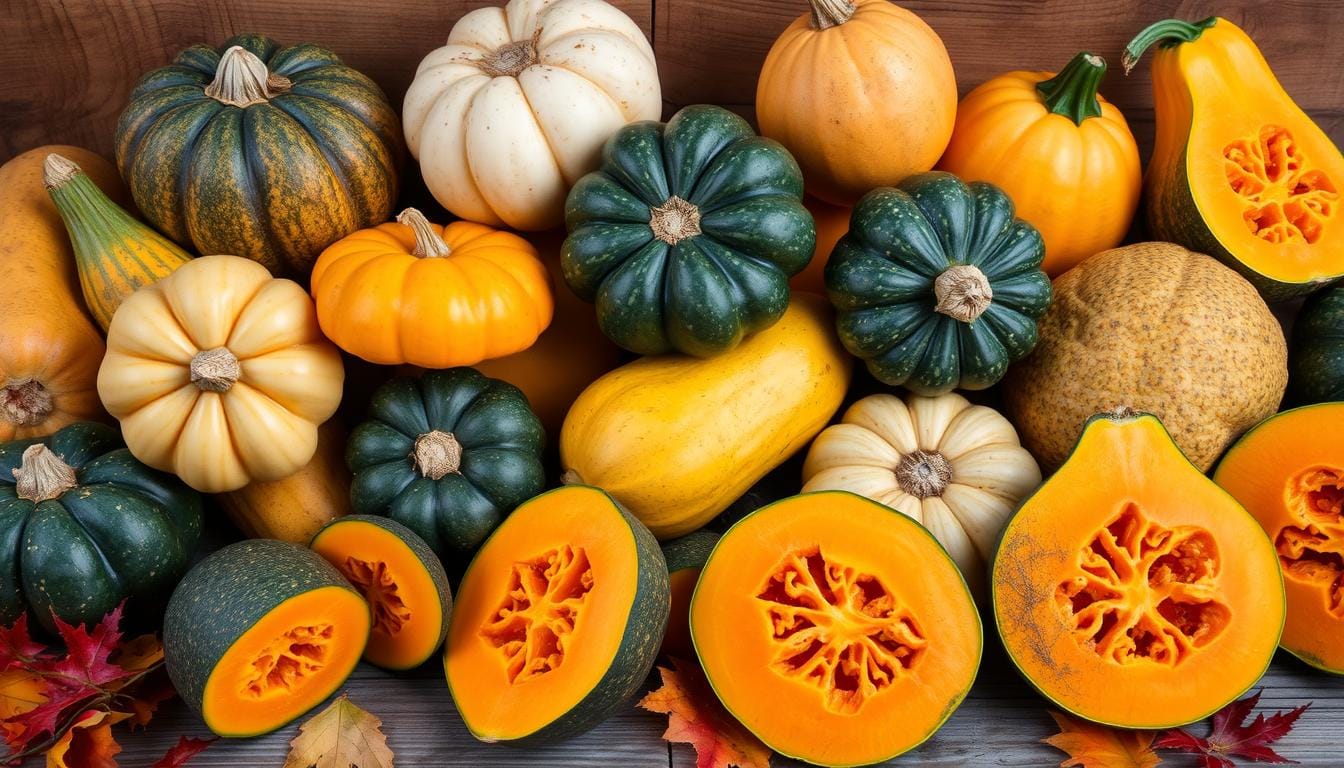
Kabocha squash, also known as the Japanese pumpkin, is a nutritional powerhouse. It adds excitement to your plant-based Chinese dishes. This squash has a sweet, nutty flavor that makes any recipe special.
Nutritional Benefits of Kabocha Squash
Healthy kabocha recipes reveal a vegetable full of nutrients. Kabocha squash is rich in:
- Beta-carotene
- Vitamins A & C
- Powerful antioxidants
- Essential minerals
“Kabocha is sweet like c&y without any added sugar” – Traditional Japanese Food Wisdom
Selecting & Storing Fresh Kabocha
Choosing the right kabocha is key. Look for squash that is:
- 2-3 pounds
- Deep green in color
- Firm & smooth on the surface
For longer freshness, store your squash in a cool, dry place. This way, you’ll always have it ready for your next dish.
Preparing Kabocha for Cooking
Preparing kabocha is easy. You can leave the skin on, which becomes tender. Here’s how to prepare it:
- Wash the squash well
- Microwave for 3-4 minutes to soften
- Cut in half & remove seeds
- Chop into desired sizes
Your kabocha is now ready to shine in delicious vegan recipes. It will delight your taste buds & nourish your body.
| Nutritional Value | Per Serving |
|---|---|
| Calories | 94 |
| Carbohydrates | 13g |
| Protein | 2g |
| Fat | 4g |
Essential Ingredients for Chinese Squash Recipes Kabocha Vegan
Making tasty vegan Chinese dishes with kabocha squash needs the right ingredients. Start your plant-based journey by knowing the key parts that make squash a dish to remember.
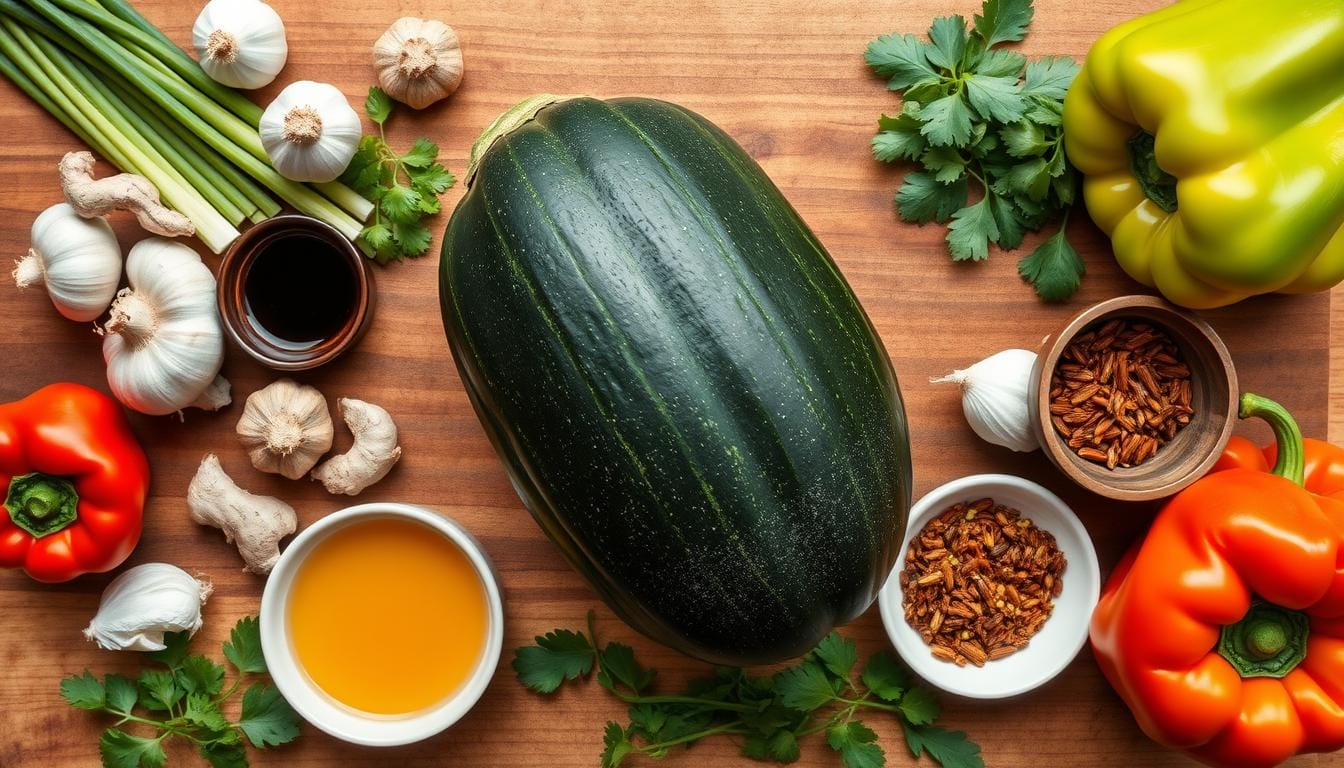
- Kabocha Squash: The star of your vegan Chinese dishes, known for its sweet, nutty flavor
- Extra-firm tofu for protein & texture
- Coconut milk or cashew milk for creamy base
- Vegetable broth for depth of flavor
“The magic of vegan Chinese cuisine lies in the harmony of ingredients.”
Aromatics & seasonings are key to making your kabocha recipes shine:
- Fresh ginger & garlic
- Soy sauce or tamari
- Coconut sugar
- Lime juice
- Chinese five-spice powder
| Ingredient | Nutritional Benefit | Flavor Profile |
|---|---|---|
| Kabocha Squash | High in Vitamins A & C | Sweet, Nutty |
| Tofu | Protein-rich | Neutral, Absorbs Flavors |
| Sesame Oil | Healthy Fats | Nutty, Aromatic |
Pro tip: For an oil-free option, use 1/4 cup of vegetable broth when sautéing aromatics. Your vegan Chinese squash recipes will be both delicious & health-conscious.
Traditional Chinese Cooking Methods for Kabocha
Exploring vegan Asian recipes reveals the amazing versatility of kabocha squash. Chinese recipes using this Japanese pumpkin turn a simple ingredient into extraordinary dishes.
Learning to cook kabocha squash requires knowing different techniques. Each method highlights the squash’s unique flavor & texture.
Steaming: Preserving Nutrients & Texture
Steaming kabocha is a gentle way to cook that keeps its nutrients. Cut the squash into chunks & steam for 15-20 minutes until it’s tender. This method:
- Retains maximum nutritional value
- Creates a soft, creamy texture
- Minimizes added fat
- Preserves natural sweetness
Stir-Frying: Quick & Flavorful
Stir-frying makes kabocha into a fast & tasty vegan dish. The secret is quick preparation & high-heat cooking:
- Cut kabocha into thin, even pieces
- Heat wok with minimal oil
- Add aromatics like ginger & garlic
- Cook quickly to maintain crispness
Braising: Deep Flavor Infusion
Braising lets kabocha soak up rich flavors & become tender. Simmer the squash in vegetable broth with herbs & spices, making a comforting vegan main course.
“Cooking is about passion, & kabocha offers endless possibilities for creative vegan cuisine.” – Chef Ming Tsai
Mastering Vegan Kabocha Curry
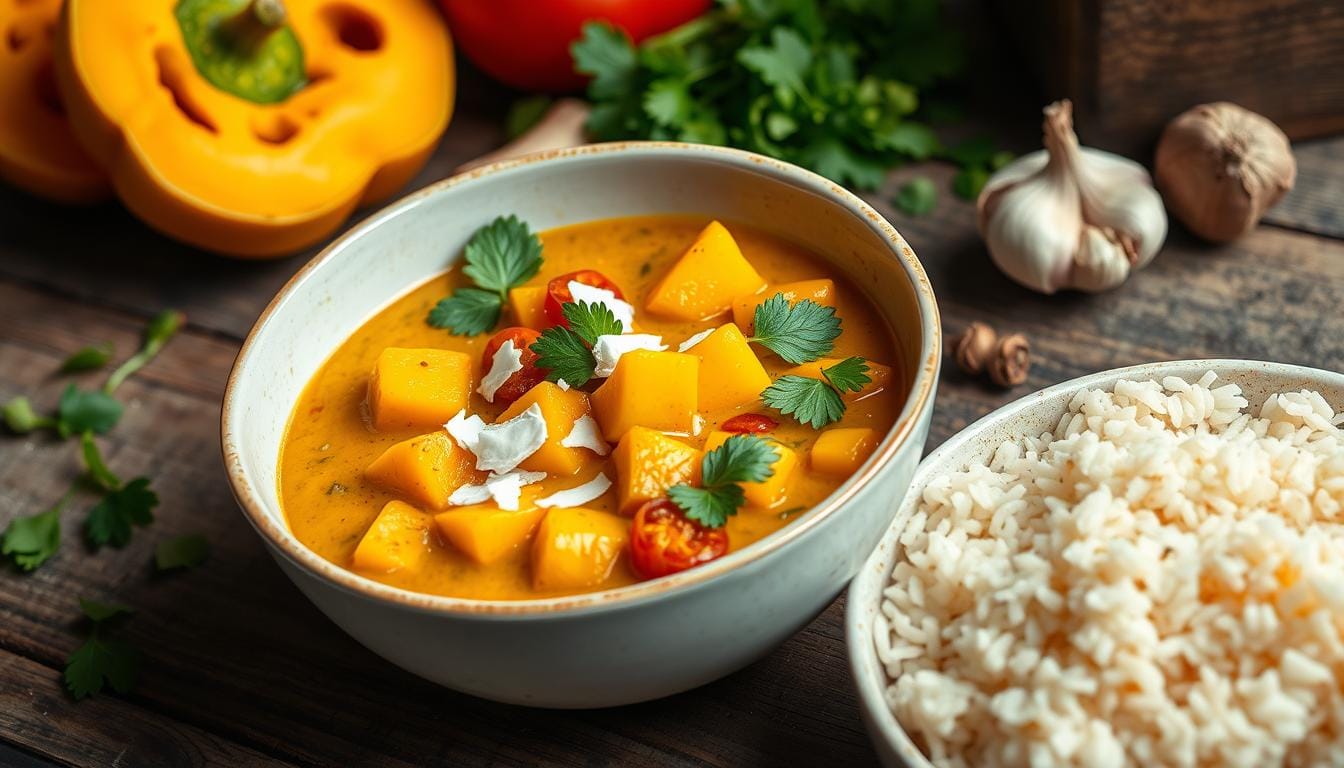
Explore the world of plant-based Chinese cuisine with a delicious vegan kabocha curry. This dish turns the nutritious squash into a culinary gem. Kabocha squash is packed with about 40 calories per cup, along with vital vitamins & minerals.
“A perfect blend of comfort & nutrition in every spoonful” – Vegan Cooking Enthusiast
To start your healthy kabocha recipe, gather these key ingredients:
- Fresh kabocha squash, cubed
- Thai red curry paste
- Coconut milk
- Mixed vegetables (bell peppers, carrots, green beans)
- Firm tofu
- Fresh herbs for garnish
The secret to this vegan Chinese dish is in how you prepare it. Start by sautéing garlic & ginger in coconut oil. This creates a fragrant base that makes the curry even better. The trick is to find the right spice balance for your taste.
| Ingredient | Nutritional Benefit | Quantity |
|---|---|---|
| Kabocha Squash | High in Vitamin A, Fiber | 1 medium squash |
| Coconut Milk | Dairy-free Cream Alternative | 1 can (400ml) |
| Tofu | Plant-based Protein | 200g |
Add a squeeze of lime juice, a drizzle of tamari, & a bit of coconut sugar to your curry. This mix creates a flavor that honors the rich traditions of plant-based Chinese cuisine. Serve it over steamed rice or noodles for a fulfilling meal.
Quick & Easy Kabocha Stir-Fry Variations
Discover the magic of creating delicious vegan Asian recipes with kabocha squash. These easy squash recipes will transform your Chinese squash recipes into quick, nutritious meals that burst with flavor & authenticity.
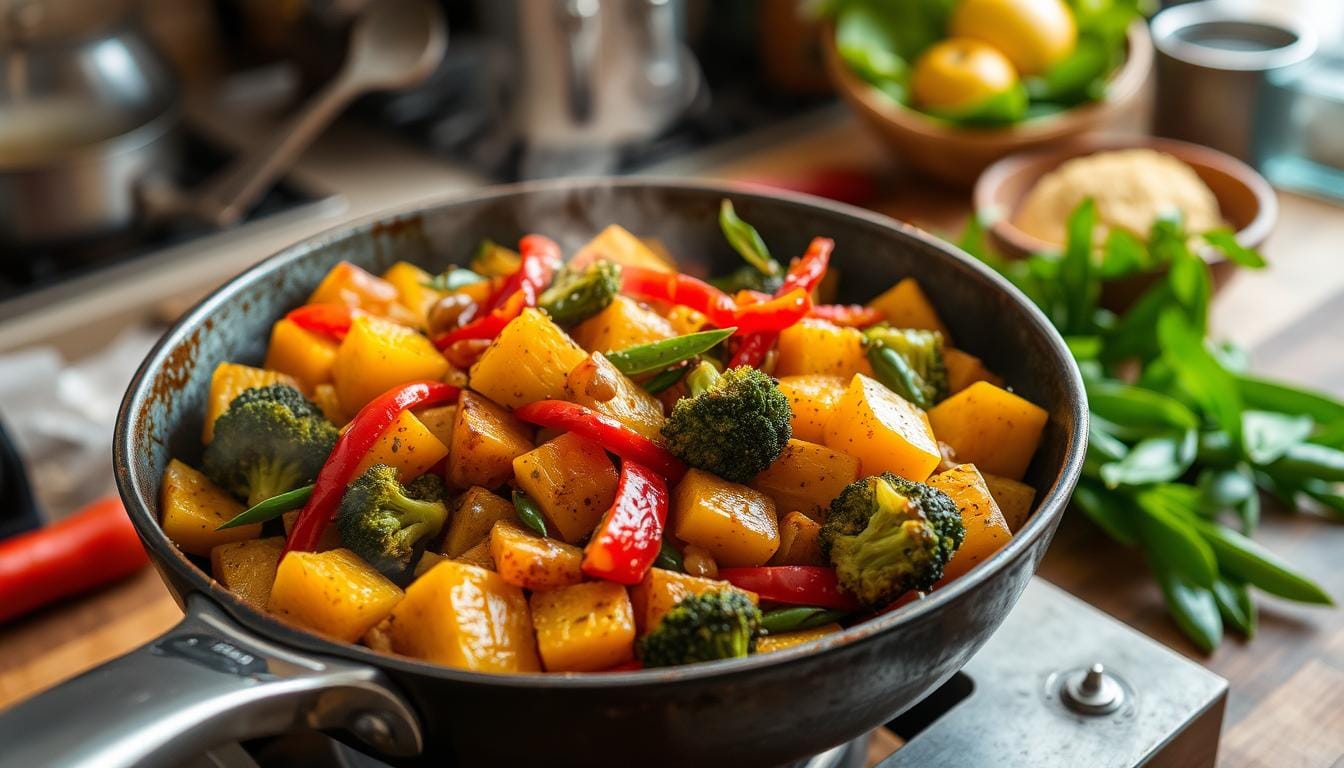
Kabocha squash adds a unique sweetness & creamy texture to stir-fries. It’s perfect for fast & flavorful vegan dishes. With minimal preparation, you can make restaurant-quality meals at home.
Garlic Ginger Base
Start your Chinese squash recipes with a robust foundation of minced garlic & fresh ginger. This aromatic combination provides depth & warmth to your vegan kabocha dishes.
- Finely mince 3-4 garlic cloves
- Grate 1-inch fresh ginger root
- Sauté in a hot wok with a small amount of oil
Sauce Combinations
Elevate your easy squash recipes with these dynamic sauce options:
| Sauce Type | Ingredients | Flavor Profile |
|---|---|---|
| Classic Soy | Soy sauce, rice vinegar, sugar | Umami, balanced |
| Spicy Chili | Chili paste, sesame oil, garlic | Bold, fiery |
| Sweet Hoisin | Hoisin sauce, rice wine, ginger | Sweet, complex |
Vegetable Pairings
Complement your kabocha with vibrant vegetables that enhance both nutrition & texture:
- Crisp bell peppers
- Tender bok choy
- Crunchy snap peas
- Sliced mushrooms
Pro tip: Cut kabocha into uniform cubes to ensure even cooking & beautiful presentation.
These vegan Asian recipes are not just meals—they’re a celebration of flavor, health, & culinary creativity. Experiment with different combinations to find your perfect kabocha stir-fry!
Creating Rich Kabocha Soups & Broths
Discover the magic of healthy kabocha recipes. They turn this vibrant Japanese pumpkin into velvety, nourishing soups. Vegan Chinese dishes shine with kabocha, offering a creamy texture & deeply satisfying flavor.
“Kabocha squash brings warmth & nutrition to every spoonful of soup” – Traditional Chinese Cooking Wisdom
Your culinary journey starts with picking the perfect kabocha squash. Look for a vibrant orange flesh & firm texture. This promises a sweet & rich soup base.
Essential Soup Ingredients
- 1 medium kabocha squash, seeded & cubed
- 1 quart vegetable broth
- 1 14-oz can full-fat coconut milk
- Fresh ginger & garlic
- Chinese five-spice powder
To create an authentic soup, roast your kabocha chunks at 425°F for 30 minutes. This intensifies their natural sweetness. It also elevates the soup’s depth & complexity.
| Nutrition Details | Per Serving |
|---|---|
| Calories | 136 |
| Preparation Time | 15 minutes |
| Cooking Time | 30 minutes |
| Storage | Refrigerate up to 5 days |
For an extra layer of flavor, garnish your kabocha soup with roasted cashews, fresh cilantro, or a drizzle of chili oil. These finishing touches turn a simple soup into a gourmet experience.
Kabocha in Traditional Chinese Medicine
Explore the healing power of kabocha squash through Traditional Chinese Medicine (TCM). This vegetable is more than just a tasty ingredient in vegan Chinese recipes. It offers deep wellness benefits rooted in ancient healing practices.
Seasonal Benefits of Kabocha
In TCM, kabocha is seen as a warming food for autumn & winter. Its nutritional profile makes it key in healthy recipes that balance the seasons.
- Supports internal warmth during cold seasons
- Helps regulate body temperature
- Enhances digestive system functionality
Healing Properties
Plant-based Chinese cuisine values kabocha as a healing ingredient. It’s believed to nourish the spleen & stomach, boosting digestive health.
| Health Benefit | TCM Perspective |
|---|---|
| Digestive Support | Strengthens spleen energy |
| Immune Boost | Supports defensive qi |
| Eye Health | Nourishes visual system |
Dietary Recommendations
TCM experts suggest adding kabocha to your diet. It’s especially good for those with weak digestion or looking to balance energy in cooler months.
“Let food be thy medicine & medicine be thy food” – Ancient Chinese Wisdom
By adding kabocha to your vegan Chinese dishes, you’re not just eating well. You’re also embracing centuries of holistic healing traditions.
Storage Tips & Meal Prep Strategies
Learning how to store & prepare meals is key to enjoying healthy kabocha recipes. Your vegan Chinese dishes will stay fresh & tasty with the right methods.
Kabocha Storage Guidelines
Whole kabocha squash does best in cool, dry places. You can keep it at room temperature for up to a month. When picking your squash, choose one that’s firm with no soft spots or wrinkles.
Refrigeration & Preservation
- Cut kabocha should be wrapped tightly & refrigerated
- Stored pieces remain fresh for 5 days
- Cooked dishes can be refrigerated for 3-4 days
- Freeze prepared meals for up to 2 months
Efficient Meal Prep Strategies
Make easy squash recipes by getting ingredients ready ahead of time. Roast kabocha in big batches on weekends. This makes your vegan Chinese dishes quick & easy during the week.
| Preparation Method | Storage Duration |
|---|---|
| Raw pre-cut kabocha | 5 days refrigerated |
| Roasted kabocha | 4 days refrigerated |
| Frozen prepared dishes | 2 months |
“Preparation is the secret to delicious & convenient meals.” – Culinary Expert
Use these tips to turn your healthy kabocha recipes into quick, nutritious meals. They’ll fit perfectly into your busy schedule.
Conclusion
Exploring chinese squash recipes kabocha vegan opens a world of tasty plant-based dishes. Kabocha squash is a nutritional powerhouse. It’s full of beta-carotene, fiber, & antioxidants.
These nutrients make simple vegan Asian recipes vibrant & healthy. Discovering kabocha’s versatility lets you dive into plant-based Chinese cuisine with confidence. You can roast, steam, or blend it to create dishes that are both nutritious & flavorful.
The mix of traditional Chinese spices & fresh veggies can boost your cooking skills. Each recipe is a culinary adventure that connects you to mindful eating. You can make spicy stir-fries with bell peppers & garlic or warm soups with five-spice powder.
Kabocha squash is a canvas for creativity. Your kitchen can be a gateway to healthy, delicious vegan cooking. It celebrates the essence of Chinese culinary traditions.
By embracing kabocha squash, you’re not just cooking a meal. You’re creating an experience that nourishes both body & soul. Start your journey today. Let kabocha squash inspire your next plant-based culinary creation.
FAQ
What is kabocha squash?
Kabocha squash, also known as Japanese pumpkin, is a winter squash. It tastes like a mix of pumpkin & sweet potato. It’s full of vitamins A & C, fiber, & antioxidants. Its creamy texture is great for vegan Chinese recipes.
How do I select & store kabocha squash?
Pick kabocha squash that’s heavy for its size & has a dull, deep green skin. Store whole squash in a cool, dry place for up to a month. Cut squash should be wrapped tightly & refrigerated for up to 5 days. Cooked dishes can be refrigerated for 3-4 days or frozen for 2 months.
Do I need to peel kabocha squash before cooking?
No, you don’t need to peel kabocha squash. Its skin is edible & gets soft when cooked. Just wash, cut in half, remove seeds, & chop as needed.
What are some key ingredients for vegan Chinese kabocha recipes?
Key ingredients include kabocha squash, extra-firm tofu, coconut milk, & vegetable broth. Use aromatics like ginger & garlic, soy sauce or tamari, coconut sugar, lime juice, & spices. Add fresh veggies & nuts for extra nutrition & texture.
What are the best cooking methods for kabocha squash?
You can cook kabocha squash by steaming, stir-frying, or braising. Steaming takes 15-20 minutes for a tender texture. Stir-frying is quick in a wok, & braising simmers in flavorful liquid. Each method highlights different qualities of the squash.
Is kabocha squash healthy?
Yes, kabocha squash is very healthy. It’s a warming food in Traditional Chinese Medicine, supporting digestion, immunity, & spleen & stomach health. It’s rich in beta-carotene, vitamins, fiber, & antioxidants.
Can I use kabocha squash in meal prep?
Absolutely! Roast kabocha in bulk for use in stir-fries, salads, or as a side. Store raw kabocha in airtight containers for quick cooking. Prepare sauces & dressings ahead of time to make meal prep easier.
What are some popular vegan Chinese dishes with kabocha?
Popular dishes include kabocha curry with coconut milk, quick stir-fries, creamy soups, & braised dishes. These recipes use traditional Chinese flavors & cooking methods while being plant-based.